You see a flash of blue-gray, a stark white face, and then it does the thing—it hops headfirst down the trunk of your oak tree. That’s your first real introduction to the white-breasted nuthatch (Sitta carolinensis). It’s not just another backyard bird; it’s a specialist, a character, and one of the most reliable visitors if you know how to look. Forget the field guide clichés. After years of watching them in my Illinois backyard and across eastern woodlands, I’ve learned their real habits, the mistakes everyone makes when trying to attract them, and the subtle details most articles gloss over. Let’s get into it.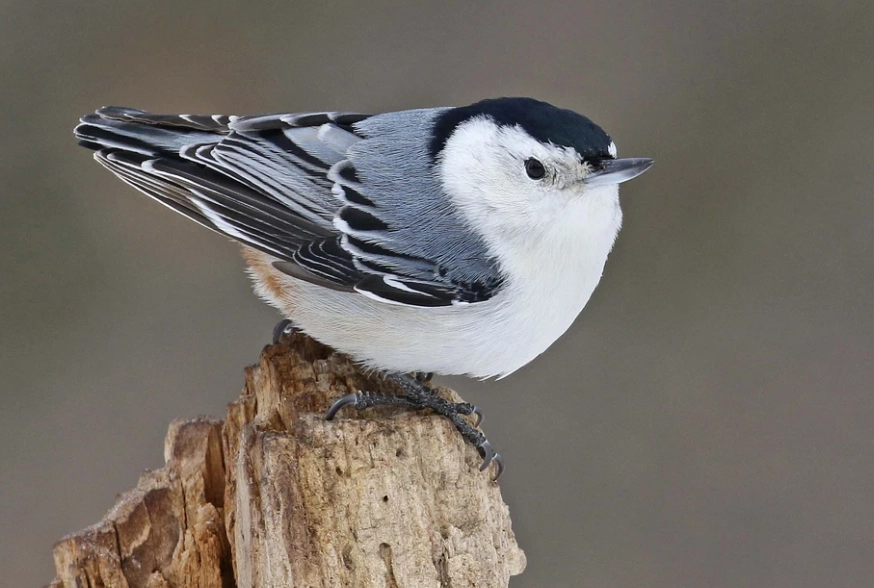
What's in This Guide?
How to Spot a White-breasted Nuthatch (Beyond the Basics)
Sure, the field marks are simple: blue-gray back, white face and breast, black cap. But identification happens in a split second, often in poor light. Here’s what you actually need to know.
The Look: Details Everyone Misses
That white breast isn’t always pristine. During nesting season, you might see a faint rusty or orange wash on the lower belly and flank feathers—it’s easy to mistake for dirt or shadow. Their bill is longer and more dagger-like than a chickadee’s, perfect for prying under bark scales. And the tail is incredibly short, almost stubby, which is why they look so compact and powerful.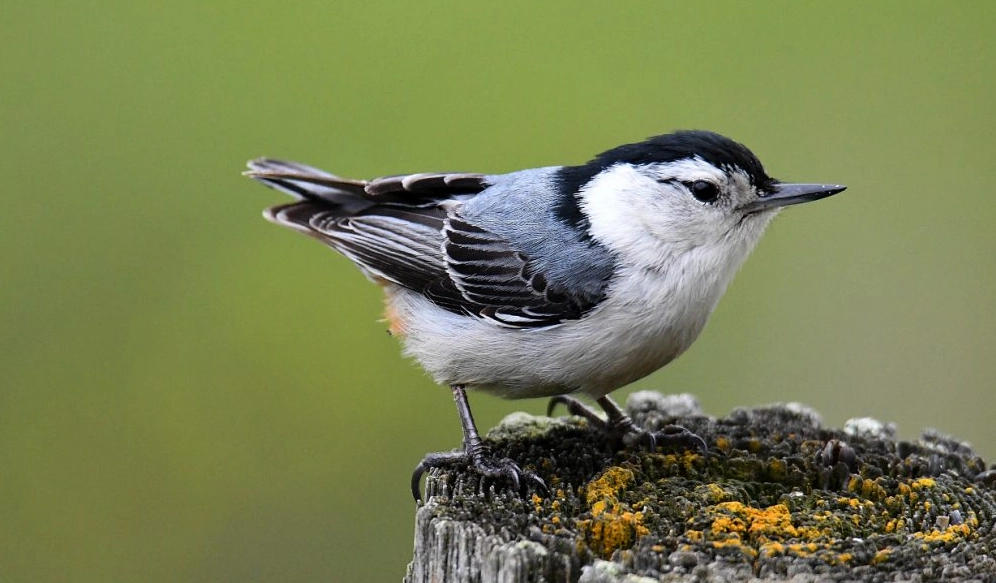
The biggest confusion comes with two other birds: the red-breasted nuthatch and the black-capped chickadee. Let’s clear that up.
| Feature | White-breasted Nuthatch | Red-breasted Nuthatch | Black-capped Chickadee |
|---|---|---|---|
| Size & Shape | Largest (5.75"). Stocky, short tail. | Small (4.5"). Compact. | Small (5.25"). Round body, long tail. |
| Key Color Mark | Clean white face & breast, black cap. | Prominent black eye line, rusty breast. | Black cap and bib, white cheeks. |
| Primary Sound | Loud, nasal "yank-yank" or "wha-wha." | High-pitched, tinny "yank-yank," like a toy trumpet. | Clear "chick-a-dee-dee-dee" or "fee-bee." |
| Feeding Posture | Almost always on tree trunks, often facing downward. | On trunks and branches, any direction. | On branches and twigs, rarely on trunks. |
The Sound: It's Not Just a Call
Their voice is your best clue, especially in dense woods. That familiar nasal "yank-yank" carries far. But listen closer in spring. You’ll hear a rapid, soft series of whistles—their courtship song. It’s surprisingly sweet and complex, nothing like their brash contact calls. I once spent twenty minutes tracking what I thought was a new warbler, only to find a male nuthatch singing his heart out on a high, sunlit branch.
Pro Tip: Don't just look at your feeder. Scan the trunks of nearby trees, especially oaks, maples, and pines. They often land on a trunk first, survey the area, then make a quick dash to the feeder. If you only watch the feeder itself, you'll miss half the action.
How to Attract White-breasted Nuthatches to Your Yard
Want them as regulars? It’s not just about throwing out birdseed. You need to think like a nuthatch. Their world is about bark, insects, and secure perches.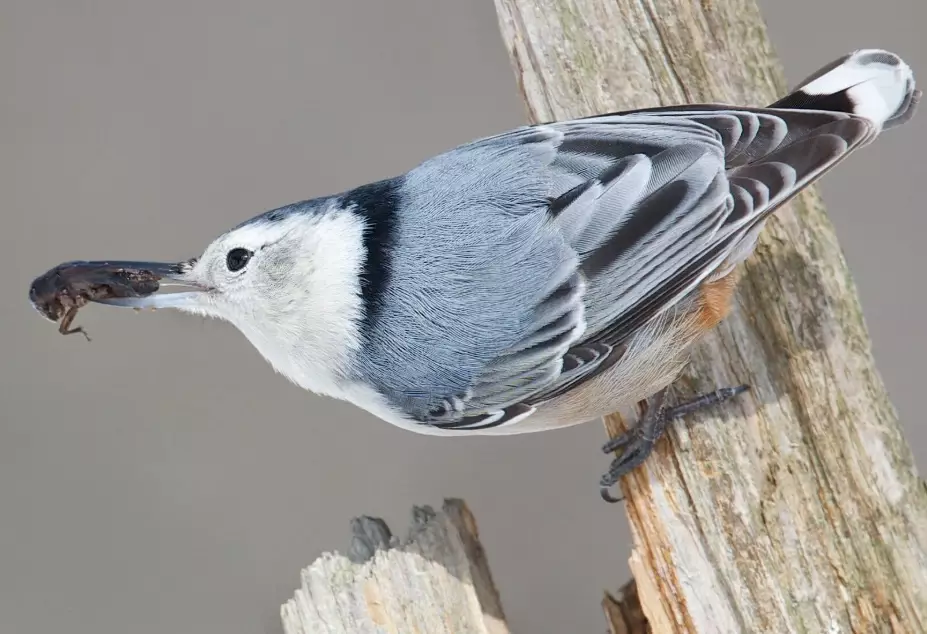
The Food They Can't Resist
Black oil sunflower seeds are fine, but they’re the generic option. To really get their attention, you need high-value targets.
- Shelled Peanuts (Hearts or Pieces): This is the ultimate draw. The high fat and protein content mimics their natural insect diet. Offer them in a small tray or mesh feeder.
- Suet: Not just any suet. Look for blends with insects, berries, or peanuts. They'll cling to the suet cage and hack off chunks.
- Mealworms: A live or dried mealworm feeder is like opening a gourmet restaurant for them, especially during breeding season when they're feeding young.
- Peanut Butter: Smear a small amount directly into the deep crevices of a tree's bark. They'll spend minutes extracting it. (Use natural, salt-free peanut butter).
The classic mistake? Using a feeder with only small perches. They need a stable platform or a large perch to land on. Tube feeders with extended trays work well.
Habitat is Non-Negotiable
You can have the best feeder in the world, but if your yard is an open lawn with a single young tree, they’ll just pass through. They need mature trees—preferably a cluster of them. Oaks are fantastic because they support a huge variety of insects. Maples and pines are also excellent. The trees provide their primary foraging ground; your feeder is just a convenient supplement.
Leave dead branches or even a standing dead tree (snag) if it's safe. These are insect magnets and provide natural foraging sites. According to the Cornell Lab of Ornithology, dead wood is a critical resource for many bark-foraging birds.
Water is the other half. A birdbath, especially one with a gentle drip or mister, will attract them. They seem to prefer bathing on shallow, rough stones rather than deep, smooth basins.
Decoding Their Unique Behaviors and Social Life
This is where they get fascinating. Every quirky thing they do has a purpose.
Why Do They Walk Upside Down?
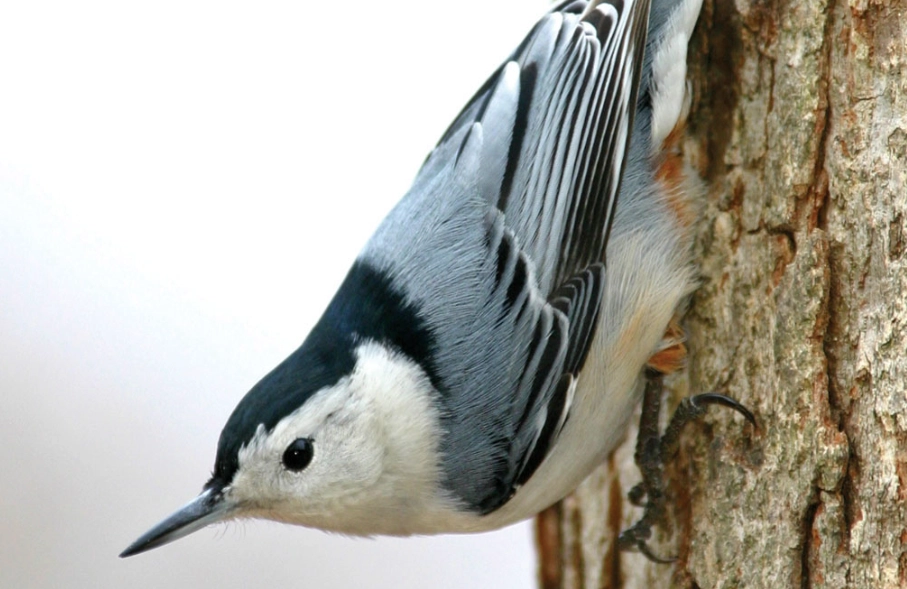
It’s not a party trick. It’s a brilliant foraging strategy. By moving down a trunk headfirst, they see the bark from an angle that birds like woodpeckers (who go upwards) or creepers (who go sideways) miss. They’re accessing a whole different layer of hidden insects and spider eggs. Their powerful legs and long back claw give them a grip that seems to defy gravity.
The Secret of the Seed Cache
Watch one at your feeder. It doesn’t eat the seed. It takes a sunflower seed or a peanut piece, flies to a tree, and jams it into a bark crevice. Then it often taps it a few times with its bill, seemingly to wedge it in tighter. This is called scatter-hoarding. A single nuthatch may create hundreds of these caches in its territory, a survival strategy for winter. They have a remarkable spatial memory to relocate them.
Family and Flock Dynamics
They’re monogamous and often hold territories year-round. In winter, you’ll frequently see them join mixed-species foraging flocks with chickadees, titmice, and downy woodpeckers. There’s safety in numbers. In these flocks, each species has a niche: the chickadees take the outer twigs, the woodpeckers work the trunks, and the nuthatches specialize in the upper trunk and larger branches, often moving downward through the group. It’s a efficient system.
Their nesting habit is unique. They use old woodpecker holes or natural cavities but are famous for "plastering" the entrance hole with sticky pine resin or mud. The leading theory is this deters predators or nest competitors. The parents seem unaffected, flying directly through the sticky ring.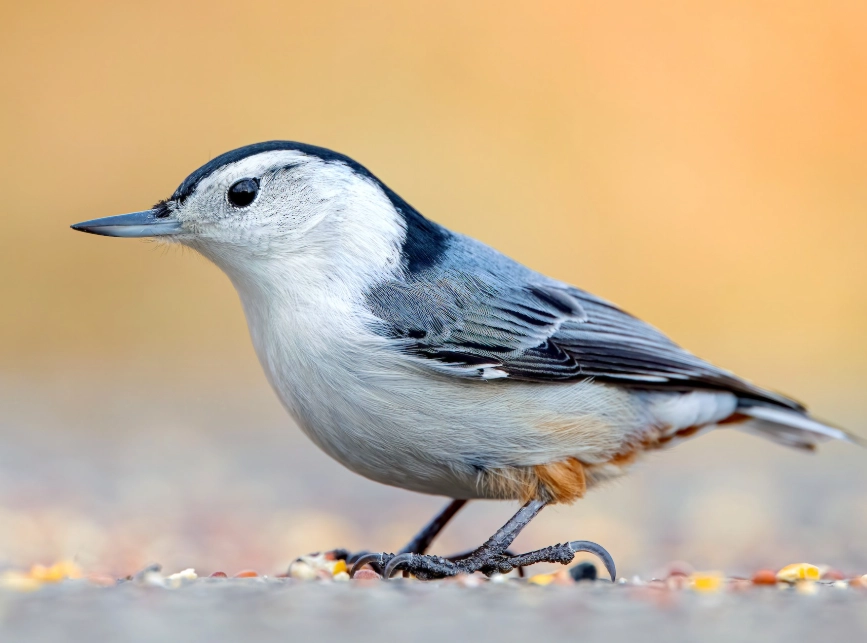
Your White-breasted Nuthatch Questions, Answered
How can I tell a male white-breasted nuthatch from a female?
Why won't white-breasted nuthatches come to my bird feeder?
 Do white-breasted nuthatches use nest boxes, and what kind?
Are white-breasted nuthatches aggressive to other birds?
Reader Comments