Ask a room full of seasoned birders where the bird watching capital of the United States is, and you'll likely hear one name more than any other: High Island, Texas. It's not a sprawling metropolis. It's a small, unassuming community on the Upper Texas Coast with a population that swells exponentially every spring. Why? Because for millions of migratory birds, it's the first landfall after a grueling 600-mile nonstop flight across the Gulf of Mexico. For birders, it's nothing short of legendary. This isn't just a nice place to see birds; it's a front-row seat to one of nature's most dramatic and concentrated wildlife spectacles.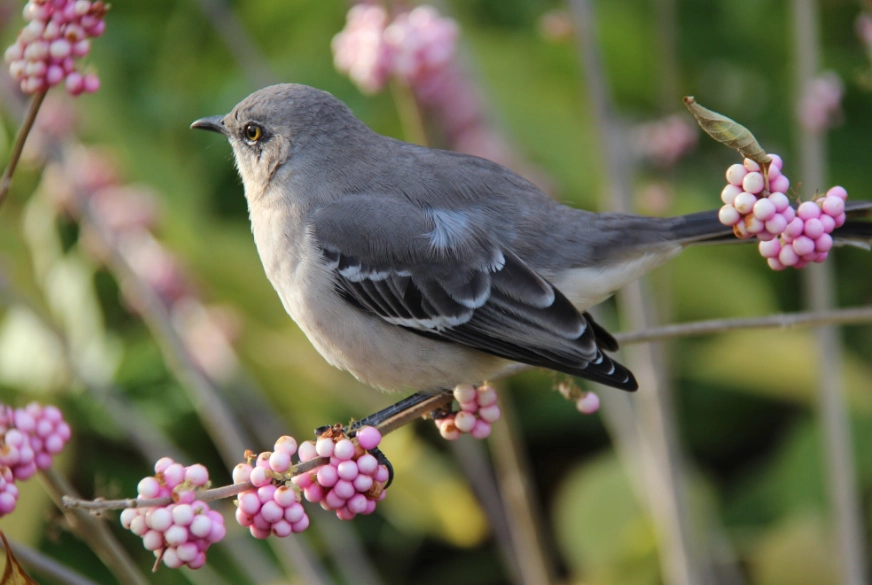
Your Quick Guide to High Island Birding
- Why High Island Earns the Title ‘Bird Watching Capital’
- The Crown Jewels: High Island's Premier Bird Sanctuaries
- When is the Absolute Best Time to Visit High Island for Birding?
- Planning Your High Island Birding Trip: Logistics Made Simple
- What Gear Do You Really Need for a High Island Trip?
- Beyond the Checklist: Expert Tips for a Richer Experience
- Your High Island Birding Questions, Answered
Why High Island Earns the Title ‘Bird Watching Capital’
Let's cut to the chase. Many places have great birds. What makes High Island the capital? It's the perfect storm of geography and timing.
Picture a tired songbird—a Scarlet Tanager or a Blackburnian Warbler—leaving the Yucatán Peninsula at dusk. It flies all night over open water. At dawn, it's desperate for food, water, and rest. The first land it sees is the Texas coast. But the coast is mostly marsh. High Island is different. It's a salt dome rising about 38 feet above the flat coastal plain. That slight elevation means it has pockets of fresh water and, crucially, wooded habitats (mottes) of live oaks and hackberries that are like five-star hotels for forest-dwelling birds. They drop out of the sky by the thousands, often in "fallout" events where trees are dripping with colorful warblers, tanagers, buntings, and orioles too exhausted to care about the crowds of humans below.
This concentration is unmatched. On a good morning in late April, you could see 30 species of warblers before lunch. That's not an exaggeration. The Houston Audubon Society manages the sanctuaries here, and their data shows staggering numbers. It's this predictable, high-density phenomenon that cements its status.
The Crown Jewels: High Island's Premier Bird Sanctuaries
High Island's magic happens in four main sanctuaries. Each has its own vibe and specialty. You need to know which is which.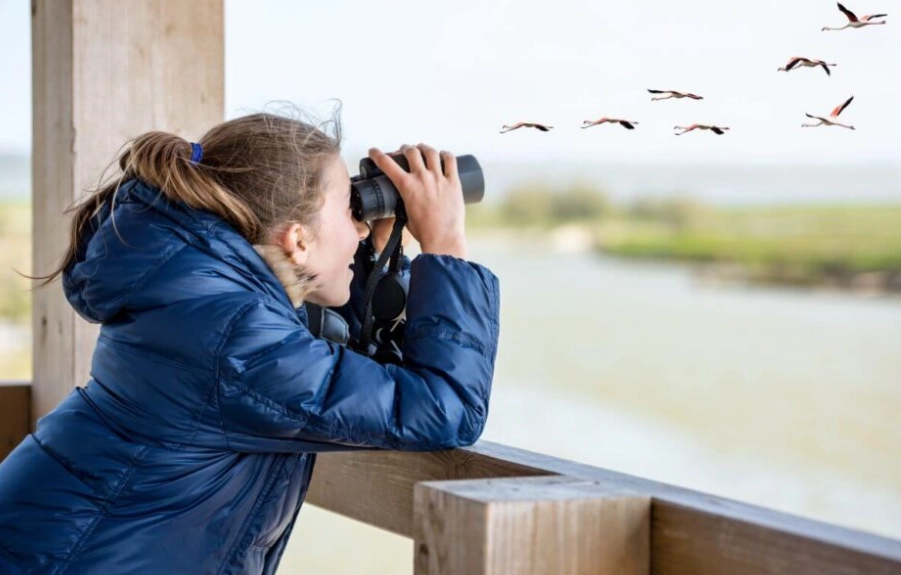
| Sanctuary | Key Features & Target Birds | Best For | Entry & Hours |
|---|---|---|---|
| Boy Scout Woods | The main event. Wooded trails, a famous photo blind over a water drip, and the "Grandstand" observation area. Expect warblers, thrushes, cuckoos, and Painted Buntings. The visitor center is here. | Classic fallout viewing, photography, beginners. The central hub. | Daily, dawn to dusk. Entry fee required (supports Houston Audubon). Check their site for current rates. |
| Smith Oaks | Larger and more varied. Contains Clay Bottom Pond (great for herons, egrets) and the iconic Rookery—a island teeming with Roseate Spoonbills, Great Egrets, Neotropic Cormorants, and herons during nesting season (Mar-Jul). | Rookery action, waterbirds, more walking trails. A bit more spacious. | Same as Boy Scout Woods. Part of the same sanctuary complex. |
| High Island RV Park | Yes, an RV park. The trees around the perimeter are legendary for attracting birds. It's privately owned but birders are welcome to walk the edges. Often less crowded than the main sanctuaries. | Quieter birding, checking the periphery for surprises. No formal fee, but be respectful. | Accessible anytime, but bird along the outer edges unless you're a guest. |
| 4H Ranch & Sedgefen Farm | More open, grassy habitats with scattered trees and ponds. Excellent for shorebirds, sparrows, raptors, and species that prefer less dense forest. | Seeing a different suite of birds, avoiding the biggest crowds. | Access may vary; sometimes open for scheduled tours or by donation. Check Houston Audubon's website for updates. |
My personal take? Start at Boy Scout Woods for the energy and guaranteed activity, then walk the pleasant 10-minute trail over to Smith Oaks for the rookery spectacle. It's a perfect one-two punch.
When is the Absolute Best Time to Visit High Island for Birding?
This is critical. Come at the wrong time, and you'll wonder what the fuss is about.
The core season is March through May, with the absolute peak typically from mid-April to early May. This is when the bulk of the songbirds (passerines) are moving. Fall migration (Aug-Oct) is good, especially for shorebirds and early songbirds, but it's more spread out and less predictably spectacular than the spring "fallout" events.
The Magic Formula: The biggest fallouts happen after a strong cold front with north or northeast winds pushes against migrating birds crossing the Gulf. They fight headwinds, use up energy, and descend en masse at first light. Check the weather forecast for the Gulf. If you see a front moving through, plan to be there the next morning.
Summer is hot and buggy, with resident birds and the tail end of the rookery activity. Winter has waterfowl and sparrows, but it's quiet compared to the spring frenzy.
Planning Your High Island Birding Trip: Logistics Made Simple
Let's get practical. High Island isn't near a major airport, and services are limited.
Getting There
The nearest major airport is in Houston (IAH or HOU). From there, it's about a 1.5 to 2-hour drive east on I-10. Take exit 825 at Winnie/High Island. Head south on TX-124 for about 15 miles. You'll see the water tower and the sanctuaries. You absolutely need a car.
Where to Stay
Don't expect luxury resorts. Options are basic and fill up fast during peak season.
- High Island RV Park: The most convenient if you have an RV. You're literally on the birding grounds.
- Winnie, Texas: The nearest town with motels (15-20 min drive north). This is where most birders stay. It has chain hotels, restaurants, and gas stations.
- Bolivar Peninsula: Beach rentals and a few B&Bs (20-30 min drive south). A nice option if you want to combine birding with some beach time.
Book months in advance for April. Seriously.
Food and Amenities
High Island itself has a small grocery store and a couple of no-frills eateries. Winnie has more reliable options: fast food, a decent diner or two, and proper grocery stores. Pack a cooler with lunch, snacks, and lots of water. The sanctuaries have picnic areas.
What Gear Do You Really Need for a High Island Trip?
You can show up with just binoculars, but the right gear transforms the experience.
Optics: A good pair of binoculars (8x42 is ideal) is non-negotiable. A spotting scope is less critical for the woods but becomes invaluable at the Smith Oaks rookery or for shorebirding at nearby places like Bolivar Flats.
Clothing: This is coastal Texas. It can be cool in the morning and hot/muggy by 10 AM. Dress in layers. Waterproof hiking shoes or boots are a must—trails can be muddy after rain. A wide-brimmed hat and sunscreen are your best friends.
Other Essentials: A field guide (Sibley or National Geographic) or app like Merlin Bird ID. A notebook. More water than you think you need. Insect repellent (mosquitoes can be fierce, especially at dawn/dusk). A rain jacket.
One pro tip: bring a small, portable stool or sit pad. The best birding is often just waiting in one spot, and your back will thank you.
Beyond the Checklist: Expert Tips for a Richer Experience
After a decade of spring trips here, I've learned it's not just about ticking off species.
Timing Your Day: Be in the sanctuary at dawn. The first two hours after sunrise are golden. Activity often slows down by mid-morning as birds feed and rest. Use that time to check the rookery or grab breakfast. Late afternoon can see another pulse of activity.
Finding Birds: Don't just scan the treetops. Look at eye level in the understory. Listen for constant, soft "chip" notes—that's the sound of a fallout. Check fresh water puddles and drips.
The Human Element: Talk to people. The birding community here is fantastic. Someone will always be watching something good. Don't be shy to ask "What are you seeing?" It's how you find the Kentucky Warbler skulking in the shadows.
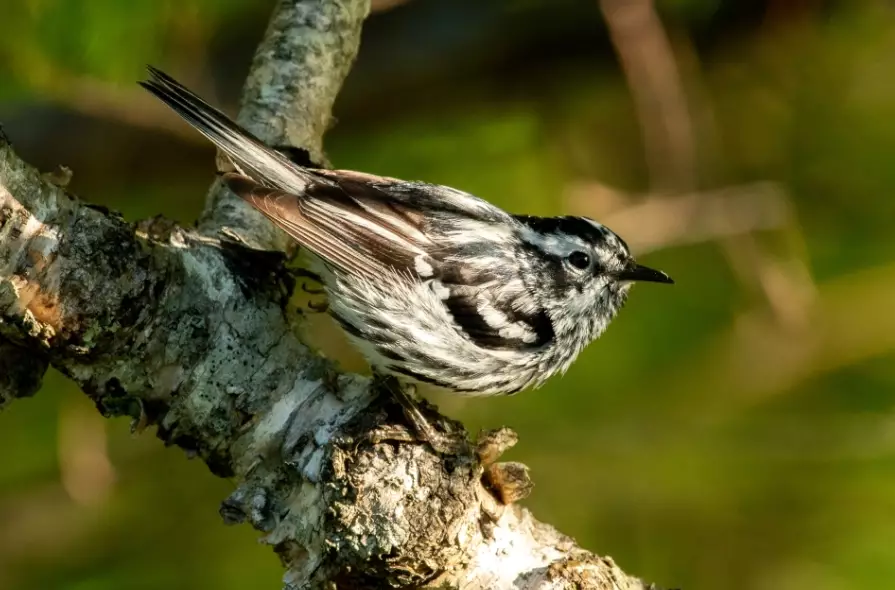
A Common Mistake: New birders often chase the rarest bird reported and miss the spectacle of commoner species doing incredible things. Watch a Prothonotary Warbler bathe. Study the subtle differences between a Nashville and a Tennessee Warbler. The magic is in the details, not just the rarity.
Also, explore beyond the sanctuaries. The drive down to Bolivar Flats Shorebird Sanctuary (about 30 mins south) offers a completely different world of thousands of shorebirds and is a must-do side trip.
Your High Island Birding Questions, Answered
Is High Island worth visiting outside of spring migration?
It depends on your goals. For the iconic "fallout" experience, spring is irreplaceable. Summer offers the active rookery and a chance to see breeding birds like the stunning Painted Bunting. Fall migration is more subtle but can be excellent for a different mix, with fewer crowds. Winter is the quietest season. For a first-time visitor aiming to understand its legendary status, spring is the only answer.
How crowded does it get, and how does that impact the experience?
On a peak weekend in late April, it can be very crowded, especially at Boy Scout Woods. This surprises some people expecting a wilderness experience. The upside is the shared excitement and collective knowledge. The downside is noise and limited space at prime viewing spots. To mitigate this, visit on a weekday if possible, or head to Smith Oaks or the 4H Ranch which absorb crowds better. Embrace the community—it's part of the High Island culture.
 I'm new to birding. Will I be overwhelmed at High Island?
You might be, in the best way possible. It's a fantastic place to learn because the density of birds and birders accelerates the learning curve. Use the Merlin Bird ID app to help with songs and visuals. Don't try to identify every bird instantly. Pick one, watch it, note its features, and then look it up. The volunteers and other birders are almost always happy to help a newcomer. Go with the mindset to enjoy the spectacle, and the ID skills will follow.
What's one thing most first-timers forget to pack?
A change of socks and shoes in the car. The combination of coastal humidity, morning dew, and occasional mud can leave your feet soaked. Having dry footwear for the drive home or for a midday break is a small luxury that makes a huge difference in comfort.
Are there guided tours available at High Island?
Yes, Houston Audubon and other guiding services often offer scheduled tours during the spring, which can be invaluable for beginners or those wanting to maximize their time. Check the Houston Audubon website for their "Spring Birding Events" schedule. Even without a formal tour, simply following along with a knowledgeable-looking group (politely) can be educational.
So, is High Island the bird watching capital of the United States? For that concentrated, predictable, and community-driven spring migration phenomenon, the answer is a resounding yes. It's a place where geography creates a bottleneck, turning a normal migration into a festival. It demands planning, patience, and a tolerance for crowds and humidity. But when you're standing in Boy Scout Woods on a crisp April morning, surrounded by the soft chips of a hundred warblers and the shared whispers of awe from fellow birders, you'll understand. It's not just a capital; it's a pilgrimage.
Reader Comments