Quick Navigation
- Getting to Know the Bird: A Visual and Auditory Guide
- Home Sweet Home: Where They Live and What They Eat
- The Great Confusion: Red-Bellied vs. Red-Headed Woodpecker
- Life Cycle and Backyard Habits
- Their Role in the Ecosystem (It's Bigger Than You Think)
- Frequently Asked Questions (The Stuff You're Actually Wondering)
Let's be honest, the first time I saw one, I called it a "red-headed woodpecker." I was so sure. It had red on its head, right? Took me a good minute of squinting through binoculars and a frantic field guide search to realize my mistake. That's the thing about the Red-Bellied Woodpecker (Melanerpes carolinus)—it's got a bit of an identity crisis, at least in the naming department. The red on its belly is this faint, blush-pink wash that you almost never see unless the bird is clinging upside-down right in front of you. But that bold, zebra-striped back and that fiery red cap? Unmistakable once you know what you're looking at.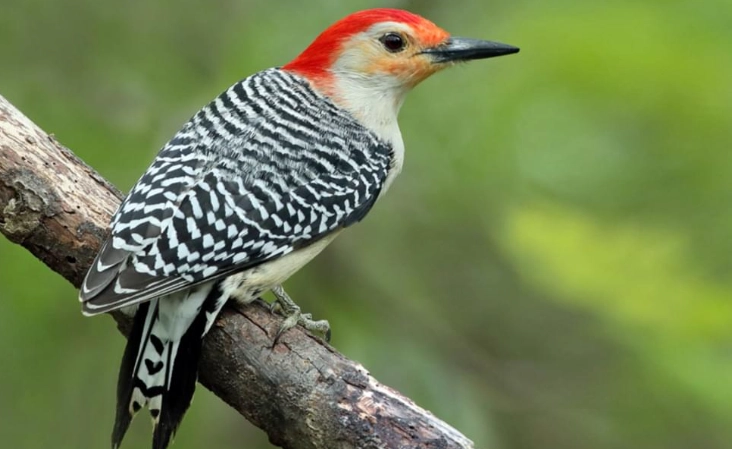
If you're hearing a rolling, almost laughing churr-churr-churr from the trees or spotting a medium-sized woodpecker making itself at home on your suet feeder, you're probably in Red-Bellied territory. And you're lucky. They're full of personality. This guide isn't just a dry list of facts. I want to walk you through everything—from telling them apart from their cousins (looking at you, Red-Headed), to understanding what that weird drumming means, to turning your backyard into their favorite diner. Consider this your one-stop shop for all things Red-Bellied.
Quick Takeaway: Don't let the name fool you. The Red-Bellied Woodpecker's most obvious feature is the bright red streak running from its bill, over the top of its head, and down the nape. Males have the full red cap and nape, while females only have red on the nape and above the bill. Look for the clean, barred black-and-white pattern on the back and wings—like a ladder—to seal the ID.
Getting to Know the Bird: A Visual and Auditory Guide
Before we dive into their life story, let's make sure you can pick one out of a lineup. Bird identification can be tricky, but with the Red-Bellied Woodpecker, there are a few dead giveaways.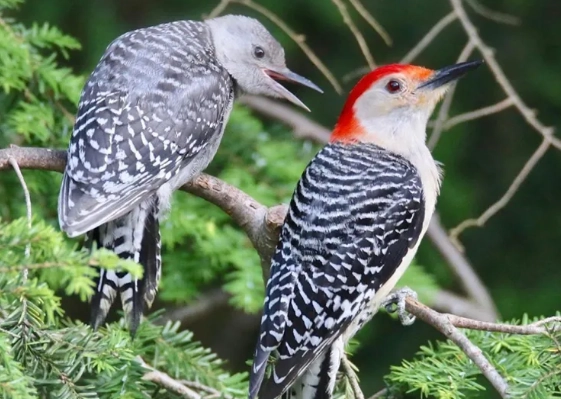
What Does a Red-Bellied Woodpecker Look Like? Breaking Down the Patterns
Forget the belly for a second. Seriously. The most reliable field marks are elsewhere.
- The "Red Cap": This is the headline act. A vibrant, solid red patch that starts at the base of the bill and runs all the way to the back of the head. In males, it covers the entire crown and nape. In females, the red is only on the nape and a small patch above the bill; the top of the head is gray. Juvenile birds are duller overall, with a grayish head and only a hint of red starting to show.
- The Ladder Back: Their back and wings are covered in a crisp, alternating pattern of narrow black and white bars. It looks remarkably neat and uniform, almost like a barred pattern you'd see on a fancy chicken. This is a key feature that separates them from the more chaotic black-and-white spotting of a Downy or Hairy Woodpecker.
- The Face and Underparts: Their face, throat, and chest are a plain, soft grayish-tan or light buff color. It's a nice, clean contrast to the busy back and bold red head.
- And Yes, The Belly: Okay, fine. If you get a perfect, close, underside view, you might see a faint rosy or orange-pink tint on the lower belly and under the tail. It's subtle. I've seen dozens, and I've only clearly seen it a handful of times. They really should have been called the "Red-Naped" or "Ladder-Backed" Woodpecker.
| Feature | Male Red-Bellied Woodpecker | Female Red-Bellied Woodpecker |
|---|---|---|
| Head Pattern | Solid red crown and nape (full red cap). | Red only on the nape and above bill; crown is pale gray. |
| Back Pattern | Identical: Distinct black-and-white horizontal barring ("ladder back"). | |
| Size & Shape | Identical: Medium-sized woodpecker (about 9-10.5 inches long). Sturdy, chisel-like bill. | |
| Common Confusion | Often mistaken for the Red-Headed Woodpecker, which has an entirely deep red head and neck, with a solid black back and large white wing patches. | |
The Sounds of the Forest: Red-Bellied Woodpecker Calls and Drums
You'll often hear them before you see them. Their vocal repertoire isn't huge, but it's distinctive.
The classic call is a rolling, abrasive "churr" or "kwirr." It sometimes sounds like a throaty, rolling laugh—churr-churr-churr-churr. They use this for general contact and when they're a bit agitated. I find it's the sound I hear most when one is moving through the oaks in my backyard, just letting everyone know it's there.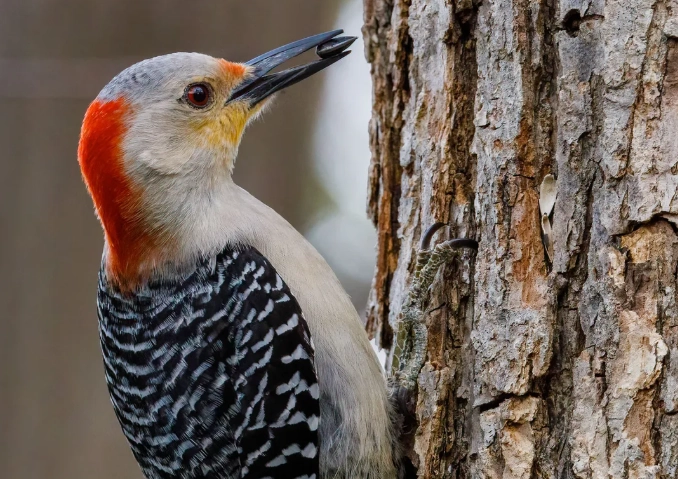
They also have a shorter, single-syllable "cha" or "chiv" note. It's sharper and less rolling.
A great way to familiarize yourself is to listen to the authentic recordings on the Cornell Lab of Ornithology's All About Birds page for the Red-Bellied Woodpecker. It's an authoritative resource I use all the time to double-check sounds.
Then there's the drumming. All woodpeckers drum, but it's not just about finding food. In spring, drumming is their version of singing—a rapid, loud tattoo on a resonant dead branch (or sometimes your gutter or siding, much to many homeowners' chagrin). A red-bellied woodpecker's drum is a steady, fairly fast roll that lasts about a second. It's not as slow and powerful as a Pileated's, nor as rapid-fire as a Downy's. It's just… theirs.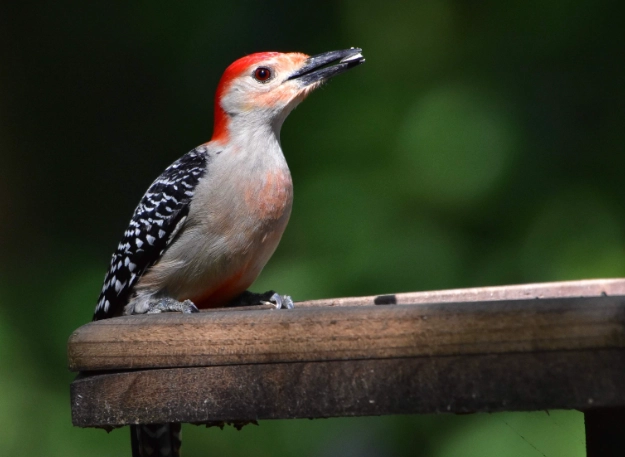
You know what's funny? I used to think the drumming on my metal chimney cap was a squirrel. Nope. Just a very determined, very acoustically-minded Red-Bellied.
Home Sweet Home: Where They Live and What They Eat
These birds are true easterners. Their range is firmly rooted in the deciduous and mixed forests of the eastern United States, stretching from southern Minnesota and New England all the way down to Florida and the Gulf Coast, and west to the Great Plains. They've been slowly expanding their range northward over the past few decades, which ornithologists think might be linked to climate change and the increased availability of backyard feeders.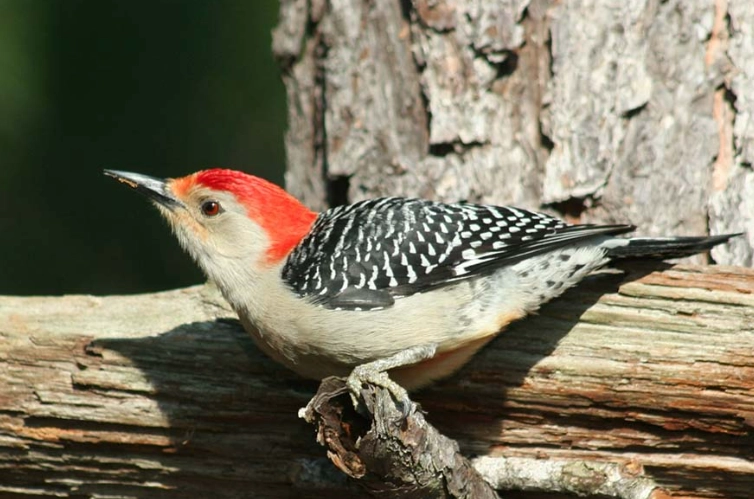
They're not super picky about habitat. You'll find them in:
- Mature hardwood forests (they love oaks, hickories, and beeches).
- Wooded swamps and river bottoms.
- Orchards and pine stands (if there are some hardwoods mixed in).
- And, most relevant for us, suburban backyards and parks with plenty of large trees.
They need trees. Not just for food, but for nesting cavities. A yard with a few big, old trees is like a five-star hotel for a Red-Bellied Woodpecker family.
What's on the Menu? From Insects to Suet
This is where they become real backyard favorites. They are omnivorous opportunists with a varied diet that changes with the seasons.
In spring and summer, they're master foragers. They use their strong bills to:
- Probe under bark for beetle larvae, ants, and other insects.
- "Glean" insects from tree trunks and branches.
- Even catch insects in mid-air sometimes, which is a pretty cool sight for a woodpecker.
Come fall and winter, they switch gears. This is when they rely heavily on plant matter, and why they become such loyal feeder visitors. Their favorites include: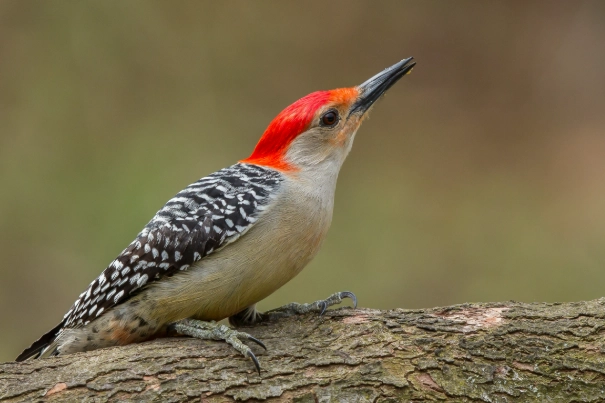
Top 5 Foods to Attract a Red-Bellied Woodpecker:
- Suet: This is the ultimate draw. They adore it, especially blends with peanuts or berries.
- Peanuts: Shelled or in-shell, offered in a mesh feeder or tray. They'll hammer them open with gusto.
- Black Oil Sunflower Seeds: They'll cling to a tube feeder and expertly extract seeds.
- Fruit: Slices of orange, apple, or even grapes. They have a sweet tooth.
- Mealworms: Live or dried—a fantastic protein-packed treat, especially during breeding season.
They also cache food. I've watched one stuff peanuts into cracks in the bark of my maple tree, then come back hours later to retrieve them. It's like they have a pantry scattered all over the neighborhood.
The Great Confusion: Red-Bellied vs. Red-Headed Woodpecker
This is the big one. The mix-up that drives birders nuts and is probably the number one reason people end up searching for information. Let's clear it up, once and for all.
The Red-Headed Woodpecker is a stunner. Its head is a deep, blood-red all over—the entire head, front and back, throat and neck. It looks like it's wearing a red hood. Then, it has a jet-black back, and large, square white patches on its wings that are very obvious in flight. Its underparts are white. It's a bold, piebald pattern.
The Red-Bellied Woodpecker, as we now know, has a red stripe (not a full hood), a complexly barred back, and no large white wing patches. Its underparts are pale gray-buff, not crisp white.
I'll admit, from a distance on a cloudy day, a quick glance at a male Red-Bellied's red cap can still give me a momentary thrill of "Is it a Red-Headed?!" But a second look at the back pattern always tells the truth. The Red-Headed is also becoming less common in many areas, so if you're in a typical suburban yard east of the Rockies, you're far more likely seeing the adaptable Red-Bellied.
| Identification Point | Red-Bellied Woodpecker | Red-Headed Woodpecker |
|---|---|---|
| Entire Head | Red crown and nape only (male) or red nape only (female). Face is grayish. | Entire head, neck, and throat are solid deep red. |
| Back | Prominent black-and-white horizontal barring ("ladder back"). | Solid, glossy black. |
| Wings in Flight | Barred pattern continues; no large solid white patches. | Large, conspicuous white wing patches on the trailing half. |
| Underparts | Pale gray-buff to light tan. | Clean white. |
| Conservation Status | Common and population stable or increasing. | Near Threatened in some regions; populations have declined. |
Life Cycle and Backyard Habits
Watching a pair of Red-Bellied Woodpeckers raise a family is one of the great joys of backyard birding. They're diligent parents and fascinating to observe.
Nesting: The Cavity Engineers
Like most woodpeckers, they are primary cavity nesters. This means they excavate their own nest holes in dead trees or dead limbs (snags). They rarely use old holes from other years, preferring to carve out a new one each spring. This is incredibly important for forest ecosystems, as these abandoned holes later provide homes for bluebirds, chickadees, flying squirrels, and countless other species that can't make their own.
The nest cavity is usually 10-50 feet high. Both sexes work on digging it out, which can take weeks. The entrance hole is perfectly round, about 2-2.5 inches in diameter—just big enough for the adults to squeeze through. Inside, they don't add any nesting material; the eggs are laid right on the wood chips at the bottom.
They lay 4-5 pure white eggs. Both parents incubate for about 12-14 days. Once the young hatch, it's a non-stop shuttle service of insects for another 3-4 weeks until the noisy youngsters fledge. You'll know when the babies are close to leaving—the hole becomes a gaping maw emitting constant, raspy begging calls.
Year-Round in Your Yard
Outside of breeding season, Red-Bellied Woodpeckers are often solitary or found in loose pairs. They don't typically form large flocks like some birds, but you might see a few at a well-stocked feeder during winter.
Their foraging technique is fun to watch. They hitch up tree trunks in that classic woodpecker spiral, but they also spend a surprising amount of time on larger branches, sometimes even hanging upside-down like a nuthatch to investigate a cluster of seeds or berries. They're not as relentlessly vertical as a Downy Woodpecker.
A question I get a lot: Do they damage houses? It's possible, but less common than with the larger Pileated Woodpecker or the sapsuckers. They might drum on metal siding or gutters for sound, and very rarely, if a house has lots of insect damage (like carpenter bees) in the wood, they might go after it. But generally, they're not a major pest. Providing good suet and nuts usually keeps them focused on the feeder, not your fascia board.
Their Role in the Ecosystem (It's Bigger Than You Think)
You might just see a cool bird at your feeder, but the Red-Bellied Woodpecker is a keystone species in its woodland habitat.
First, by creating new nesting cavities every year, they provide a critical housing resource for over 40 other species. From the tiny Carolina Wren to the American Kestrel, many creatures depend on the real estate market started by woodpeckers. The U.S. Fish & Wildlife Service often highlights the importance of cavity excavators in forest management plans for this very reason.
Second, they are important controllers of wood-boring insects. Their foraging helps keep populations of potentially damaging beetles and borers in check.
Third, they aid in seed dispersal. When they eat fruits and nuts, they sometimes carry them away and drop them, or the seeds pass through their digestive system unharmed, helping to regenerate forests.
So, by supporting a Red-Bellied Woodpecker in your yard, you're supporting a whole little ecosystem.
Frequently Asked Questions (The Stuff You're Actually Wondering)
Are Red-Bellied Woodpeckers rare or endangered?
Not at all. In fact, they're one of the most common and widespread woodpeckers in the eastern U.S. According to long-term data from sources like the Cornell Lab of Ornithology, their populations have been stable or even increasing over the past several decades. Their adaptability to human-altered landscapes and backyard feeding has served them well.
Do they migrate?
Mostly no. They are considered permanent residents throughout their range. However, individuals in the very northern edges of their range (like in the Great Lakes region) might move short distances south during harsh winters if food is scarce. But if you have a feeder, they'll likely stick around all year.
How can I tell a young Red-Bellied Woodpecker from an adult?
Juveniles look like a washed-out, duller version of the adults. Their barring is less crisp, their overall color is grayer or browner, and the red on the head is either absent or just a faint, small patch on the crown. They often have a bit of a scruffy appearance. Within a few months after fledging, they'll molt into their adult plumage.
Why is it called "red-bellied" if the belly isn't very red?
Ah, the eternal question. It's a historical naming quirk. Early ornithologists naming birds from collected specimens likely had the bird in hand and could clearly see the pinkish wash on the belly. In the field, it's a terrible field mark. Many birders agree it's one of the worst-named common birds in North America. We're just stuck with it!
What should I do if a Red-Bellied Woodpecker is drilling on my house?
First, don't panic. It's usually drumming for communication, not trying to excavate a nest. Try these steps:
- Provide an alternative: Hang a large, solid suet feeder or a "woodpecker block" (a block of seeds and suet) on or near the spot they're hitting. Often, they'll switch to the easier food source.
- Break up the reflection: If it's a window trim or gutter, sometimes they're attacking their own reflection. Temporarily hanging a windsock, streamers, or netting over the area can break the reflection and discourage them.
- Scare tactics: Temporary visual deterrents like hanging old CDs, flash tape, or predator decoys (like a plastic owl) can work, but you need to move them every few days so the birds don't get used to them.
- As a last resort: If the damage is becoming severe and it's truly nesting (creating a large, deep hole), you may need to consult a wildlife professional. Remember, they are protected under the Migratory Bird Treaty Act, so active nests cannot be disturbed.
Most of the time, the drumming is a brief springtime behavior that stops on its own.
So there you have it. From that confusing first glimpse of red in the trees to understanding their chatter and even appreciating their minor housekeeping quirks, the Red-Bellied Woodpecker is a backyard gem. They're resilient, entertaining, and a vital part of the world right outside your window. Keep the suet stocked, listen for that rolling churr, and enjoy the show. You're now officially in the know.
Reader Comments