I remember the first time I saw one clearly. Perched on a barbed wire fence in a Texas pasture, it looked like a chunky, gray-and-white songbird with a serious attitude—a black bandit's mask across its eyes. It was stock-still, scanning the grass. Then it dropped, grabbed a large grasshopper, and flew back not to a nest, but to a nearby thorny mesquite branch. It proceeded to impale the insect on a sharp thorn, leaving it there like some grotesque larder. That's when I knew I wasn't looking at just any songbird. I was watching a Loggerhead Shrike, North America's own fascinating and ferocious "butcher bird." If you've seen a bird that looks like a mockingbird but acts like a tiny hawk, you might have spotted one too. Let's unravel the mystery of this unique predator.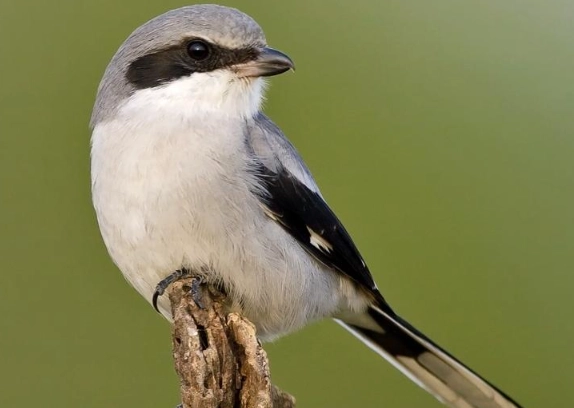
In this article
What Exactly Is a Loggerhead Shrike?
The Loggerhead Shrike (Lanius ludovicianus) is a paradox wrapped in feathers. Taxonomically, it's a passerine—a perching songbird. But its lifestyle is pure raptor. It lacks the powerful talons of a hawk or falcon, so it's evolved a different toolkit: a strong, hooked beak and a brutal, ingenious caching behavior. The "loggerhead" name refers to its relatively large, blocky head compared to other shrikes. They're about the size of an American Robin, but denser, with a attitude that says "don't mess with me."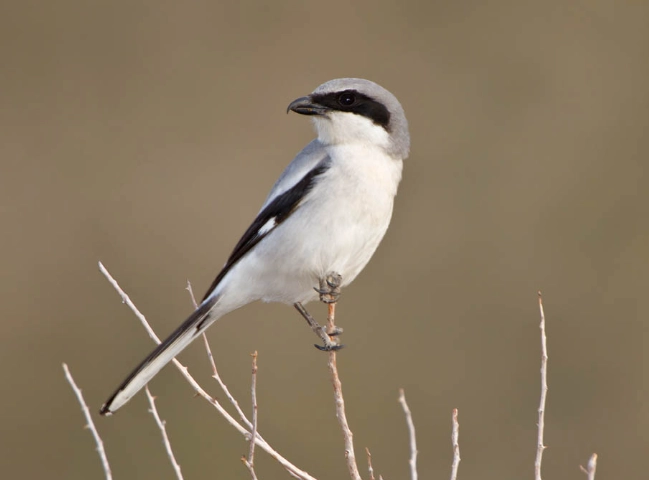
Key Takeaway: Don't let the songbird classification fool you. This bird is an opportunistic predator of insects, small rodents, reptiles, and even other birds. Its ecological role is closer to that of a small raptor than a seed-eating finch.
How to Spot and Identify a Loggerhead Shrike
Misidentification is common. From a distance, people often mistake them for Northern Mockingbirds or even Northern Shrikes (a winter visitor). Here’s your field guide cheat sheet.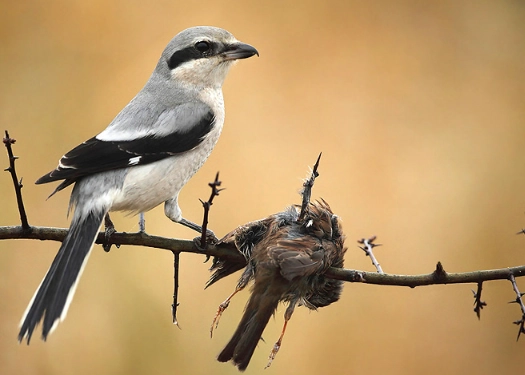
| Feature | Loggerhead Shrike | Northern Mockingbird | Northern Shrike (Winter) |
|---|---|---|---|
| Size & Shape | Stocky, large-headed, short tail. Perches upright. | Slimmer, longer tail, more graceful. | Larger, bulkier, with a longer, thinner mask. |
| Black Mask | Thick, bold band across eyes and forehead, like a Zorro mask. Does not extend above the eye. | No mask. Has a white eye stripe and gray face. | Thinner mask that often extends above the eye towards the forehead. |
| Bill | Strong, noticeably hooked at the tip (like a tiny hawk's beak). | Straight, thin, insect-eating bill. | Hooked, but larger and more robust. |
| Wings in Flight | Flash of white in primary feathers (outer wing) and at base of tail. Flight is swift, direct, with rapid wingbeats. | Large white wing patches, but shows them more on ground. Flight is slower, more fluttering. | White wing patches, but less prominent. Flight is more undulating. |
| Typical Perch | Exposed, high vantage points: fence lines, utility wires, lone tree tops, signposts. | Fences, bushes, but also on lawns. More varied. | Similar to Loggerhead, often higher in trees. |
| Behavior | Still, watchful. Sudden drop to ground for prey. Infamous for impaling prey. | Active, often running on ground, frequently singing and mimicking. | Similar hunting style, but more aggressive towards birds. |
The single most reliable field mark, in my experience, is that black mask that cuts straight across the eye and doesn't creep up the forehead. Combine that with the hooked bill and the exposed perch, and you've got your bird.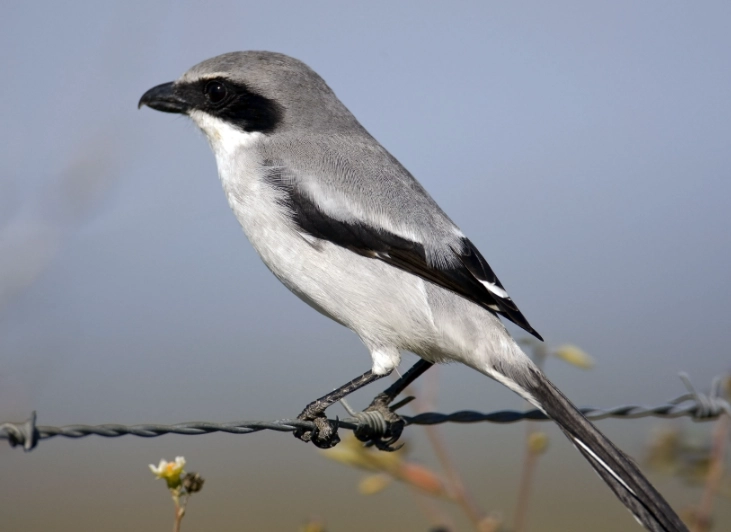
The One Mistake Even Experienced Birders Make
They look for the impaled prey first. It's a dramatic behavior, but it's not something you see every time you spot a shrike. The bird doesn't always have a fresh kill to display. Relying solely on finding a "shrike larder" will cause you to miss many, many birds. Focus on the structural and plumage clues in the table above first. The behavior is the fascinating bonus.
The "Butcher Bird" Behavior Explained
So why the macabre habit of impaling prey on thorns, barbed wire, or even the sharp edges of metal signs? It's not for show. It's a critical survival adaptation.
- Food Processing: Their feet aren't strong enough to hold large prey down like a hawk's talons. The thorn or wire acts as a vise, allowing them to use their hooked bill to tear apart tough insects, rodents, or birds.
- Food Storage: It's a pantry. During times of abundance, they cache food for leaner days. This is a sign of remarkable planning for a songbird.
- Mate Attraction: A well-stocked "larder" can signal to potential mates that the male is a proficient hunter, a valuable trait.
I once found a fence line in Oklahoma that was a shrike's masterpiece. Over about 50 yards, I counted three grasshoppers, a small lizard, and a vole, all neatly spiked on different barbs. It was a stark reminder of their efficiency.
Where and When to Find Them
Loggerhead Shrikes are birds of open country. Think grasslands, pastures, agricultural fields, deserts with scattered shrubs, and even some suburban areas with large, open lawns and fence lines. They need perches for hunting and thorny vegetation for impaling.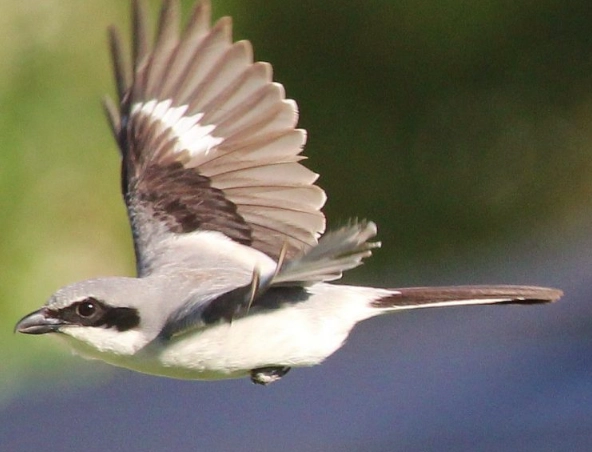
Their range covers much of the southern half of North America, but it's patchy and declining. They are year-round residents in the southeastern U.S. and parts of the southwest. In summer, they expand northwards into the Great Plains and parts of the northern U.S. and southern Canada. Check range maps from the Cornell Lab of Ornithology for your specific area.
Best time to look: Early morning or late afternoon, when they are most active hunting. Drive or walk along rural roads with fence lines, scanning every post and wire.
Why Are Loggerhead Shrikes Disappearing?
This is the sobering part. According to the North American Breeding Bird Survey, Loggerhead Shrike populations declined by about 76% between 1966 and 2019. They are listed as a species of conservation concern across most of their range. The causes aren't simple, but a combination of factors:
- Habitat Loss: The conversion of grasslands and pastures to intensive agriculture or development removes their hunting grounds.
- Clean Farming: The removal of fencerows, hedgerows, and lone trees eliminates their crucial hunting perches and impaling sites.
- Pesticides: They can accumulate toxins through their insect and rodent prey, leading to poisoning or reduced reproductive success.
- Collisions: Like many birds, they are vulnerable to vehicle strikes and window collisions.
The subtle killer that doesn't get enough attention? The loss of "messy" landscapes. Our desire for tidy farms and manicured parks removes the very structural complexity—the thorny bushes, the untrimmed hedges, the dead snags—that shrikes depend on.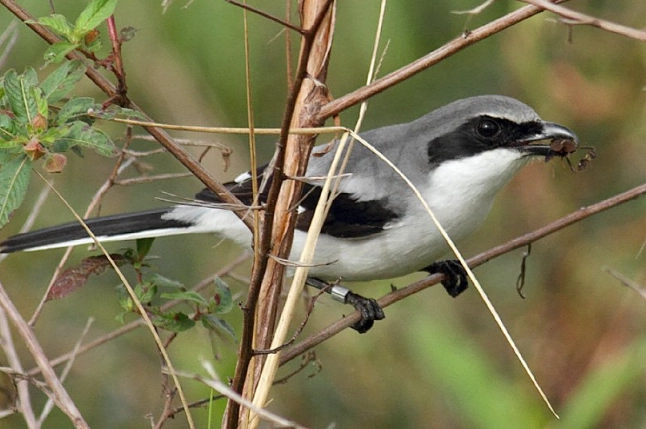
How You Can Help: A Practical Guide
You don't have to be a conservation biologist to make a difference. If you have land, or influence over land management, here are concrete steps.
For Landowners and Farmers
- Leave Fencerows Wild: Allow native, thorny vegetation like hawthorns, roses, or blackberries to grow along fence lines. This provides perches and larders.
- Install Hunting Perches: In large, open fields, consider putting up simple T-perches (a 8-10 ft post with a crossbar). It gives them a vantage point.
- Reduce Pesticide Use: Embrace integrated pest management. A healthy shrike population can help control grasshoppers and rodents naturally.
For Backyard Birders in Suburban Areas
If you live on the edge of open space and have a large property:
- Plant a Thorny Hedge: Instead of a pristine privet, plant a native, berry-producing thorny shrub border. It offers food and impaling sites.
- Report Your Sightings: This is huge. Use apps like eBird or iNaturalist. Your data helps scientists track populations and identify critical habitats. A single sighting pinpoints a location that might need protection.
- Keep Cats Indoors: This is non-negotiable for all ground-feeding and low-perching birds, including shrikes.
Your Loggerhead Shrike Questions Answered
I think I have a Loggerhead Shrike coming to my backyard. What should I put out to feed it?
Don't put out traditional birdseed or suet—they won't touch it. Shrikes are live-prey hunters. The best way to "feed" them is to cultivate a healthy, pesticide-free yard that attracts large insects like grasshoppers, crickets, and beetles. A small brush pile can harbor prey. Trying to offer them meat scraps is not recommended and can create dependency or health issues.
Are Loggerhead Shrikes dangerous to small pets?
No. Their typical prey maxes out at the size of a small mouse or a sparrow. They pose no threat to cats, small dogs, or chickens. The stories of shrikes attacking pets are myths or cases of misidentification (likely a Cooper's Hawk).
Why do they sometimes impale prey but not eat it right away?
That's the caching behavior. It's like putting groceries in the freezer. They might be hunting more than they can immediately consume, or they might be storing food for a mate sitting on eggs, or for a day when hunting is poor. Finding an old, desiccated prey item means you've located a shrike's territory, even if the bird isn't there at that moment.
How can I tell a Loggerhead Shrike from the similar Northern Shrike?
Range and timing are your first clues. Northern Shrikes are only in the southern parts of the U.S. during winter (Nov-Mar). If you see a shrike-like bird in July in Texas, it's a Loggerhead. Visually, look at the mask: Loggerhead's is thick and cuts straight across, not extending above the eye. The Northern's mask is thinner and often appears to "wiggle" up over the bill towards the forehead. Northern Shrikes are also paler gray overall.
What's the biggest threat to Loggerhead Shrikes that most people don't know about?
The insidious loss of hunting substrates. It's not just about having open land; they need perches every 50-100 meters to hunt effectively. Modern, vast monoculture fields with no fence posts, no shrubs, no variation are ecological deserts for them. The shift from wooden fence posts to metal T-posts (which they can still use) to continuous wire fencing is a quiet disaster. Supporting agricultural practices that maintain landscape heterogeneity is critical.
Spotting a Loggerhead Shrike is a special event, a glimpse into a more complex and gritty natural world than our typical backyard birdfeeder scene. They are survivors, adapters, and fascinating predators. But they are slipping away quietly. By learning to identify them, understanding their needs, and reporting where we see them, we become part of the effort to ensure this unique "butcher bird" remains a part of the North American landscape. Next time you're on a country drive, scan those fence posts. You might just lock eyes with a tiny, masked hunter.
Reader Comments