You hear them more than you see them. A rhythmic chant from a dark wood, a sharp *peent* over a city park at twilight. Nightjars and nighthawks are the masters of the in-between hours, wrapped in cryptic plumage that makes them vanish against the forest floor. For years, I thought they were just impossible. Then I spent a summer volunteering on a survey project, and the secrets started to unravel. This guide isn't just a list of facts. It's the stuff you learn after a dozen frustrating, mosquito-filled evenings, finally figuring out how to get a good look.
Your Quick Guide to Nightjar Success
The Gear You Literally Can't Skip
Forget birding during the day. Nocturnal birding is a different sport, and your usual kit needs a night shift upgrade.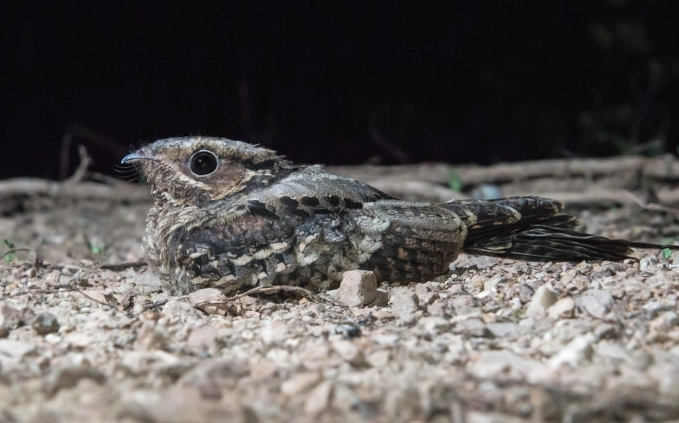
Binoculars with large objective lenses (42mm or larger) are non-negotiable. They gather more light. I made the mistake of using compact 32mm ones for years and wondered why I could never see any detail. Something like an 8x42 is the sweet spot. Magnification any higher makes the image too shaky in low light.
A red-light headlamp is your best friend. White light destroys your night vision and will scare off every creature. A red light preserves your vision and is less disturbing to wildlife. Don't just get any headlamp; make sure it has a dedicated red LED mode. It's for reading maps, checking your footing, and glancing at a field guide, not for scanning the trees.
Insect repellent and quiet clothing. This is practical, not just comfortable. If you're slapping mosquitoes every two minutes, you're making noise and movement. Wear long sleeves and pants treated with permethrin. Trust me.
One piece of gear most lists forget: a small, portable seat or a ground cloth. You will be sitting still for long periods. Your patience increases tenfold if you're not getting a cramp or a wet backside.
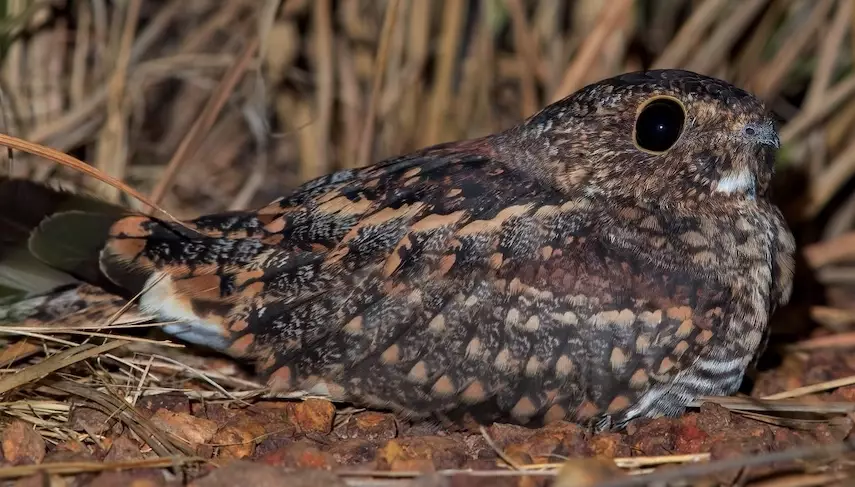
Telling Them Apart: It's All in the Sound and Shape
This is where most beginners get tangled. In low light, color is meaningless. You're looking at silhouettes and listening for audio signatures.
The big, often overlooked, distinction is that in North America, "nighthawks" (like the Common Nighthawk) are actually a type of nightjar. But their behavior sets them apart. Think of them as the city cousins.
| Bird | Key Identification Sound | Typical Habitat & Behavior | Visual Clue (in low light) |
|---|---|---|---|
| Common Nighthawk | Sharp, nasal "PEENT" heard in flight. | Open skies over cities, towns, fields. Often seen at dusk hawking for insects. | Long, pointed wings with a distinct white bar near the tip. Erratic, darting flight. |
| Eastern Whip-poor-will | Repetitive, rhythmic "whip-poor-WILL" sung from a perch. | Dry, open deciduous or mixed forests. Sits on leaf litter or low branches. | Rounded wings, short tail. When flushed, flight is silent and moth-like. |
| Common Poorwill | Clear, whistled "poor-will" or a softer "poor-will-ip." | Arid scrub, canyonlands, open pinyon-juniper woods in the West. | Smaller, more rounded than other nightjars. Often found on gravel roads at night. |
See? It's not about memorizing feather patterns. It's about linking a sound to a behavior and a place. If you hear a repetitive call from a dark woods, it's likely a Whip-poor-will on a perch. If you hear a sharp *peent* from the open sky above streetlights, you've got a nighthawk.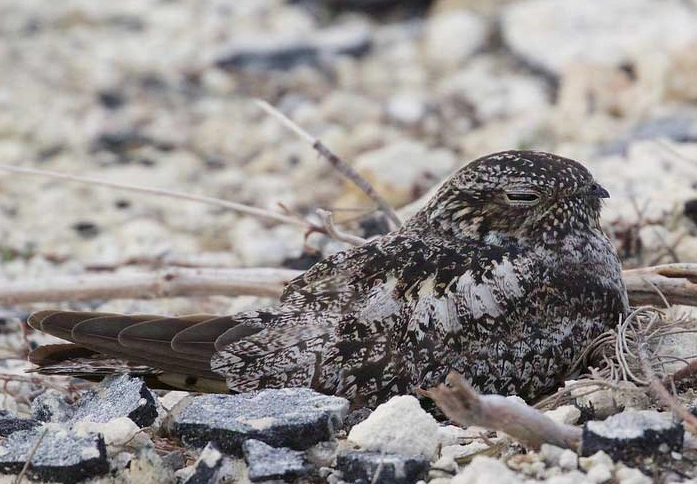
The Wing Bar vs. The Tail Band
If you do get a silhouette against the twilight sky, here's a quick visual hack. Male Common Nighthawks show a bright white bar across the wing (primaries). It's very conspicuous. Most true nightjars (Whip-poor-wills, Poorwills) lack this. Instead, males often have bright white corners on the tail, which you might see when they flare their tail in flight. This tail band is usually harder to see than the nighthawk's wing bar.
When and Where: Timing is Everything
You can't just go out any night. These birds have schedules, and their activity is tied to light levels and insects.
The Best Season: Late spring through summer. This is when they are on territory, calling to attract mates and defend space. In much of North America, May to July is prime time. Early fall migration can also be good for nighthawks.
The Best Time of Night: The magic window is the first 60-90 minutes after sunset. This is when they wake up and start vocalizing most intensely. Dawn is the second-best period. The middle of the night is usually quiet, though a full moon can stir some activity.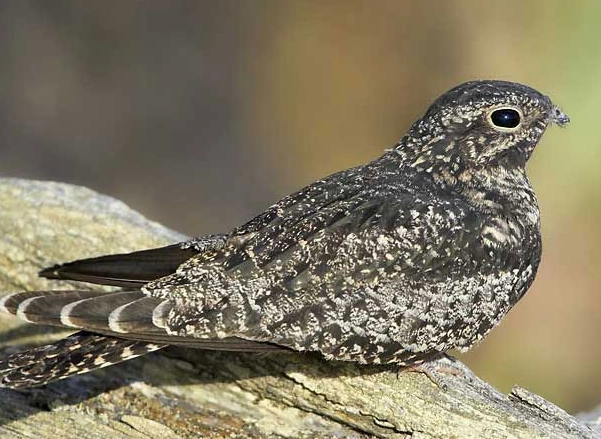
The Best Places to Look:
- For Common Nighthawks: Don't go deep into the wilderness. Try large parks, athletic fields, cemeteries, or downtown areas with tall buildings at dusk. They nest on flat gravel rooftops. I've had my best views over suburban baseball diamonds.
- For Eastern Whip-poor-wills: Look for dry, open woodlands with sandy or leafy soil. Forest edges, powerline cuts through woods, and oak barrens are classic spots. They avoid dense, wet forests.
- For Common Poorwills: Head west to arid scrub, desert foothills, and open pinyon-juniper forests. They are famous for roosting right on the ground on gravel roads—drive slowly at night in appropriate areas.
Check resources like eBird (run by the Cornell Lab) for specific hotspot suggestions near you. Look for recent checklists that mention your target species.
Expert Field Tactics That Actually Work
Here's the field craft they don't put in the books.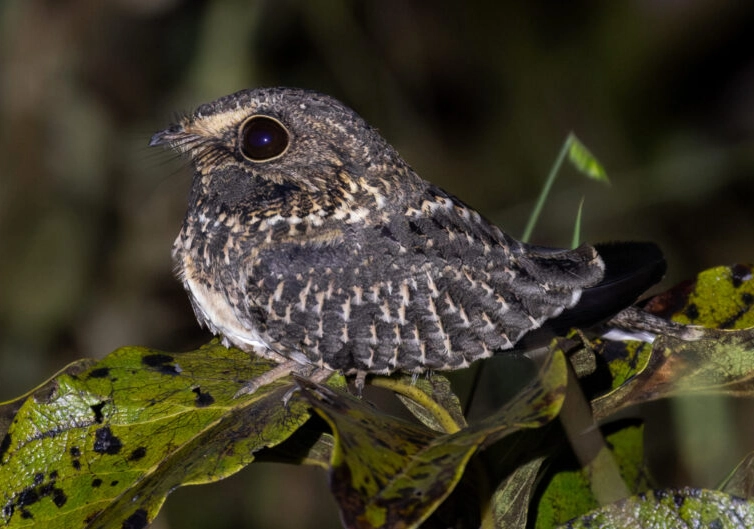
1. The Sit-and-Wait is Superior to the Walk-and-Scan. Your instinct is to move to find the bird. Fight it. Find a promising habitat edge at dusk. Sit down against a tree, get comfortable, and just listen for 20 minutes. Let the birds get used to your silent presence. You'll hear more, and you're more likely to see one fly past.
2. Use Your Ears, Then Your Eyes. Your ears are your primary sensor at night. Pinpoint the direction of a call. Then, slowly raise your binoculars to that general area. Look for movement against the slightly brighter sky near the horizon or in a forest gap.
3. The Red Light is for You, Not the Bird. Never shine any light directly into the habitat to "search" for birds. You'll just spook them. The red light is for checking your path so you don't trip, or for a quick glance at your phone or guide. If you must light an area, point it at the ground near your feet.
4. Learn One Local Sound First. Don't try to memorize all North American nightjar sounds at once. Are you in the East? Just learn the Whip-poor-will's song and the Common Nighthawk's *peent*. Go out with the goal of recognizing just those two. Success builds confidence.
I remember one evening in upstate New York. I'd heard Whip-poor-wills for an hour but seen nothing. I finally just sat still on a log. Ten minutes later, one landed on the dirt road just 15 feet away, completely unaware of me. It sat there for a full minute, a perfect silhouette, before melting back into the woods. That never would have happened if I'd been walking.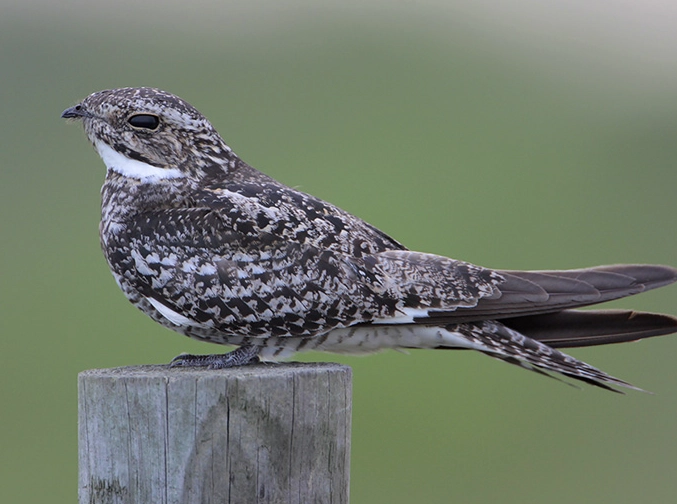
Your Nightjar Questions, Answered
Finding these twilight ghosts takes a shift in mindset. It's slower, quieter, and more about listening than looking. But when you finally match that haunting call to a shadow slipping between the trees, it feels less like spotting a bird and more like being let in on a secret. Grab your red light, pick a spot, and give it a try. The woods after dark have a lot to say.
Reader Comments