You're out there, scanning the horizon. A dark speck appears, circling effortlessly on a thermal. Is it a Red-tailed Hawk? A Cooper's? You fumble with your gear, trying to get a steady, clear view, but by the time you focus, it's a blurry shape disappearing behind a tree line. Sound familiar? I've been there. The right hawk watching gear isn't about having the most expensive toy; it's about having the right tool that disappears in your hands, letting you connect with the bird, not fight your equipment.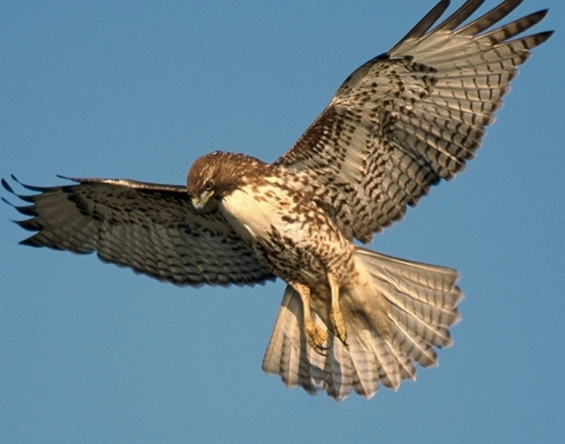
What's Inside This Guide?
Binoculars 101: The Numbers That Matter for Hawks
Let's cut through the jargon. When you see "8x42" or "10x50" on a binocular, here's what it actually means for spotting a distant Red-shouldered Hawk.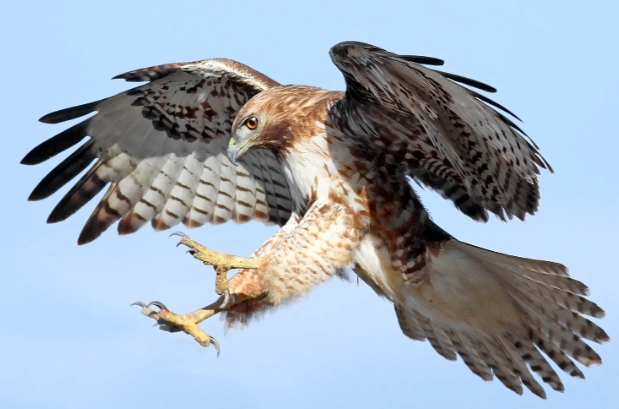
The first number (8x, 10x) is magnification. More power seems better, right? Not always. For hawks, which are often viewed across fields or canyons, 8x to 10x is the sweet spot. An 8x binocular gives you a wider field of view, making it easier to find and track a moving bird. A 10x brings you closer but narrows the view and exaggerates every tiny hand shake. I made the mistake of starting with a 12x pair—every hawk looked like it was having a seizure.
The second number (42, 50) is the diameter of the objective lens in millimeters. This is your light bucket. Larger lenses (like 42mm or 50mm) gather more light, giving you a brighter, crisper image at dawn, dusk, or under thick forest canopy where you might find an Accipiter. The trade-off? Weight and size. A 50mm binocular is noticeably heavier to hold steady for long periods.
My Go-To Combo: After years of trial and error, I settled on a 10x42 configuration. It's the best balance of reach, brightness, and portability for general hawk watching. For dedicated, long-distance ridge watching, I might lean towards a 10x50. For dense woods, an 8x32 is surprisingly nimble.
Other Specs You Can't Ignore
Close Focus matters more than you think. It's not just for butterflies. A binocular that can focus down to 6 feet lets you study a perched hawk's feather details if you're incredibly lucky and stealthy. Most budget models focus around 10-15 feet.
Field of View (FOV) is measured in feet at 1000 yards. A wider FOV (e.g., 400+ ft) is a game-changer for scanning skies and following fast-moving birds like falcons. Don't just compare magnification; compare this number.
Eye Relief is critical if you wear glasses. Look for 15mm or more. Less than that, and you'll struggle to see the full image.
Beyond Binoculars: The Often-Forgotten Gear
Binoculars are the star, but the supporting cast makes or breaks the show.
A Solid Spotting Scope: For stationary watching at known migration points or nests (from a legal distance!), a scope is indispensable. While a 65mm scope is a great start, for hawks often viewed against bright sky, a 80mm to 85mm scope provides superior resolution and contrast. Pair it with a 20-60x zoom eyepiece. The Vortex Razor HD or the Celestron Regal M2 80ED are workhorses in this category. Remember, the tripod is half the system—a wobbly tripod renders a great scope useless.
The Right Clothing & Pack: This isn't fashion; it's function. Silhouette is everything. Hawks have incredible eyesight. Wear muted, earth-toned clothing (browns, greens, greys) and avoid sudden movements. A comfortable backpack with dedicated, padded compartments protects your investment. I use a pack with side-access zippers so I can grab my binoculars without taking the pack off.
Digital Tools: Your phone is a powerful aid. Apps like Merlin Bird ID by Cornell Lab of Ornithology can help confirm an ID with their photo ID feature. eBird is essential for finding hotspots and logging sightings. But here's the pro tip: put your phone on silent and in a pocket. The constant buzz of notifications shatters the concentration needed for hawk watching.
Pro Hawk Identification: It's Not Just Field Marks
Field guides show perfect profiles. Hawks in the wild are backlit, distant, and moving. You need to think like a birder, not just a reader.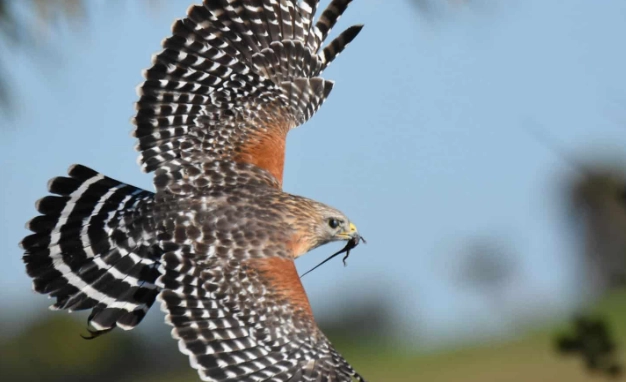
Silhouette and Flight Style (GISS): This is the master skill. Learn the General Impression of Size and Shape (GISS).
- Buteos (Red-tailed, Red-shouldered): Broad, rounded wings, short fan-shaped tails. Soaring often in wide circles.
- Accipiters (Cooper's, Sharp-shinned): Short, rounded wings, long rudder-like tails. Flap-flap-glide pattern, agile in woods.
- Falcons (Peregrine, American Kestrel): Long, pointed wings, long tails. Fast, powerful wingbeats; often hover (kestrel).
Before you even lift your binoculars, ask: What's its shape? How is it flying? This often gives you the answer before you see any color.
Behavioral Context: Where are you? A large hawk circling over an interstate median is almost certainly a Red-tailed. A medium-sized hawk bursting through your backyard feeder flock is likely a Cooper's. Habitat and behavior are huge clues.
Here’s a quick reference for three common and confusing hawks:
| Hawk | Key Field Mark (Adult) | Classic Silhouette | Typical Habitat |
|---|---|---|---|
| Red-tailed Hawk | Rich red tail (adults), pale belly with a band of streaking ("belly band") | Large, stocky Buteo. Wings often held in a slight "V" when soaring. | Open country, roadsides, perched on poles. |
| Cooper's Hawk | Rounded tail with broad white tip, steely blue-gray back (adult), fierce red eyes. | Cross between a football and a flying cross. Long tail, short wings. | Woodlands, suburbs, bird feeder ambushes. |
| Sharp-shinned Hawk | Square-tipped tail, tiny head projection, pencil-thin legs. | Like a Cooper's but smaller, more "headless" look in flight. | Dense woods, rapid flight through trees. |
The most common mistake I see? New birders try to identify every hawk by color first. Start with size, shape, and flight. The colors and markings confirm what you already suspect.
Reader Comments