Key Insights
Okay, let's talk about this. You're probably here because you saw a scary video online, heard a wild story from a neighbor, or just looked out at your backyard and saw a huge bird circling and thought, "Wait, is my dog safe?" The question "Can a bald eagle pick up a 25 lb dog?" pops up more than you'd think. It's one of those nature myths that feels just plausible enough to be terrifying. I remember the first time I heard it, I looked at my own 20-pound terrier mix with new, worried eyes. So, let's cut through the noise, the exaggerations, and the straight-up fake news. We're going to look at the hard facts, the biology, and what wildlife experts actually say.
My goal here isn't to scare you or to dismiss your concern. It's to give you the real picture, so you can stop worrying about Hollywood-style eagle attacks and focus on the actual, practical risks (which are far more manageable). We'll break down the eagle's actual strength, look at what they really eat, and I'll share some straightforward steps you can take to keep your pets safe. Sound good?
The Raw Power of a Bald Eagle: What Can It Actually Lift?
This is where we need to start. People see a bird with a six or seven-foot wingspan and imagine it must be like a flying forklift. The reality is more nuanced. An eagle's power is incredible, but it has very specific limits.
Bald eagles are built for grabbing fish from the water, not hauling heavy mammals into the sky. Their talons are designed to clamp down and hold slippery prey, and their flight muscles are optimized for carrying loads while flying, not just lifting dead weight straight up like a helicopter.
The Carrying Capacity Rule of Thumb: A widely cited rule among ornithologists is that a bird of prey can only carry about half its own body weight in flight. Think about that for a second. It has to take off, gain altitude, and fly to its perch or nest while carrying dinner. That's an insane athletic feat.
So, let's do the math. A female bald eagle (they're larger than males) might weigh up to 14 pounds. A big, healthy one. Using the half-body-weight rule, that puts her maximum carrying capacity at around 7 pounds. A male eagle is smaller, maybe 10 pounds, maxing out at carrying 5 pounds. Even if we're generous and say a massive eagle could manage 50-60% of its weight, we're still looking at an upper limit of maybe 8 or 9 pounds for a flight of any distance.
See the problem with the 25 lb dog idea? A 25-pound dog is like asking an average human to sprint a mile while carrying a 75-pound backpack. It's not just hard; it's functionally impossible given the biomechanics. The eagle simply couldn't generate enough lift.
They can sometimes lift slightly more than they can carry if they just need to drag something a very short distance, like pulling a heavy fish from the water's edge onto the bank. But sustained flight? No way.
What Do Eagles Normally Eat? (Spoiler: Not Dogs)
If you want to know what an animal can do, look at what it usually does. The diet of a bald eagle is a great reality check. According to the comprehensive resources from the Cornell Lab of Ornithology, their primary food is fish. They're incredible fishers.
After fish, they go for waterfowl (like ducks and coots), small to medium-sized birds, turtles, and rabbits. They are also notorious scavengers, happily eating carrion (dead animals). A lot of what people think are "attacks" are actually eagles feeding on already-dead animals, which can be misleading.
Their prey items typically range from 1 to 6 pounds. A large salmon or a big duck is towards the upper end of what they routinely handle. The idea of a bald eagle regularly hunting 25 lb animals just doesn't fit their ecological niche. It's like assuming a house cat is out hunting deer—it's the wrong scale and the wrong toolset for the job.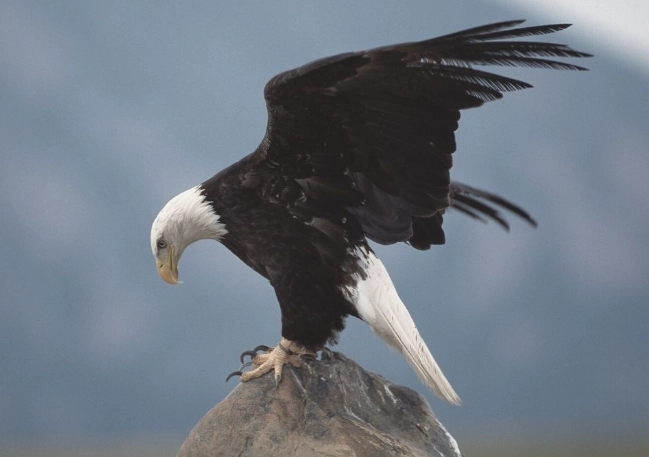
Myth Buster: That viral video you might have seen of an eagle carrying off a small dog? It's almost certainly a golden eagle (which are larger and live in more open, mountainous terrain) or, in many infamous cases, proven to be a hoax or mislabeled. The U.S. Fish & Wildlife Service, the agency that manages bald eagle conservation, has stated that reports of bald eagles taking pets are extremely rare and often exaggerated.
The Risk Factors: When Could an Eagle Pose a Danger?
Alright, so your full-grown, 25-pound Beagle is almost certainly not going to be airlifted by an eagle. I want to be very clear about that to ease your mind. But let's not swing to the other extreme and say there's zero risk for all pets. Wildlife is unpredictable, and desperate or opportunistic behavior can happen. The risk isn't zero; it's just very, very small and highly situational.
Here are the specific scenarios where an eagle (or more likely, a larger hawk or owl) might consider a pet as potential prey:
- Tiny Dogs and Cats: We're talking pets in the 2-to-6-pound range here. A teacup Yorkie, a very small kitten, a Chihuahua. These animals fall squarely within the weight range of natural eagle prey.
- Very Young or Sick Animals: An eagle is an opportunist. A puppy, a kitten, or an old/sick/injured pet that appears weak and vulnerable is at a higher risk than a healthy, alert adult. They perceive it as easier to subdue.
- Pets Left Unattended in Open Areas: This is the big one. A small pet left alone in a big, open yard with no cover or shelter is a much more tempting target than one sitting under a patio table or next to a human.
- During Eagle Nesting Season: When eagles have hungry chicks to feed, the adults are under more pressure to bring food back to the nest. This might make them slightly bolder or more willing to explore non-typical food sources, though fish and waterfowl still dominate.
Notice how "25 lb dog" doesn't appear on that list. A 25-pound dog is not a tiny dog. It's a substantial animal that would put up a significant fight. An eagle's instinct is to avoid injury at all costs—a broken wing is a death sentence. Engaging in a prolonged, dangerous struggle with a 25 lb mammal is not a good survival strategy for the eagle.
Bald Eagle vs. Other Large Birds of Prey
This is a critical point of confusion. When people imagine a giant bird taking a pet, they often picture the bald eagle because it's our national symbol and highly visible. But in North America, other birds of prey have different capabilities and habits.
Let's compare. The table below breaks down the key predators often mentioned in these discussions.
| Bird of Prey | Average Weight | Estimated Max Carry Weight | Typical Prey | Risk to Pets (Small) |
|---|---|---|---|---|
| Bald Eagle | 8-14 lbs | 4-7 lbs | Fish, Waterfowl, Carrion | Very Low (except for tiny pets |
| Golden Eagle | 7-15 lbs | 5-8 lbs | Mammals (rabbits, marmots), Birds | Moderate (known to take small lambs/fawns; a greater threat to pets in open country) |
| Great Horned Owl | 3-4 lbs | 2-3 lbs | Rabbits, Skunks, Other Birds | Moderate (nocturnal; known to take small cats/very small dogs from yards at night) |
| Red-tailed Hawk | 2-4 lbs | 1-2 lbs | Rodents, Snakes, Small Birds | Low (unlikely to target pets, but may go for very small kittens or toy breeds) |
See the difference? The golden eagle, which inhabits western mountains and open ranges, has a more mammalian-focused diet. There are documented, though rare, cases of golden eagles attacking small livestock like lambs. If you live in golden eagle territory, your vigilance should be a notch higher, but even they have limits.
The more common urban/suburban threat to very small pets is actually the Great Horned Owl. They hunt at night, are incredibly powerful for their size, and are silent flyers. Stories of missing small cats at night are sometimes attributed to them. But again, we're talking about pets in that 2-5 pound range, not a 25 lb dog.
So, when you ask, "Can a bald eagle pick up a 25 lb dog?", part of the answer involves clarifying that you're probably thinking of the right family of birds, but maybe the wrong species when it comes to the most dramatic stories.
Straightforward Pet Safety: What You Can Actually Do
Fear is useless without action. Knowing that the risk to a medium or large dog is minimal is comforting, but if you have a small pet or just want to be extra cautious, here are practical, no-nonsense steps. They're mostly just good pet ownership practices anyway.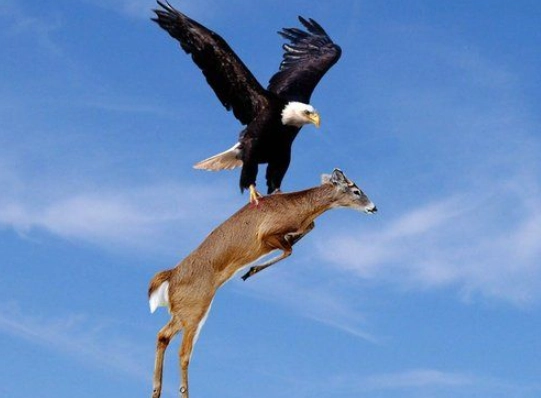
Top Safety Tips for Pet Owners in Eagle Country
- Supervision is Key: This is the number one rule. Don't leave tiny dogs or cats outside unattended, especially at dawn, dusk, or night (owl time). Your presence is the best deterrent.
- Create Cover: If your pet is in the yard, make sure there are covered areas they can retreat to—a patio with a roof, a pergola, even a large bush. Birds of prey prefer open attack lines.
- Leash Walks for Small Pets: In areas with visible bird activity, keep very small dogs on a leash during walks. It prevents them from wandering into open fields and gives you control.
- Keep Bird Feeders Away from Pet Areas: Bird feeders attract small birds, which in turn attract hawks. Don't create a fast-food alley right next to where your pet hangs out.
- Secure Outdoor Enclosures: If you have a rabbit hutch or chicken coop, make sure the top is covered with sturdy wire. A simple chicken wire roof can prevent a strike.
- Be Extra Careful During Nesting Season: Be a bit more vigilant in spring and early summer. Know if there's an active eagle nest in your area (some states have online maps).
I'll be honest, some of the "eagle-proof vests" you see online seem like overkill to me, unless you live in an area with a very dense population of large raptors and have a very tiny, vulnerable pet. For most people, supervision and common sense are perfectly adequate.
The goal isn't to live in fear or wrap your pet in bubble wrap. It's to understand the real risk so you can take sensible, proportional precautions. For a 25 lb dog, those precautions are minimal. For a 4 lb puppy, they're more important.
Answering Your Other Questions (The FAQ Section)
Could an eagle kill a dog without carrying it off?
This is a tougher, more unpleasant question. In an extremely rare, confrontational scenario, could an eagle injure or even kill a dog? Theoretically, yes, if the dog was very small, sick, or already incapacitated. An eagle's talons are sharp and powerful, designed to kill quickly. However, a healthy, alert 25 lb dog would be a formidable opponent, and the eagle's goal is almost always to avoid such a fight. There are far easier meals available. Documented cases of bald eagles killing pets are exceptionally rare. Your dog is in far more danger from cars, other dogs, or even common diseases than from an eagle attack.
What about puppies? Are they at risk?
Yes, puppies, especially of small breeds, are at a higher risk than adult dogs simply because they are smaller, weaker, and less aware of their surroundings. The same rules apply: a 10 lb puppy is much more vulnerable than a 10 lb adult dog with full reflexes and awareness. Supervision is non-negotiable for puppies outdoors.
I saw an eagle in my neighborhood! Should I panic?
No. First, take a moment to appreciate seeing such a magnificent creature. Their recovery from the brink of extinction is an amazing conservation success story. The National Audubon Society has great resources on living alongside wildlife. An eagle flying over or perching in a tree is just going about its business, likely looking for fish in a nearby body of water. It's not scouting the neighborhood for pets. Its presence is a sign of a healthy ecosystem, not a cause for alarm. Just be mindful if you have a very small pet, as you would with any potential wildlife interaction.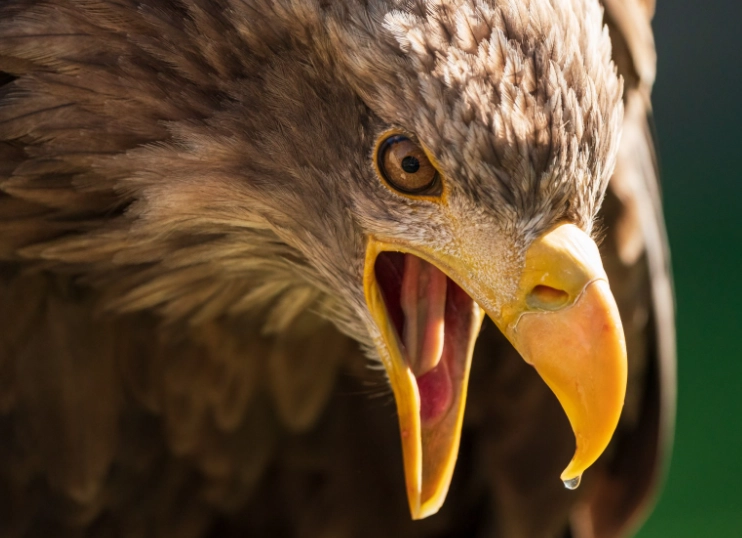
Are eagles protected by law? What if one is a problem?
Yes, bald eagles (and golden eagles) are federally protected under the Bald and Golden Eagle Protection Act and the Migratory Bird Treaty Act. It is illegal to harm, harass, or disturb them, their nests, or their eggs. This means you cannot shoot them, trap them, or attempt to scare them off in a persistent way. If you have a genuine, recurring problem with an eagle posing a threat (which is exceedingly rare), you must contact your local U.S. Fish and Wildlife Service office or your state's wildlife agency. They are the only ones with the authority to assess the situation and take legal action if absolutely necessary. Do not take matters into your own hands.
Wrapping It Up: The Clear Verdict
Let's bring this home. After looking at the physics of flight, the dietary habits, the expert opinions, and the actual recorded evidence, the answer to "Can a bald eagle pick up a 25 lb dog?" is a resounding no.
It's a biological and physical impossibility for a bald eagle to lift that much weight and fly away with it. The stories are myths, the videos are misidentified or fake, and the fear is disproportionate to the actual risk. Your 25 lb dog is safe from being carried off by an eagle.
That said, wildlife is complex. Very small pets (under ~10 lbs) can be vulnerable to eagles and other large birds of prey, especially if left alone and exposed. The smart approach is informed awareness, not paranoia.
Enjoy watching these incredible birds. Teach your kids about them. Their presence is a gift. And you can rest easy knowing that the image of an eagle snatching your medium-sized dog belongs in the realm of legend, not in your backyard.
Go give your dog a pat. They're safer than you thought.
Reader Comments