Jump Straight to What You Need
If you've ever lingered by a wetland as dusk settles and spotted a stout, hunched heron lurking in the shadows, you've likely met a night heron. These birds are masters of the twilight, and I've spent years chasing their elusive forms from Florida mangroves to urban park ponds. Let's cut to the chase: identifying and observing night herons isn't just about knowing what they look like; it's about understanding their quirky habits and the subtle signs they leave behind. In this guide, I'll share everything I've learned, including the mistakes most beginners make and how to sidestep them.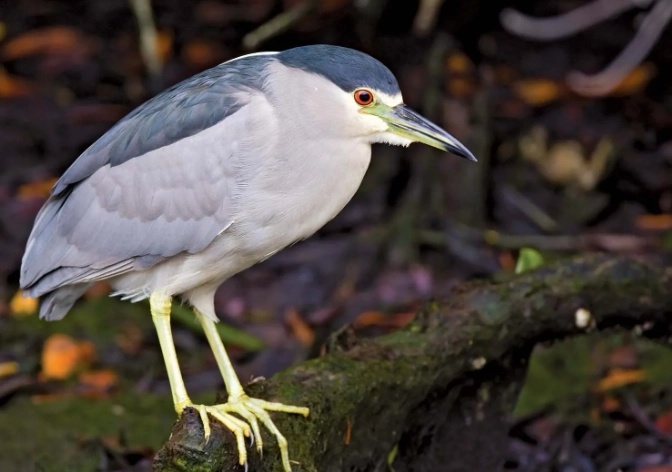
How to Identify a Night Heron
Night herons aren't your typical elegant, long-necked herons. They're stockier, with shorter legs and necks, giving them a crouched appearance. The most common species in North America is the Black-crowned Night Heron, but Yellow-crowned ones pop up in certain areas too. Here's what to look for.
Key Physical Features You Can't Miss
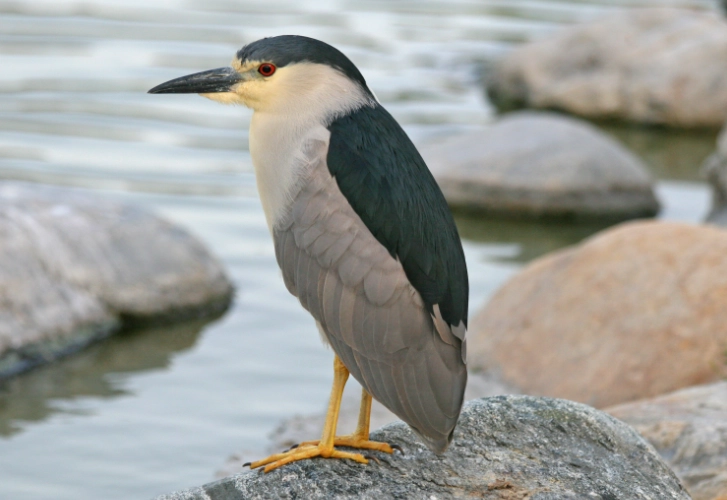
Start with the silhouette. At rest, a night heron often looks like a grumpy old man hunched over. Adults have a black cap and back (for Black-crowned) or a pale yellow crown (for Yellow-crowned), with gray wings and a white underbelly. Juveniles are trickier—they're brown with streaky plumage, and I've seen many birders confuse them with bitterns or even immature other herons.
Their eyes are red in adults, which gives them a surprisingly intense stare in low light. Legs are yellow-green, shorter than other herons, so they don't wade as deep. In flight, they look compact with quick, stiff wingbeats, unlike the graceful glide of a Great Blue Heron.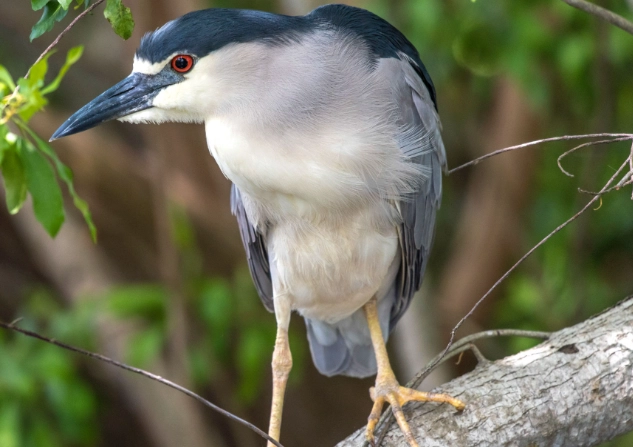
Differences from Similar Species
It's easy to mix them up. Here's a quick comparison based on my own blunders and corrections from experts at the Cornell Lab of Ornithology.
| Species | Key Identifier | Common Confusion |
|---|---|---|
| Black-crowned Night Heron | Black cap and back, red eyes, stocky build | Juvenile Green Heron (but Green Heron is smaller and darker) |
| Yellow-crowned Night Heron | Pale yellow crown, gray body, longer white head plumes | Immature Black-crowned (look for crown color and less streaking) |
| American Bittern | Streaked brown, longer neck, pointed bill | Juvenile night herons (bitterns are more secretive and prefer denser cover) |
When in doubt, check the bill: night herons have thicker, stouter bills compared to the slender ones of other herons. I learned this the hard way after misidentifying one in a blurry photo.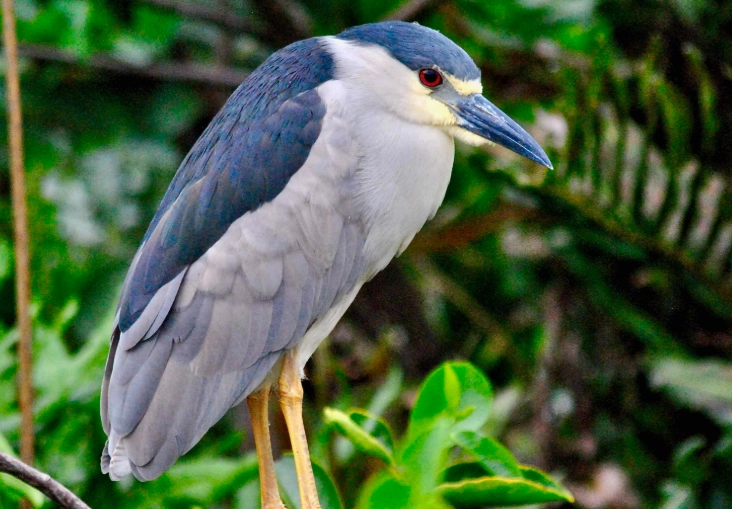
Where to Find Night Herons: Top Locations
Night herons are adaptable, but they love wetlands—marshes, swamps, river edges, and even urban ponds. They're not as shy as some birds, so you can find them in city parks if there's water and food. Based on my travels, here are specific spots where your chances are high.
- Everglades National Park, Florida: Address: 40001 State Road 9336, Homestead, FL 33034. Best time: Sunset to midnight, year-round. I've had consistent sightings near the Anhinga Trail, where they roost in mangroves. Park hours vary, but dawn and dusk access is usually open.
- Central Park, New York City: Specifically the Pond and the Reservoir areas. Best time: Early morning or late evening, especially in spring and summer. No entrance fee, but check park hours (typically 6 AM to 1 AM). I've seen Black-crowned ones here more often than I expected, lurking by the water's edge.
- San Francisco Bay wetlands, California: Locations like the Don Edwards San Francisco Bay National Wildlife Refuge. Address: 1 Marshlands Rd, Fremont, CA 94555. Best time: Evening during migration seasons (March-May and August-October). The refuge has trails open from sunrise to sunset, and night herons often forage in tidal areas.
Don't overlook local spots. I found a reliable colony in a small suburban retention pond in Texas—just Google "wetlands near me" and scout at dusk. They often roost in groups in trees over water, so look up!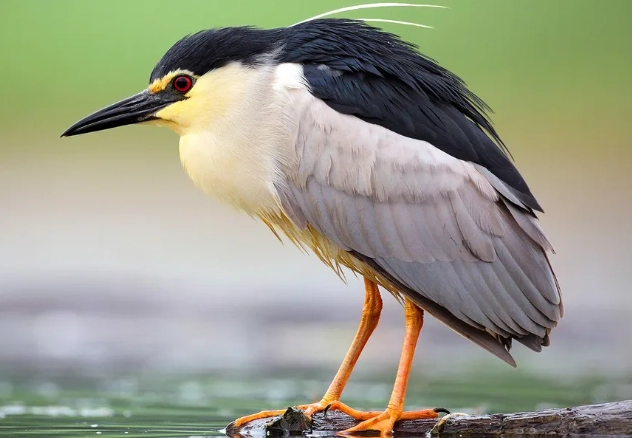
Best Times and Techniques for Observing
Timing is everything with night herons. They're crepuscular, meaning most active at dawn and dusk, but I've seen them hunting on cloudy days or even at night with a full moon. Here's how to maximize your viewing.
When to go: Aim for the hour before sunset or after sunrise. In summer, they might start foraging earlier. I've had luck around 8 PM in June, but in winter, it's closer to 5 PM. Check local sunset times and arrive 30 minutes prior.
Gear you need: A decent pair of binoculars with good low-light performance (I use 8x42s), but honestly, you don't need fancy equipment. A red-filtered flashlight can help for night viewing without disturbing them—regular white light spooks them, a mistake I made early on. Wear muted colors and move slowly; they're wary but not overly skittish if you keep your distance.
Technique: Find a comfortable spot near water with some cover. Sit still and scan the edges with your binoculars. Look for movement or those telltale hunched shapes. Listen for their call—a sharp "quok" or deeper "wok" sound, which the Audubon Society describes as a harsh croak. I once located a hidden nest just by following the noise.
Patience pays off. I spent three evenings in a row at a marsh in Ohio before spotting one, but when I did, it was worth it—they have a quirky, almost comical walk when they hunt.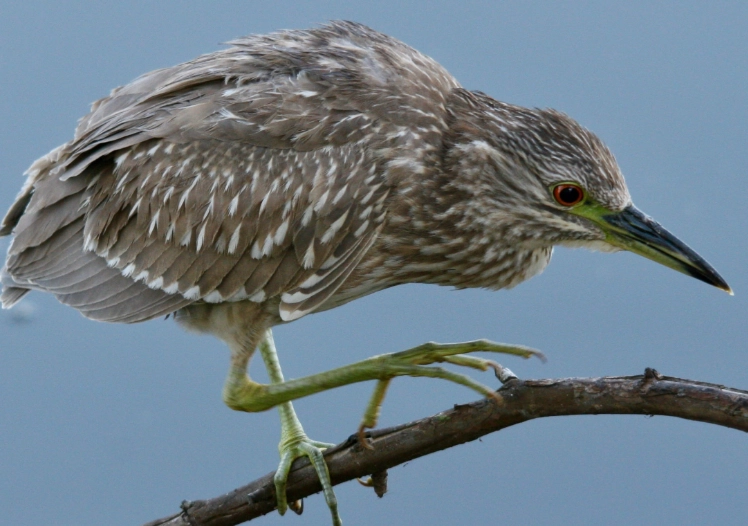
Common Mistakes and How to Avoid Them
After guiding beginners, I've noticed patterns. Here are blunders that waste time and how to fix them.
Mistake 1: Looking only at eye level. Night herons often roost in trees or dense shrubs, not just on the ground. I missed a whole colony because I was staring at the water. Scan vertically too.
Mistake 2: Assuming they're nocturnal only. While they prefer low light, they can be active during the day, especially in overcast weather or when feeding young. Don't limit your searches to night.
Mistake 3: Ignoring juvenile plumage. As mentioned, juveniles look different—brown and streaky. Many birders dismiss them as "just another brown bird." Take time to study field guides or apps like Merlin Bird ID, which can help confirm sightings.
Mistake 4: Getting too close. They tolerate proximity, but if you approach directly, they'll fly off. Use natural cover and move in a zigzag pattern. I learned this after scaring one off from a prime photo op.
A non-consensus tip: Forget the myth that night herons are always solitary. In breeding season, they form loose colonies, and I've seen up to a dozen together in a single tree. Check eBird reports for recent sightings in your area—it's a game-changer.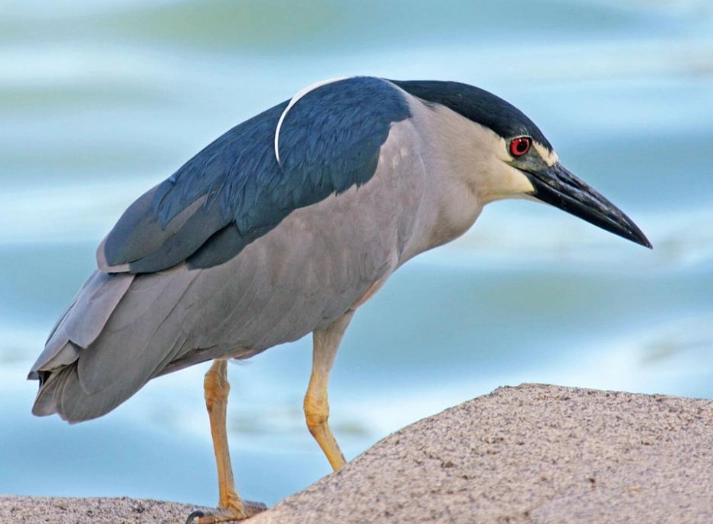
Night Heron Behavior and Ecology
Understanding their habits makes spotting easier. Night herons are opportunistic feeders—they eat fish, insects, crustaceans, and even small mammals. I've watched one swallow a mouse whole in a city park, which surprised me given their usual diet.
They hunt by standing still and waiting, then striking quickly with their bill. Their slow metabolism lets them conserve energy, which is why they can stand motionless for so long. According to research from the U.S. Geological Survey, they often use the same perches night after night, so if you find a good spot, return to it.
Breeding season varies by region, but generally, it's spring to summer. Nests are stick platforms in trees or shrubs near water. Both parents care for the young, and the chicks are noisy—a good clue if you hear squawking from a thicket.
Conservation status: Black-crowned Night Herons are common, but habitat loss affects them locally. Yellow-crowned ones are more sensitive and listed as threatened in some areas. Support wetland preservation efforts; I volunteer with local groups, and it's rewarding to see habitats restored.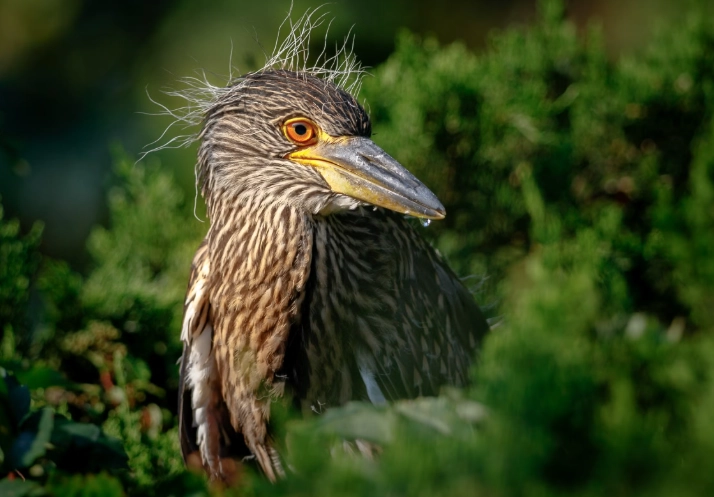
FAQ: Your Night Heron Questions Answered
Night herons are fascinating birds that bridge day and night. With these tips, you'll not only spot them more easily but also appreciate their unique role in ecosystems. Get out there, be patient, and share your sightings—it's how we all learn. Happy birding!
Reader Comments