The Arctic tundra feels like another planet. It's a vast, treeless plain where the ground is frozen solid for most of the year, and the wind has nothing to stop it. Yet, every summer, this seemingly hostile landscape explodes with life. Millions of birds arrive from across the globe, turning the silence into a cacophony of calls. These aren't just visitors passing through. They are extreme survival specialists, each with a masterclass in adaptation. If you think birdwatching is a gentle hobby, try it here. It's a raw, humbling, and utterly spectacular experience that redefines resilience.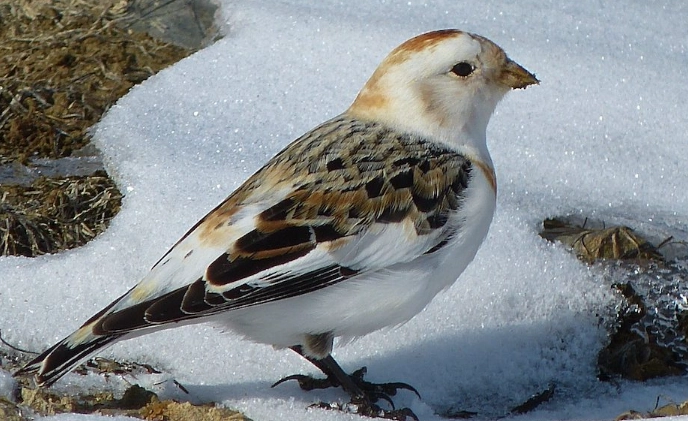
What's Inside This Guide
How Arctic Tundra Birds Survive Extreme Cold
It's not just about wearing a down jacket. The adaptations of tundra birds are engineering marvels forged by evolution. The cold is a constant enemy, and the growing season is brutally short. These birds have developed tricks that go far beyond simple migration.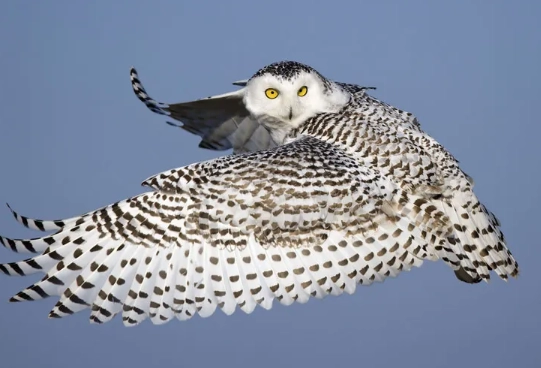
Feathers and Fat: The Insulation System
Take the Rock Ptarmigan. Its feathers are so dense they look like fur. In winter, it grows feathers on its feet, essentially creating snowshoes and insulated boots in one. Many birds, like the King Eider, pack on immense amounts of fat before winter. This isn't just stored energy; it's a vital layer of insulation. Their metabolic rates can also shift to conserve heat during brutal storms. It's a full-body, physiological overhaul for the cold.
The 24-Hour Race: Breeding and Feeding Strategies
Summer brings 24-hour daylight, and the birds use every second of it. There's no time to waste. Shorebirds like the Red Phalarope have a feeding frenzy on the explosion of mosquitoes and midges. They need to gain weight, mate, lay eggs, and raise chicks to fledging in a window often shorter than two months. Parents are constantly on duty, defending nests from predators like the Arctic Fox and the ever-watchful Glaucous Gull. The pressure is immense.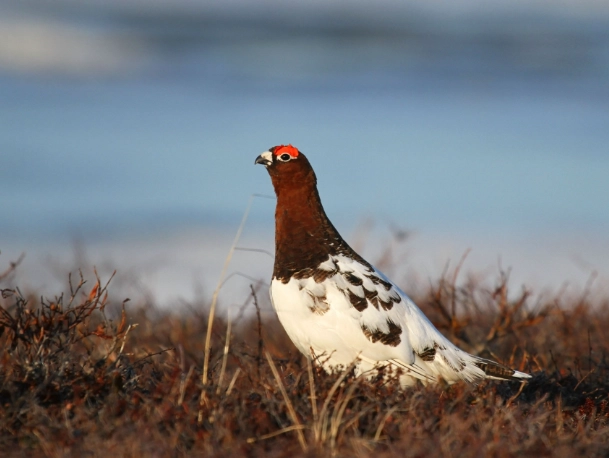
Top Arctic Tundra Birds to Spot
While there are dozens of species, a few truly define the tundra birding experience. These are the ones you'll remember.
- Snowy Owl: The ghost of the tundra. Seeing one perched on a windswept hummock is unforgettable. Males are almost pure white; females and juveniles have dark barring. They hunt lemmings, and their population booms and busts with the lemming cycle.
- Atlantic Puffin: While they nest on coastal cliffs, they forage over the Arctic seas. Their comical, colorful bills are a shocking contrast to the muted tundra palette. Seeing a puffin with a beak full of silvery fish is a classic Arctic moment.
- Long-tailed Jaeger: The elegant pirate. Sleeker than other jaegers, with streamer-like tail feathers. They don't just hunt; they aerobatically harass other birds (like terns) until they drop their food—a behavior called kleptoparasitism.
- Snow Bunting: The sound of summer. The cheerful, tinkling song of the male snow bunting, delivered from a high rock, is the soundtrack of the tundra. They are one of the first to return in spring, a sign that the ice is breaking.
- Gyrfalcon: The world's largest falcon, a powerful grey or white ghost that rules the skies. It preys on ptarmigan and other birds. Spotting one requires patience and a lot of luck, but it's the ultimate prize for many.
Your Practical Guide to Arctic Tundra Birding
This isn't a casual stroll in the park. A successful trip requires military-grade planning and the right mindset. I learned this the hard way on my first trip to Utqiaġvik, Alaska, when I underestimated the cold and my lens fogged up permanently for a day.
When and Where to Go
The season is brutally short: late May to late July. June is peak. By August, migration is in full swing and the show is over. Popular and accessible starting points include:
- Utqiaġvik (Barrow), Alaska, USA: The northernmost point in the US. Accessible by air, with guided tours available. Prime for Snowy Owls, eiders, and spectacled eiders.
- Churchill, Manitoba, Canada: Known as the "Polar Bear Capital," but its tundra biome is fantastic for birding. Accessible by train or plane. Great for ptarmigan, jaegers, and a huge variety of shorebirds.
- Northern Scandinavia (Norway, Sweden, Finland): Offers road-accessible tundra (Fjell). Easier logistics for independent travel. Look for Steller's Eider, Long-tailed Skua, and Bluethroat at the edges of the biome.
The Non-Negotiable Gear List
Your usual birding kit will fail you. Here’s what actually works:
| Item | Why It's Critical | Pro Tip / Mistake to Avoid |
|---|---|---|
| Spotting Scope | Distances are vast. You'll be scanning horizons. Binoculars alone won't cut it. | A 60-80mm objective lens gathers more light. Get a sturdy tripod—the wind will topple a flimsy one. |
| Insulated Boots | Permafrost means the ground is cold year-round, even in summer. Cold feet ruin everything. | Get boots rated for at least -20°C/-4°F. Waterproof is mandatory. Trust me. |
| Layered Clothing | Weather shifts from sunny to freezing rain in minutes. Cotton kills. | Merino wool base layer, fleece mid-layer, waterproof/windproof shell. Always have a warm hat. |
| Power Banks | Cold drains lithium batteries incredibly fast. Your phone and camera will die. | Carry multiple high-capacity power banks. Keep electronics inside your jacket when not in use. |
| GPS & Physical Maps | No cell service. The tundra is featureless and disorienting. Getting lost is easy and dangerous. | A dedicated GPS device is best. Tell someone your route and expected return time. |
Ethical Observation: The Tundra is Fragile
The vegetation is slow-growing—damage can last decades. Never drive off-road. Use established paths or boardwalks when they exist. Keep a significant distance from nests. Disturbance can cause parents to abandon eggs or lead predators straight to them. Use your scope to observe from afar. The goal is to leave no trace that you were ever there.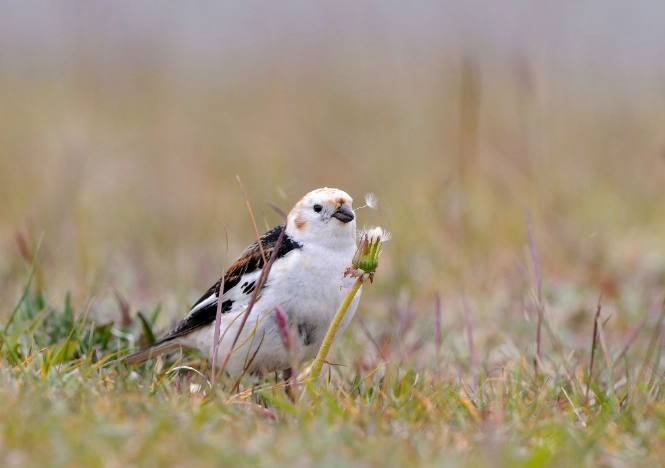
The Fragile Future: Conservation on the Tundra
The Arctic is warming at more than twice the global average rate. This isn't a future problem; it's happening now. For tundra birds, the changes are direct and threatening.
Warmer temperatures allow shrubs to grow taller, changing the open landscape species like the American Golden-Plover need. Insect hatches are mistimed with chick rearing. New predators, like red foxes, are moving north into areas once dominated by Arctic foxes. Coastal nesting birds face increased storm surges due to reduced sea ice.
Protecting these areas means supporting organizations that conduct long-term research and advocate for large-scale habitat protection. The National Audubon Society and the BirdLife International partnership have crucial Arctic programs. Data from the Cornell Lab of Ornithology helps track these shifts. It's about preserving one of the planet's last great wild nurseries.
Reader Comments