Quick Guide
So you've spotted a fluffy little ball of feathers on the ground, or maybe you're peering into a nest and see some scrawny, wide-mouthed creatures. What are they called? Is it a chick? A fledgling? A nestling? The terms get thrown around a lot, but they actually mean very specific things. Knowing the different types of baby birds and their names isn't just for bird nerds—it's practical. It helps you understand what you're looking at and, more importantly, tells you whether that baby bird needs your help or if you should just back away slowly and let nature do its thing.
I remember the first time I found a baby bird in my backyard. I panicked. It looked so helpless. I had no idea what kind of bird it was, what stage it was in, or what to do. I made some mistakes (sorry, little guy), and that's exactly why I wanted to put this guide together. Let's clear up the confusion once and for all.
The Three Main Types of Baby Birds (It's All About Development)
Forget just calling every baby bird a "chick." Ornithologists—the scientists who study birds—break down baby bird development into three main stages, each with a specific name. These names describe their physical condition and how dependent they are on their parents. Getting these terms right is the first step to being a responsible backyard birdwatcher.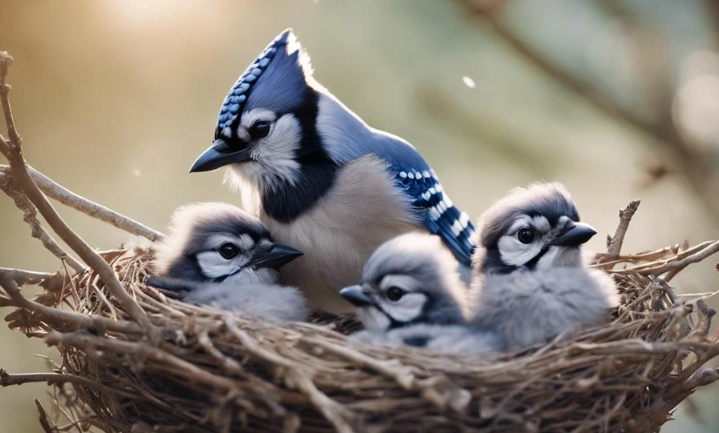
Quick Tip: The most common mistake people make is rescuing a baby bird that doesn't need rescuing. Knowing these three types can prevent that.
Hatchling: The Brand-New Arrival
Picture this: a tiny, naked, pink creature with its eyes sealed shut. It might have some sparse, wet-looking down feathers. It can't regulate its own body temperature and is completely, utterly helpless. That's a hatchling. This is the stage right after the egg cracks open. They spend almost 100% of their time sleeping and eating. You'll rarely see a hatchling outside the nest because they simply can't go anywhere. If you do find one on the ground, it's a real problem—it likely fell out or the nest was destroyed.
Their main job? Eat. Grow. That's it. They're like little eating machines with their mouths perpetually open, waiting for a parent to drop in a bug.
Nestling: The Awkward Teenager Phase
This is where things get a bit more recognizable. Nestlings have opened their eyes and are starting to grow their first proper feathers. These feathers are called "pin feathers" because they look like little pins or straws poking out of their skin. They're still mostly confined to the nest, but they might be wobbly, shuffling around, and getting stronger. They're more alert and might even start making little peeping sounds when a parent is near.
Nestlings are still completely dependent on their parents for food and warmth. They can't fly, can't thermoregulate perfectly, and definitely can't survive on their own. If you find a nestling on the ground, it's in trouble and likely needs intervention (but more on that later).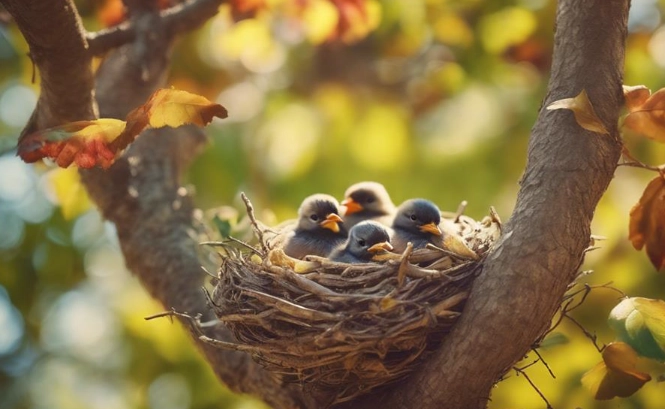
Fledgling: The Practice-Makes-Perfect Kid
Ah, the fledgling. This is the stage that causes the most confusion and unnecessary "rescues." A fledgling has most or all of its feathers. It looks like a smaller, scruffier, sometimes goofier version of its parents. The tail feathers might be short, and the flight feathers might not be fully grown in, but it can hop, flutter, and maybe even make short, clumsy flights.
Here's the crucial part.
Fledglings spend days to weeks on the ground or in low bushes on purpose. This is a normal, vital part of their development. Their parents are almost always nearby, watching and continuing to feed them. The fledgling is learning critical life skills: how to find food, how to avoid predators, and how to master flying. It's like a driving lesson with the parents as instructors.
To make it super clear, let's put these three types of baby birds and their names side-by-side.
| Stage Name | What They Look Like | Key Abilities | Where You'll Find Them | Needs Help If... |
|---|---|---|---|---|
| Hatchling | Naked or sparse down, eyes closed, pink skin visible. | None. Cannot hold head up steadily. | Always in the nest. | Found outside the nest (always). |
| Nestling | Eyes open, pin feathers (like blue straws) or fluffy down covering body. | Can shuffle in nest, begs for food. | Almost always in the nest. | Found on the ground, unable to perch. |
| Fledgling | Fully feathered, short tail/wings, can look scruffy. | Hops, flaps, may make short flights. Can perch. | On ground, in bushes, on low branches. | Visibly injured, in immediate danger (e.g., on a road), or after observing for hours with no parent in sight. |
See the difference? That table is your quick-reference cheat sheet. Print it out, save it on your phone. It'll save you and a baby bird a lot of stress.
Common Baby Birds and What They're Actually Called
Okay, so you know the stages. But a baby robin looks nothing like a baby duck, right? Let's get specific. Here are some of the most common backyard birds in North America and what their youngsters look like at the fledgling stage. This is where knowing types of baby birds and their names gets really fun—you start to recognize the families in your neighborhood.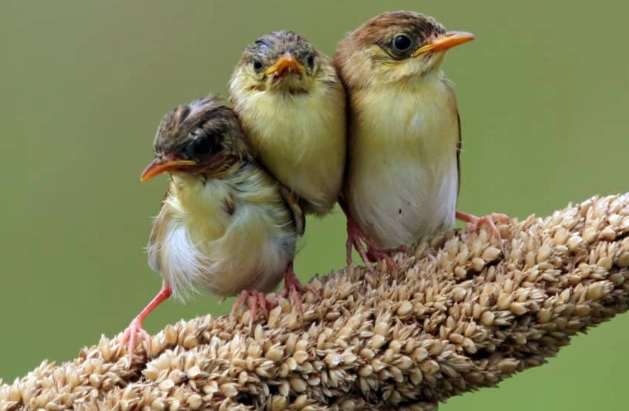
American Robin Fledgling
These guys are everywhere in spring. Forget the famous red breast—baby robins are spotted. They have a dark, speckled breast and a darker back than the adults. Their belly might be a lighter orange-ish hue, but it's covered in dark spots. They look like they're wearing a polka-dotted vest. You'll see them following their parents around on lawns, begging loudly with wide yellow mouths. The parents are still feeding them worms for a while even after they leave the nest.
House Sparrow Nestling/Fledgling
House sparrow babies are kind of… generic. They're small, brownish, and streaky, lacking the clear black bib of the adult male. Their beaks are often a distinctive yellow at the corners (called "gape flanges") which helps parents target food into their mouths. They're incredibly common around buildings and eaves. Honestly, they're not the most glamorous babies, but they're tough little survivors.
Eastern Bluebird Fledgling
You might expect a little blue bird, but nope. Bluebird fledglings are grayish with speckled breasts and faint, scalloped patterns on their backs. You might see just a hint of blue starting to come in on the wings or tail, but it's subtle. They look quite different from their brilliant blue parents. Spotting one is a treat because it means a bluebird family is thriving nearby, often in a nest box you might have put up.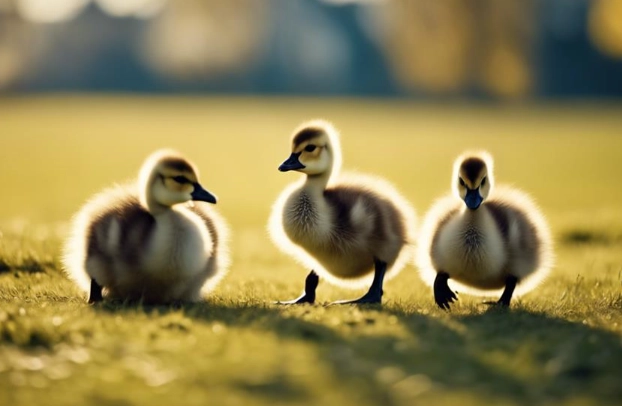
Northern Cardinal Fledgling
Both male and female cardinal fledglings look similar to the adult female—they're a dull brownish color with a blackish bill. The famous red plumage of the male doesn't come in until later. What's really cute (and a dead giveaway) is their mohawk. They have a developing crest that's often a bit scraggly, making them look like a punk rock chick. Their beaks will transition from black to the bright orange-red of the adults.
Baby Hawks (e.g., Red-tailed Hawk)
These are impressive. Baby hawks, or eyasses (that's the specific name for a baby raptor in the nest), start off as white, fluffy down balls. As they grow into the fledgling stage, they become a mottled brown and white, looking much larger and fluffier than the sleek adults. Their tails won't have the iconic red color yet. They are often loud, making high-pitched begging calls from the nest or nearby branches long after they've grown to nearly adult size. Seeing one is a reminder of the wildness still around us.
I once spent a whole afternoon watching a family of cardinal fledglings in a hydrangea bush. The parents were run ragged, flying back and forth with seeds. The babies just sat there, fluttering their wings and yelling. It was equal parts hilarious and exhausting to watch. It really drives home how much work parenting is, even for birds.
What To Do If You Find a Baby Bird: A Step-by-Step Decision Guide
This is the million-dollar question, the reason many people search for types of baby birds and their names. Let's break it down logically. Your first action should not be to grab a shoebox.
- Stop and Observe (From a Distance): Give the bird some space. Watch for 30-60 minutes. Are the parents coming down to feed it? You might hear scolding calls from nearby trees. If parents are active, the baby is likely fine.
- Identify the Type: Use the table above. Is it a naked hatchling? A fluffy nestling? Or a feathered fledgling? This determines everything.
- Assess for Immediate Danger: Is it in the middle of a road? Is a cat staring at it from three feet away? These are real threats. A cat in the yard is a major one, as cat saliva is toxic to birds.
- For Fledglings: If it's a fledgling and not in immediate danger, leave it alone. You can gently move it to a nearby shrub or safer spot if it's on an open sidewalk. Its parents will find it by sound.
- For Nestlings & Hatchlings: If you can see and safely reach the original nest, gently pick the baby up (it's a myth that parents will reject them due to human scent) and put it back. If the nest is destroyed or unreachable, you need to make a temporary nest—a small basket or container with drainage holes, lined with dry grass or paper towels, and secure it as close as possible to the original site.
- When to Call for Help: If the baby is injured (bleeding, broken wing, attacked by cat), cold, or if you truly cannot find the nest or parents after a long observation, it's time to contact a licensed wildlife rehabilitator. This is their job. Keep the baby warm, dark, and quiet in a ventilated box until you can transfer it. Do not try to feed it water or food—you can easily cause aspiration or give the wrong diet.
The Cornell Lab of Ornithology, one of the most trusted bird science institutions in the world, has an excellent, detailed resource on this exact dilemma. Their guide mirrors these steps and is a fantastic reference: What to Do If You Find a Baby Bird.
Personal Note/Confession: I made the "fledgling mistake" years ago. I brought a perfectly healthy, feathered young starling inside, thinking I was saving it. I called a rehabber, slightly embarrassed, and they gently explained it was a fledgling and I should put it back where I found it. I did, and within minutes a parent swooped down. Lesson learned the hard way!
Answers to Your Burning Questions About Baby Birds
Start with location and nest type (if visible). Is it in a tree cavity, a grassy field, or a mud nest on a porch beam? Then, look at the key features: beak shape (short and thick for seed-eaters like sparrows, long and pointed for insect-eaters like robins), leg length, and overall color/pattern. Use a good field guide or app like Merlin Bird ID from Cornell. You can often identify a fledgling by its nearby parents—watch to see which adult birds are attending to it.
This is one of the most persistent myths out there, and it's simply not true for the vast majority of bird species. Birds have a relatively poor sense of smell. Their parental drive is incredibly strong. If you need to return a healthy nestling to its nest, they will almost always continue to care for it. The real risk isn't your scent; it's you causing excessive disturbance around the nest or the baby becoming chilled while you're handling it. So be quick, gentle, and minimize your time there.
"Chick" is a general, informal term for any baby bird. It's not wrong, but it's not precise. "Nestling" and "fledgling" are the precise biological terms for specific developmental stages, as we detailed above. Think of "chick" like "kid"—it could mean a toddler or a teenager. "Nestling" and "fledgling" are like "infant" and "adolescent." Using the specific terms helps communicate the bird's actual needs.
It varies wildly by species! Small songbirds like sparrows or finches might fledge (leave the nest) in 10-14 days. Larger birds like robins or blue jays might take 2-3 weeks. Birds of prey like hawks or owls can stay in the nest for 6-10 weeks. It's one of the reasons why disturbing a nest is so harmful—you might think the parents are gone, but they're just out foraging for their constantly hungry babies who are hidden and quiet.
Beyond the Backyard: Precocial vs. Altricial Chicks
Here's a deeper layer to the world of baby bird types and names. The three-stage model (hatchling, nestling, fledgling) mainly applies to one big group: altricial birds. These are birds born helpless, with eyes closed, and requiring extensive parental care. Most songbirds (robins, cardinals, sparrows), hawks, owls, and woodpeckers are altricial.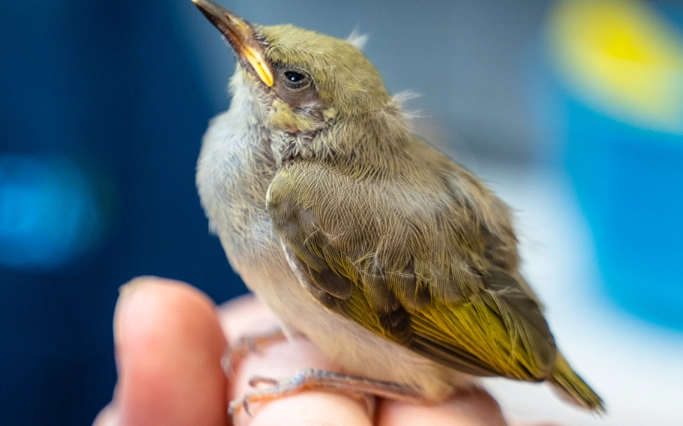
But there's another strategy: precocial development. Think ducks, geese, chickens, and shorebirds like killdeer. Their babies hatch covered in fluffy down, eyes open, and are able to walk, swim, and feed themselves within hours or days. They still need their parents for warmth, protection, and learning where to go, but they're not confined to a nest.
A baby duck is called a duckling. A baby goose is a gosling. A baby killdeer is a... well, it's also just called a chick, but it's born ready to run. If you see a family of ducklings following a mother duck, those are precocial chicks. They never went through a true "nestling" phase in a nest. They left the nest almost immediately after drying off. This is a fundamental difference in the bird world, and it explains why you'd never see a baby duck in a tree nest—it's following a completely different life script.
Cornell's All About Birds site has a great article diving into this fascinating evolutionary difference, which you can find here: Altricial and Precocial Chicks.
Wrapping It All Up
So, the next time you're out in the garden or walking through the park and you spot a little feathered (or not-so-feathered) friend, take a breath. Don't panic. Run through the checklist in your head. Hatchling, nestling, or fledgling? Altricial or precocial? Are the parents around? Is it in real danger?
Understanding the different types of baby birds and their names gives you the power to be a knowledgeable observer and, when truly necessary, a helpful steward. It connects you more deeply to the complex lives happening right outside your window. You start to see not just "a bird," but a stage of life, a family story, and a testament to survival.
Keep this guide handy. Share it with friends who call you in a panic about a baby bird. The more people who know this stuff, the better off our feathered neighbors will be. Now go enjoy the show—spring and summer are the best times to watch this incredible drama of growth and flight unfold.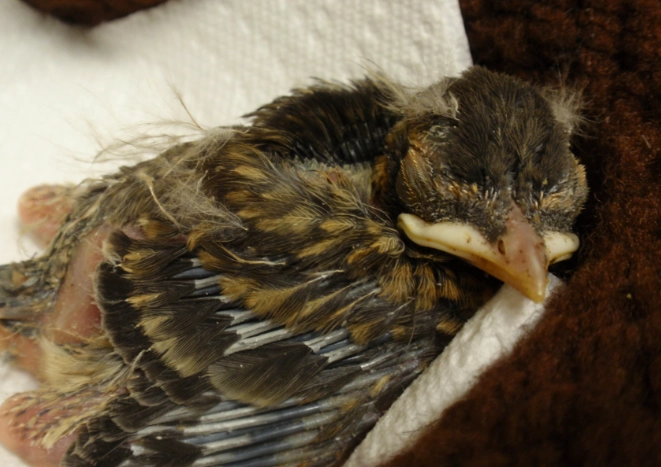
Reader Comments