You pick up your binoculars, expecting the familiar. But nothing prepares you for a bird that looks like it escaped from a child's painting. That's Madagascar. Isolated for 88 million years, this island isn't just a birding destination; it's a trip back in time. Over 110 bird species are found here and nowhere else on Earth. We're not talking slight variations, but entire families – like the ground-rollers and the vangas – that evolved in their own bizarre directions. Forget the savannahs of Africa; this is a different game entirely.
I've guided trips there for a decade, and the first-timer mistake I see most? People treat it like a typical birding tour. It's not. The magic – and the challenge – is in the details.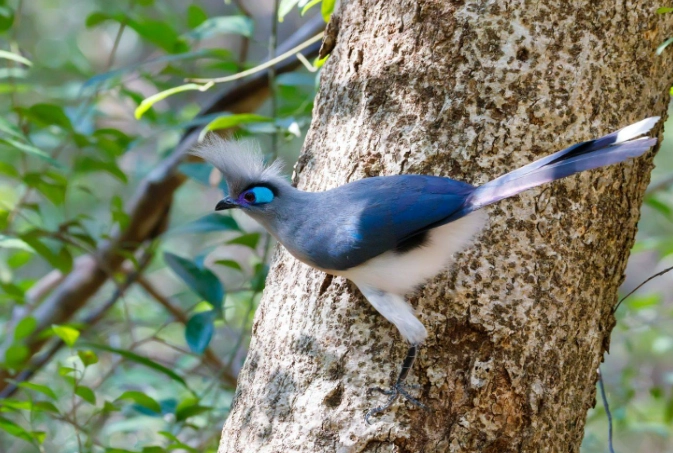
What You'll Discover in This Guide
The Birds You Absolutely Cannot Miss
Let's cut to the chase. You want to know what you're looking for. This isn't a dry checklist; these are characters in Madagascar's story.
Family Spotlight: The Vangas
Imagine a single ancestor arriving on the island and its descendants evolving to fill every niche. That's the vanga family. You get the Sickle-billed Vanga, a sleek grey bird with a absurdly long, curved beak perfect for probing bark. Then there's the Helmet Vanga, a shocking blue bird with a massive, helmet-like bill used for crushing large insects. They look unrelated, but they're family. It's the most dramatic example of adaptive radiation in birds, rivaling Darwin's finches.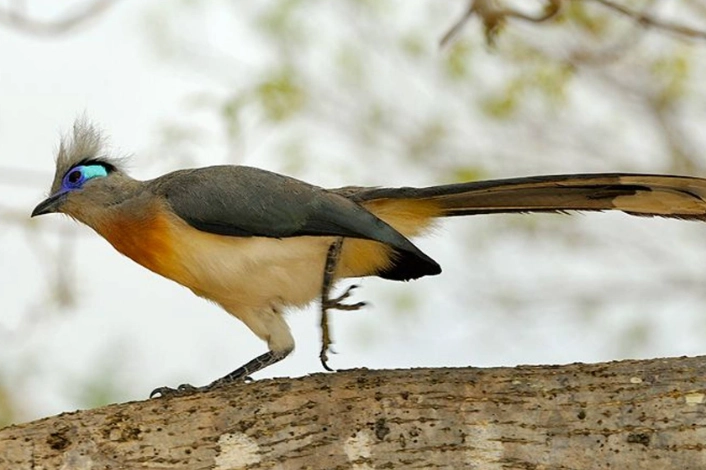
Top 5 Must-See Endemic Birds (Beyond the Obvious)
- Madagascar Pygmy-Kingfisher: A tiny, jewel-like bird of the eastern rainforests. More often heard than seen – its high-pitched whistle is a giveaway.
- Long-tailed Ground-Roller: Elusive and breathtaking. It's a plump, ground-dwelling bird with an iridescent green back and a ridiculously long tail. Seeing one requires patience and a good local guide.
- Madagascar Cuckoo-Hawk: A bizarre raptor that looks and acts more like a cuckoo, creeping through dense foliage. A real prize for raptor enthusiasts.
- Schlegel's Asity: The male has a bizarre, wattled, electric-blue eye-ring during breeding season. It's a lesson in how sexual selection can get weird on an island.
- Madagascar Red Owl: A ghostly, ginger-colored owl of the eastern rainforests. Its taxonomy has been debated for years – seeing one feels like spotting a living mystery.
A Note on the Elephant Bird
You'll hear about it. The extinct, flightless elephant bird was the largest to ever live. While you won't see one, its legacy is everywhere. Local communities still find its massive eggs, and it's a stark reminder of the fragility of island ecosystems. Museums in Antananarivo and Toliara display the incredible eggshell fragments.
Planning Your Madagascar Birding Trip: A Realistic Blueprint
This is where dreams meet reality. Most blogs make it sound simple. It's rewarding, but never simple.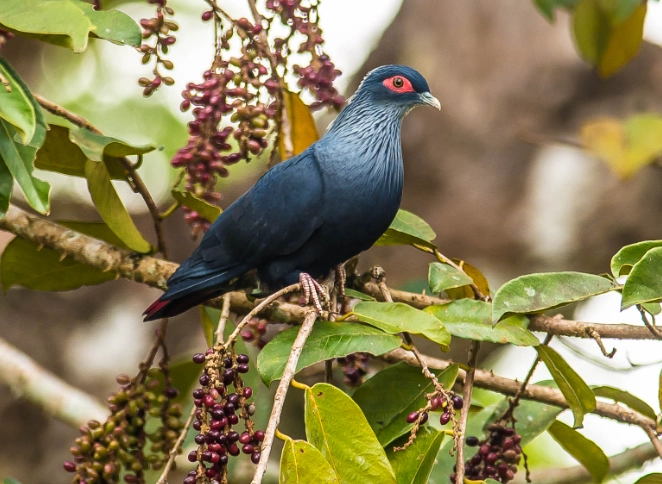
When to Go: It's More Than Just Dry vs. Wet
April to November (Dry Season) is the standard advice for a reason. Trails are dry, birds are vocal, and travel is easier. But here's the nuance: September to November is peak breeding season for many endemics. You'll see stunning plumage and active nests, but you must be extra ethical – no playback calls near nesting sites.
The rainy season (Dec-Mar) has its hardcore fans. Fewer tourists, lush scenery, and it's the best time for some reptiles and amphibians. But for a first-time birder focused on birds, the logistical headaches (mud, closed roads, leeches) usually outweigh the benefits.
Logistics: The Unsexy Essentials
Guides are not optional; they're essential. A good local guide knows the specific territories of birds like the Scaly Ground-Roller. They navigate the complex permit system for national parks and translate with local communities. Booking a guide through a reputable tour operator or a local association like Madagascar National Parks is the way to go.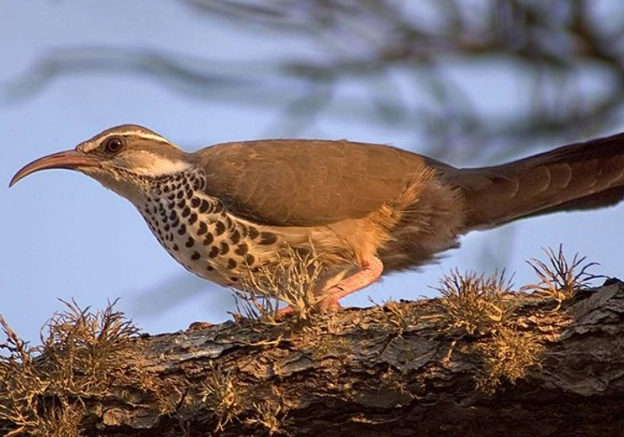
Internal flights can save you days of brutal road travel. The route from Tana to Morondava (for the Avenue of the Baobabs) is a classic example – a short flight versus a 12-hour drive on rough roads.
| Item | Why It's Critical | Pro Tip |
|---|---|---|
| Leech Socks | Eastern rainforests are leech heaven. Ankle protection is a sanity-saver. | Get the knee-high, thick fabric kind. Spray permethrin on them. |
| Headlamp (Red Light) | For night walks to find nightjars, owls, and mouse lemurs. | A red light preserves your night vision and disturbs wildlife less. |
| Field Guide | Morris & Hawkins' "Birds of Madagascar" is the bible. | Study the vanga plates before you go. It'll save you confusion in the field. |
| Power Bank | Electricity in remote lodges is often generator-based and limited. | A 20,000mAh+ bank can charge your phone, camera, and headlamp. |
Where to Go: Top Birding Sites Decoded
Don't try to see everything. Focus on a few key ecosystems. Here’s my breakdown of the top spots, beyond the generic advice.
1. Andasibe-Mantadia National Park (Eastern Rainforest)
The Classic Starting Point. This park is famous for the Indri lemur, but the birding is spectacular. It's one of the most accessible places to look for ground-rollers. The Scaly Ground-Roller is a target here, but it's shy. Your guide will listen for its low, hooting call. The lodge feeders often attract Nelicourvi Weaver and Common Sunbird-Asity, giving you easy, close views. Spend at least two full days here.
2. Ranomafana National Park (Montane Rainforest)
Another stunning rainforest site in the highlands? It's a beautiful, dense rainforest perfect for hiking and bird watching. The endemic bird species here are rare and elusive, making it a top destination for serious birders. This is a top birding site in Madagascar, with many unique birds that are hard to find elsewhere.
A tougher park with steep trails and a cooler climate. The bird community is different. This is a primary site for the Pitta-like Ground-Roller and the bizarre Yellow-bellied Sunbird-Asity. The research station (CVB) area is a productive starting point. Be prepared for rain and mud even in the dry season – proper waterproof hiking boots are a must.
3. Ifaty Spiny Forest & Reniala Reserve (Southwest)
A World Apart. This arid, cactus-like ecosystem looks like another planet. The birds are specialized survivors. This is the only reliable place to see the Long-tailed Ground-Roller and the stunning Subdesert Mesite. Birding here is hot and exposed – sun protection and liters of water are non-negotiable. Go early in the morning when birds are active.
4. Ankarafantsika National Park (Dry Deciduous Forest)
Often overlooked, but a gem for birders who want to avoid the eastern rain. It's drier, flatter, and has a great set of western endemics. Look for the Van Dam's Vanga (very range-restricted) and the White-breasted Mesite. The lake near the entrance is good for waterbirds and the rare Madagascar Fish Eagle.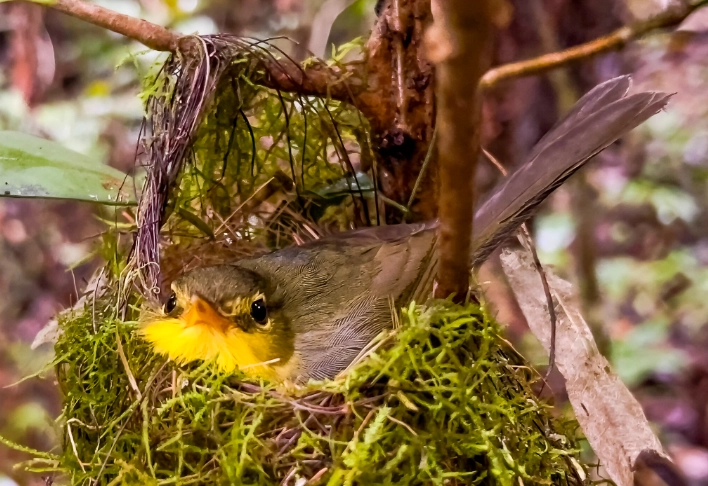
Expert Tips & Tricks They Don't Tell You
This is the stuff from a decade of leading trips, the little things that make a big difference.
Sound is your best tool. Many Madagascar endemics are skulkers. Learning a few key calls before you go – the ground-roller's hoot, the pygmy-kingfisher's whistle – will help you locate birds your guide points out. But never use playback for ground-rollers or mesites. It's considered highly stressful and unethical for these sensitive species.
Photography requires a mindset shift. The light in rainforests is terrible. You'll be shooting at high ISO. Embrace it. Focus on capturing behavior and the unique habitat. A flash with a diffuser can help, but use it sparingly and never on nocturnal species. For every iconic portrait, take a wider shot showing the bird in its strange, beautiful habitat.
Connect with local projects. Visit a community-run reserve like Mitsinjo near Andasibe. Your entrance fee goes directly into reforestation and guiding jobs. It feels different birding in a place where you know your presence is helping protect the very species you're admiring.
The biggest mistake I see? Rushing. You can't tick Madagascar off like a list. Sit quietly at a forest edge. Watch a mixed-species flock move through. You'll see vangas, warblers, and bulbuls interacting. That's the real magic.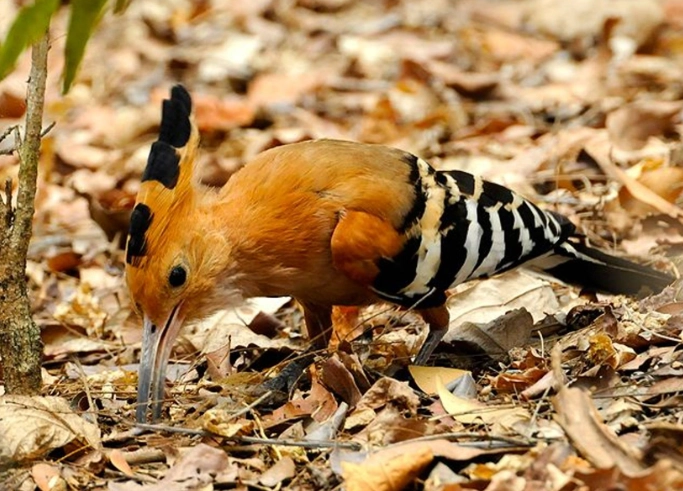
The Real Conservation Story
It's not all good news. Species like the Madagascar Serpent Eagle and the Madagascar Fish Eagle are critically endangered, with populations in the low hundreds. The Slender-billed Flufftail might be the rarest bird in Africa.
Deforestation for slash-and-burn agriculture ("tavy") is the primary threat. When you drive through the countryside and see hillsides of smoking, charred landscape, it hits home. But the story isn't hopeless.
Organizations like The Peregrine Fund have been working for decades on raptor conservation. Community-based tourism is creating economic alternatives to forest clearing. By visiting, hiring local guides, and staying in community-run lodges, you are part of that solution.
Your choices matter. Choose operators with clear ethical policies. Don't buy souvenirs made from rare hardwoods. It's a delicate balance, but responsible tourism is one of the strongest tools for conservation on the island.
Reader Comments