Jump to What Matters
I still remember the first time I saw a hooded merganser. It was a chilly morning in early March, and I was scanning a pond in upstate New York. Out of the mist, this duck emerged with a crest that looked like it was styled for a bird fashion show. That moment hooked me. Hooded mergansers aren't just another waterfowl; they're a gateway into the nuanced world of bird identification. If you're here, you probably want to know more than just the basics—you want to spot them, understand them, and maybe even photograph them. Let's dive in.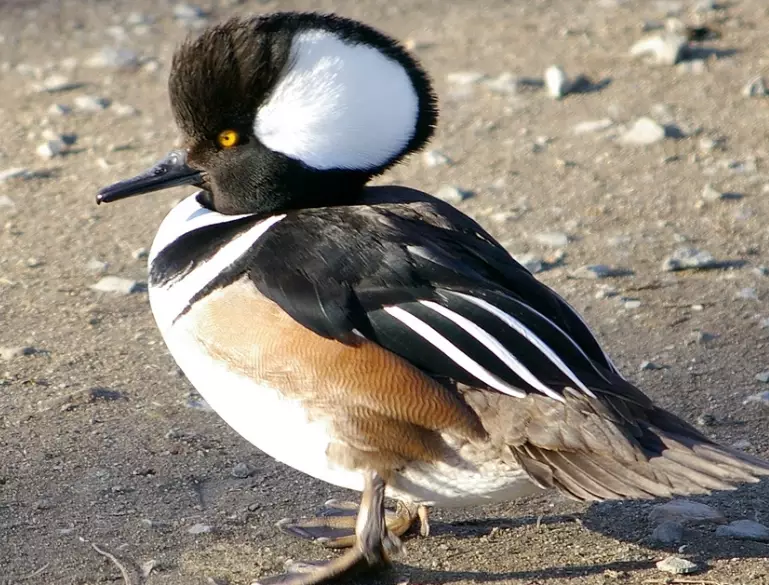
How to Identify a Hooded Merganser: Key Features You Can't Miss
Getting the ID right is half the battle. Hooded mergansers have distinct traits that set them apart from other ducks, but it's easy to slip up if you're not careful.
The Male's Dramatic Crest: More Than Just Looks
Male hooded mergansers are showstoppers. That large, fan-shaped white crest on a black head isn't just for show—it's a key identifier. When raised, it contrasts sharply with the dark body. But here's a tip most guides miss: the crest size varies. In younger males, it might appear smaller or less defined. I've seen birders mistake them for common mergansers, but look closer. Hooded mergansers have a thinner, serrated bill perfect for catching fish, and their eyes are a piercing yellow. In flight, watch for rapid wingbeats and a low profile over water.
Female Hooded Mergansers: Subtle but Distinctive
Females are trickier. They sport a brownish crest and a gray body, often leading to confusion with female buffleheads or other ducks. The giveaway? Their head shape is more rounded, and the crest, while brown, still has that fluffy texture. I once spent an hour debating with a fellow birder over a distant female—turned out it was a hooded merganser once we noticed the slender bill. Don't rely on color alone; focus on silhouette and behavior. Females tend to bob their heads more while feeding.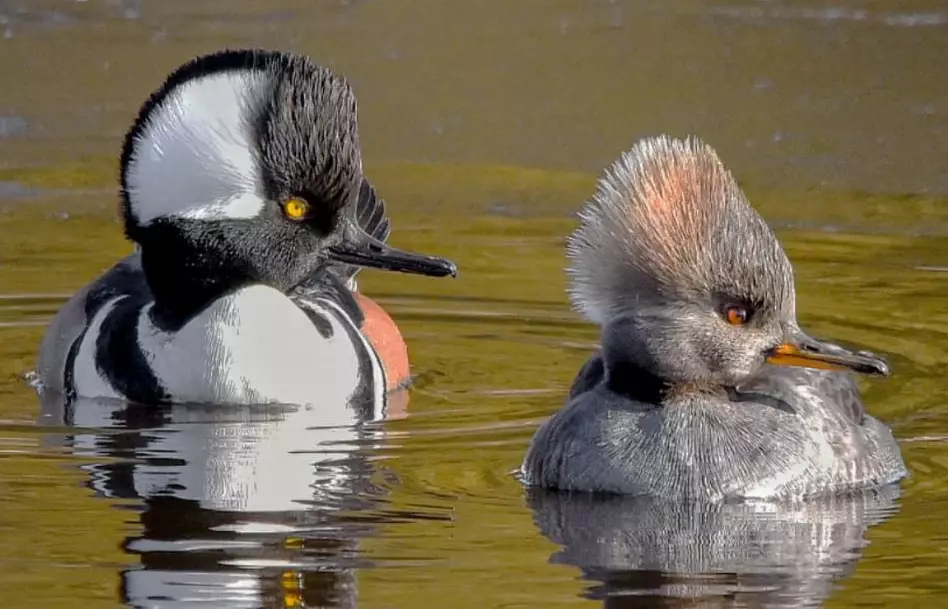
Pro Tip: Use binoculars with good light gathering, like the Vortex Diamondback series, to catch details in low light. A common mistake is using cheap gear that blurs the crest features.
Where to Find Hooded Mergansers: Habitat and Range
These ducks aren't everywhere, but knowing their preferences boosts your chances. Hooded mergansers love wooded wetlands—think slow-moving rivers, ponds, and marshes with plenty of trees for nesting. They're widespread across North America, but distribution shifts with seasons.
Best Birding Locations in the United States
If you're planning a trip, target these spots. In the Northeast, the Montezuma National Wildlife Refuge in New York is a hotspot during spring migration. I've counted over a dozen there on a good day. Out west, the Columbia River in Oregon hosts wintering flocks. The Great Lakes region, especially around Lake Erie, sees peak numbers in April. For reliable sightings, check eBird data from the Cornell Lab of Ornithology—it's a goldmine for real-time updates.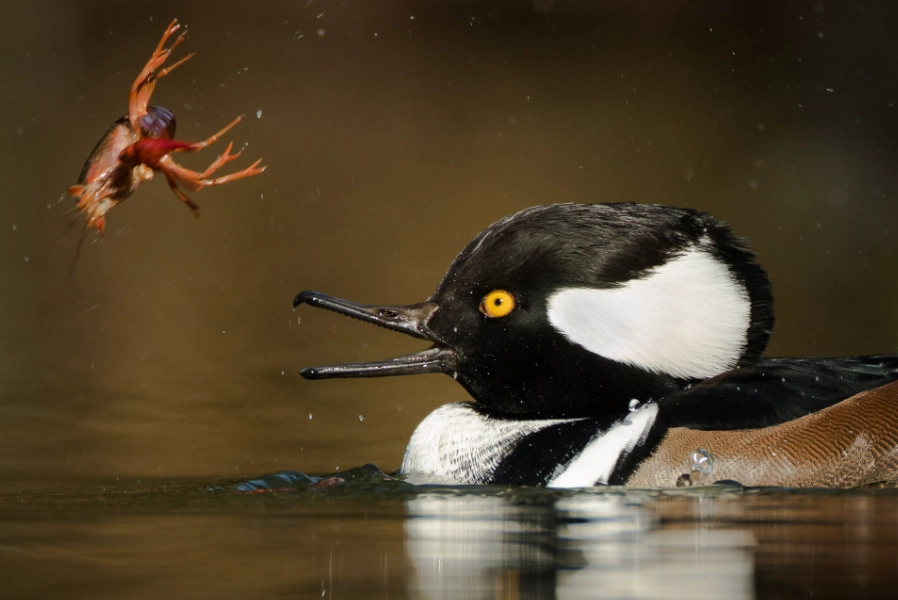
Seasonal Movements and Migration Patterns
Hooded mergansers are partial migrants. In northern areas, they move south in winter, but some stay if water remains open. Spring migration kicks off in February, with birds heading to breeding grounds in Canada and the northern U.S. Fall migration is less dramatic, often from October to December. I've noticed that weather plays a huge role; a mild winter can keep them around longer. Don't assume they're gone just because it's cold—check local reports.
Hooded Merganser Behavior: What to Watch For
Understanding behavior makes birding more rewarding. Hooded mergansers are diving ducks, but their habits have quirks.
Feeding Habits and Diet
They're fish specialists. Using that serrated bill, they snatch small fish, insects, and crustaceans underwater. Watch for quick dives lasting 10-20 seconds, often in shallow water. A behavior I find fascinating is their coordination—sometimes they feed in small groups, driving fish together. If you see one surface with a wriggling meal, you're in luck. In winter, they might switch to aquatic invertebrates if fish are scarce.
Breeding and Nesting Secrets
Breeding season starts in late winter. Males perform courtship displays like head-throwing and crest-raising to attract females. Nesting happens in tree cavities near water, often using old woodpecker holes. Females lay 6-12 eggs, and ducklings leave the nest within a day of hatching. Here's something rarely mentioned: hooded mergansers sometimes use nest boxes. Installing one in a suitable wetland can attract them, but ensure it's predator-proof. I tried this in my local area and had a pair nest successfully—a rewarding project for any enthusiast.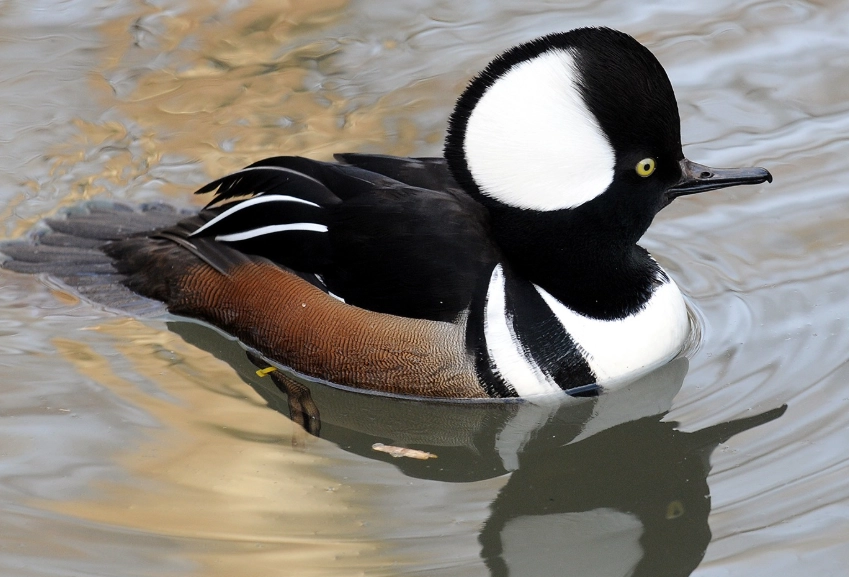
Practical Birding Tips for Hooded Merganser Enthusiasts
Let's get hands-on. Birding for hooded mergansers requires more than just showing up.
Essential Gear for Waterfowl Watching
You'll need reliable equipment. Binoculars with 8x42 magnification are ideal for clarity and light. I swear by my Nikon Monarch series for crisp views. A spotting scope helps for distant birds, especially on large lakes. Dress in layers—wetlands are damp and chilly. Waterproof boots are a must; I learned this after sinking into mud up to my ankles. For photography, a telephoto lens (300mm or more) is crucial. Don't forget a field guide like the Sibley Guide to Birds for quick reference.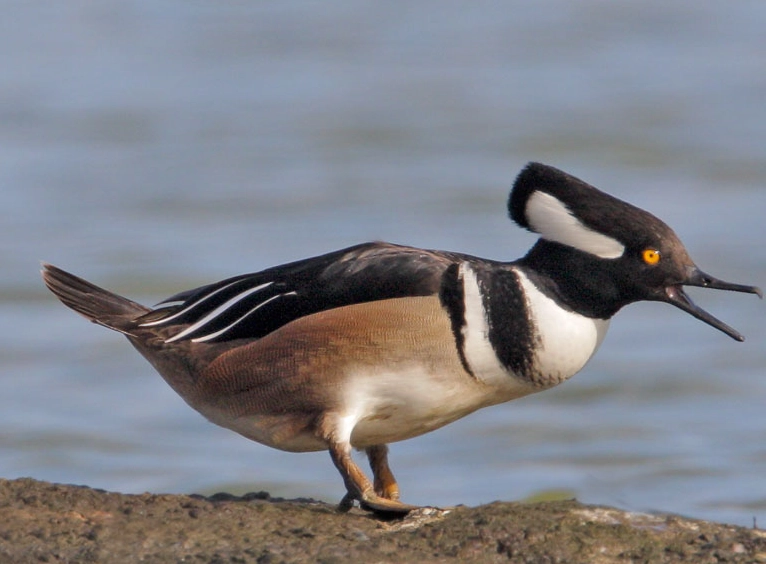
Common Mistakes to Avoid When Identifying Ducks
Newcomers often rush. Take your time. Mistaking female hooded mergansers for other species is common—double-check the bill shape and head profile. Another error is ignoring habitat; if you're in open ocean, you're probably looking at something else. I've seen birders misidentify them based on poor lighting. Always consider the time of day; early morning light reveals details better. And please, don't disturb the birds by getting too close. Use a blind or stay hidden to observe natural behavior.
My Encounters with Hooded Mergansers
Birding isn't just about facts; it's about stories. Last year, I was in Wisconsin's Horicon Marsh. A male hooded merganser was displaying for a female, crest flaring like a white fan. I watched for an hour, noting how the female seemed indifferent at first—then she joined in a synchronized dive. It was a lesson in patience. Another time, in a crowded urban park, I spotted one amid mallards. Most people walked right past, but that sighting reminded me that beauty hides in plain sight. These experiences shape how I bird now: slow down, look closer.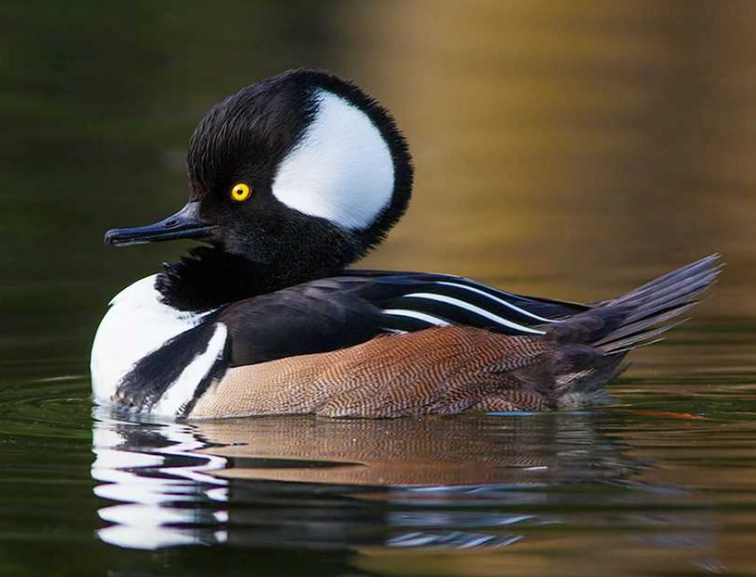
Frequently Asked Questions
Hooded mergansers are more than a checklist item. They're a window into wetland ecosystems and a test of your birding skills. Whether you're a novice or a seasoned watcher, the thrill of spotting that crest never fades. Get out there, use these tips, and share what you see. The birds are waiting.
Reader Comments