That flash of crimson against the winter gray isn't just a bird. It's a mood booster, a loyal visitor, and for many of us in eastern North America, the unofficial mascot of our backyards. The Northern Cardinal (Cardinalis cardinalis) is more than just a pretty face. It's a bird with complex social lives, specific tastes, and behaviors that can make or break your chances of having them as regular guests. I've spent over a decade watching them, from my first clumsy attempts at feeding that scared them off, to now having a pair that practically tap on the window when the feeder's empty. This guide cuts through the generic advice. We'll get into the real stuff—what actually works to attract them, how to tell individuals apart, and the subtle mistakes most beginners make.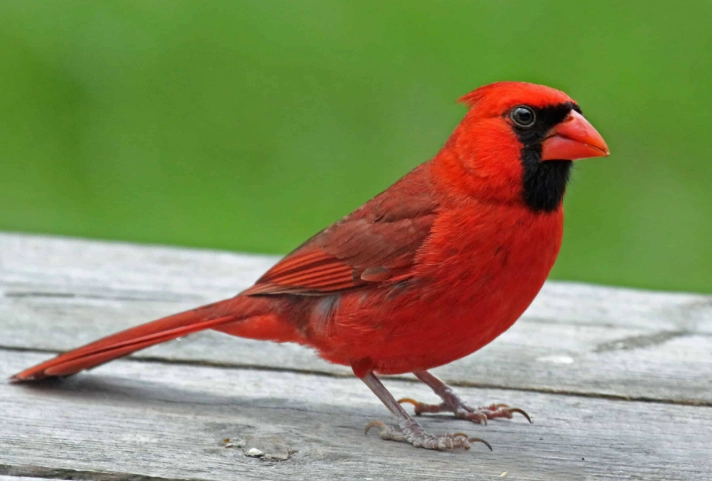
What’s Inside This Guide
How to Attract Cardinals to Your Yard: A Step-by-Step Guide
Most articles tell you to put out seed. That's like saying to make friends, just go outside. It's not wrong, but it's not enough. Cardinals are cautious, platform feeders with strong beaks. Their preferences are specific, and getting the details right is what separates the occasional visitor from the resident pair.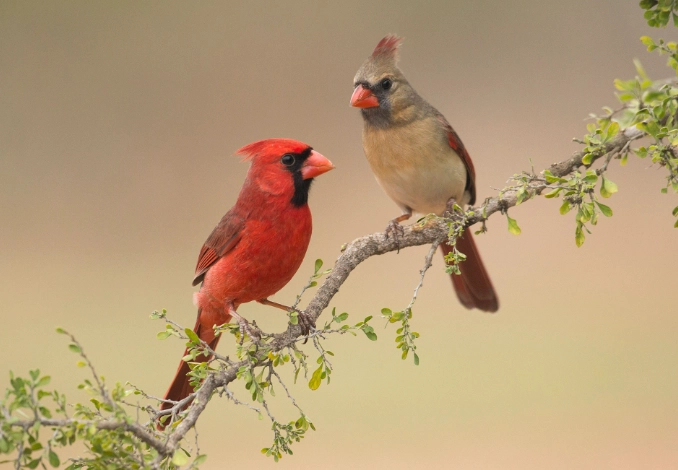
The Cardinal Food Menu: What They Actually Eat
Forget the cheap wild bird mix full of millet and wheat filler. Cardinals will kick that stuff right out of the feeder looking for the good bits. They have large, conical beaks designed for cracking hard shells. Here’s what they prioritize, based on years of watching my own feeders.
| Food Type | Specific Recommendation | Why Cardinals Love It | Feeder Type |
|---|---|---|---|
| Sunflower Seeds | Black Oil Sunflower Seeds. Avoid striped sunflower; the shells are too hard for even them. | High fat and protein, easy to crack. The ultimate cardinal staple. | Hopper, Platform, Tray. They struggle with tube feeders. |
| Safflower Seeds | White safflower seeds. | They adore them. Squirrels and blackbirds generally don't, making it a secret weapon. | Any platform-style feeder. |
| Peanuts | Shelled, unsalted peanuts or peanut pieces. | A high-energy treat, especially in winter and during breeding season. | Platform feeder or specialty peanut feeder. |
| Fruits & Suet | Chopped apples, berries, or suet cakes with fruit or insects. | Provides variety and essential nutrients not found in seeds alone. | Suet cage, platform feeder. |
My personal turning point was switching to a dedicated platform feeder with a mix of black oil sunflower and safflower. Within two days, the male was a regular. The female, always more cautious, followed a week later.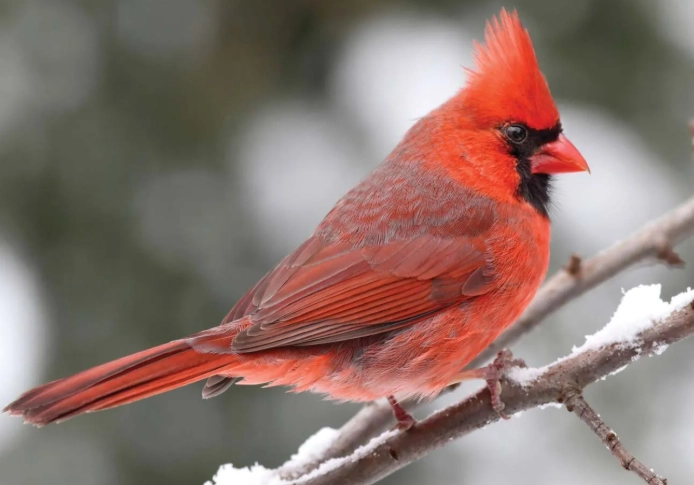
The Critical Mistake: Feeder and Placement
Here’s the non-consensus tip everyone misses: height and escape cover are more important than the feeder itself. Cardinals are not acrobats. They prefer to land, perch, and feed. A tube feeder with tiny perches? They'll avoid it. A hanging feeder swaying in the wind? Too unstable.
- Feeder: A large, stable platform or hopper feeder with a wide ledge. A simple tray on a post works wonders.
- Height: Place it 5-6 feet off the ground. Too low feels exposed to ground predators, too high feels exposed to hawks.
- Location: Within 5-10 feet of dense, evergreen shrubs or a small thicket. This is their escape route. They will not commit to a feeder in the middle of an open lawn.
- Water Source: A birdbath, especially one with a gentle dripper or mister. Cardinals bathe and drink frequently. It's a bigger draw than you think.
I learned the cover lesson the hard way. My first feeder was on a beautiful shepherd's hook in the center of my garden. I saw cardinals in the trees, but they never visited. Moving it to the edge near a holly bush changed everything.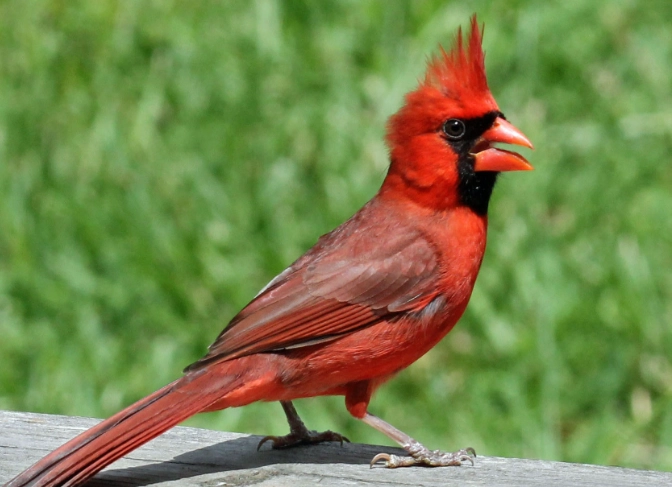
Beyond the Red: How to Identify Male, Female, and Juvenile Cardinals
Yes, the male is brilliant red. But stopping there means you're missing half the story. The female is where bird identification gets beautiful and subtle.
The Male: All-over vivid red with a black face mask and a prominent crest. The red can look almost scarlet in direct sun and deeper, richer maroon in shade or winter. His beak is a striking coral-red.
The Female: This is where beginners get confused. She is not "brown." Look closer. She's a warm, buffy tan or olive color, with brilliant red accents. You'll see red on her crest, wings, and tail. She shares the same black face mask and coral-red beak. Her coloration is perfect camouflage for sitting on a nest.
The Juvenile: After fledging, both young males and females look similar to the adult female but with a darker, grayish-black beak. The young males will gradually molt into their red feathers, often looking patchy for a few weeks—you might see a "red bird with a brown head."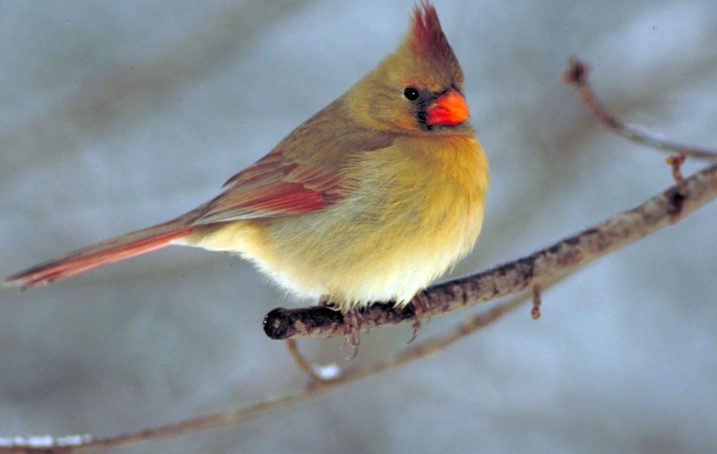
Cardinal Behavior and Habits: What You're Actually Seeing
Cardinals are largely non-migratory. The pair you see in summer is likely the same pair in winter, defending a territory year-round. This is why building a relationship with them feels so personal.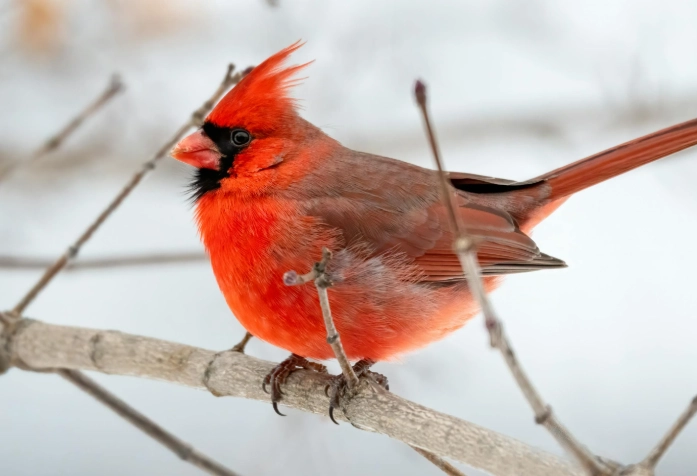
Song & Calls: The male's classic "cheer-cheer-cheer, birdy-birdy-birdy" whistle is one of the first bird songs you'll learn. Both sexes sing, which is unusual. The female often sings while on the nest, possibly signaling the male to bring food. Listen for sharp "chip" calls—their contact and alarm notes.
Courtship & Breeding: Watch for the male feeding the female beak-to-beak. This is courtship feeding and continues through incubation. They are monogamous within a breeding season. Nesting is secretive, usually in dense shrubs 3-10 feet high. They raise 2-3 broods per year.
Winter Flocking: While territorial in breeding season, they may form loose flocks in winter to forage, which is why you might suddenly see 6-8 at your feeder on a cold morning.
Cardinal Symbolism and Common Myths Debunked
Cardinals are wrapped in folklore. A common belief is that seeing a cardinal is a visit from a deceased loved one. It's a beautiful sentiment that speaks to their striking presence. Scientifically, their year-round residency means if you attract them, you'll see them constantly, which might explain the feeling of a constant companion.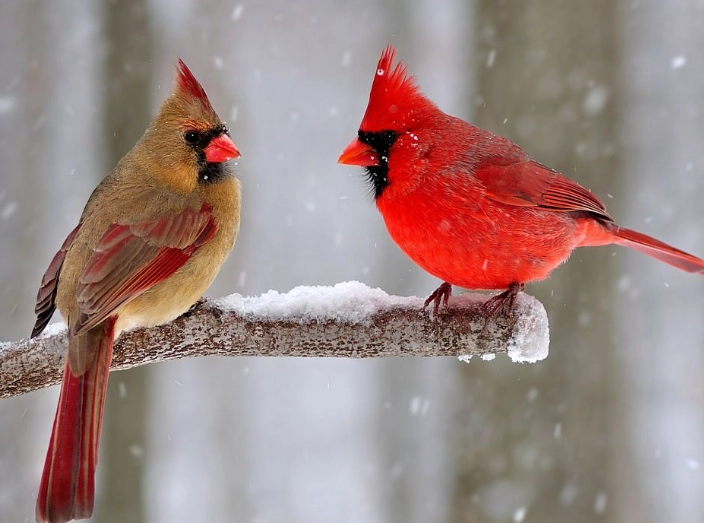
Myth: "Cardinals mate for life." Reality: They are seasonally monogamous. Pairs often stay together through the breeding season and may re-pair the next year, but it's not a lifelong bond. Research from the Cornell Lab of Ornithology shows mate switching does occur.
Myth: "The bright red color is why they get attacked by hawks more." Reality: Their color is less important to predators than movement and opportunity. Their cautious feeding behavior (near cover) is their primary defense.
Your Cardinal Questions, Answered
It's almost always one of three things. First, the feeder type. If it's a small, swinging tube feeder, they can't use it comfortably. Switch to a platform. Second, lack of cover. The feeder needs to be near shrubs. Third, the seed quality. Dump the generic mix and get a bag of straight black oil sunflower seeds. Try this for two weeks. I bet they show up.
It's not an attack. It's a territorial dispute. The male sees his reflection and thinks it's a rival. It's most common in spring. It's exhausting for the bird and annoying for you. The only reliable fix is to break up the reflection. Tape strips of painter's tape on the outside of the window, hang dangling Mylar strips, or use a soap bar to draw temporary lines on the glass. Interior blinds or curtains usually aren't enough. You need to break the mirror effect on the outside surface.
This is a great question. The male Scarlet Tanager is a deeper, blood-red with jet-black wings and tail. No crest. And he has a pale, bone-colored beak, not red. The tanager is also a forest bird, rarely at feeders, and is only here in summer before migrating to South America. If you see a stunning red bird at your feeder with a crest, it's a cardinal.
Provide nesting material! In early spring, put out a suet cage stuffed with short lengths of natural fiber (cotton yarn, pet fur, sheep's wool), dried grass, or even pet hair you've brushed out. They'll take it. Also, keep your feeders stocked with high-protein foods like sunflower and peanuts. The male will feed the female, and they'll both feed the chicks. Avoid trimming dense shrubs until late summer to protect active nests.
They can be assertive, especially at feeders, but they're not bullies like European Starlings or Common Grackles. Their size lets them hold their spot. You'll often see them displace smaller finches or sparrows, but they usually back down from larger jays or woodpeckers. It's normal backyard hierarchy stuff. If you want to give smaller birds a chance, set up multiple feeding stations. A tube feeder for finches a few feet away from the cardinal's platform feeder works perfectly.
Reader Comments