Let's start with a hard truth. Hawaii is often called the endangered species capital of the world, and for birds, that's not an exaggeration—it's a grim reality. We're not talking about a few rare species. We're witnessing an extinction crisis unfolding in real-time across the islands. Of the 84 native Hawaiian bird species that have been recorded, more than half are already extinct. Of those remaining, a staggering 33 are listed as endangered or threatened under the U.S. Endangered Species Act. That means if you're interested in Hawaii's unique avian life, you're looking at a treasure that's slipping through our fingers. This isn't just about losing pretty birds; it's about the collapse of entire forest ecosystems that have evolved in isolation for millions of years.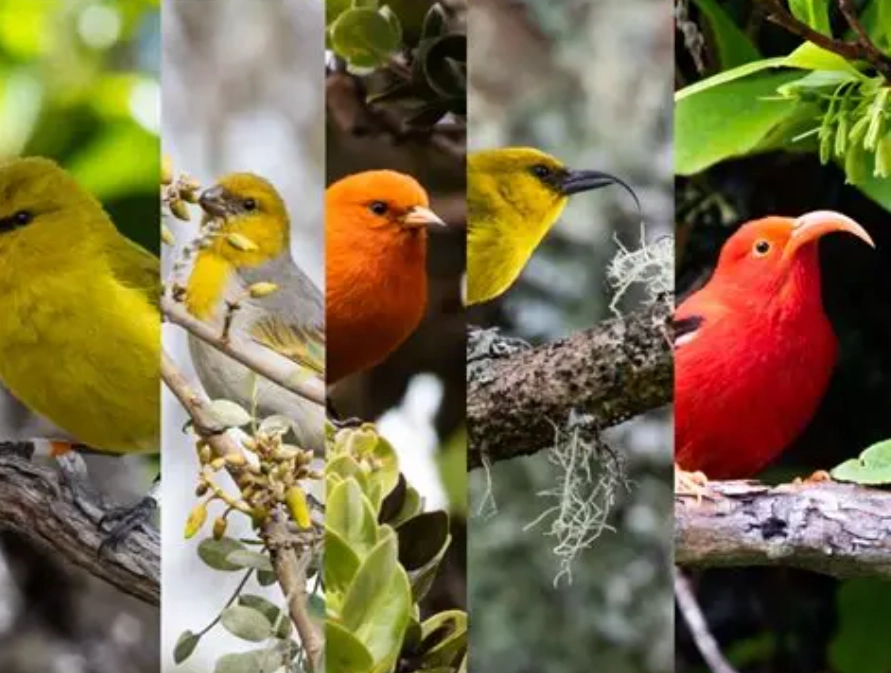
I've spent over a decade tracking and documenting these birds, from the misty slopes of Kauai to the high-elevation rainforests of Maui. What I've seen is both heartbreaking and motivating. The story of Hawaii's endangered birds is a complex web of invasive species, disease, habitat loss, and climate change. But it's also a story of incredible resilience and groundbreaking conservation work that gives me hope. This guide isn't just a list of species. It's a roadmap to understanding why this crisis happened, who the key players are on the brink, and—most importantly—what tangible actions are being taken and how you can be part of the solution, whether you're planning a trip or supporting from afar.
What You'll Find in This Guide
Birds on the Absolute Brink: Three Critical Cases
While many species are struggling, a few are in a race against the clock. Their stories highlight different facets of the crisis.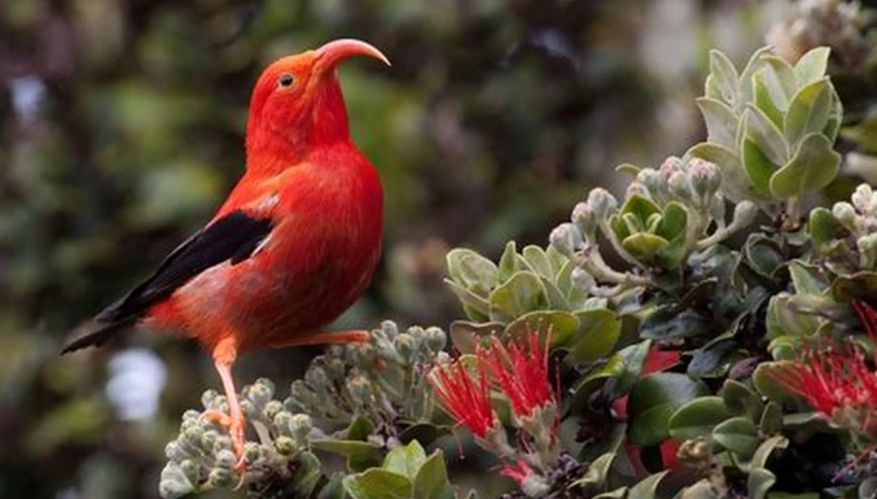
The 'Akikiki: A Canary in the Coal Mine for Kauai
The 'Akikiki, or Kauai creeper, is a small, unassuming gray bird with a delicate voice. A few years ago, you could reliably find them in the Alaka'i Wilderness Preserve. Now, they're arguably the most endangered forest bird in the United States. In 2023, estimates put the wild population at under 50 individuals. The primary culprit? Avian malaria, transmitted by invasive mosquitoes that have crept into their high-elevation refuge as the climate warms. The Kauai Forest Bird Recovery Project is engaged in a last-ditch effort: capturing the remaining birds to start a captive breeding program at the San Diego Zoo Wildlife Alliance's Keauhou Bird Conservation Center on the Big Island. It's a desperate, expensive gamble. Seeing an 'akikiki now feels less like a bird sighting and more like bearing witness to history.
The 'Akeke'e: The Crossbill That Can't Adapt Fast Enough
Another Kauai native, the 'Akeke'e, is a vibrant yellow honeycreeper with a bizarre crossed bill it uses to pry open leaf buds. Its population has crashed by over 90% in the last two decades. The same mosquito-borne disease is decimating them, but their specialized diet makes them even more vulnerable. They rely on specific native plants, and when habitat degrades due to invasive pigs and plants, their food source disappears. Conservationists are trying to control mosquitoes with a novel technique called Incompatible Insect Technique (IIT), releasing male mosquitoes infected with a bacteria that prevents eggs from hatching. It's a high-tech solution for a prehistoric problem.
The 'Akohekohe: The Crested Survivor of Maui
On the slopes of Haleakalā on Maui, the 'Akohekohe, or crested honeycreeper, puts on a show with its punk-rock crest and noisy, acrobatic flights. It's holding on in a narrow band of wet forest between 4,500 and 6,500 feet. This is the malaria-free zone—for now. As temperatures rise, the mosquitoes are climbing uphill. The Maui Forest Bird Recovery Project focuses intensely on habitat restoration, building fences to keep out pigs and goats, and manually ripping out invasive plants like strawberry guava to let the native understory recover. Seeing their work up close is backbreaking. It's gardening on a mountain scale to save a species.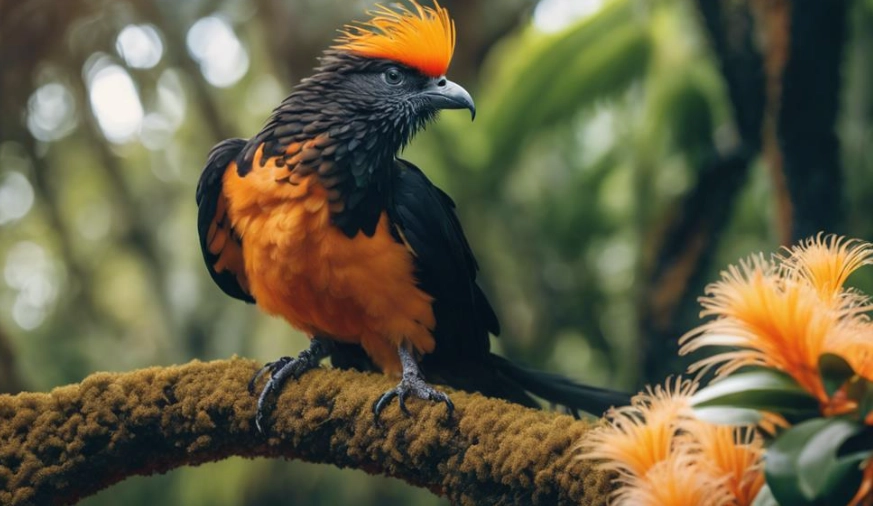
This table summarizes some of the most critical species. "Status" refers to the U.S. Fish & Wildlife Service listing and current population trend.
| Common Name (Hawaiian) | Island | Estimated Population | Status & Trend | Key Threat |
|---|---|---|---|---|
| 'Akikiki (Kauai creeper) | Kauai | Endangered, ↘ Rapid Decline | Avian Malaria | |
| 'Akeke'e (Kauai akepa) | Kauai | ~ 500 | Endangered, ↘ Rapid Decline | Avian Malaria, Habitat Loss |
| Kiwikiu (Maui parrotbill) | Maui | ~ 150 | Endangered, ↘ Rapid Decline | Avian Malaria, Habitat Loss |
| 'Akohekohe (Crested honeycreeper) | Maui | ~ 2,500 | Endangered, ↘ Stable/Declining | Avian Malaria (future), Habitat Loss |
| 'Alalā (Hawaiian crow) | Hawaii (Big Island) | ~ 115 (in captivity & recent wild release) | Extinct in Wild, Reintroduction Ongoing | Habitat Loss, Disease, Predation |
The Silent Killers: Understanding the Real Threats
It's tempting to blame a single villain, but the situation is a perfect storm. Here's the breakdown of what's really killing Hawaii's birds.
Avian Malaria & Avian Pox: This is the big one. Native birds have zero immunity to these diseases, introduced with non-native birds. The vector is the southern house mosquito, also non-native. For decades, birds survived in high, cool refuges where mosquitoes couldn't live. Climate change is erasing that safety zone. As temperatures rise, mosquitoes are moving uphill. A single bite from an infected mosquito is often fatal to a honeycreeper. The science is clear—this is the primary driver of the recent catastrophic declines on Kauai and Maui.
Habitat Destruction: It's not just about clearing land for development. The more insidious destruction comes from invasive animals. Feral pigs root through the forest floor, destroying native plants and creating mud wallows that become breeding grounds for mosquitoes. Invasive goats and deer strip vegetation. Invasive plants like Australian tree fern and strawberry guava outcompete the native plants birds rely on for food and nesting.
Predation: Rats, cats, and mongoose (the latter not on Kauai) raid nests for eggs and chicks. For birds that only lay one or two eggs per season, this is a massive blow to reproductive success.
One subtle mistake many well-intentioned people make is focusing solely on the charismatic birds. The real foundation is the forest itself. Saving the 'akikiki means first saving the 'ōhi'a lehua trees and the intricate insect life they support. The bird is the final, most visible indicator of a healthy ecosystem.
On the Conservation Frontlines: What's Being Done
This isn't a story of giving up. It's a story of scientific innovation and hard labor. The main players are the state's Division of Forestry and Wildlife (DOFAW), the U.S. Fish and Wildlife Service, and non-profits like the Pacific Bird Conservation consortium and the National Tropical Botanical Garden.
Mosquito Control (IIT): As mentioned, this is the moonshot. Releasing billions of bacteria-carrying male mosquitoes to suppress wild populations. It's being tested on Maui and East Maui specifically. The challenge is scale and cost.
Habitat Restoration & Fencing: This is the unglamorous, essential work. Miles of predator-proof fencing are built to create safe zones. Then, teams go in to remove invasives, sometimes by hand, sometimes with carefully targeted herbicides. Native plants are grown in massive nurseries and replanted. You can sometimes volunteer for this—check the Hawaii Department of Land and Natural Resources website for opportunities.
Captive Breeding & Reintroduction: The last resort and a lifeline. The Keauhou and Maui Bird Conservation Centers are world-class facilities where birds like the 'Alalā (Hawaiian crow) and Puaiohi (small Kauai thrush) are bred for release. The 'Alalā reintroduction has been rocky—these intelligent crows had to relearn wild behaviors—but it continues. For species like the 'akikiki, it's now the only hope.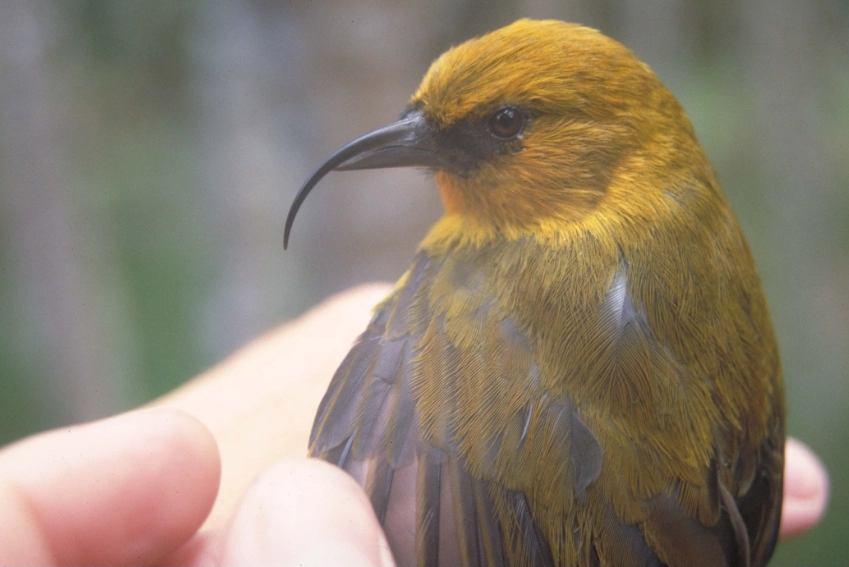
How to Responsibly Observe Hawaii's Endangered Birds
If you're coming to Hawaii hoping to see these rarities, you must adjust your mindset. This isn't a casual birding trip to a park. You are entering fragile, restricted environments.
1. Hire a Professional Guide: This is my number one recommendation. Reputable guides like those permitted through the Kauai Forest Bird Recovery Project or Hawaii Forest & Trail know the exact, legal access points (often on rough, gated roads), have the necessary permits, and most importantly, understand and enforce strict biosecurity protocols. They'll ensure you don't accidentally spread invasive seeds or diseases.
2. Location is Everything (and Access is Limited):
- Kauai: The primary access is via the Waimea Canyon and Kōkeʻe State Park road system. The Alaka'i Swamp trail is a famous but challenging hike where you might hear, but are extremely unlikely to see, the rarest birds. The best chance for a guided experience is on the Powerline Trail or via special access to the Alaka'i Plateau.
- Maui: The Hosmer Grove campground at the entrance to Haleakalā National Park is a reliable spot for hearing and sometimes seeing ʻIʻiwi and ʻApapane (more common but declining honeycreepers). For the rarer species, you need to go deeper into the Waikamoi Preserve or the Nakula Natural Area Reserve, which typically requires a guide.
- Big Island: The Hakalau Forest National Wildlife Refuge is a sanctuary and a success story for many birds, but public access is highly restricted to a few guided tours per year. Book months in advance.
3. Practice Impeccable Biosecurity: Clean your boots, gear, and tripod legs meticulously before and after hikes to remove seeds and pathogens. Use brush stations if provided. Never enter closed areas or off-limits research zones.
4. Temper Your Expectations: You are far more likely to hear a distant call than get a perfect photograph. The experience is about being in their world, understanding their plight, and contributing through your guide fee and heightened awareness. Obsessively chasing a "life list" sighting here puts unnecessary stress on the birds and their habitat.
Your Role in the Fight: Beyond Just Watching
You don't need to visit to help.
Donate Strategically: Money is the fuel for conservation. Donate directly to the boots-on-the-ground groups: Kauai Forest Bird Recovery Project, Maui Forest Bird Recovery Project, and the Hawaiʻi Endangered Bird Conservation Program (which runs the captive breeding centers). Your donation pays for fence materials, mosquito rearing labs, and seedling nurseries.
Advocate for Funding: Support federal and state legislation that funds conservation, like the Recovering America's Wildlife Act. These birds are a national treasure, and their survival needs national investment.
Be a Conscious Consumer: When you visit, choose eco-tours that explicitly support conservation. Avoid attractions that promote non-native, invasive species or degrade natural habitats.
Spread the Word, Not the Species: Share their story accurately. The narrative isn't just "sad birds dying." It's "incredible science fighting back, and here's how you can be part of it."
Questions from the Trail: Your FAQ Answered
The song of Hawaii's forests is growing quieter every year. But it hasn't fallen silent yet. The story of Hawaii's endangered birds is being rewritten daily by scientists, conservationists, and volunteers. Whether you contribute through a donation, a responsible guided visit, or simply by learning and sharing their story, you become part of that rewrite. The goal isn't just to document a decline, but to support the incredibly difficult work of reversing it.
Reader Comments