I’ll be honest, the first time I saw a male wood duck through my binoculars, I thought my lens was broken. The colors were too vivid, the pattern too perfect, like a child’s painting of what a bird should be. It was perched in a cypress knee in a Georgia swamp, and I spent the next hour just watching it, forgetting to even check my field guide. That moment hooked me. But here’s the thing most articles don’t tell you: finding wood ducks isn’t just about luck. It’s about understanding a very specific, almost fussy, checklist of needs they have. Get one element wrong in your search, and you’ll see mallards all day instead.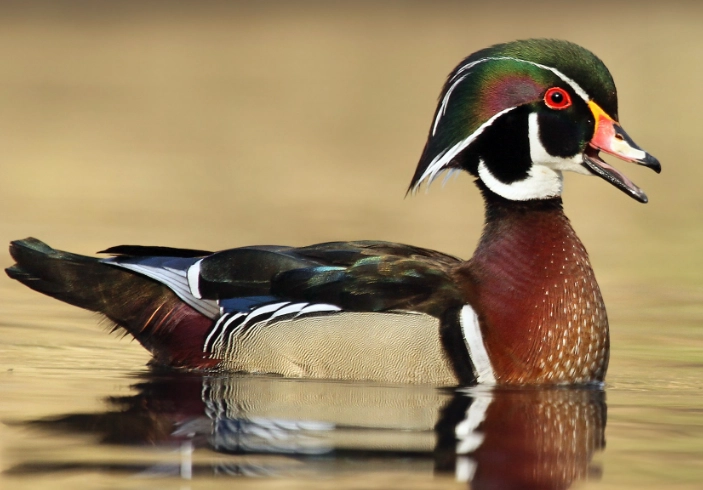
This guide is for the birder who’s tired of just reading about their iridescent plumage and wants to know the how and why behind their world. We’re going past the textbook facts and into the practical details of habitat, behavior, and the step-by-step tactics that actually work.
What’s Inside: Your Wood Duck Field Guide
Understanding Wood Duck Habitat (It’s Not Just Any Pond)
If you’re looking for wood ducks on a large, open lake, you’re in the wrong place. This is the most common mistake. Wood ducks (Aix sponsa) are creatures of the woodland-water interface. Their name isn’t a suggestion. Their ideal home is a messy, complex place.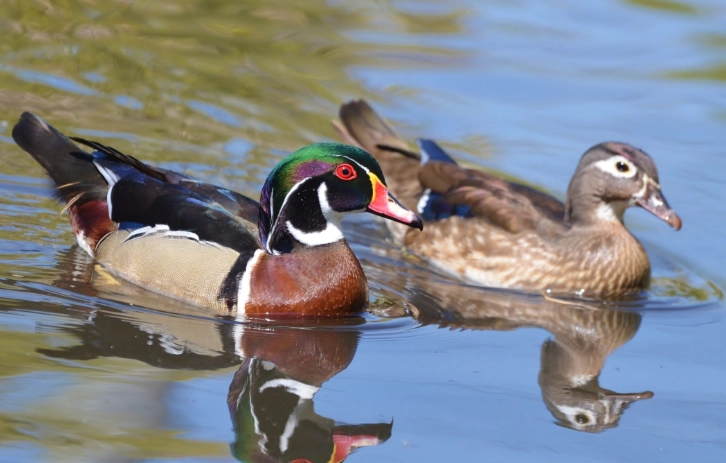
Think about these three non-negotiable elements:
- Still or Slow-Moving Freshwater: Swamps, marshes, beaver ponds, slow creeks, oxbow lakes, and forested floodplains. The key is calm water, often with a lot of vegetative cover like duckweed or water lilies on the surface.
- Overhanging or Emergent Trees: They need trees right at the water’s edge. Bald cypress, water tupelo, willows, cottonwoods, and river birches are classic. These provide perches, shade, and, most importantly, nesting sites.
- Abundant Cavities for Nesting: This is the kicker. Unlike most ducks that nest on the ground, wood ducks are obligate cavity nesters. They require old trees with natural holes or old woodpecker holes, typically 10-50 feet above the ground or water. No suitable cavities? No wood ducks breeding there.
This specific need is why conservation groups like Ducks Unlimited focus so heavily on installing and maintaining wood duck nest boxes. In many areas, these boxes are the primary reason local populations have rebounded from early 20th-century lows. A study from the Cornell Lab of Ornithology’s Birds of the World notes that nest box programs have been instrumental in their recovery, but the birds still heavily rely on natural wetlands with mature timber.
The habitat changes with the seasons, too. In winter, they’ll loosen up a bit, sometimes forming small flocks in more open freshwater habitats, but you’ll rarely find them far from some kind of woody cover.
Observing Wood Duck Behavior: From Courtship to Crèches
Their looks get the attention, but their behavior is what makes them fascinating. Let’s break down what you’re actually seeing.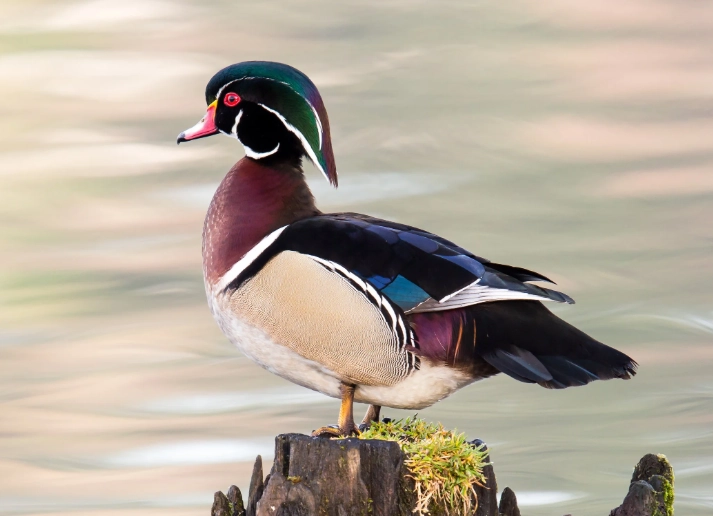
Courtship and Pair Bonding
Pairing happens in late fall and winter. The male’s display is subtle compared to some ducks. He’ll raise his crest, shake his head, and give a soft, rising “jeeee” whistle. The female responds with a distinctive, loud “oo-eek, oo-eek!” call when flushed or excited. If you hear that, you’re definitely in wood duck territory.
Feeding Habits
They’re dabbling ducks, but with an arboreal twist. Their diet shifts:
- Spring/Summer: Heavy on insects, aquatic invertebrates, and the occasional small fish. High protein for breeding.
- Fall/Winter: Shifts to acorns, nuts, seeds, and aquatic plants. Their sharp claws let them perch on branches to glean mast (tree nuts) directly—a behavior you won’t see in mallards.
The Nesting Drama and Duckling Drop
This is their most famous behavioral quirk. The female lays 10-15 eggs in a cavity. A day after hatching, the ducklings must get to water. The mother calls from below, and they climb to the entrance and leap. They can fall over 50 feet without injury, bouncing on the soft forest floor or plopping into the water. It’s a nerve-wracking spectacle.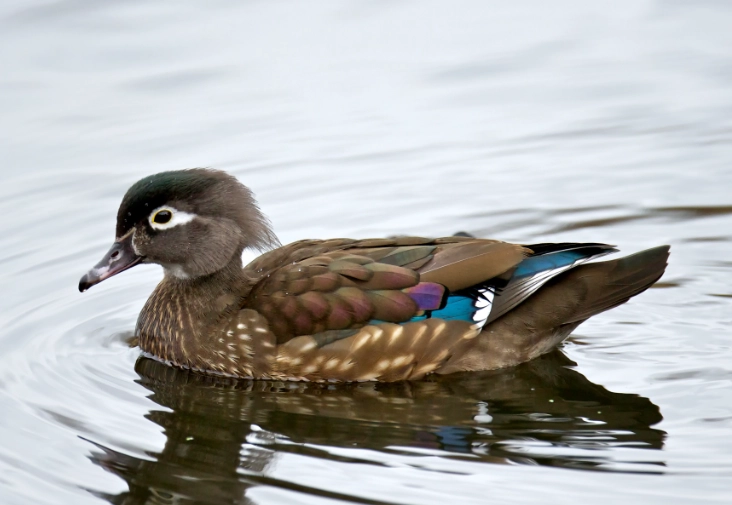
Then comes brood amalgamation or “crèches.” It’s common to see one female with 20+ ducklings. She’s not a supermom; she’s babysitting. Ducklings from multiple broods mix, which might help survival through better predator detection. Don’t assume a huge brood is all hers.
The “Eclipse Plumage” Confusion
Here’s a major point of confusion for new birders. From late summer to early fall, males molt into “eclipse” plumage. They lose their bright colors and look remarkably like females, just with a redder bill and a hint of pattern. If you can’t find any colorful males in August, don’t worry—they haven’t vanished. They’re in disguise, flightless for a period, and hiding in dense cover. By late fall, they’re dazzling again.
How to Find Wood Ducks: A Step-by-Step Field Guide
Let’s get practical. You want to see one. Here’s a plan based on spending too many quiet mornings in wetlands.
Step 1: Timing is Everything. Go at dawn or dusk. Wood ducks are crepuscular—most active in low light. A midday summer search is often futile. Early morning offers the best light for viewing colors and the highest chance of seeing them moving from roosting to feeding areas.
Step 2: Pick the Right Spot. Use a tool like eBird’s hotspot explorer. Don’t just pick any wetland. Look for hotspots described as “wooded swamp,” “beaver pond complex,” or “flooded timber.” State Wildlife Management Areas (WMAs) with waterfowl impoundments are often excellent. Avoid large, treeless reservoirs.
Step 3: Move Slowly and Listen. Walk quietly along the edge of a likely pond. Stop every 50 feet. Listen for the female’s oo-eek or the soft whistles of males. Scan the shadows under overhanging branches with your binoculars, looking for shapes.
Step 4: Look for Key Indicators. No ducks in sight? Look for evidence: - **Nest Boxes:** A series of wood duck boxes on poles over water is a sure sign you’re in the right area, especially from February to July. - **Preferred Food Sources:** Stands of oak trees dropping acorns into the water in fall. - **“Duck Wood”:** Look for water with lots of dead, standing trees (snags) full of potential cavities.
Step 5: Gear Up Appropriately. - **Binoculars:** 8x42 or 10x42. You need good light gathering for those shadowy edges. A wider field of view (8x) helps with tracking them in flight through trees. - **Clothing:** Camouflage isn’t necessary, but muted colors are. Wear waterproof boots—you’ll be near muck. - **Patience:** This isn’t a zoo. I once spent three hours at a perfect spot before a pair drifted out from a hidden creek channel. It was worth every minute.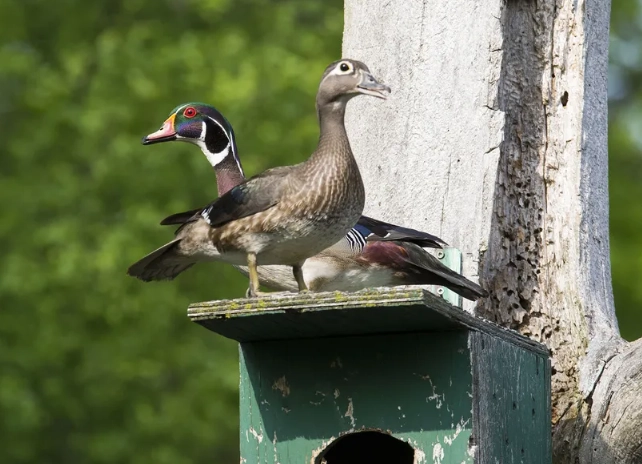
To give you a concrete idea, here are a few specific types of locations that consistently produce sightings across their range (east of the Rockies and along the Pacific coast):
- The Forested Oxbow: An old river meander now cut off, filled with water and surrounded by mature trees. Quiet and perfect.
- The Beaver Pond Complex: A series of ponds created by beavers, flooding a patch of woodland. Dynamic and full of life.
- The Cypress-Tupelo Swamp: The classic southeastern U.S. habitat. Majestic trees, calm water, and high probability.
- The Managed Moist-Soil Unit: On many WMAs, managers flood fields near timber to create foraging habitat. Wood ducks love these.
Your Wood Duck Questions, Answered
Why do I only see the spectacular male wood ducks in the spring and not in late summer?
You’re witnessing the eclipse plumage molt. From roughly July to September, males shed their bright feathers for a drabber, female-like coat. This makes them less conspicuous while they’re also flightless during the wing molt. It’s a vulnerable time. They’re still there, but they’re hiding in the densest cover available. Don’t judge a hotspot by a late-summer visit; come back in October.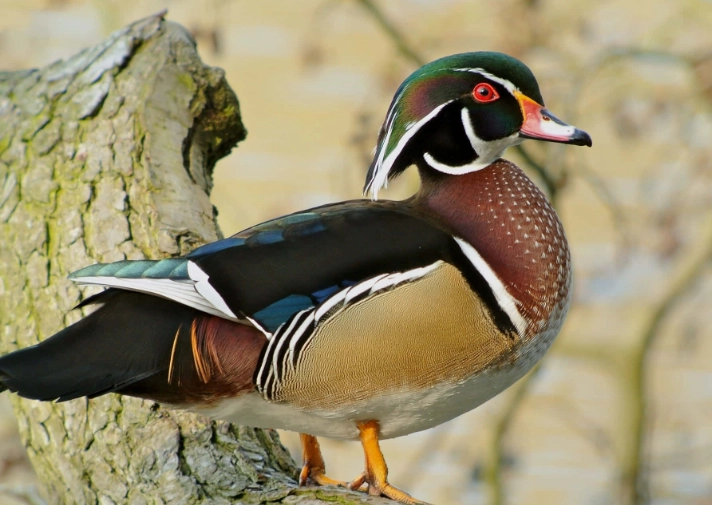
What’s the best way to attract wood ducks to a pond on my property?
Forget just putting out corn. You need to build the entire habitat package. First, ensure you have calm, fresh water. Then, protect or plant native trees and shrubs right to the water’s edge to create cover. Most critically, install a properly built and placed wood duck nest box. Follow the exact specs from a source like the Missouri Department of Conservation’s guide—correct hole size, interior ladder, predator guard, and placement over water are non-negotiable. A bad box is worse than no box.
I saw a female with a huge bunch of ducklings. Is that normal?
Absolutely normal, and it’s called a crèche. It’s not one super-mom. Ducklings from several broods often combine under the care of one or a few females. This might give them a survival advantage through a “many eyes” effect against predators. It also lets other females feed and rest. So when you count 20 ducklings trailing one hen, you’re likely seeing a daycare situation, not an avian miracle of reproduction.
How can I tell a female wood duck from other female dabbling ducks?
class="item-answer">Look for two specific marks. First, the distinct white teardrop-shaped patch around the eye. It’s very clear. Second, look at the speculum (the colored patch on the wing). On a female wood duck, it’s a shimmering blue-purple with crisp white borders at the front and back. In flight, that blue flash is a dead giveaway. Also, listen. Their oo-eek call is unlike any other duck’s.Finding and observing wood ducks rewards patience and knowledge. It’s not about chasing a colorful photo; it’s about understanding a slice of wetland ecology where trees and water meet. Once you learn their rules—the need for cavities, the love of wooded swamps, the dawn-and-dusk schedule—you start seeing opportunities everywhere. That map in your mind gets filled with little blue-purple speculums and echoing oo-eeks. And the next time you spot that impossible palette of colors perched on a cypress knee, you’ll know exactly the story behind the beauty.
Reader Comments