Quick Navigation
Let's be honest. When you picture a House Finch, what comes to mind? Probably that cheerful little guy with the rosy-red head and chest, right? He's the one hogging the bird book covers and getting all the attention at the feeder. But what about his partner? The female House Finch is the ultimate unsung hero of the backyard, and if you've ever looked at a flock of brownish birds and wondered "which one is which?", you're in the right place.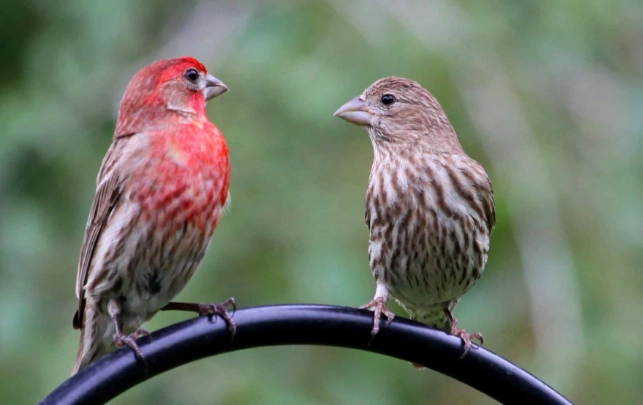
I spent years barely noticing them myself. They were just... brown birds. A blur of streaks at the thistle feeder. It wasn't until I got a decent pair of binoculars and actually stopped to look that her subtle beauty and fascinating behavior completely won me over. That's what this guide is for—to pull her out of the background and into the spotlight.
So, What Does a Female House Finch Look Like? The ID Masterclass
Forget the flashy colors. Identifying a female house finch is all about appreciating the details. This is where most beginners get tripped up, confusing her with sparrows, other female finches, or even young birds.
Her overall look is one of soft, streaky brown. But it's a warm brown, not gray or cool-toned. Think of the color of a toasted almond or light coffee with milk. The key is the pattern. From her crown down to her tail, she's covered in fine, crisp, dark brown streaks. These streaks are most concentrated and defined on her breast and flanks, creating a beautifully striped effect.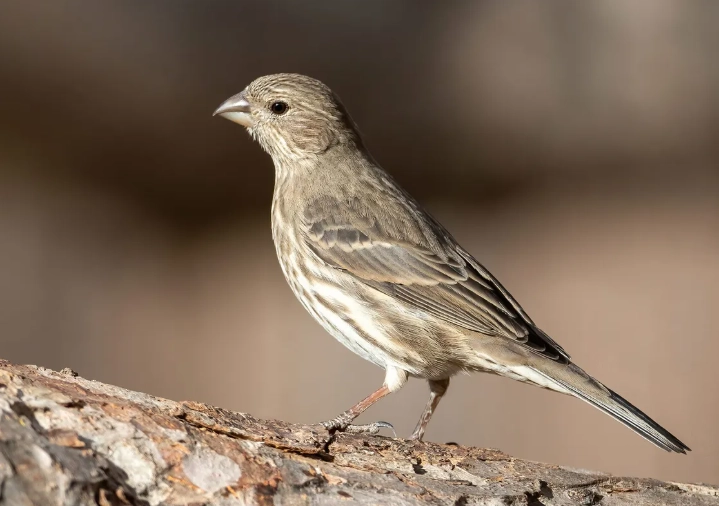
Now, look at her face. This is crucial. She lacks any strong facial markings—no bold eyebrow stripes (supercilium), no dark eye-lines like a sparrow. Her face is plain, which gives her a gentle, open expression. The bill is classic finch: short, conical, and perfect for cracking seeds. It's a pale, horn-colored gray, and it's stout. No delicate, pointed beak here.
How does she stack up against the look-alikes? This is the part that clears up 90% of the confusion.
| Bird | Key Differences from Female House Finch | When You'll Mix Them Up |
|---|---|---|
| House Sparrow (Female) | House Sparrow has a chunkier, darker bill, a pale eyebrow stripe, and a plain, unstreaked grayish breast. The female House Finch's breast is distinctly streaked. | At a quick glance on the ground under a feeder. Sparrows hop; finches tend to shuffle. |
| Purple Finch (Female) | Trickier! Female Purple Finch has a much stronger facial pattern: a bold white eyebrow and a dark cheek patch. Her underparts are streaked with blurry, smudgy streaks, not crisp ones, and she often has a faint wash of greenish-yellow on her rump. | At your sunflower seed feeder in winter. This is a classic "advanced" ID challenge for birders. |
| Pine Siskin | Much smaller and streakier overall, with a very sharp, pointed bill and subtle yellow flashes in the wings and tail. The female House Finch looks portly in comparison. | When they flock together on thistle (nyjer) feeders. Check the beak first! |
| American Goldfinch (Female, non-breeding) | Female goldfinches in winter are dull brown but lack the heavy breast streaking. They have wing bars and a hint of yellow on the throat. Their body shape is also more petite. | At winter finch feeders. The lack of strong streaking on the goldfinch is the giveaway. |
See? It's not so hard once you know what to filter out. The plain face and crisp breast streaking are your best friends.
More Than Just a Pretty Face: Behavior & Song of the Female Finch
If looks are subtle, her voice is anything but. While the male gets credit for the long, warbling, bubbly song (used to claim territory and attract mates), the female House Finch has a vital vocabulary of her own.
Her most common call is a sharp, rising "cheeep!" or a series of "weet-weet-weet" notes. It's the soundtrack of a finch flock. You'll hear this constantly as they move between trees or squabble politely at the feeder. But here's the cool part she doesn't just call. She communicates with her mate constantly.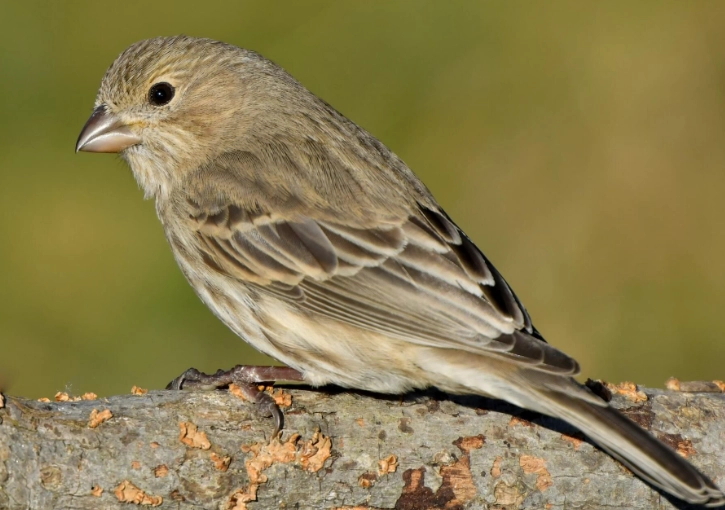
I've watched pairs where the male is singing his heart out, and the female will interject with a softer, chattering series of notes. It looks like a conversation. During nest-building and feeding young, this communication becomes non-stop. She'll give a specific, high-pitched call to signal she's returning to the nest, likely to avoid startling the chicks or to coordinate with her mate.
Nesting: She's the Boss
When it comes to home building, the female is the architect and foreman. She chooses the nest site—often in a dense shrub, a conifer, a hanging flower basket (a favorite!), or on a building ledge. She does all the construction, weaving a tidy cup of grasses, twigs, and feathers, sometimes using over 1,000 individual pieces. The male's job? To follow her around and bring her material. He'll present her with bits of string, grass, or hair, and she decides whether to incorporate it or not. I've seen one reject a piece of dry grass three times before finally accepting it.
She lays 3-6 pale blue eggs with fine speckles and does the majority of the incubation. While she's on the nest, the male is never far, and his primary duty is to feed her. He'll fly to the feeder, stuff his beak, and then deliver the seeds directly to her. It's a sweet and practical partnership.
Attracting Female House Finches to Your Yard (The Right Way)
You want to see these ladies up close? It's easier than you think, but you need to think beyond just throwing seed in a tube. Creating a welcoming habitat is key.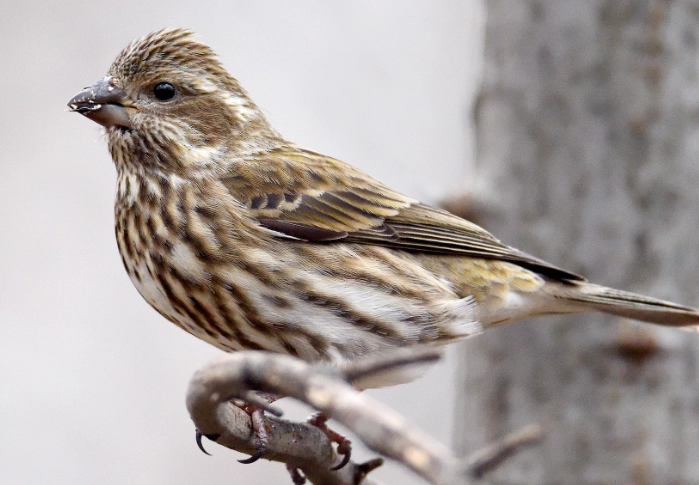
Food is Priority One: They are seed-eating machines. But not all seeds are equal.
- Black Oil Sunflower Seeds: The universal favorite. They'll crack these open all day long. Offer them in a platform feeder or a tube feeder with large enough perches.
- Nyjer (Thistle) Seed: This is like finch candy. A female house finch will cling acrobatically to a thistle sock for ages. It's a high-energy food they love.
- Finch Seed Mixes: Look for mixes heavy on small millet and canary seed. Avoid cheap mixes full of filler grains like milo that they'll just kick out.
- They also eat buds and small fruits. Don't panic if you see them nibbling on your fruit tree blossoms—it's normal.
Water is a Major Draw: A simple birdbath is arguably more attractive than a feeder, especially in summer. They need to drink and bathe. Moving water—from a dripper or a small fountain—will grab their attention from blocks away. I noticed a huge increase in finch visits after I added a small solar fountain to my bath.
Shelter and Nesting Sites: They feel safe in dense, thorny, or evergreen shrubs. Think juniper, holly, or dense thickets of native shrubs. Leaving up dead flower heads in the fall provides both food (seeds) and potential nesting material the next spring. And don't be too quick to tidy up that hanging fuchsia basket—it might be home to a finch family.
Answers to Your Burning Questions About Female House Finches
Over the years, I've heard the same questions pop up again and again. Let's tackle them head-on.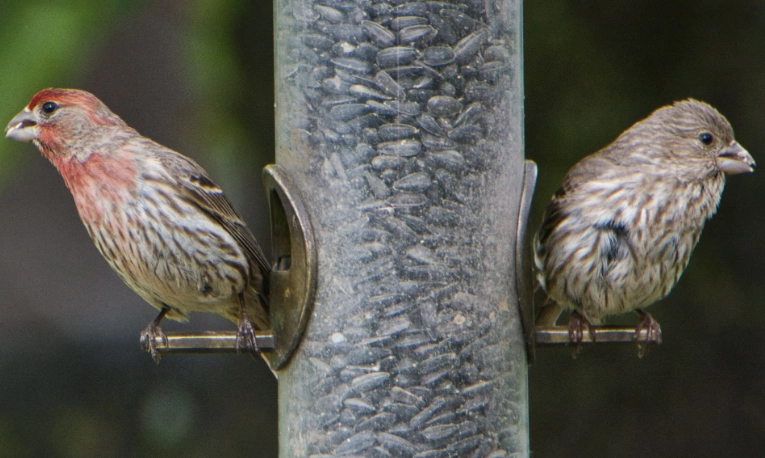
Do female house finches sing?
Not the elaborate territorial song of the male. However, they are incredibly vocal with a large repertoire of calls, chips, and chatters used for communication, especially within the pair bond and family group. So while she's not "singing" in the classical sense, she's definitely not silent.
How can I tell a young/juvenile finch from a female?
This is tricky! Juvenile House Finches, fresh out of the nest, look very similar to the adult female but are often even streakier, especially on the belly, and their streaking can look messier and less defined. Their bills can sometimes appear slightly more yellow at the base. The best clue is behavior—they'll often sit and beg, fluttering their wings, even when they're nearly full-sized, and you might see an adult (male or female) feeding them.
Do female house finches turn red?
No. The red, orange, or yellow coloration in House Finches comes from carotenoid pigments in their diet (berries, seeds) and is a trait expressed only in males. The female's plumage remains in the brown-and-streaky palette throughout her life. If you see a streaky brown bird with patches of red, it's almost certainly a first-year male who is still molting into his adult colors.
How long do they live?
In the wild, the average lifespan is short, maybe 2-3 years due to predators and disease. But the record, according to bird banding data from places like the USGS Bird Banding Laboratory, is over 11 years! That's a lot of nesting seasons.
Are they native to my area?
This has a funny history. House Finches are native to the western United States and Mexico. In 1940, a few were illegally released in New York City ("the Hollywood Finches" pet store story). They spread explosively across the entire eastern U.S. So now, they're a permanent resident across almost all of North America. You can find fascinating maps of this invasion on sites like the Cornell Lab of Ornithology's All About Birds page.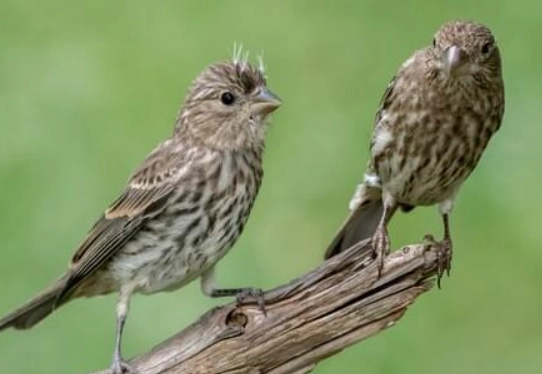
The Bigger Picture: Why She Matters
Observing the female House Finch does more than just help you win at bird ID. It connects you to the rhythm of your local ecosystem. Her nesting cycle marks the seasons. Her presence at your feeder is a small sign of a healthy, welcoming space. In a world of flashy males, taking the time to understand her subtlety feels like learning a secret language.
She's not just a background character. She's the engineer of the nest, the primary caregiver, the constant communicator, and a resilient survivor thriving right under our noses. Next time you see that blur of streaky brown, take a second look. You're not just seeing a "little brown bird." You're seeing the quiet, capable heart of the House Finch family. And honestly, that's way more interesting.
Grab a seat by the window, watch the feeder, and listen for that familiar "cheeep." You might be surprised at what you've been missing.
Reader Comments