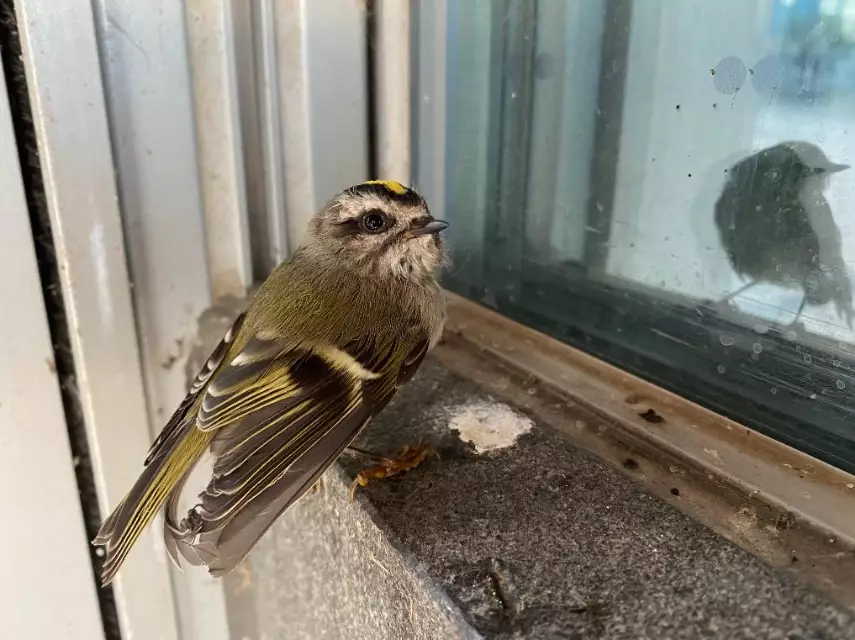
You hear that dreaded thud against the glass. Your heart sinks. Rushing outside, you find a small bird lying motionless on the ground. Is it dead? Is it just knocked out? And the big question: how long will a bird stay stunned after hitting a window? The short answer is it varies wildly—anywhere from a few minutes to several hours, depending entirely on the severity of the impact. But knowing that range is just the start. What you do in those first critical moments can mean the difference between a successful recovery and a tragedy. Having dealt with more window strikes than I care to count over the years, I can tell you that most advice online misses the subtle, crucial steps that actually help the bird.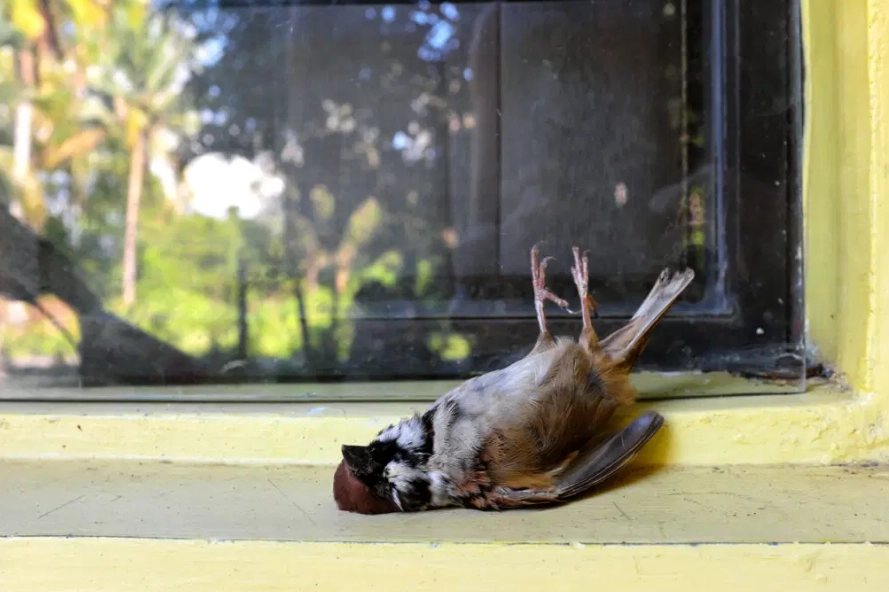
What You’ll Find in This Guide
The Realistic Recovery Timeline: From Minutes to Hours
Let’s cut to the chase. The stunned period isn’t a single number. It’s a spectrum dictated by the force of the hit, the size of the bird, and plain luck. Think of it like a human concussion—some people shake it off in an hour, others are out for days.
I’ve seen tiny chickadees bounce back in under ten minutes, looking dazed but then zipping off. On the other hand, a mourning dove that hit my picture window at full speed once sat in a quiet box for nearly two hours before it felt steady enough to fly. It’s not just about waiting; it’s about observing.
| Impact Severity | Bird's Signs & Symptoms | Typical Stunned Duration | Likely Outcome |
|---|---|---|---|
| Mild Bump | Briefly dazed, sits still but alert, may shake head. Eyes clear. | 5 - 20 minutes | Full recovery very likely. Bird will fly off strongly. |
| Moderate Strike | Lying on side or breast, eyes may be closed or half-open. Slow, deliberate blinking. Uncoordinated movements if it tries to stand. | 30 minutes - 2 hours | Good chance of recovery with quiet rest. May need a safe place to recuperate. |
| Severe Collision | Unconscious or completely immobile for extended period. Visible head tilt, neck at odd angle, uneven pupil size (a major red flag). Possible bleeding from beak or nares. | Several hours to permanent injury | Critical condition. Requires immediate intervention from a wildlife rehabilitator. Internal injuries are likely. |
A common mistake I see? People assuming a bird that’s been still for 30 minutes is “almost ready.” Rushing it can cause a relapse. The key indicator isn’t just time—it’s consistent, alert behavior. A bird that perks up, preens its feathers, and looks around with clear focus is telling you it’s ready. One that just sits there, eyes glazed, needs more time.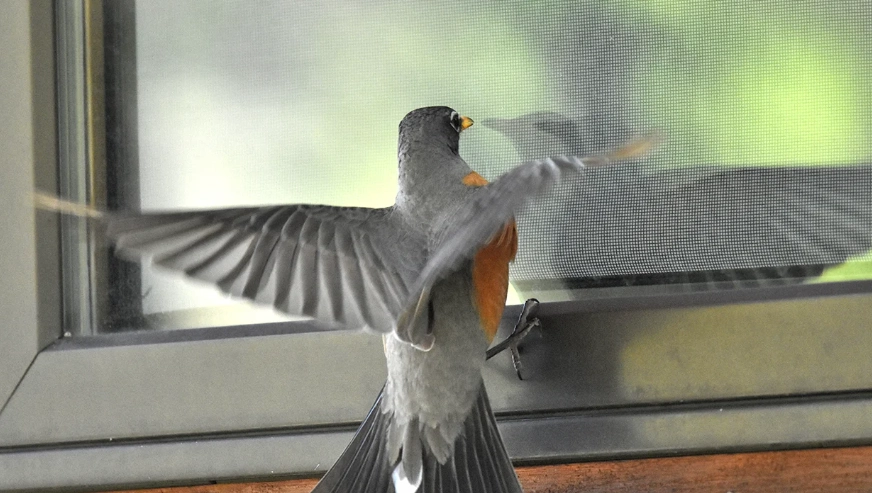
Step-by-Step: What to Do If You Find a Stunned Bird
Okay, you’ve found the bird. Panic doesn’t help. Here’s the exact sequence I follow, refined after some early errors (like putting a bird in a cardboard box that was too large—it flapped and re-injured itself).
1. Assess and Secure the Scene
First, check for immediate threats. Is there a cat lurking? Is the bird in the sun? Gently approach. If the bird is alert and can hop away, your job might just be to keep pets indoors. If it’s immobile or dazed, you’ll need to intervene.
2. The Safe Container Protocol
This is where most guides are too vague. You need a small, ventilated container. A shoebox is perfect. Line it with a soft, non-fraying cloth like an old t-shirt—not paper towels (their claws can get stuck). The container should be just big enough for the bird to turn around, but not so big it can build up speed to flutter. Darkness reduces stress dramatically.
Wear gloves if you have them, for your safety and the bird’s. Gently scoop the bird into the box. Don’t try to give it water or food. A concussed bird can easily aspirate.
3. The Waiting Game and Release Check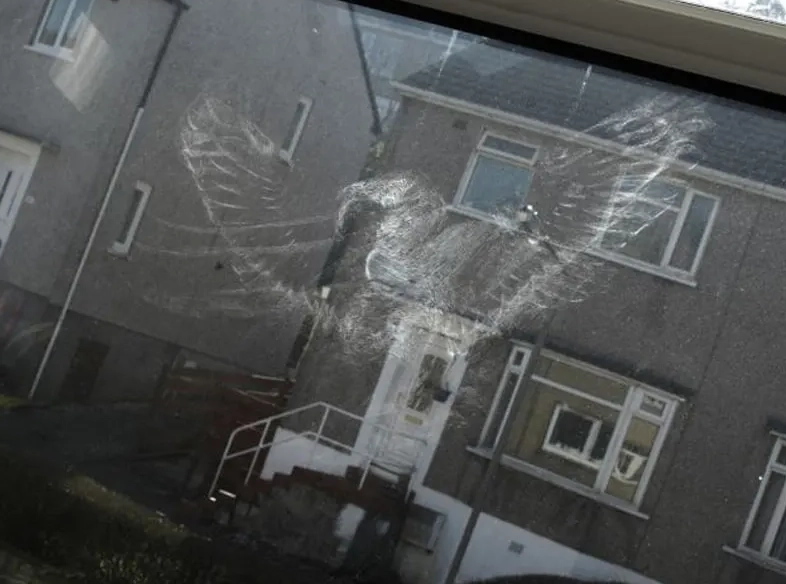
Set a timer for 45-60 minutes. Do not peek every five minutes. The stress of a giant eye staring at it will delay recovery.
After the time is up, take the container outside near where the bird was found. Open the lid slightly. Observe. A recovered bird will often sit for a minute, orient itself, and then fly straight out. If after 15 minutes it hasn’t moved, it needs more time back inside, or professional help.
4. When to Call a Professional
If the bird has any of the following, contact a licensed wildlife rehabilitator immediately:
- Visible blood or a clearly broken wing/leg.
- A head tilt or neck that looks twisted.
- It’s been more than 4-5 hours with no improvement in alertness.
- The bird is a nestling with few feathers.
Search for “[Your State] wildlife rehabilitator” or use directories like the one from the Humane Society.
How to Prevent Future Bird Window Collisions
Dealing with a stunned bird is reactive. Preventing the strike is proactive and far more effective. The core problem is that birds see reflections of trees and sky as real habitat. You need to break up that reflection.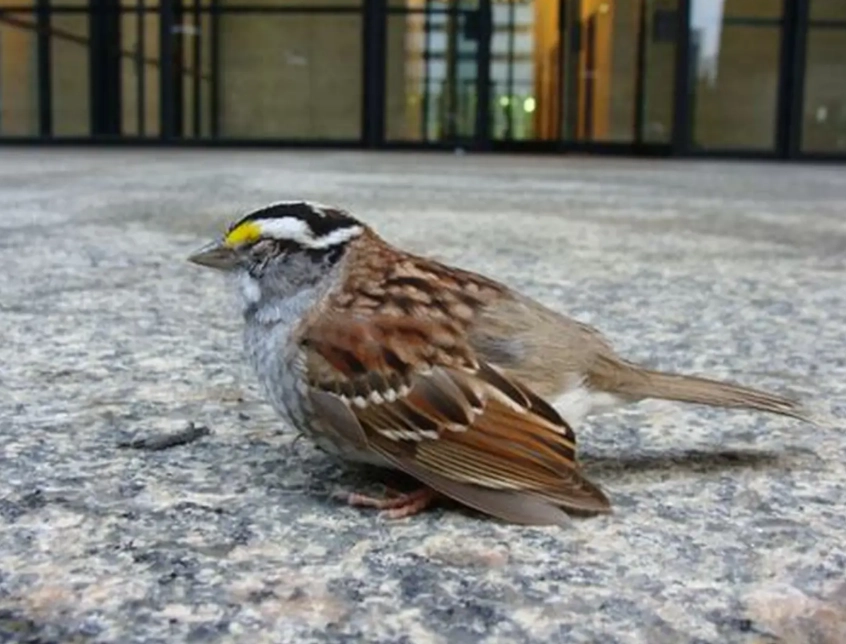
Many people try one or two decals and call it a day. It’s not enough. Studies from the Cornell Lab of Ornithology show that patterns need to be dense—no more than 2 inches apart in all directions—to be effective for small birds.
Here are the methods that actually work, ranked by my own experience with their effectiveness and practicality:
Acopian BirdSavers (Zen Curtains): These are cords hung vertically on the outside of the window. They’re nearly invisible to humans but break up reflections perfectly. I installed these on my worst offending window three years ago and strikes there dropped to zero. They’re the gold standard.
External Screens or Netting: Mounting a fine mesh screen or netting a few inches in front of the glass is 100% effective. It’s not the most aesthetic, but for a problematic porch or sunroom, it’s a surefire solution.
Tempera Paint or Soap Patterns: A cheap, immediate fix. Use a bar of soap or non-toxic tempera paint to draw dense patterns—dots, lines, grids—on the outside of the window. It washes off but proves the concept before you invest in permanent solutions.
Commercial UV Decals: Decals like those from WindowAlert are visible to birds (who see UV light) but mostly transparent to us. The catch? You need a lot of them, placed close together. A single hawk silhouette in the center of a large pane does almost nothing.
Move feeders and baths. This is a simple one. Place bird feeders either within 3 feet of the window (so a startled bird can’t build up lethal speed) or more than 30 feet away, so the window isn’t in the immediate flight path.
Your Bird Collision Questions Answered
 How effective are those transparent window films that claim to be bird-safe?
 Do bird strike deterrents ruin my view?
Reader Comments