Let's cut to the chase. If you're a birder, Cuba isn't just another Caribbean island. It's a living museum of evolution, a place where isolation created a stunning array of birds found nowhere else on Earth. Forget the postcard beaches for a moment. The real treasure here is the sound of a Cuban Tody at dawn, the flash of a Bee Hummingbird in a flower patch, and the prehistoric silhouette of a Cuban Parrot against the mogotes. I've spent over a decade guiding trips here, and I still get chills every time I see a Zapata Wren.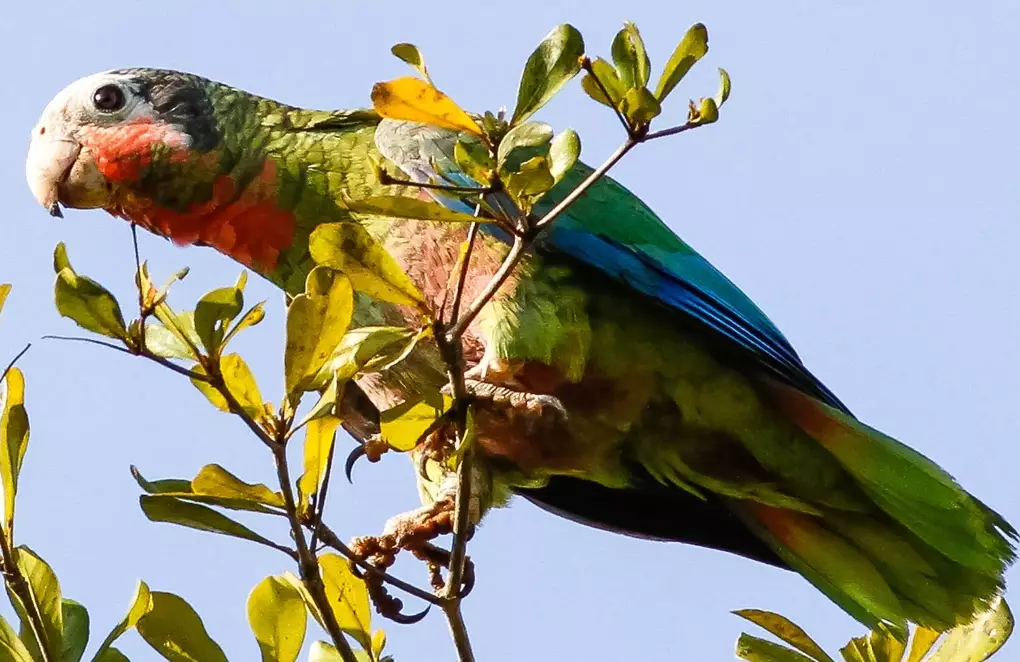
The problem most birders face isn't a lack of desire to visit. It's the planning. The information online is often generic, repeating the same five species and two locations. You need the nitty-gritty: where to go, when to be there, how to move around, and what mistakes to avoid. This guide is that missing piece.
What's Inside This Guide
Why Cuba is a Birding Paradise (It's Not Just the Numbers)
Sure, the stats are impressive. Cuba and its surrounding keys (the "archipelago") host over 370 bird species. Of those, 28 are endemic – meaning they live only here. Another 30 or so are Caribbean regional endemics. But the magic is in the "how."
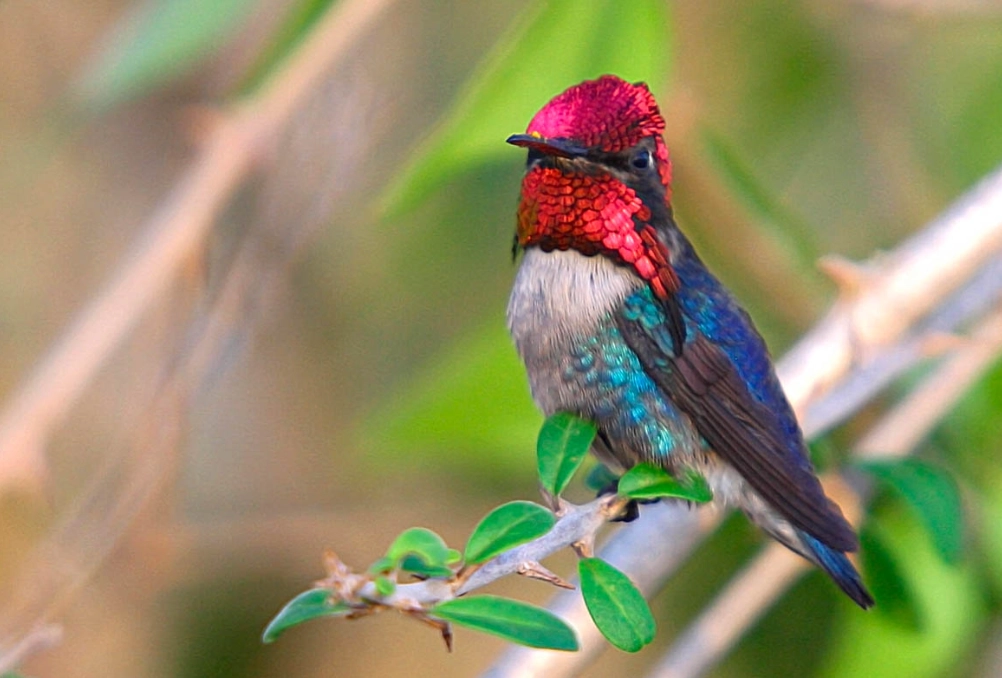
Because Cuba was never connected to the mainland, its birds evolved in a unique direction. You get ancient lineages, like the Cuban Trogon, the national bird that looks like a living flag (blue, white, and red). You get bizarre specialists, like the Zapata Wren, which only lives in one specific type of sawgrass marsh. And you get the ultimate record-holder: the Bee Hummingbird, the world's smallest bird, a feathered jewel that weighs less than a dime.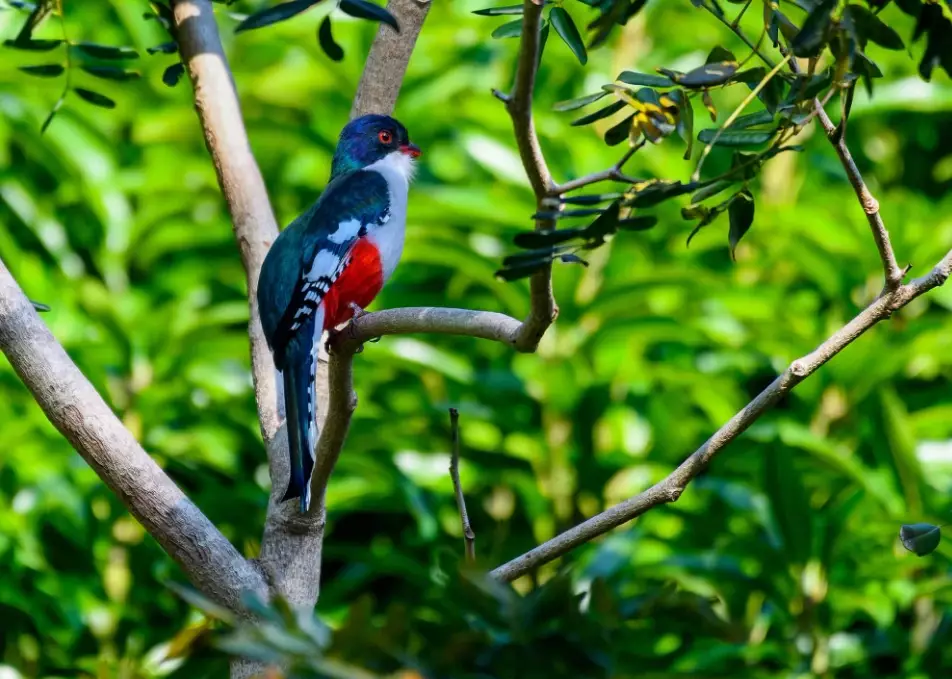
But here's the non-consensus part everyone misses. The real appeal isn't just ticking off the endemics list. It's the accessibility and the landscapes. In many tropical countries, you have to trek for days into remote jungles to see special birds. In Cuba, some of the best birding is a 2-hour drive from Havana, in habitats that range from pristine coral keys to cloud-forested mountains. You can see a stunning variety before lunch.
A Quick Reality Check
Birding in Cuba is incredible, but it's not a luxury eco-lodge experience. Infrastructure can be basic. Internet is spotty. You'll need patience and flexibility. But that's part of the charm – it feels like real exploration, not a packaged tour. The rewards far, far outweigh the hassles.
Top Birding Hotspots: From Famous Swamps to Hidden Forests
You can't cover it all in one trip. Focus is key. These are the locations that consistently deliver, based on where I've had the most success with clients.
1. Zapata Swamp (Ciénaga de Zapata) – The Undisputed Champion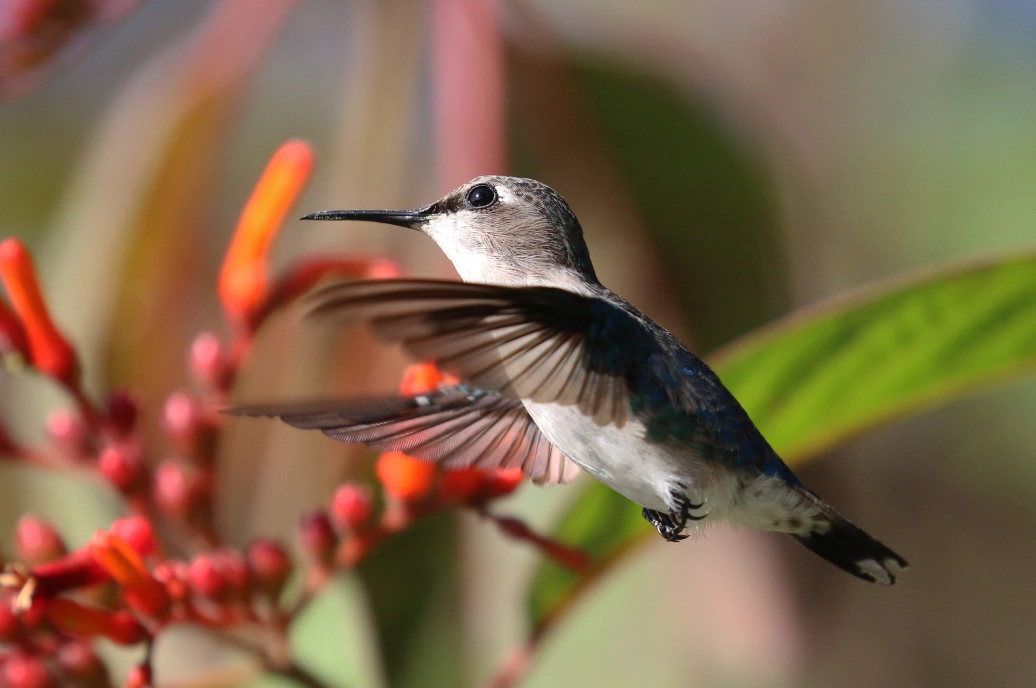
This is ground zero for serious birders. It's a UNESCO Biosphere Reserve and the largest wetland in the Caribbean. Think of it as Cuba's premier birding arena.
- What You'll Find: This is the only place in the world to see the Zapata Wren, Zapata Rail, and Zapata Sparrow (the "Zapata Triple Crown"). It's also fantastic for Cuban Parrots, Bee Hummingbirds, Blue-headed Quail-Doves, and Fernandina's Flicker.
- Key Sectors: Don't just say "Zapata." Be specific.
- Bermejas Reserve: The absolute best trail for the Zapata Wren and Sparrow. A local guide here is non-negotiable.
- Las Salinas: A vast area of salt flats and mangroves, incredible for waders, flamingos, and waterbirds. Bring a spotting scope.
- Santo Tomás: Village trails good for tody, trogon, and woodpeckers.
- Logistics: Base yourself in Playa Larga or Playa Girón. You must hire a local guide from the community. They know the exact territories and have a symbiotic relationship with the birds (some even feed the wrens). Expect to pay $30-$50 for a half-day. No official park fee, just guide fees.
2. Topes de Collantes / Guamuhaya Mountains
Need a break from the lowland heat? Head to the hills. This area in the Sierra del Escambray offers cloud forest birding and a completely different set of species.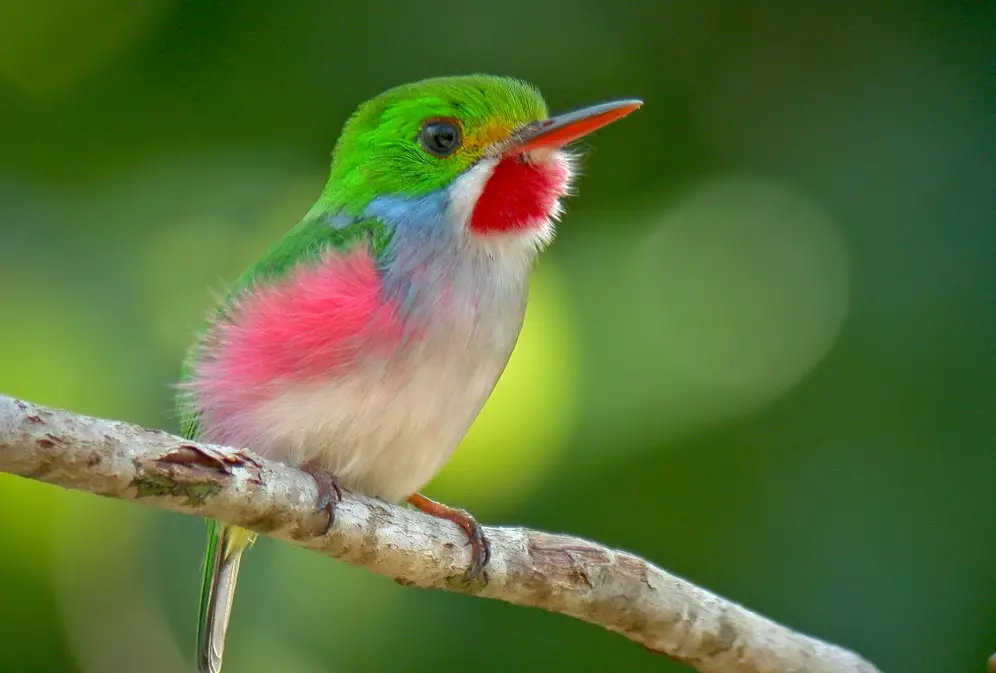
- What You'll Find: Cuban Solitaire (haunting song), Cuban Trogon, Cuban Tody, Cuban Green Woodpecker, and the rare Gundlach's Hawk. The mix of pines and broadleaf forest is beautiful.
- Key Spot: The Codina Trail is easily accessible and productive. The Caburní Falls hike is tougher but rewarding.
- Logistics: Stay in Trinidad (a gorgeous colonial town) and drive up for the day (about 30 mins). Or stay at the Kurhotel in Topes itself. Guides are available but you can bird the Codina Trail independently quite easily.
3. The Northern Keys (Cayos) – Cayo Coco & Cayo Paredón Grande
This is for a different vibe. These keys off the north coast are connected by causeways and have resort hotels, but the protected natural areas are outstanding.
- What You'll Find: Huge waterbird colonies. The main draw is the Greater Flamingo (thousands nest here), plus Roseate Spoonbills, Reddish Egrets, and a host of shorebirds. It's also one of the most reliable places for the Cuban Gnatcatcher and the Oriente Warbler (both endemics).
- Key Spot: The Flamingo Sanctuary on Cayo Paredón Grande. You need a park permit and mandatory guide, arranged through your hotel or a tour company.
- Logistics: You'll likely be staying at an all-inclusive resort. Book the birding tour through the hotel's excursion desk. It's painless but less flexible.
The Must-See Endemic Birds: A Practical Checklist
Here’s a breakdown of the headline acts. This isn't just a list; it's where and how to find them.
| Bird | Scientific Name | Key Features & Habitat | Best Place to See It |
|---|---|---|---|
| Bee Hummingbird | Mellisuga helenae | World's smallest bird. Male has iridescent pink-red head & throat. Gardens, forest edges. | Zapata (Bermejas), Botanical Gardens in Havana/Trinidad, Soroa. |
| Cuban Trogon | Priotelus temnurus | National bird. Striking blue, white, and red plumage. Woodlands everywhere. | Widespread. Almost any forested area. |
| Cuban Tody | Todus multicolor | Small, bright green with a red throat. Makes a machine-gun like "tot-tot-tot" call. | Widespread in forests and scrub. Listen for the call. |
| Zapata Wren | Ferminia cerverai | Brown, secretive, long-tailed. Endangered and range-restricted. | ONLY in sawgrass of Zapata Swamp (Bermejas). |
| Zapata Rail | Cyanolimnas cerverai | Elusive, greyish rail. Critically Endangered. Heard more than seen. | Zapata Swamp. Requires extreme patience/luck or playback by expert guide. |
| Cuban Pygmy-Owl | Glaucidium siju | Tiny owl, diurnal. Two color morphs (grey & brown). | Wooded areas. Often responds well to playback of its call. |
| Cuban Green Woodpecker | Xiphidiopicus percussus | Greenish with a red crown. Cuba's only endemic woodpecker. | Forests, woodlands, even parks. Common. |
Aim to see about 15-20 of the endemics on a well-planned 10-day trip. That's a fantastic success rate.
Planning Your Trip: Logistics, Timing & Essential Gear
This is where trips are made or broken.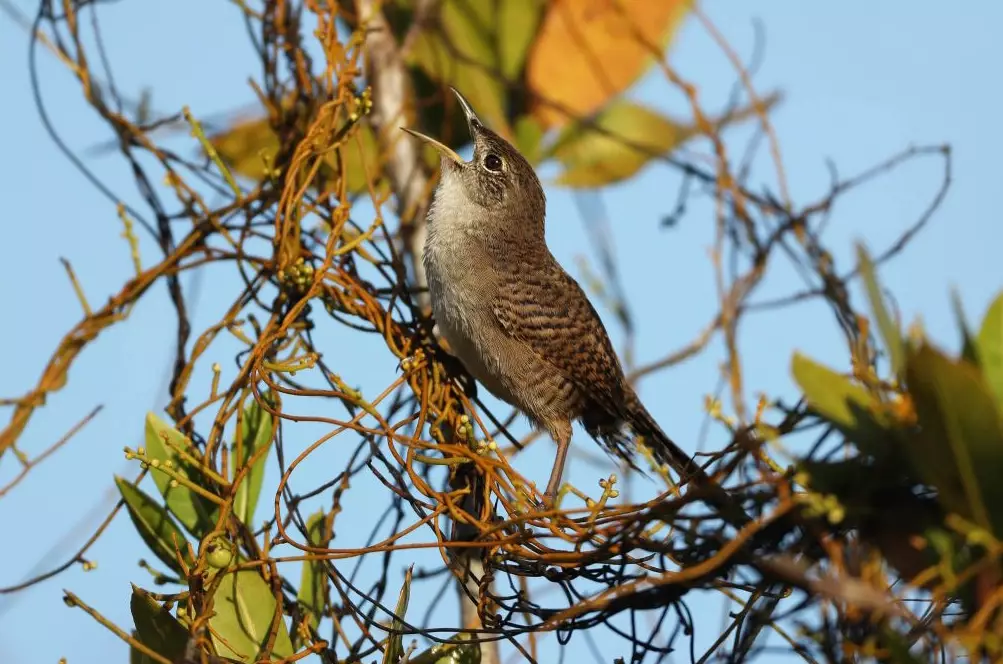
Best Time to Go
Dry Season (November to April) is ideal. Birds are vocal, mosquitoes are fewer, and roads are passable. December to February is peak for migratory species from North America too. Avoid late September/October, the peak of the hurricane season. Rainy season (May-Oct) can be productive but is hot, humid, and trails can be muddy.
How to Get Around
This is the biggest hurdle. Renting a car gives maximum flexibility but can be expensive and paperwork-heavy. Private taxi with a driver for multiple days is a popular, stress-free option (you negotiate a daily rate). Organized birding tours handle everything but are the most costly. Public transport is not feasible for serious birding with gear.
Essential Gear Beyond Binoculars
- A good field guide: The Birds of Cuba field guide by Orlando Garrido and Arturo Kirkconnell is the bible. Bring the physical book. Don't rely on apps with spotty internet.
- Sound recording gear: A pocket recorder (like a Zoom H1n) is invaluable. Many birds, like the wren and rail, are heard first.
- Mosquito protection: DEET-based repellent and permethrin-treated clothing. Trust me on this.
- Power bank & adapters: Electricity can be intermittent. Cuba uses 110V/220V, plugs are Type A/B (like USA).
- Cash: Bring enough Euros or Canadian dollars to exchange for Cuban Pesos (CUP). US credit/debit cards DO NOT work. Have cash for guide tips, entrance fees, and souvenirs.
Expert Tips & Common Mistakes to Avoid
After a decade, you see patterns. Here’s what most first-timers get wrong.
Mistake #1: Trying to do too much. Cuba is bigger than it looks on a map. Don't try to hit Havana, Zapata, the eastern mountains, and the keys in one week. You'll spend all your time driving. Pick two, maybe three regions max.
Mistake #2: Skipping the local guide in key areas. I know you're a competent birder. But in Zapata, a local guide isn't a luxury, it's a tool. They know which exact clump of sawgrass the wren is singing from today. They have relationships with the birds. The $40 you spend will save you hours of frustration and increase your success rate tenfold. This is my single most important piece of advice.
Mistake #3: Underestimating the sun and humidity. Start early. Bird from 6:30 am to 11 am, then take a long break during the heat of the day. Resume around 4 pm. Hydrate constantly. A wide-brimmed hat is worth its weight in gold.
Pro Tip: Learn the songs and calls of your top 10 target species before you go. Being able to recognize the Zapata Wren's reedy chatter or the Cuban Solitaire's ethereal song will let you find birds yourself, not just follow a guide's finger.
Your Cuba Birding Questions Answered
What is the single most challenging endemic bird to see in Cuba?
Hands down, the Zapata Rail. It's critically endangered, lives in dense, flooded sawgrass, and is incredibly secretive. Even expert guides might go weeks without a visual. Hearing its distinctive "kik-kik-kerrrr" call at dawn is often the victory. The Zapata Wren is elusive but more reliable with a good guide. The rail is the true holy grail.
I only have 5 days for birding in Cuba. What's the most efficient itinerary?
Forget the east or the keys. Fly into Havana, spend one afternoon/evening birding the Botanical Garden or Parque Metropolitano for an intro. Then drive straight to Playa Larga in Zapata Swamp (2.5 hours). Spend three full days exploring Bermejas, Las Salinas, and Santo Tomás with a local guide. This will get you 15+ endemics including the Zapata specials. Drive back to Havana on the fifth day. It's focused, logistically simple, and maximizes your time in the best habitat.
Can I use eBird in Cuba to find birding spots?
You can, but with major caveats. Internet access is limited and slow. Download the eBird data for Cuba before you leave home using the "Download My Data" feature on the website for offline use in the app. Be aware that many precise locations in sensitive areas (like exact Zapata Wren spots) are deliberately obscured or listed as private on eBird to protect the birds. Use it as a general guide for hotspots, not a precise treasure map.
What's the most overrated and underrated aspect of birding in Cuba?
Overrated: The belief that you'll easily see every endemic. Some, like the rail, are just hard. Manage your expectations.
Underrated: The quality of the local birding guides. Many are not just "drivers who know birds." They are genuine experts, often trained by scientists from the Cuban National Museum of Natural History. Their knowledge of micro-habitats and bird behavior is profound. Listening to them is a masterclass in Cuban ornithology.
Is it ethical to use playback to see birds like the Zapata Wren?
This is a nuanced one. In the hands of a responsible local guide, limited, judicious use of playback is a standard tool. They know the individual birds, their territories, and the pressure they can handle. They use it to bring a bird into view briefly, not to harass it. Do not go blasting calls on your phone repeatedly. It stresses the birds, especially endangered ones. My rule: leave playback to the guides who have a long-term stake in the bird's well-being. Your job is to observe, not to provoke.
 The birds of the Cuban archipelago are waiting. It's a trip that demands a bit more planning and flexibility than most, but the payoff is unmatched. You're not just seeing a list of species; you're stepping into an evolutionary story that played out on an island stage. Pack your bins, learn a few calls, and get ready for one of the most rewarding birding adventures on the planet.
Reader Comments