Let's cut to the chase. The best weather for bird watching isn't a single, perfect forecast. It's a combination of conditions that make birds active, visible, and less likely to be hiding. If I had to pick one ideal scenario after years of chasing feathers, it's a calm, overcast morning following a light rain. The air is fresh, the worms are out, and the birds are hungry and singing. But that's just the headline. The real story is understanding why, and how to adapt when the weather doesn't cooperate.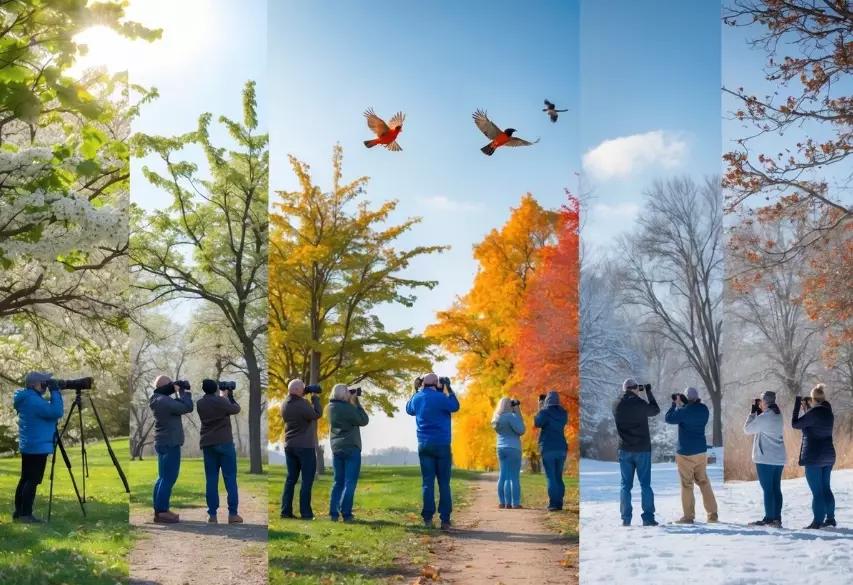
What's Inside This Guide
Why Weather Matters More Than You Think
Birds are tiny, feathered weather vanes. Their entire daily routine—feeding, singing, migrating—is dictated by atmospheric conditions. Think about it from their perspective. High winds make flying energetically costly and dangerous. Bright sun can overheat them and create harsh shadows where predators lurk. Heavy rain soaks their feathers, ruining their insulation.
When conditions are poor, they do what any sensible creature would: they hunker down. They find dense cover, stop singing (why advertise your location when you're vulnerable?), and wait it out. For you, the birder, this means a frustratingly quiet walk.
The goal is to be out when they need to be out. When the pressure is just right, the temperature mild, and the food abundant. That's when the woods come alive.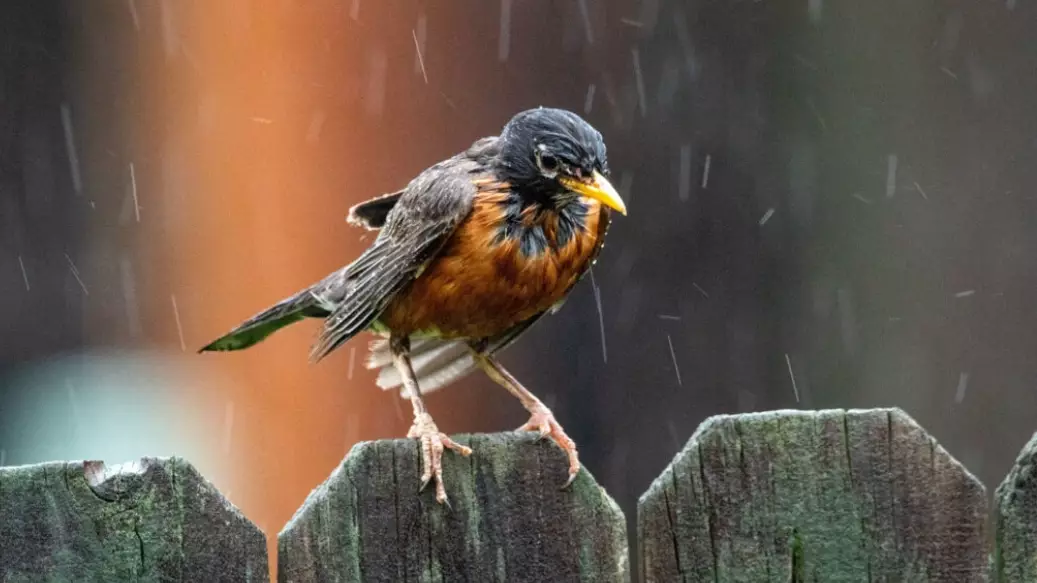
The Best Weather Conditions for Bird Watching (Ranked)
Here’s a breakdown of common weather scenarios, from the birding jackpot to the days you might want to stay in and clean your lenses.
>| Weather Condition | Bird Activity & Visibility | Key Pros for Birders | Key Cons & Challenges | Expert Tip for This Weather |
|---|---|---|---|---|
| Overcast & Calm (Post-Rain) | Exceptionally High. Birds feed actively, sing frequently, stay lower in trees. | Soft, shadowless light perfect for seeing colors and details. Calm air carries sound. Insects/worms are plentiful. | Can be chilly. Muddy trails. | Focus on edges of woods and open fields. Listen for concentrated feeding flocks. |
| Light Overcast & Mild | Very High. Consistent activity throughout the day. | Even lighting reduces glare. Birds are less skittish than in bright sun. Comfortable for extended walking. | Some species may be slightly less vocal than post-rain. | A great day for photography and systematic scanning of tree canopies. |
| Clear & Cool (Early Morning) | High, but time-sensitive. Peak at dawn, drops sharply by mid-morning. | Beautiful golden hour light. Dawn chorus is spectacular. Excellent visibility. | Activity plummets as sun gets higher and hotter. Harsh shadows form later. | Be in your spot before sunrise. Your first hour will yield 80% of your sightings. |
| Light Drizzle / Mist | Moderate to High. Surprising activity, especially among insect-eaters. | Few other birders out. Birds are often closer to paths seeking shelter. Mystical atmosphere. | Keeping optics dry is a constant battle. Can be quiet if drizzle turns to steady rain. | Use a rain guard for your binoculars. Target sheltered areas like conifer groves and brush piles. |
| Windy (Moderate) | Low to Moderate. Birds seek leeward sides of cover. Song is minimal. | Can be good for spotting raptors soaring on thermals. Forces birds to predictable, sheltered spots. | Hard to hold binoculars steady. Leaves and branches constantly moving obscure birds. | Bird the downwind side of forests, lakes, and hills. Look for pockets of calm. |
| Bright, Hot Sun (Midday) | Very Low. Birds are inactive, resting in deep shade. | ...Good for a nap? Honestly, not much. | Heat haze distorts views. Glare is terrible. Almost no bird movement or song. | Switch strategies: look for birds at water sources (ponds, bird baths) or focus on shaded, damp creek beds. |
| Heavy Rain / Strong Winds | Very Low. Most birds are completely hunkered down. | Might see brave waterfowl or gulls. A chance to test your gear's waterproof rating. | Unpleasant, potentially dangerous. Virtually no passerine activity. | Save your energy. Use the time to organize photos, update your eBird lists from the Cornell Lab of Ornithology, or plan your next outing. |
A Non-Consensus View: Most beginners think a bright, sunny day is perfect. It's actually one of the worst for serious birding. The light is harsh, shadows hide birds, and heat makes everything lethargic. The magic happens when the sun is diffused.
How to Adapt Your Birding Strategy to Different Weather
Knowing the ranking is one thing. Knowing what to do is another. Your location and tactics must change with the forecast.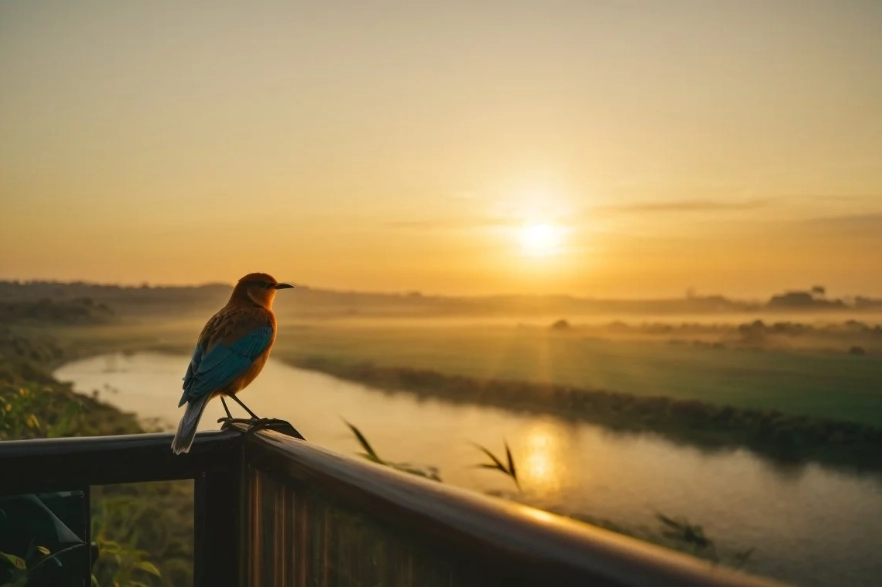
What About Wind, Rain, and Extreme Temperatures?
Wind: Forget wandering aimlessly. Find the sheltered side. If the wind is from the west, bird the east side of a woodlot or a hill. Raptors like Red-tailed Hawks and Turkey Vultures will be riding the updrafts on the windward side—great for spotting them at eye level. In coastal areas, onshore winds can push seabirds like shearwaters closer to shore.
Rain: Light rain is a secret weapon. Warblers and thrushes will often forage on the ground on wet lawns or paths. Head for evergreen forests where the canopy provides a drier understory. One of my best Winter Wren sightings was in a dripping-wet hemlock stand during a steady mist—it was the only patch of dry ground for acres.
Extreme Cold or Heat: Birds are struggling to conserve energy or cool down. In winter, follow the sun—south-facing slopes will have the most insect and bird activity. In a heatwave, dawn is even more critical, and after that, focus entirely on water. Every puddle becomes a bird magnet.
How Does Season Change the 'Best' Weather?
The perfect spring day is a terrible winter day. Your expectations need to shift.
- Spring Migration (Mar-May): This is the weather drama we all watch. A warm front with south winds after a period of rain? That's a "fallout" scenario, where exhausted migrants drop from the sky onto the first land they see (coastal parks are legendary for this). Overcast and drizzly mornings during peak migration can be insane—birds are grounded and feeding.
- Summer: Early morning is your only productive window on most days. Overcast summer days are a gift, extending activity for hours.
- Fall Migration (Aug-Nov): Look for cold fronts with northwest winds. This pushes southbound migrants along. Clear, crisp days after a front can see hawks streaming by at mountain lookouts.
- Winter: Sunny days are actually good now! The sun provides precious warmth. Birds form mixed flocks and are actively foraging all day to survive. A sunny, calm winter afternoon can be superb. Snow cover, ironically, makes birds easier to spot against the white background.
Your Birding Weather Questions Answered
 Can you go bird watching in the winter?
Reader Comments