Let's cut to the chase: Big Bend National Park is one of the most unique and challenging parks in the entire system. It's also one of the most rewarding. I've been down there half a dozen times over the years, and I still feel like I've only scratched the surface. Most first-timers make two big mistakes: they underestimate the sheer size and they show up unprepared for the desert's extremes. This guide is here to make sure you're not one of them. We're going to move past the generic "it's beautiful" stuff and get into the nitty-gritty of how to actually plan a successful trip, where to find the birds everyone talks about, and how to avoid the common pitfalls that can turn an adventure into an ordeal.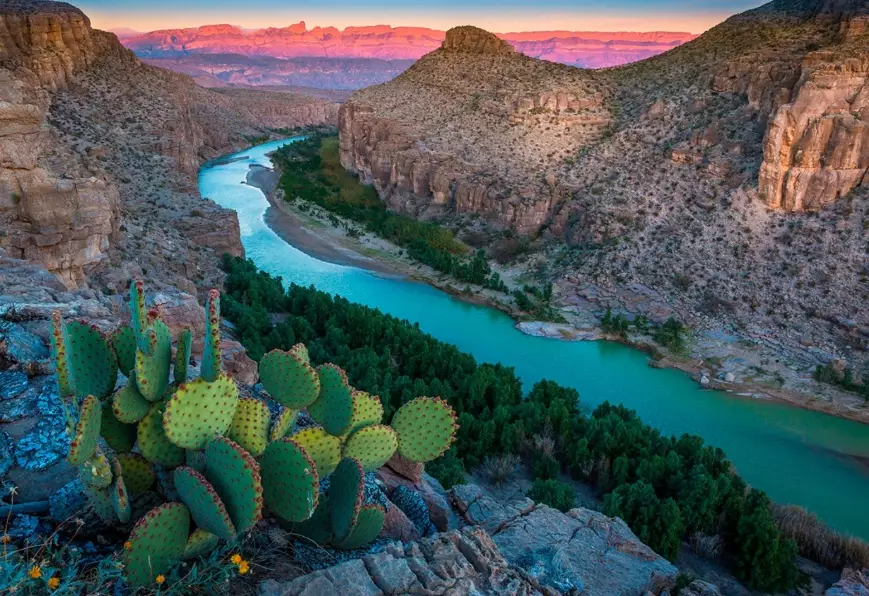
Your Big Bend Roadmap
Why Big Bend is Unlike Any Other Park
It's big. Really big. Over 800,000 acres. To put that in perspective, you could fit Rhode Island inside it and still have room left over. The scale is the first thing that hits you. The second is the isolation. There's no major city for hours. Your phone won't work in most of the park. This isn't a park you "swing by." It's a destination.
Big Bend gets its name from the large bend in the Rio Grande River, which forms the park's southern border with Mexico. That river creates a ribbon of life in the middle of the Chihuahuan Desert. You have three distinct ecosystems colliding here: the desert, the river, and the Chisos Mountains, which rise nearly a mile above the desert floor. This collision is why the wildlife, especially the birds, is so spectacularly diverse.
The first time I drove in from Marathon, the emptiness was almost overwhelming. Then you start to see the details—the ocotillo plants, the layered canyons, the sudden green of the Chisos Basin. It feels ancient and raw in a way that many parks have lost.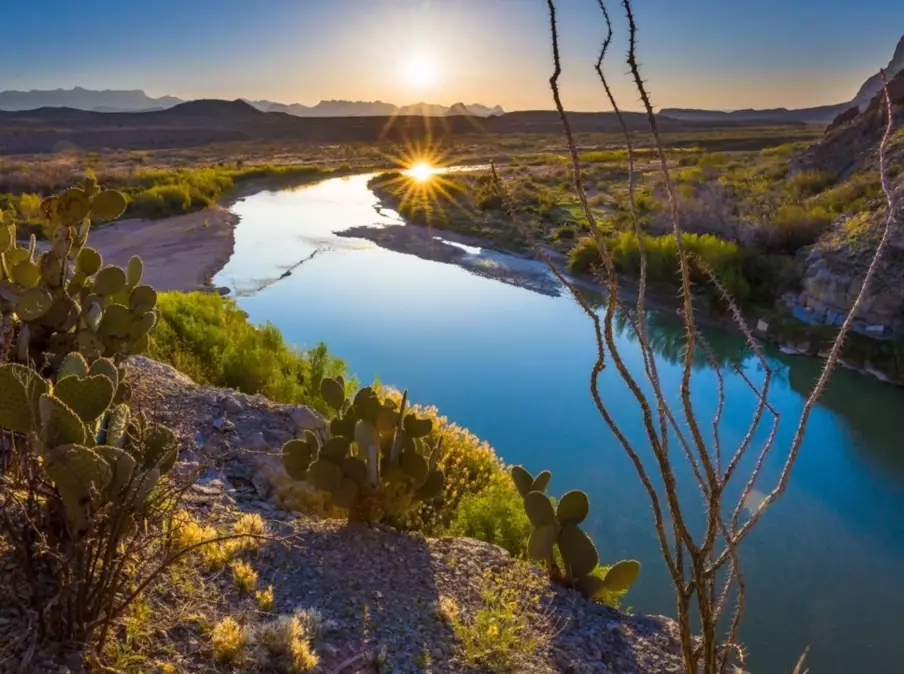
When to Visit Big Bend: A Season-by-Season Breakdown
Timing is everything here. Get it wrong, and you'll be miserable. Get it right, and you'll have the trip of a lifetime.
>First-time visitors, hikers, birders. The sweet spot.>Desert exploration, photography, avoiding crowds.>Birders, wildflower enthusiasts. Plan meticulously.>Only for experienced desert travelers who understand the risks. Stick to the high Chisos.| Season | Pros | Cons | Best For |
|---|---|---|---|
| Fall (Oct-Nov) | Pleasant temperatures (60s-80s°F). Great hiking weather. Fall colors in the Chisos. Migrating birds passing through. | Can be crowded, especially around holidays. Lodging books up fast. | |
| Winter (Dec-Feb) | Cool days, cold nights. No heat stress. Crowds thin out after the holidays. Excellent for low-elevation desert hikes. | Chisos Basin can be cold (below freezing). Some facilities have reduced hours. Short days. | |
| Spring (Mar-May) | Wildflowers can be stunning (especially after a wet winter). Peak birding season with summer residents arriving. Generally good weather. | Extremely crowded in March & April. Reservations are mandatory. Afternoon winds can be fierce. Heat begins in May. | |
| Summer (Jun-Sep) | You'll have the place mostly to yourself. Dramatic monsoon storms (July-August). | Dangerously hot (100-115°F+ in the desert). Many activities are unsafe. Limited services. Flash flood risk. |
My personal favorite is late October or early November. The light is golden, the air is crisp, and you can hike all day without feeling like you're in an oven. Spring is magical for birds, but the crowds in the Chisos Basin can feel like a theme park line. I avoid it unless birding is my sole focus.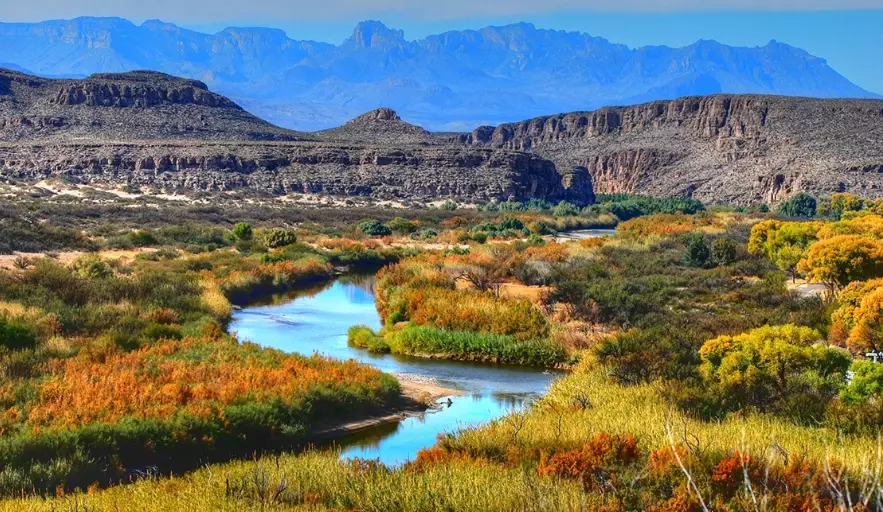
Park Basics: The park is open 24/7, year-round. The entrance fee is $30 per vehicle (valid for 7 days). Annual passes and America the Beautiful passes are accepted. The main visitor centers (Panther Junction, Chisos Basin, Persimmon Gap, Rio Grande Village) are typically open from 9 AM to 4 PM, but hours vary seasonally—always check the National Park Service website before you go. The nearest major airports are in Midland/Odessa (about 3 hours north) and El Paso (about 4.5 hours west).
A Realistic 3-Day Big Bend Itinerary
Trying to "do it all" in one trip is a recipe for exhaustion. This sample plan balances iconic sights, a good hike, and some flexibility. It assumes you're staying in or near the park.
| Day | Morning | Afternoon | Evening |
|---|---|---|---|
| Day 1: Arrival & Chisos Mountains | Enter via Persimmon Gap. Stop at Panther Junction VC for maps, water, and the latest trail conditions. | Drive up to the Chisos Basin. Hike the Window View Trail (easy) or the Lost Mine Trail (moderate, 4.8 miles round-trip) for iconic views. Book dinner at the Chisos Mountains Lodge restaurant if staying there. | Watch the sunset from the Basin. The stars from here are incredible—bring a headlamp with a red light to preserve night vision. |
| Day 2: Desert & Rio Grande | Drive the Ross Maxwell Scenic Drive to Santa Elena Canyon. Hike the short but spectacular trail into the canyon mouth (1.7 miles round-trip). | On the drive back, stop at Sotol Vista for panoramic views and the Castolon Historic District. If time and energy allow, detour to the Mule Ears Viewpoint. | Head to the Rio Grande Village area. Walk the Rio Grande Village Nature Trail for potential beaver and bird sightings. Campground here is good for stargazing too. |
| Day 3: Choice & Departure | Option A (History/Geology): Drive to the east side and explore the Boquillas Canyon trail and the hot springs historic site (a short hike). Option B (Adventure): Book a half-day canoe trip on the Rio Grande with an outfitter in Terlingua or Study Butte (requires advance planning). |
Grab a late lunch in Terlingua Ghost Town outside the park. Visit the Terlingua Trading Company for souvenirs. Begin your drive out, stopping for one last photo at the park sign. | Depart. If driving east, consider stopping in Marathon for a burger at the White Buffalo Bar. |
This itinerary involves a lot of driving. Distances are deceptive. Panther Junction to Santa Elena Canyon is about an hour's drive. Factor that in. Don't be the person trying to rush from the Basin to Boquillas before lunch—it won't happen.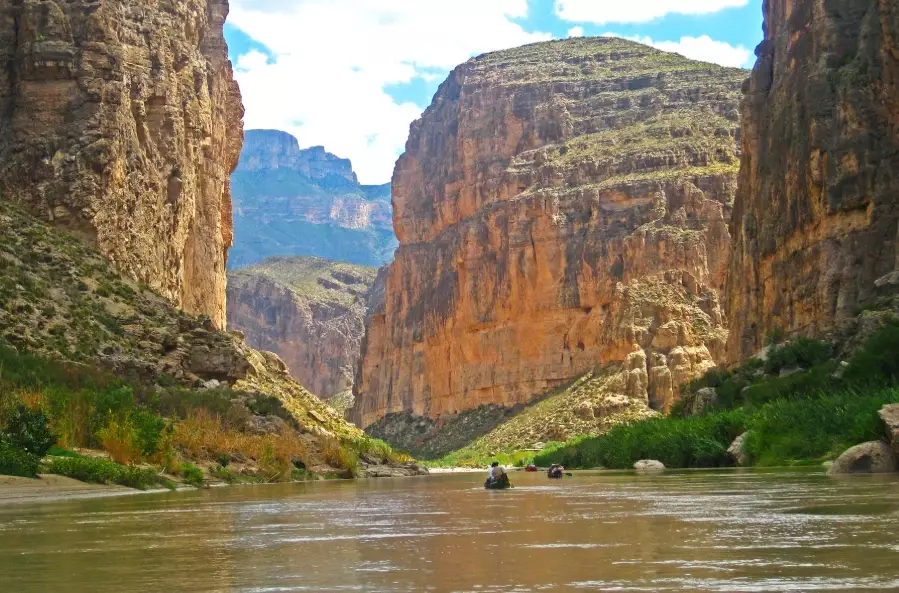
Why Birders Are Obsessed with Big Bend
Over 450 species have been recorded here. That's more than any other national park in the U.S. The reason is that geographic collision again: you get northern, southern, eastern, and western species all meeting in one place. It's a checklist-chaser's dream, but even casual observers will be blown away.
The mistake many new birders make is just driving around hoping to see something. You need to be strategic.
Top Birding Hotspots You Can't Miss
1. The Cottonwood Campground at Rio Grande Village: This is the undisputed king of Big Bend birding. The tall trees along the river act as a migrant trap. In spring, you can see a dozen warbler species before breakfast. I've personally seen painted buntings, vermilion flycatchers, and hooded orioles here all on the same morning. Get there at dawn.
2. The Chisos Basin: Higher elevation brings different birds. This is where you look for the Colima warbler (a park celebrity that nests only in the Chisos in the U.S.), the tufted flycatcher (rare but possible), and the Mexican jay. The Window Trail and the Laguna Meadow trail are productive.
3. The Dirt Roads (like Old Maverick Rd or River Road East): Drive slowly with your windows down. Stop at any seep or spring. You'll find roadrunners, Say's phoebes, black-throated sparrows, and maybe a crissal thrasher. Scan fence posts for raptors like kestrels and caracaras.
A specific tip most guides don't mention: the area around the Sam Nail Ranch historic site (on the Ross Maxwell Drive) has a small, reliable water source that's a magnet for birds in the dry desert. It's a tiny spot, but I've had some of my best desert bird encounters there—Scott's orioles, pyrrhuloxias, and ladder-backed woodpeckers all coming in for a drink.
The Logistics: Where to Stay, Eat, and How to Get Around
Staying Inside the Park: This is the best way to experience Big Bend. You save hours of driving. Options are limited and book up months in advance, especially for spring and fall.
- Chisos Mountains Lodge: The only hotel in the park. Basic but comfortable rooms with jaw-dropping views. The restaurant is decent—the chili is a lifesaver after a long hike. Reserve the second dates open up (usually 12 months ahead).
- Campgrounds: The three main developed campgrounds are Chisos Basin, Rio Grande Village, and Cottonwood. Rio Grande Village has full hook-up sites (reservable) and a store. Chisos Basin is cooler and more scenic. All have restrooms and water. Backcountry camping requires a permit.
Staying Outside the Park: The gateway "towns" are Terlingua Ghost Town and Study Butte (pronounced "stew-dee byoot"), just outside the west entrance. This is where you'll find funky hotels, Airbnb rentals, and more dining options. The drive from here to Panther Junction is about 45 minutes.
Food & Gas: There are small stores at Panther Junction, Rio Grande Village, and Castolon. They sell basics, ice, and souvenirs. Prices are high. Gas is available at Panther Junction and Rio Grande Village—fill up every time you see a pump. Do not let your tank get below half. For a real meal, the Starlight Theatre Restaurant in Terlingua has great atmosphere and decent Tex-Mex.
The Non-Negotiable Packing List
Forgetting something here isn't just inconvenient; it can be dangerous.
| Category | Essential Items |
|---|---|
| Hydration & Sun | More water than you think. 1 gallon per person per day minimum. Electrolyte tablets. Wide-brim hat, sunglasses, high-SPF sunscreen, lip balm with SPF. |
| Navigation & Safety | Paper map from the VC, downloaded offline maps (Google Maps, Gaia GPS), physical compass, headlamp with extra batteries, full-size spare tire, tire repair kit, jumper cables. |
| Clothing | Moisture-wicking layers. Sturdy hiking boots/shoes. Warm jacket (even in spring, nights are cold). Rain jacket (monsoons are sudden). |
| For Birders | Binoculars (8x42 is ideal), field guide (Sibley's or National Geographic), notebook, camera with a long lens if you have it. |
I also throw a couple of emergency blankets and a whistle in my daypack. It feels over-the-top until you twist an ankle on a remote trail.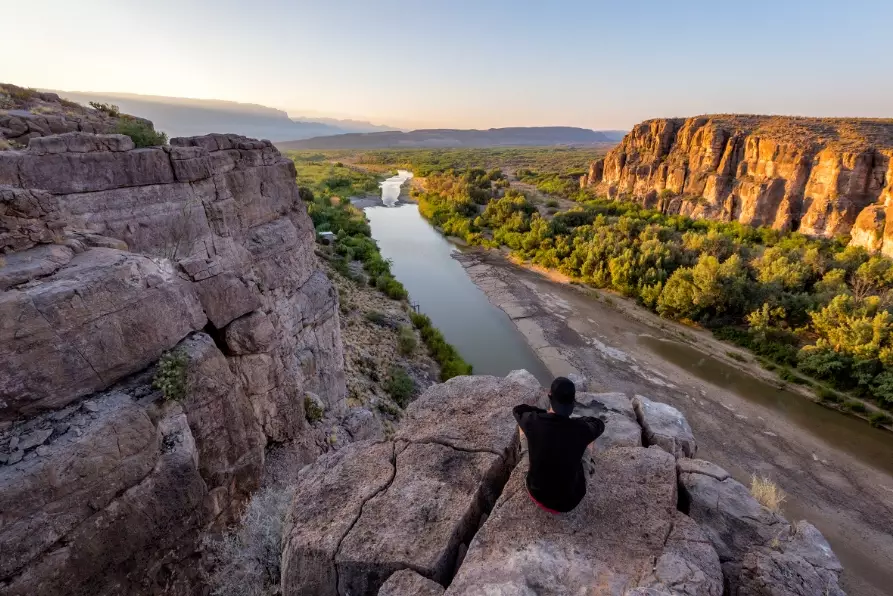
Reader Comments