You're standing at the edge of a marsh at dawn. A speck moves in the far reeds. Is it the rare bittern you've been chasing, or just another heron? With your binoculars, it's a frustrating grayish blur. This is the moment a great birding scope earns its keep. The best birding scopes pull distant worlds into sharp, brilliant focus, turning guesswork into certainty and missed opportunities into lifers. But with so many models boasting big numbers and premium prices, how do you choose the right one without wasting money on features you don't need or, worse, compromising on the view?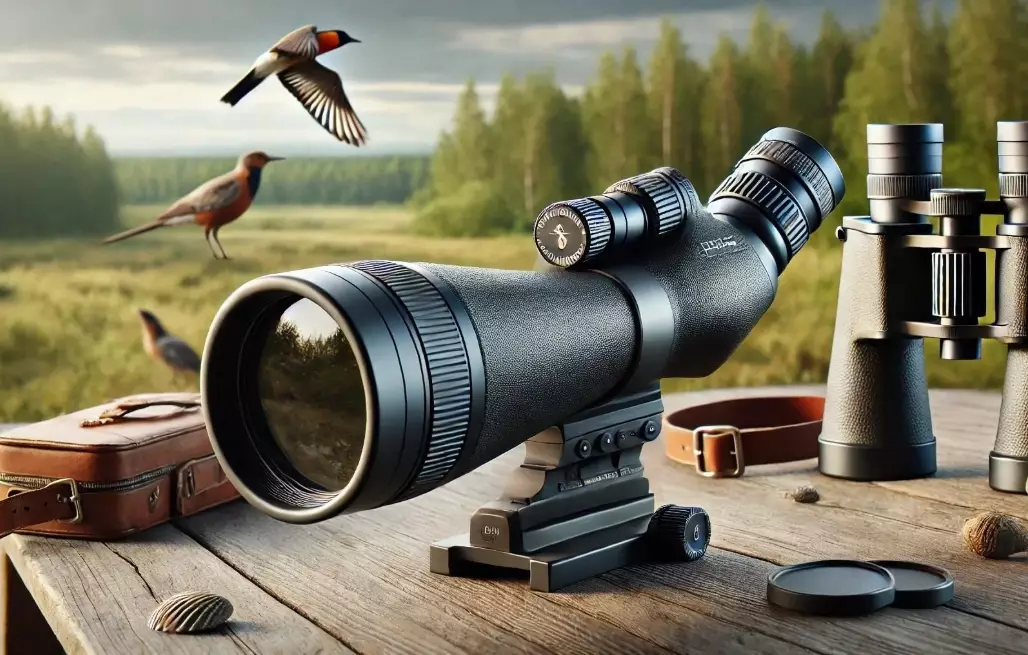
I've lugged scopes through rainforests, set them up in freezing coastal winds, and spent more hours than I can count comparing edge clarity and color fidelity. The truth is, the "best" scope isn't a single model. It's the one that disappears between you and the bird, matching your specific style of birding. Let's cut through the marketing and get to what actually matters.
Your Quick Guide to Scoping Success
How to Choose the Best Birding Scope: The 3 Critical Factors
Forget just comparing magnification. That's where most beginners get stuck. The real magic (or misery) happens in three areas.
1. Objective Lens Diameter: The Light Gate
That second number (e.g., the 65 in 20-60x65) is the diameter of the front lens in millimeters. It's your scope's light-gathering engine. More light means a brighter, clearer image, especially in the dim conditions where birds are often most active—dawn, dusk, or under forest canopy.
2. Optical Quality & Coatings: Where Brands Earn Their Keep
This is why a $500 scope and a $3000 scope can have the same specs on paper but deliver utterly different experiences. It's all in the glass (ED, HD, FL glass to minimize color fringing) and the multi-coatings on every lens surface. Good coatings maximize light transmission, reduce glare, and enhance contrast.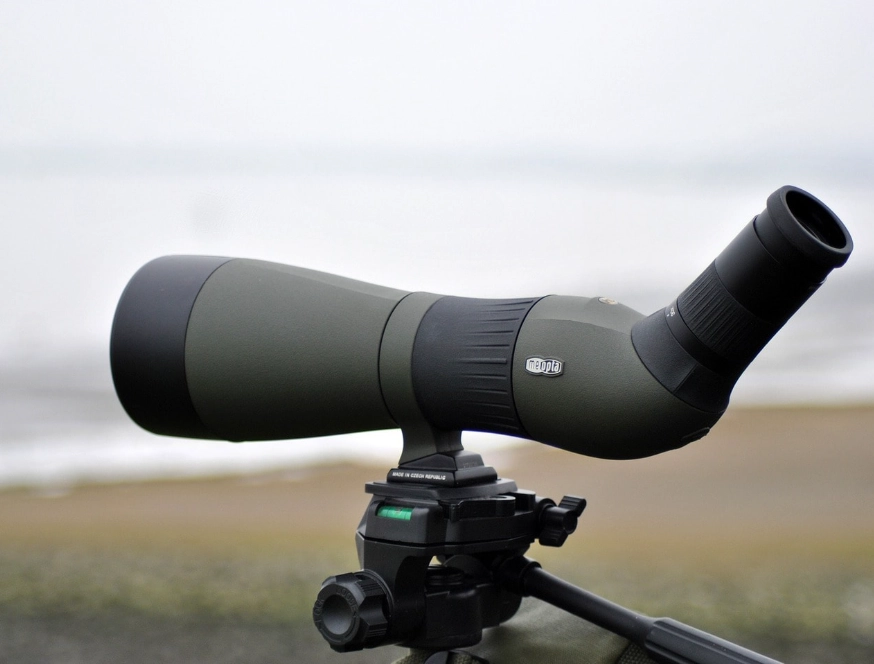
How do you judge this in a store? Don't just look at a well-lit target. Find a dark corner or look at a high-contrast edge (like a black branch against a grey sky). Does color bleed (chromatic aberration)? Does the image look hazy or crisp? The difference is often subtle at first glance but glaring during a long day of birding.
3. The Eyepiece: Zoom vs. Fixed
Most scopes come with a zoom eyepiece (e.g., 20-60x). They're versatile. A fixed wide-angle eyepiece (e.g., 30x) gives a brighter, wider, often sharper view but no magnification flexibility.
My advice? If you bird in open areas (shorelines, grasslands), a zoom is essential. If you're mostly in woods or watching active feeders at set distances, a fixed wide-angle can be a revelatory, more immersive experience.
Top Birding Scope Models Compared
Based on years of peer comparisons and personal use, here’s a breakdown of standout models across tiers. Think of this as a shortcut to your shortlist.
| Model & Specs | Best For | Key Strength | Consideration |
|---|---|---|---|
| Swarovski ATX/STX 85mm Modular, 25-60x zoom |
The birder who wants the absolute best, no compromise. | Unmatched brightness, contrast, and "snap" to the image. The modular system is genius. | The price is astronomical. You're paying for that last 5% of optical perfection. |
| Kowa TSN-88 Prominar 88mm, Fluorite Crystal lens |
Serious digiscopers and low-light enthusiasts. | Incredible resolution and color purity. The 88mm objective is a light monster. | Heavier than some competitors. The superb fluorite lens demands careful handling. |
| Vortex Razor HD 27-60x85 85mm, HD glass |
High-value performers who want top-tier optics without the European price tag. | Fantastic all-rounder optics. Backed by Vortex's unbeatable, no-questions-asked VIP warranty. | While excellent, side-by-side with the alpha brands, the image might feel a touch less vibrant in extreme conditions. |
| Celestron Regal M2 80ED 80mm, ED glass |
Budget-conscious birders seeking great performance. | Punches way above its weight. The image quality is shockingly good for the price. | The body and focuser feel less robust than premium models. A fair trade-off for the savings. |
| Nikon Monarch Fieldscope 82ED 82mm, ED glass |
Birders who prioritize a lightweight, packable design. | One of the lightest full-size scopes. Exceptionally sharp center-field image. | The field of view can feel narrower compared to some rivals. The eyecup design is love-it-or-hate-it. |
Remember, the scope body is only half the system. A wobbly tripod will ruin the view through a $4000 scope. Invest in a solid, but not necessarily ultra-heavy, tripod and head. A fluid video head allows for buttery-smooth panning to track birds in flight, which a standard ball head struggles with.
Beyond the Spec Sheet: Expert Tips & Tricks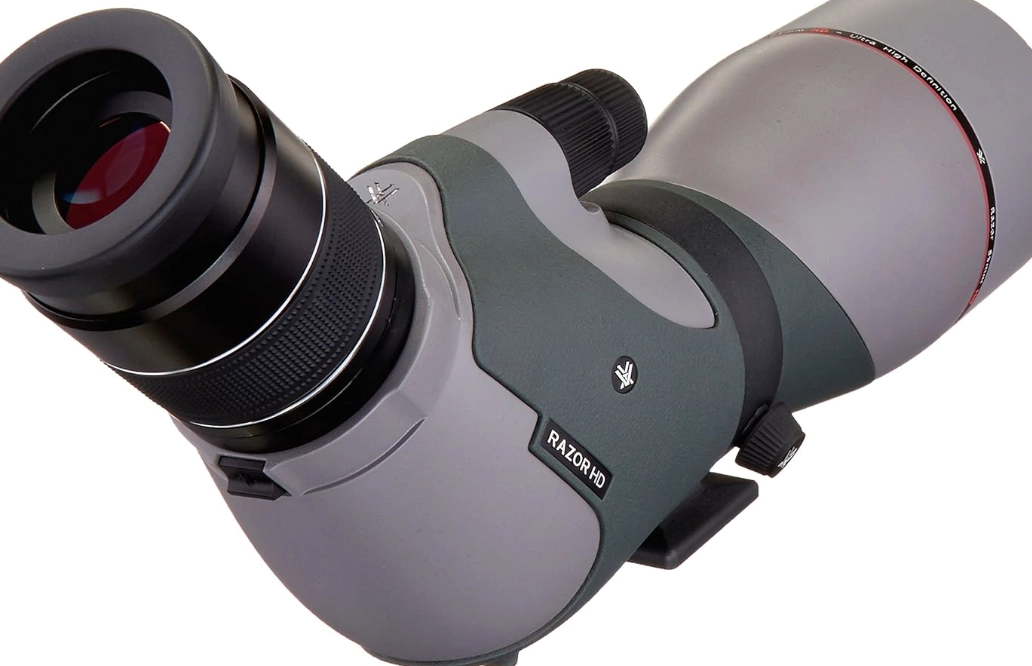
Specs get you in the ballpark. These insights get you a front-row seat.
The Parking Lot Test is Flawed. Testing a scope in a bright store is like test-driving a car in a parking lot. You learn nothing about handling. Ask to take it near a window with a challenging view—into shadows or against glare. Better yet, see if a local club has a demo day in the field.
Digiscoping Changes Everything. If you ever think you'll want to attach your phone or camera, plan for it now. Look for scopes with a dedicated digiscoping adapter system (like Kowa's TE-11WZ adapter). The stability and alignment they provide are worlds better than a generic universal mount. The Cornell Lab of Ornithology's website has excellent resources on digiscoping techniques.
My Personal Hassle: The Eyepiece Cover. It sounds trivial, but a scope's eyepiece rain cover is your daily nemesis. Some dangle annoyingly, some are impossible to fit with a phone adapter, some get lost. When you handle a scope, fiddle with this cover. A poorly designed one is a constant, low-grade irritation the marketing materials never mention.
Consider a Used Scope. The high-end optics market is full of meticulously cared-for gear. Sites like BirdForum's classifieds or specialty retailers selling certified used equipment can get you an alpha scope for a mid-range price. Optics, if not abused, last for decades.
Your Birding Scope Questions, Answered
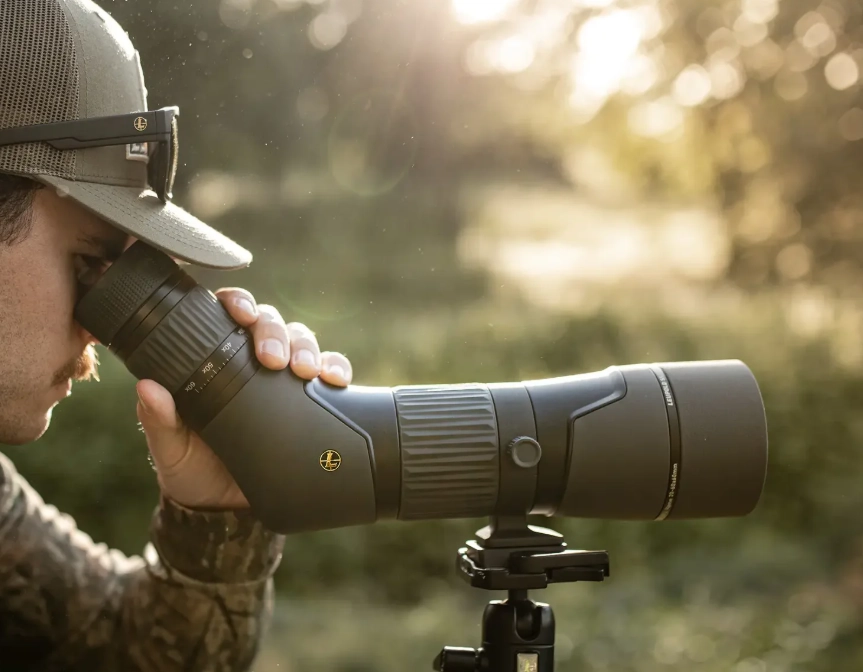
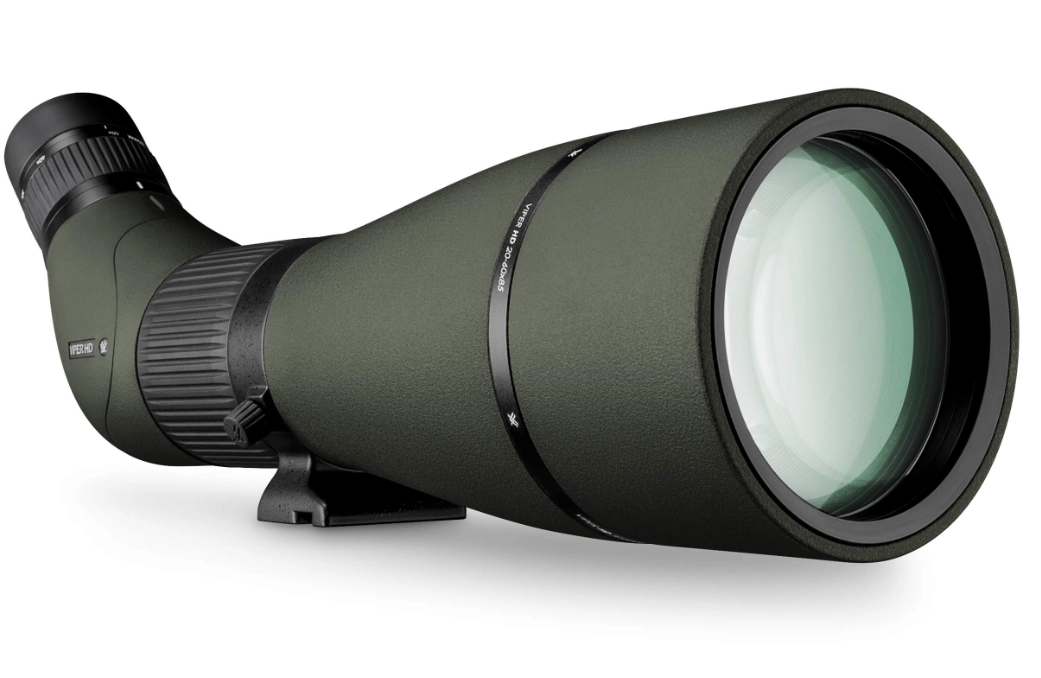 The journey to finding the best birding scope is personal. It's about matching engineering to your eyes, your favorite places, and the thrill of the quest. Don't get paralyzed by the search for a mythical "best." Define what "best" means for your backpack, your budget, and your local patch. Then get out there. The birds aren't getting any closer on their own.
Reader Comments