Quick Navigation: What You'll Discover
Climate change isn't just about polar bears or melting ice—it's hitting birds hard, right in your backyard. I've been birding for over a decade, and the changes are impossible to ignore. Last spring, I saw American robins showing up three weeks earlier than usual in my Ohio patch, and it wasn't a fluke. The data backs it up: birds are scrambling to adapt as temperatures rise, weather gets wilder, and habitats shift. This article dives into the nitty-gritty of how climate change affects birds, from migration mess-ups to nesting nightmares, and what you can do about it.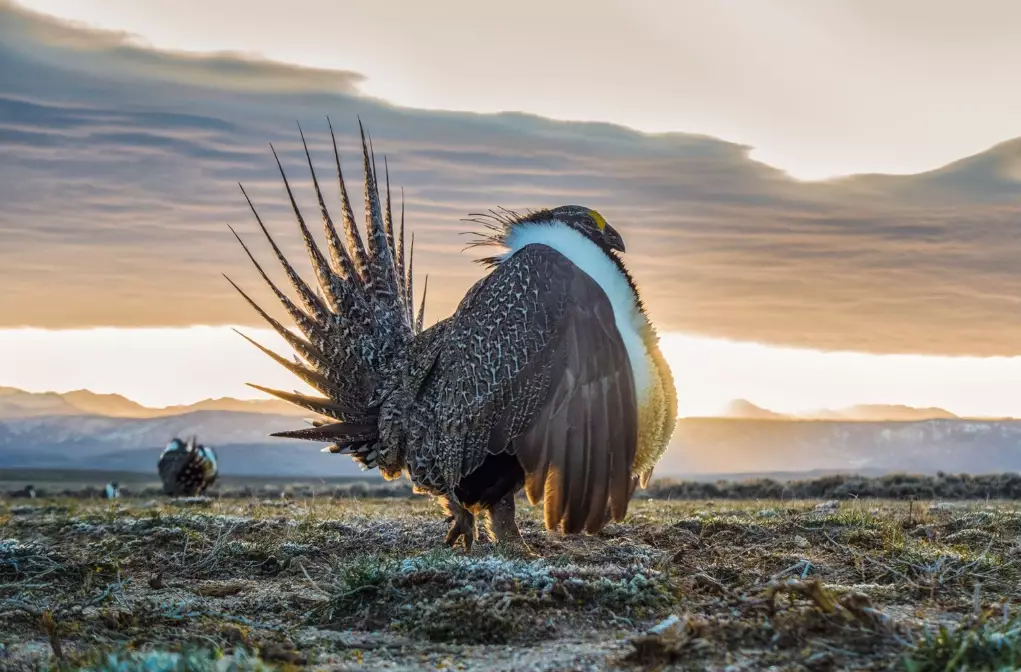
Shifting Migration Patterns: When and Where Birds Fly
Bird migration is a finely tuned clock, but climate change is throwing wrenches into the gears. Warmer springs mean insects hatch earlier, and plants bloom sooner. Birds that rely on these cues are arriving at breeding grounds out of sync. It's like showing up to a party after all the food is gone.
The Science Behind Altered Timings
Research from the Cornell Lab of Ornithology using eBird data shows that many species are migrating earlier by about 1.5 days per decade. That might sound small, but over 50 years, it adds up to a week or more. For long-distance migrants like warblers, this mismatch can be deadly. They travel thousands of miles from Central America only to find their caterpillar buffet already peaked.
Here's a table summarizing key changes observed in North American birds:
| Bird Species | Observed Change | Potential Impact |
|---|---|---|
| Barn Swallow | Arrival advanced by 10-15 days in some regions | Reduced nesting success due to food scarcity |
| Ruby-throated Hummingbird | Earlier northward migration by 1-2 weeks | Risk of late frosts damaging nectar sources |
| Snow Goose | Delayed fall migration due to warmer Arctic | Overgrazing tundra habitats, affecting other species |
Real-World Examples: Case Studies
Take the Black-throated Blue Warbler. Studies in the Hubbard Brook Experimental Forest found that their arrival hasn't shifted as much as their caterpillar prey. This phenological mismatch leads to fewer chicks fledging. Another example is the European Pied Flycatcher—research in the Netherlands showed populations declining because they can't adjust migration fast enough.
I recall talking to a fellow birder in Maine who lamented that loons are arriving later on lakes, which messes with local tourism and monitoring efforts. It's not just a scientific curiosity; it affects economies and communities.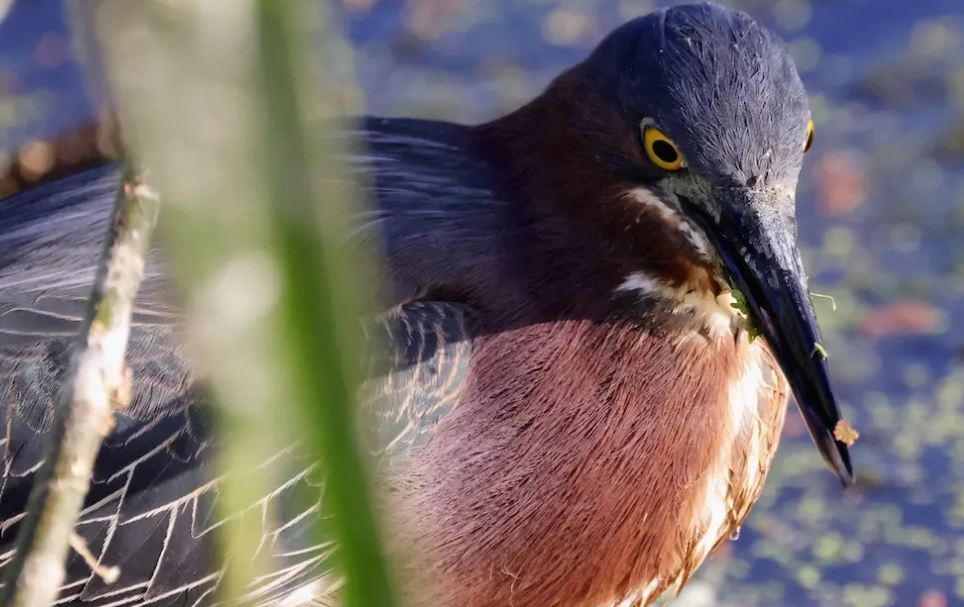
Breeding in a Warming World: Success and Failure
Breeding season is getting trickier. Warmer temperatures might seem good, but they bring heatwaves, droughts, and storms that wreck nests. Birds are built for specific climates, and when things go haywire, reproduction suffers.
Phenological Mismatches: A Silent Threat
This mismatch I mentioned earlier is a big deal. A report by the National Audubon Society highlights that up to two-thirds of North American bird species are at risk from climate change due to these timing issues. For instance, Tree Swallows need flying insects to feed their young, but if insects peak before the chicks hatch, starvation follows.
Nesting Challenges in Extreme Weather
Extreme weather events are becoming more common. Hurricanes can wipe out coastal colonies overnight. In 2022, a heatwave in the Pacific Northwest killed nestlings in ground nests because temperatures soared above 110°F. I've seen nests abandoned after heavy rains flooded them—something that used to be rare in my area.
Birds like the Puffin in the North Atlantic are struggling because ocean warming reduces fish stocks. Their chicks starve, leading to colony collapses. It's a stark reminder that climate change isn't just about land; it's about entire ecosystems.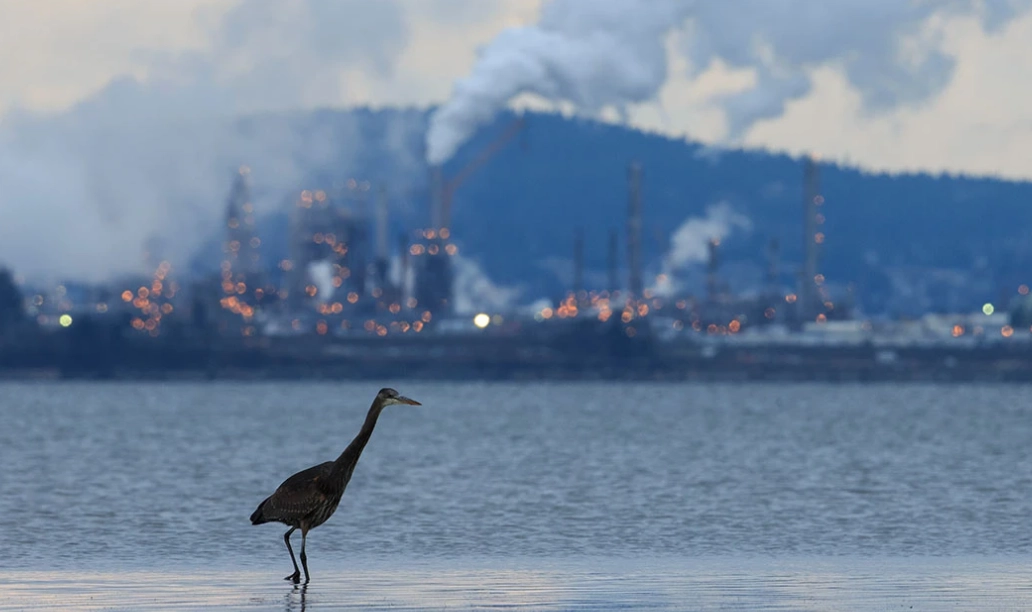
Habitat Under Siege: Loss and Fragmentation
Habitat loss from climate change is a double whammy: direct destruction and slow degradation. Sea-level rise inundates marshes where shorebirds feed. Droughts turn wetlands into dust bowls. Forests shift northward, but birds can't always follow fast enough.
Coastal and Wetland Vulnerabilities
Coastal birds like the Red Knot are in trouble. They depend on intertidal zones for feeding during migration, but rising seas are drowning these areas. A study from the U.S. Geological Survey projects that up to 50% of coastal wetlands could be lost by 2100. That means fewer stopover sites for migrants.
In the Prairie Pothole Region, droughts linked to climate change are reducing wetland availability for ducks and other waterfowl. I've visited areas in the Dakotas where traditional nesting grounds are now dry fields. Farmers notice it too—fewer birds mean more pests, ironically.
Forest and Grassland Transformations
As temperatures rise, tree lines move uphill. Birds adapted to high elevations, like the White-tailed Ptarmigan, have nowhere to go. In the Amazon, hotter, drier conditions are causing forest die-offs, affecting countless species. Grasslands are turning into shrublands, which might benefit some generalists but hurt specialists like the Grasshopper Sparrow.
One subtle error I see in conservation circles is assuming that planting trees always helps. If you plant non-native species that don't support local insects, birds won't thrive. It's about matching habitat to the new climate reality.
From Observation to Action: What Bird Watchers Can Do
You're not powerless. Bird watchers have a unique role in tracking changes and advocating for solutions. Here's how to make a difference.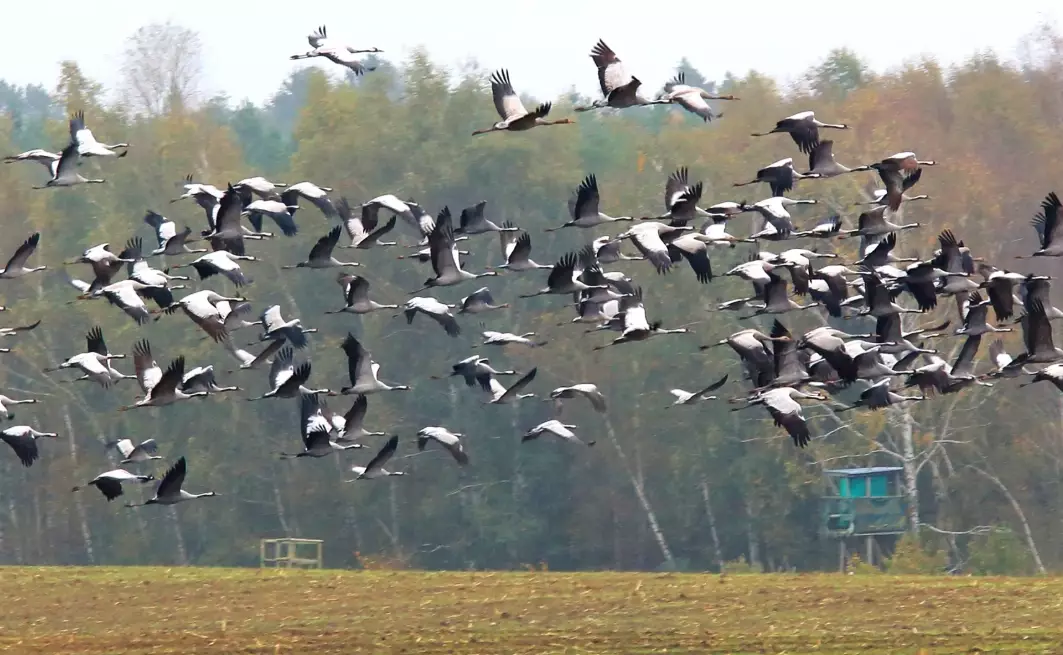
Participating in Citizen Science
Join projects like eBird or the Christmas Bird Count. Your observations help scientists monitor trends. I've contributed data for years, and it's rewarding to see it used in research. For example, eBird data helped identify range shifts for the Carolina Wren northward due to milder winters.
Another great program is NestWatch, where you monitor nesting success. It gives real-time insights into breeding challenges.
Adapting Your Birding Practices
Adjust your birding calendar. If birds are arriving earlier, plan your outings accordingly. Use apps like Merlin Bird ID to log sightings and compare with past years. In your backyard, create climate-resilient habitats: plant native species that bloom or fruit at different times, provide water sources during droughts, and avoid pesticides that harm insect populations.
Support conservation organizations pushing for climate policies. The Audubon Society's Climate Initiative is a good start. Locally, advocate for protecting green spaces and reducing carbon footprints.
Frequently Asked Questions (FAQ)
 Are there any bird species that might actually benefit from climate change, and is that a good thing?
Reader Comments