Quick Navigation
Let's be honest, trying to figure out which bird just flitted past you in the Texas Hill Country or the Davis Mountains can feel downright overwhelming at first. I remember my first serious trip out to Big Bend, binoculars in hand, feeling a mix of excitement and sheer panic. Was that a Black-chinned Sparrow or just another Rufous-crowned Sparrow? The guidebooks made them look so distinct, but up in the scrub oak, with the sun in my eyes? Not so much.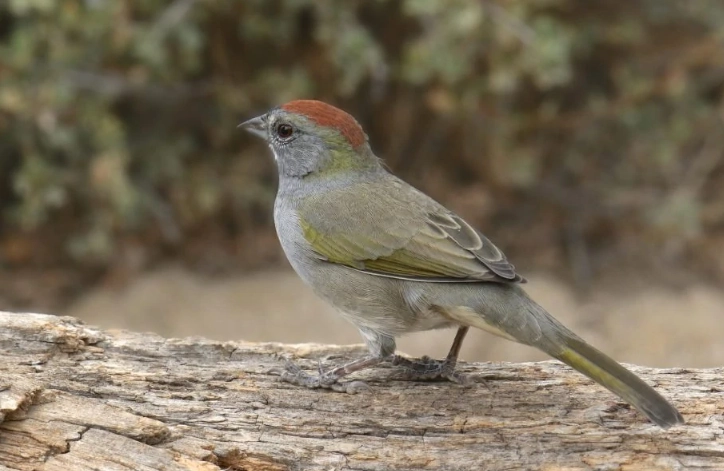
That's why I wanted to put this together. This isn't some dry, academic list. It's the guide I wish I'd had—a practical, grounded look at bird identification in mountainous regions Texas style. We're talking about the sky islands of West Texas, the rolling limestone hills of the Edwards Plateau, and everything in between. These aren't just random hills; they're unique ecosystems where eastern species meet western ones, and where elevation changes everything.
So, whether you're a curious beginner or someone who can tell a Canyon Wren's song from a mile away but wants to find that elusive Colima Warbler, let's break it down.
Gearing Up: What You Actually Need (And What You Don)
Forget packing everything from your local birding shop. Mountain birding in Texas has its own demands. Lightweight and practical wins every time.
Your non-negotiable core kit should look like this:
- Binoculars (8x42 is the sweet spot): Enough magnification to see details, but wide enough field of view to track moving birds in brush. Honestly, I've seen people struggle with giant, heavy 10x50s on long hikes. Not fun.
- A Field Guide, Digital or Physical: For Texas specifically, I keep coming back to the Birds of Texas Field Guide by Stan Tekiela. It's organized by color, which is surprisingly helpful when you're starting out. For a more comprehensive digital resource, the Cornell Lab of Ornithology's All About Birds site is unbeatable for photos, sounds, and range maps. Their Merlin Bird ID app is a game-changer for sound ID on the trail.
- Sturdy, Comfortable Footwear: This is more important than fancy optics. You'll be on rocky, uneven trails. Ankle support is not a luxury.
- Water and Sun Protection: A hat, sunscreen, and more water than you think you need. The Texas mountain sun is no joke, and dehydration will ruin your focus faster than anything.
Prime Spots: Where to Go for Mountain Bird Identification in Texas
Not all Texas mountains are created equal. Each range has its own personality and star birds. Picking the right spot depends on what you're hoping to see and how much of an adventure you want.
| Mountain Region | Key Habitat & Elevation | Signature Birds (The "Must-Sees") | Best Time to Visit | Access & Difficulty |
|---|---|---|---|---|
| Big Bend National Park (Chisos Mountains) | Sky islands, pine-oak forest, desert canyons (1,800 - 7,800 ft) | Colima Warbler, Lucifer Hummingbird, Mexican Jay, Peregrine Falcon | Spring (Apr-May) for migrants and breeding; Fall | Good paved road access to basin; strenuous trails to high peaks. Requires park entry fee. |
| Davis Mountains | Pinyon-juniper, oak woodlands, grasslands (4,000 - 8,300 ft) | Montezuma Quail, Gray Vireo, Scott's Oriole, Hepatic Tanager | Spring and Summer | Scenic drives (TX-118), good access via Fort Davis. Mix of easy and moderate hiking. |
| Guadalupe Mountains National Park | High desert, conifer forest at summit (3,000 - 8,749 ft) | Painted Redstart, Band-tailed Pigeon, Townsend's Solitaire, Pygmy Nuthatch | Fall migration is spectacular | Very strenuous hiking to highest points. Fewer facilities, remote feel. |
| Texas Hill Country (Edwards Plateau) | Rolling limestone hills, cedar brakes, river corridors (1,000 - 2,300 ft) | Golden-cheeked Warbler, Black-capped Vireo, Canyon Wren, Black-chinned Sparrow | Spring (Mar-Jun) for breeding endemics | Extensive, generally easier access. Many state parks and private ranches. |
My personal favorite for a balanced trip? The Davis Mountains. They feel accessible but wild, and the variety you can see from the roadside to a moderate hike is fantastic. The Davis Mountains State Park is a perfect base camp. Big Bend is the crown jewel, but it demands more time and planning.
A quick rant: Some online lists just name-drop Big Bend for everything. It's amazing, yes, but it's also a huge commitment. For someone with a weekend, the Hill Country or Davis Mountains might offer a more rewarding and less frantic bird identification experience in the Texas mountains.
Meet the Locals: Key Birds and How to Tell Them Apart
Okay, let's get to the meat of it. Here are some of the birds you're most likely to encounter (or desperately want to encounter) and how to untangle similar-looking species.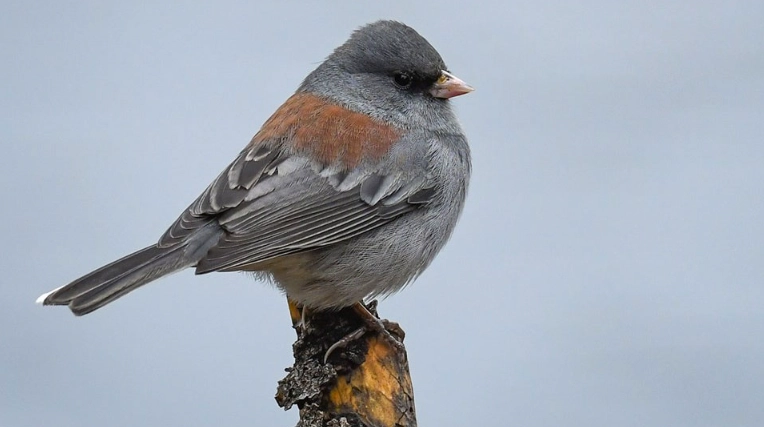
The High-Elevation Specialists
These are the birds that make trekking uphill worth it.
- Colima Warbler: The holy grail for many. Only nests in the U.S. in the Chisos Mountains. Looks like a washed-out, dullish warbler (olive-gray above, yellow-ish below). The key is its complete white eye-ring and its habit of pumping its tail while foraging on the ground in dense understory. If you're in the Boot Canyon trail in May and see a ground-warbler pumping its tail, you've probably hit the jackpot.
- Mexican Jay: Loud, social, and bold in the Chisos and Davis mountains. Looks like a giant, pale blue-gray jay with no crest. Its call is a harsh, raucous series of "shek-shek-shek" sounds. You'll hear them before you see them.
- Painted Redstart: A stunning black warbler with a big red belly and white wing patches. Constantly fans its tail and wings, flashing those bright patches. In Texas, it's pretty much exclusive to the Guadalupe high country. Unmistakable once you see the display.
The Hill Country Icons (and Their Lookalikes)
This is where bird identification in mountainous regions Texas style gets tricky. The Edwards Plateau has two federally listed birds that birders seek.
Black-capped Vireo: A tiny, hyperactive vireo. Males have a striking black head and white "spectacles." They love scrubby, recently burned or disturbed oak thickets. Their song is a frantic, scratchy series of phrases. Don't expect to get a long, leisurely look.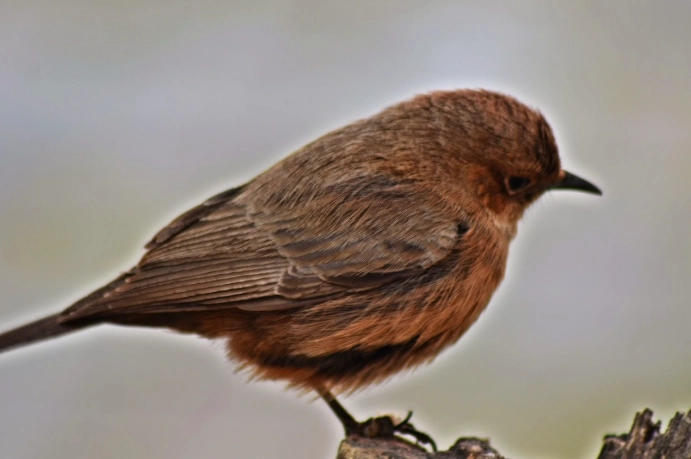
Birds of Prey on the Wing
The thermals along mountain ridges are highways for raptors.
- Red-tailed Hawk: The default. Look for the belly band of streaks and, of course, the red tail (on adults).
- Zone-tailed Hawk: The trickster. It mimics the flight pattern of a Turkey Vulture to sneak up on prey! Look closely—it has black and white banding on the tail (the "zones") and, unlike a vulture, it has a feathered head and larger feet. Seeing one soar among vultures is a real test of your bird identification in mountainous regions Texas skills.
- Peregrine Falcon: Look for them on high cliff faces, especially in Big Bend. Powerful, sharp-winged, with a distinctive dark "helmet."
Beyond the Field Mark: Sound, Behavior, and Habitat
If you're just relying on color patterns, you're missing half the story. In dense foliage or at dawn, sound is king.
Take the Canyon Wren. You might never see it tucked deep in a rocky crevice, but its song—a beautiful, cascading series of clear, liquid notes that slows down—is unmistakable and echoes through canyons. That sound *is* the Texas mountain experience for me.
Behavior is a huge clue. A bird constantly creeping up tree trunks is a nuthatch or creeper. One methodically picking insects off leaves high in an oak is likely a vireo. A sparrow kicking leaf litter with both feet is probably a Spotted Towhee.
And habitat—it's the first filter. You won't find a Montezuma Quail on a bare rocky summit. They're in grassy areas with oak cover. You won't find a Hepatic Tanager in lowland mesquite. They're in the pine-oak forests. The National Audubon Society's website has great habitat guides for species, which can help you narrow things down before you even lift your binoculars.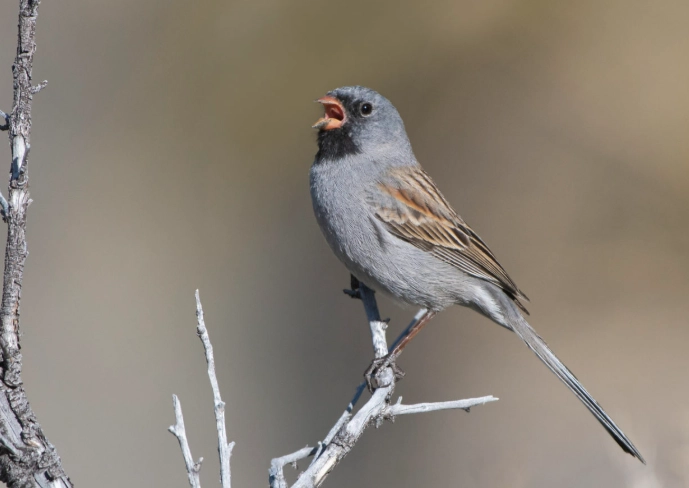
Common Questions About Bird Identification in Mountainous Regions Texas
Birding in the Texas mountains isn't about ticking off every single species. It's about the experience—the crisp morning air, the echo of a wren in a canyon, the surprise of a flash of color in the juniper. It's about learning to see and hear the landscape in a new way. The skills you build here, paying attention to elevation, habitat, sound, and subtle behavior, will make you a better birder anywhere.
So grab your binoculars, download a few songs to your phone, and hit the trail. That mystery bird is waiting.
Reader Comments