California isn't just a state for birding; it's a continent in miniature, offering a different birdwatching experience every month. Forget the generic "go to the coast" advice. The real magic lies in understanding the rhythm of the seasons and knowing exactly where to be when. I've spent over a decade chasing feathers here, from the foggy redwoods to the blistering deserts, and the single biggest mistake I see beginners make is treating California as one monolithic birding destination. It's not. Your success hinges on a seasonal strategy.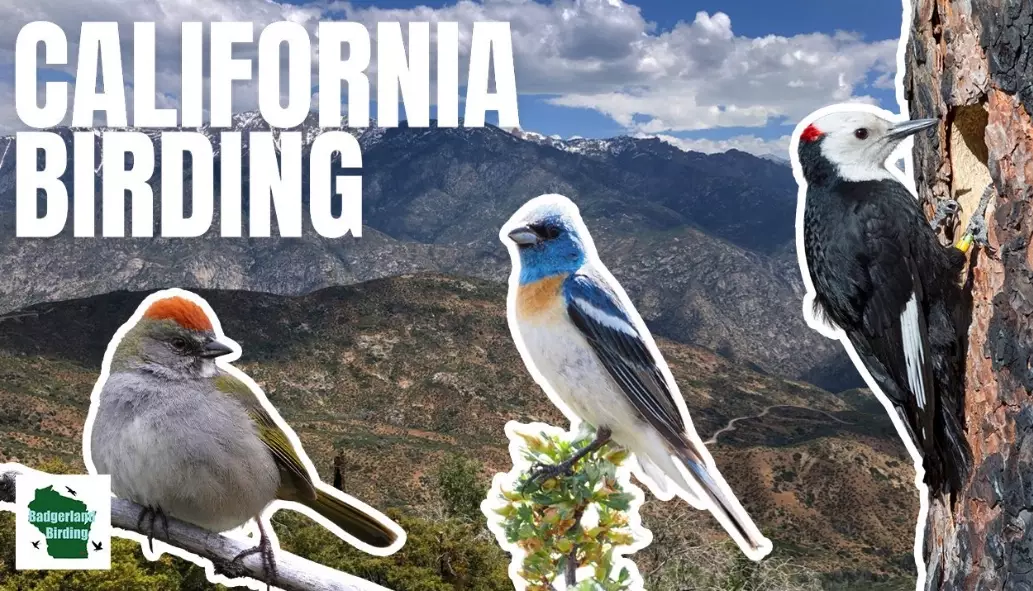
Your Quick Guide to California Birding
- Why Your Season Dictates Everything
- Spring Birding in California: The Migration Superhighway
- Summer Birding in California: Breeding & High-Elevation Treasures
- Fall Birding in California: The Southbound Wave & Vagrant Magic
- Winter Birding in California: Ducks, Geese & Coastal Spectacles
- Can't-Miss California Birding Hotspots by Region
- Gear & Seasonal Pro-Tips Most Guides Miss
- Your Seasonal Birding Questions Answered
Why Your Season Dictates Everything
Birding here is a game of timing and location. The same patch of oak woodland in the Central Valley is dead quiet in July but explodes with warblers and flycatchers in May. The best time to birdwatch in California is entirely dependent on what you want to see. Are you after neon-bright warblers? Spring. Do you want to witness a sky-blackening flock of snow geese? Winter. Planning a trip without this calendar in mind is like going to a bakery at midnight and expecting fresh bread.
Spring Birding in California: The Migration Superhighway
Mid-March through May is pure magic. This is when neotropical migrants flood north. The key is finding "migrant traps"—green oases along the coast and in desert passes where tired birds pile in.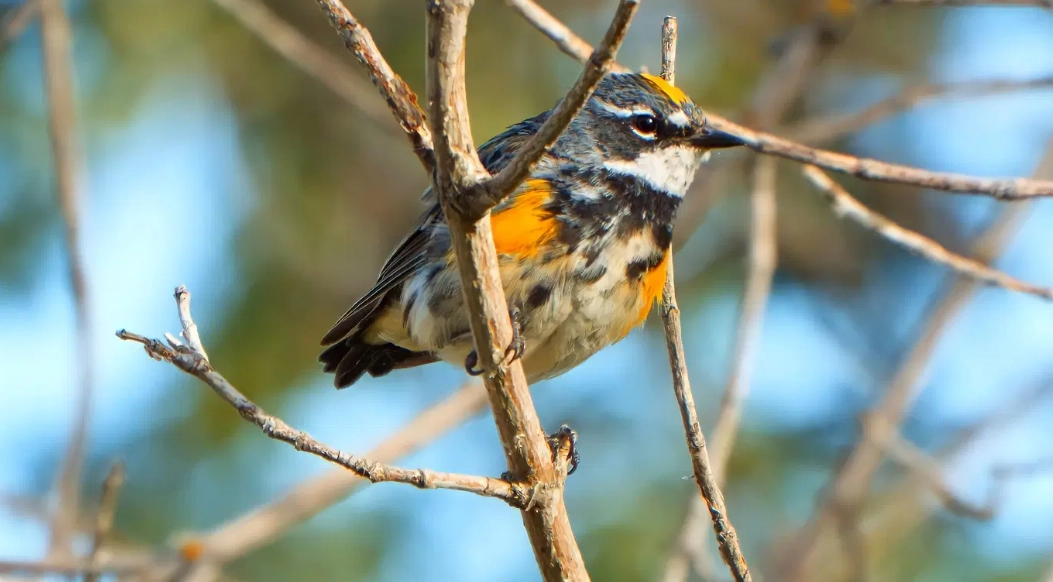
Prime Spring Locations & Targets
Point Reyes National Seashore (Marin County): The legendary Lighthouse area and Chimney Rock trail are unbeatable. Free entry, but some areas like the South Beach Overlook have a parking fee ($7). You're looking for Black-throated Gray Warblers, Hermit Warblers, and a chance at a rare Eastern vagrant. The California State Parks website has trail maps.
Moro Canyon (Crystal Cove State Park, Orange County): A coastal sage scrub canyon that acts as a funnel. Park at the Los Trancos lot ($15/day). Hike the Moro Canyon loop early. This is your best shot in Southern California for Lazuli Buntings, Pacific-slope Flycatchers, and a stunning variety of hummingbirds.
Salton Sea (Imperial/Riverside Counties): Sounds counterintuitive, but spring is prime here before the heat becomes lethal. The flooded fields and sea edges attract massive numbers of shorebirds and herons. Check the Sonny Bono Salton Sea NWR headquarters for directions. Target species include Gull-billed Tern and Burrowing Owl.
Summer Birding in California: Breeding & High-Elevation Treasures
June to August is for specialists. The lowlands get hot and quiet (except for resident birds like California Scrub-Jays). Your strategy shifts to the mountains and specific breeding habitats.
Beat the Heat: Where to Go
Sierra Nevada Mountains: Yosemite's Tuolumne Meadows or the trails around Lake Tahoe. You need a park pass for Yosemite ($35/vehicle). Target mountain specialties like Clark's Nutcracker, Red-breasted Sapsucker, and the elusive Great Gray Owl (requires patience and local knowledge).
North Coast Redwoods: Places like Redwood National Park or Humboldt Redwoods State Park stay cool and foggy. Listen for the flute-like song of the Swainson's Thrush echoing through the ancient trees. It's free to drive through, but some visitor centers may have fees.
Coastal Cliffs: July is perfect for seabird colonies. A boat trip with companies like Monterey Bay Whale Watch (tickets ~$50) gets you close to nesting Common Murres, Pigeon Guillemots, and maybe even a Tufted Puffin.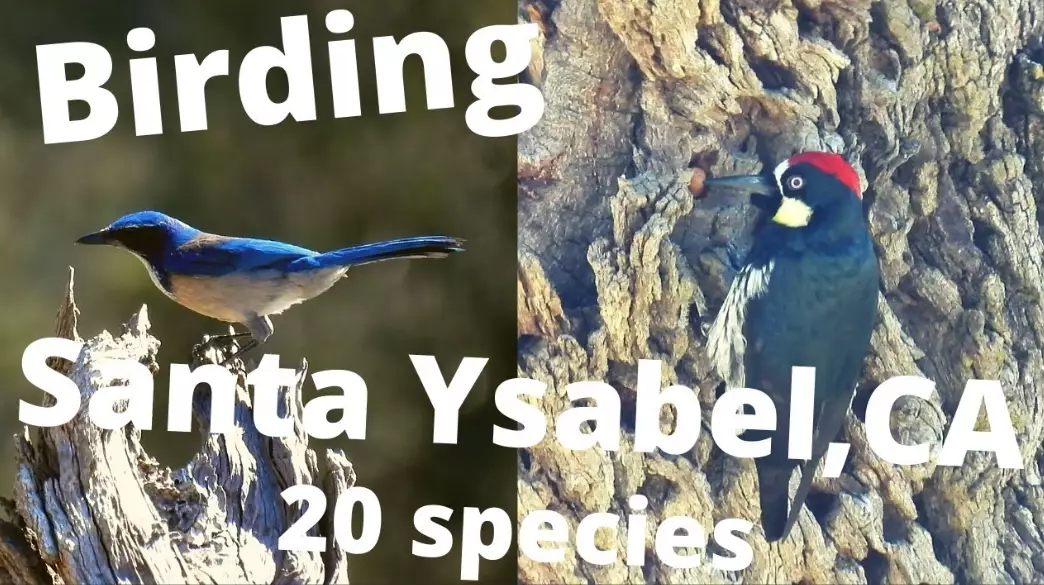
Fall Birding in California: The Southbound Wave & Vagrant Magic
August to October is the most unpredictable and exciting season. The southbound migration is more spread out than spring, and it's the prime time for "vagrants"—birds blown far off course.
Vagrant Hotspots & Shorebird Bonanzas
Farallon Islands (off San Francisco): Accessible only by sanctioned research or tour boats (like those from the Oceanic Society). It's expensive and choppy, but it's the top vagrant trap in the West. Asian birds like Eye-browed Thrush show up here.
Any Coastal Headland or Island: Southeast winds in fall can push eastern warblers to the coast. Check patches of cypress or pine on points like Point Pinos in Pacific Grove.
Central Valley Wetlands: As water returns to managed wetlands, shorebirds and early waterfowl arrive. The Sacramento National Wildlife Refuge Complex opens its auto tour route in October (fee $6). It's spectacular for seeing thousands of ducks and white-faced ibis.
Winter Birding in California: Ducks, Geese & Coastal Spectacles
November to February is about spectacle and accessibility. Birds are concentrated at wetlands and along the coast. It's the best time for beginners to see huge numbers of easily identifiable birds.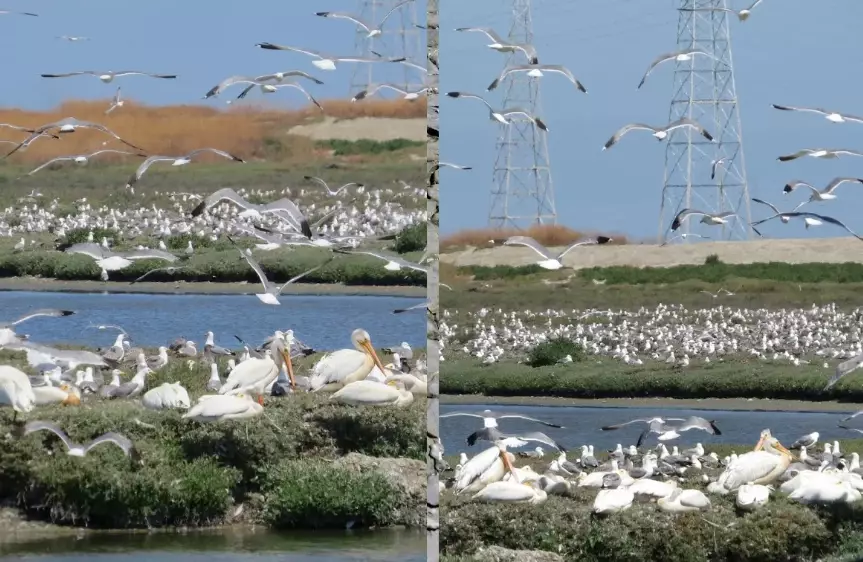
Must-See Winter Events
Snow Geese at the Sacramento Valley: Seeing (and hearing) tens of thousands of Snow Geese take off from fields near the town of Williams or at the Colusa National Wildlife Refuge is a life-list moment. No fee to view from public roads.
Monarch Grove Butterfly & Bird Combo: The Monarch butterfly groves in Pacific Grove and Natural Bridges State Beach also attract insect-eating birds like Townsend's Warblers and Hermit Thrushes. A two-for-one natural history show.
Sea Ducks & Alcids: Head to rocky points like Point Lobos State Natural Reserve ($10 entry) or Shell Beach in Sonoma County. Scan the waves for Surf Scoters, Black Scoters, and the clown-like Rhinoceros Auklet.
Can't-Miss California Birding Hotspots by Region
Here’s a quick-hit list to match a location with your season. Think of this as your cheat sheet.
| Region | Spot Name | Best Season(s) | Signature Bird(s) | Logistics Note |
|---|---|---|---|---|
| North Coast | Arcata Marsh & Wildlife Sanctuary | Year-round, peak winter/spring | Black Phoebe, Virginia Rail, wintering ducks | Free, extensive trail network right in town. |
| San Francisco Bay | Don Edwards San Francisco Bay NWR | Fall, Winter, Spring | Ridgway's Rail, Saltmarsh Sparrow, shorebirds | Free visitor center in Fremont. Check tide charts. |
| Central Coast | Elkhorn Slough (Moss Landing) | Year-round | Sea Otter (bonus!), hundreds of Sea Lions, shorebirds, terns | Kayak rental or guided boat tour is best. Walkable from docks. |
| Southern Coast | Bolsa Chica Ecological Reserve | Winter, migration (spring/fall) | Light-footed Ridgway's Rail, Elegant Tern, American Avocet | Free. A 1.5-mile loop on a paved path, very accessible. |
| Desert | Big Morongo Canyon Preserve | Spring, Fall, Winter | Verdin, Phainopepla, Le Conte's Thrasher | Free. An oasis with boardwalks. Can be very hot in summer. |
Gear & Seasonal Pro-Tips Most Guides Miss
Binoculars are obvious. Let's talk about the subtle stuff that makes a difference.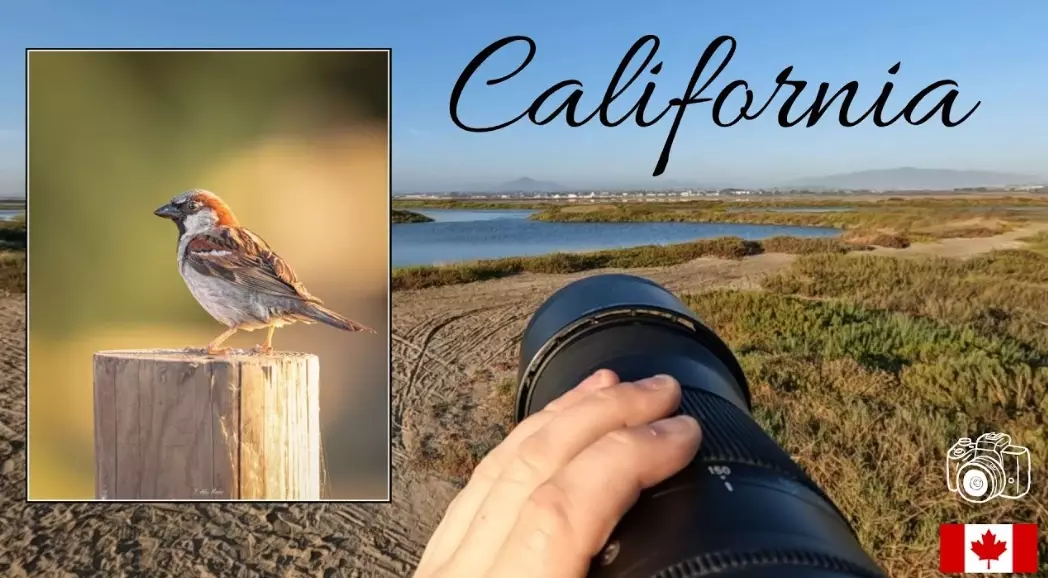
Spring/Fall: A lightweight, breathable long-sleeve shirt is more valuable than a jacket. It protects from sun and brush. Download the Merlin Bird ID app by the Cornell Lab of Ornithology. Its Sound ID feature is a game-changer for identifying hidden warblers in dense foliage.
Summer: Carry WAY more water than you think you need, especially inland. A hydration pack is ideal. A wide-brimmed hat is non-negotiable. Your binoculars might fog going from AC to heat; keep them in a shaded part of your car.
Winter: Layers, layers, layers. A coastal winter morning can be 40°F and foggy, warming to 65°F and sunny by noon. Waterproof shoes for muddy wetland trails. A scope becomes incredibly useful for scanning distant rafts of ducks or geese.
Year-Round Secret Weapon: Check local rare bird alerts on platforms like eBird. A reported rarity can redirect your day for an unforgettable sighting. But don't become a slave to it—sometimes the common birds right in front of you offer the best behavior to study.
Your Seasonal Birding Questions Answered
I only have one weekend in April for birding in California. Where should I go for the biggest variety?
Focus on the Central Coast around Monterey Bay. You can hit coastal hotspots like Point Pinos (for seabirds and possible migrants), the Elkhorn Slough (for wetlands and otters), and even drive inland an hour to Carmel Valley for oak woodland species. The habitat compression here gives you a massive species list in a small geographic area, perfect for a short trip.
What's the biggest mistake people make when winter birding at the Sacramento Valley refuges?
They go at noon. The spectacle of geese and ducks is a morning and late afternoon event. At midday, the birds are often out feeding in private agricultural fields, leaving the refuge ponds relatively quiet. Arrive at sunrise or about 2 hours before sunset. The light is better for photography, and the birds are actively flying to and from the roosts.
 Is desert birding in summer ever a good idea?
Generally, no—it can be dangerous. However, if you're experienced and prepared, targeting specific higher-elevation desert oases like the springs in Death Valley or the Panamint Mountains can yield unique residents like the Scott's Oriole or Black-throated Sparrow. You must start hiking at first light, carry gallons of water per person, and be off the trail by 10 AM. For 99% of birders, the deserts are best visited from October to April.
How do I actually find those "vagrant" birds in fall everyone talks about?
You don't find them; you find the habitat they get stuck in, and then you search meticulously. Look for isolated patches of trees, bushes, or fresh water on peninsulas, islands, or along the immediate coast after a period of strong easterly or southeastern winds. Then, walk slowly, pishing and playing occasional calls (ethically), and scan every branch. It's a grind, but the payoff is huge. Connecting with local birding groups on social media is the best way to get real-time alerts.
The rhythm of birding in California is what makes it endlessly fascinating. There's no off-season, only a shift in strategy and location. Stop trying to see everything at once. Pick a season, match it to a region from the table above, pack the right layer, and go listen. The birds are waiting, on their own schedule.
Reader Comments