You look out over a vast expanse of sand and rock, shimmering under a relentless sun. The air is dry enough to crack. It feels empty, lifeless. The question seems almost silly to ask out loud: are there any birds in the desert?
The answer isn't just a simple yes. It's a resounding, fascinating, and complex yes. Deserts are not avian wastelands. They are demanding, specialized habitats teeming with birds that have evolved some of the most ingenious survival strategies on the planet. Forget the idea of barren silence. From the iconic Roadrunner sprinting between creosote bushes to the tiny Verdin singing from a thorny acacia, desert bird life is vibrant, resilient, and full of surprises for those who know how and where to look.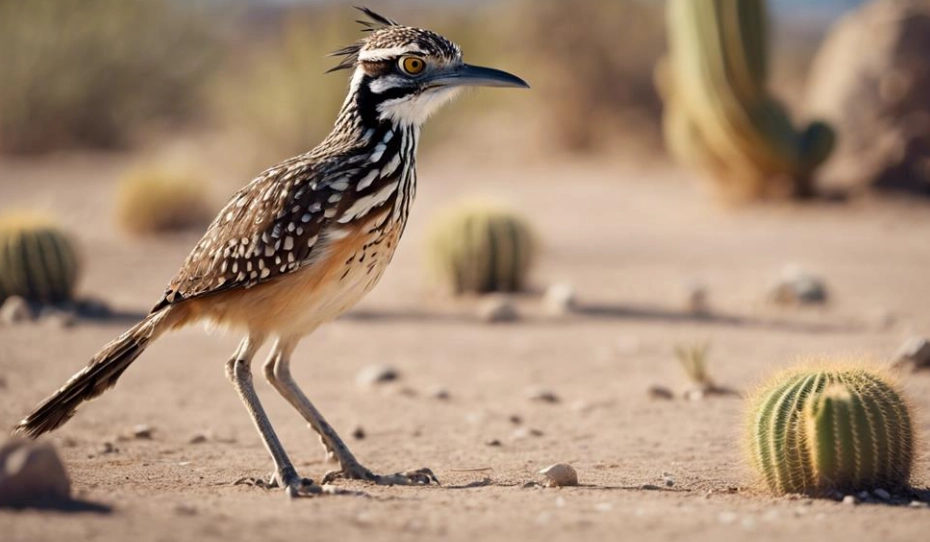
I've spent countless dawns in places like the Sonoran and Mojave Deserts, and the misconception that they're empty still annoys me. Most generic birding guides gloss over the specifics of arid zones, leaving enthusiasts unprepared. This guide is different. We're going deep into how birds not only exist but flourish in these extreme environments.
What's Inside This Guide
Desert Bird Species and Their Adaptations
Desert birds aren't a random assortment; they're a curated cast of specialists. You can broadly group them by their relationship with water and heat.
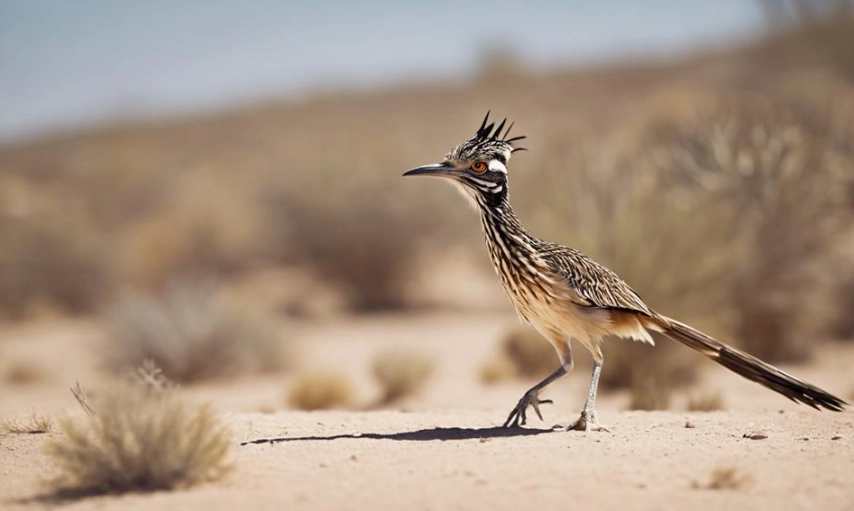
The True Desert Dwellers are the hardcore residents. They live here year-round and get all the water they need from their food. Think of the Cactus Wren, building its bulky nest deep within the protective spines of a cholla cactus. Or the Greater Roadrunner, a predator that gets moisture from lizards, snakes, and insects. These birds have physiological adaptations, like specialized kidneys that extract every last drop of water from their waste, that make permanent life possible.
The Seasonal and Opportunistic Visitors rely on specific conditions. Many migratory birds, like the Lucy's Warbler, time their nesting to the brief spring bloom when insects are abundant. Raptors such as the Red-tailed Hawk are common but are often tied to riparian corridors or areas with rodent populations. Their presence is a reminder that even in the desert, life is connected to pockets of resources.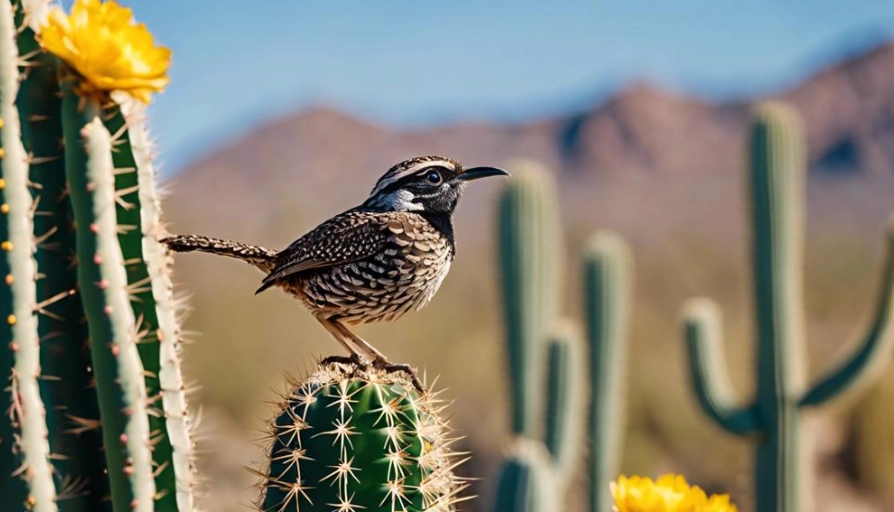
The biggest mistake beginners make is expecting to see birds in the open at midday. Desert bird activity is intensely tied to temperature. Your prime viewing windows are the first two hours after sunrise and the last two hours before sunset. During the scorching midday, most birds vanish into shade, burrows, or a state of torpor to conserve energy and water.
Where and When to Find Desert Birds
Location is everything. You won't find them evenly spread across the dunes. They cluster where the essentials—food, water, shelter—intersect.
Key Desert Bird Habitats
Washes and Arroyos: These dry riverbeds are desert highways. They often have slightly deeper soil, supporting larger shrubs and trees like palo verde and mesquite. The cover is better, and insects and seeds concentrate here. This is where you'll find quail, thrashers, and towhees scratching in the leaf litter.
Desert Oases and Riparian Areas: Any permanent water source is a magnet. Cottonwood and willow trees create a mini-forest that attracts everything from warblers and orioles to herons and ducks. Places like Ash Meadows National Wildlife Refuge in Nevada are spectacular examples. The density and diversity here can be shocking compared to the surrounding desert.
Cactus Forests: In the Sonoran Desert, saguaro and organ pipe cactus forests are apartment complexes for birds. Gila Woodpeckers and Gilded Flickers carve out nest cavities in the flesh of the saguaro. Once abandoned, these cavities become homes for elf owls, purple martins, and cactus wrens.
Rocky Outcrops and Canyons: Cliffs provide nesting sites safe from ground predators. Look for White-throated Swifts screaming past cliff faces, or Canyon Wrens singing their cascading songs from deep within shaded rock crevices.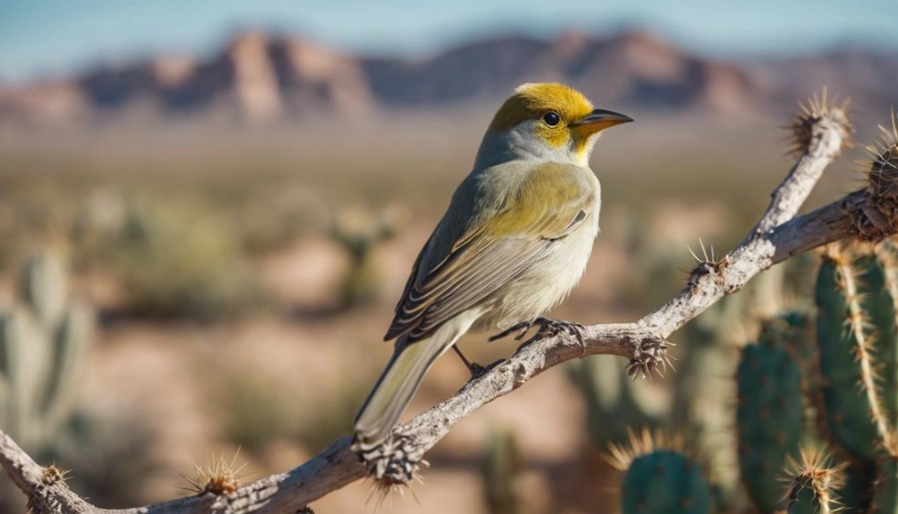
The Critical Importance of Timing
Seasonality dictates the cast. Late winter and spring (February to May) is the peak. Plants bloom, insects hatch, birds are singing and nesting. Summer (June-August) is brutally hot; activity is confined to early mornings, and many species become secretive. The monsoon season (July-August in the Southwest US) brings a second pulse of life. Fall and winter are quieter but excellent for seeing resident species and winter visitors like sparrows and raptors.
I learned this the hard way on my first trip to Anza-Borrego Desert State Park. I showed up at 10 AM in June and saw almost nothing. The heat was oppressive, and the birds were smarter than me—they were already done for the morning. Now, I'm in position before sunrise, coffee in hand, listening as the desert wakes up.
How Do Birds Survive the Desert Heat?
This is where desert bird biology gets incredible. They don't just endure; they have evolved elegant solutions.
Water Conservation is King: Many species, like doves and finches, can fly miles to a water source, drink their fill in seconds, and fly back. But the true masters never need to drink free water at all. Insectivorous birds get enough moisture from the bodies of their prey. Granivorous (seed-eating) birds like the Gambel's Quail have metabolic adaptations that produce water as a byproduct of breaking down dry seeds.
Heat Avoidance and Dissipation: Behavior is their first line of defense. They seek shade, often orienting themselves to minimize sun exposure. They become less active. Some, like the poorwill, can even go into a state of torpor, lowering their body temperature and metabolic rate significantly overnight or during extreme heat.
Physically, many have light-colored plumage to reflect sunlight. They may also use urohydrosis—defecating on their own legs. The evaporation of the watery waste cools the blood in their legs, which then circulates through their body. It's not pretty, but it's effective. Vultures and storks are known for this.
The Food Source Puzzle: Desert food webs are fragile. Birds often have broad diets to cope with scarcity. The Roadrunner will eat anything it can catch: insects, spiders, scorpions, lizards, small snakes, rodents, and even other birds. This generalist strategy is a key to survival when one food source disappears.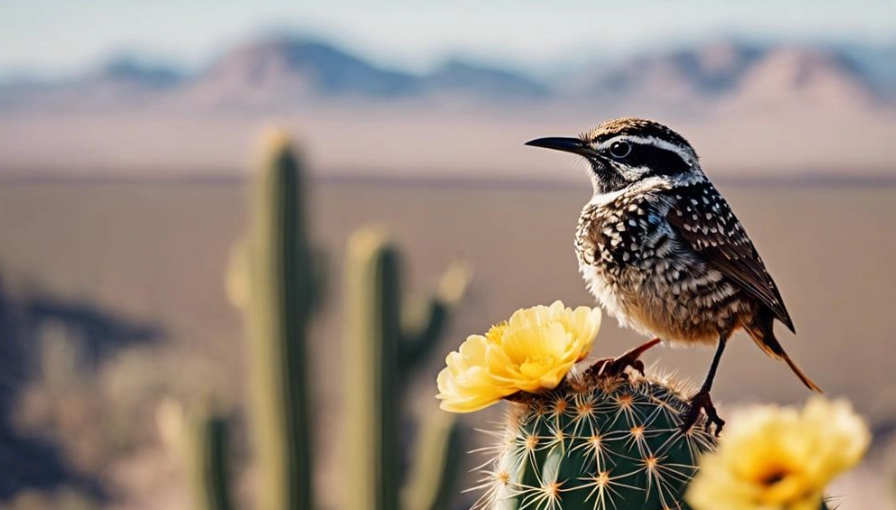
What Are the Best Practices for Desert Birding?
Desert birding requires a shift in mindset and preparation. Your safety and the birds' well-being are paramount.
Essential Gear Beyond Binoculars:
- Water: Bring at least one gallon per person per day. More in summer. This is non-negotiable.
- Sun Protection: A wide-brimmed hat, UV-blocking sunglasses, and high-SPF sunscreen. Lightweight, long-sleeved shirts and pants are better than shorts.
- Footwear: Sturdy, closed-toe shoes or boots with good traction for rocky, thorny terrain.
- Navigation: A detailed map, GPS, or offline maps on your phone. Cell service is often nonexistent.
- Listening Skills: Often, you'll hear birds long before you see them. Learning a few key songs—the rolling chatter of a Cactus Wren, the coo of a White-winged Dove—will dramatically increase your sightings.
Ethical Considerations: Never approach active nests, especially in cacti or fragile shrubs. The stress can cause parents to abandon the nest. Keep a respectful distance from water sources; birds need to drink and bathe without feeling threatened. Stay on established trails to minimize habitat damage and avoid disturbing cryptically-colored birds like nightjars on the ground.
One piece of advice I rarely see: learn the plants. Knowing a mesquite from a palo verde, a creosote bush from a burroweed, will tell you what birds to expect. A blooming ocotillo is a hummingbird magnet. A dense patch of cholla means Cactus Wrens are likely nearby.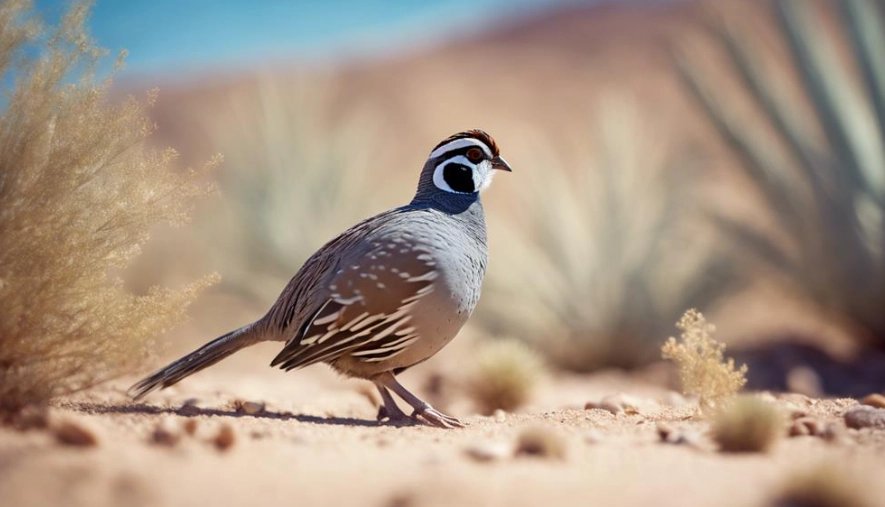
A Closer Look at Top Desert Bird Species
Let's meet some of the standout avian residents. This table breaks down where and how to find them.
| Bird Species | Key Habitat | Unique Adaptation / Behavior | Best Time to See |
|---|---|---|---|
| Greater Roadrunner | Open scrub, washes, areas with scattered brush for cover. | Terrestrial predator; runs up to 20 mph; gets all water from prey; sunbathes in morning to raise body temperature. | Early morning, often along roadsides or trails. Year-round. |
| Cactus Wren | Dense stands of cholla, saguaro, and other thorny cacti or shrubs. | Builds large, football-shaped nests deep in cactus spines for predator protection; loud, chattering song. | Year-round. Very active and vocal in spring. Look for movement in cholla patches. |
| Gila Woodpecker | Saguaro cactus forests, mesquite woodlands, desert washes. | Excavates nest holes in living saguaros. The cactus forms a hard, calloused lining (a "saguaro boot") around the cavity. | Year-round. Listen for their rolling calls and drumming on saguaro ribs. |
| Verdin | Desert washes, scrub, areas with acacia, mesquite, and creosote. | Tiny, active insectivore. Builds a large, spherical nest of twigs and thorny material. Bright yellow head on adults. | Year-round. Forages actively in outer branches of small trees and shrubs. |
| Gambel's Quail | Desert washes, thickets, areas with dense ground cover and nearby water. | Travels in coveys; gets metabolic water from seeds; famous topknot plume. Explodes into flight when startled. | Early morning and late afternoon at water sources or foraging along wash edges. Year-round. |
| Phainopepla | Desert washes with mistletoe-infested mesquite, riparian areas. | "Silky-flycatcher." Specializes on mistletoe berries. Males are glossy black; females gray. Has a unique, fluttering flight. | Winter and spring in desert lowlands. Often perches conspicuously on treetops. |
Seeing a Roadrunner in action—not just a blur across the road, but one stalking a lizard—feels like watching a dinosaur. They're all business. And the first time you spot a Verdin's intricate nest, you'll stop thinking of the desert as simple or empty.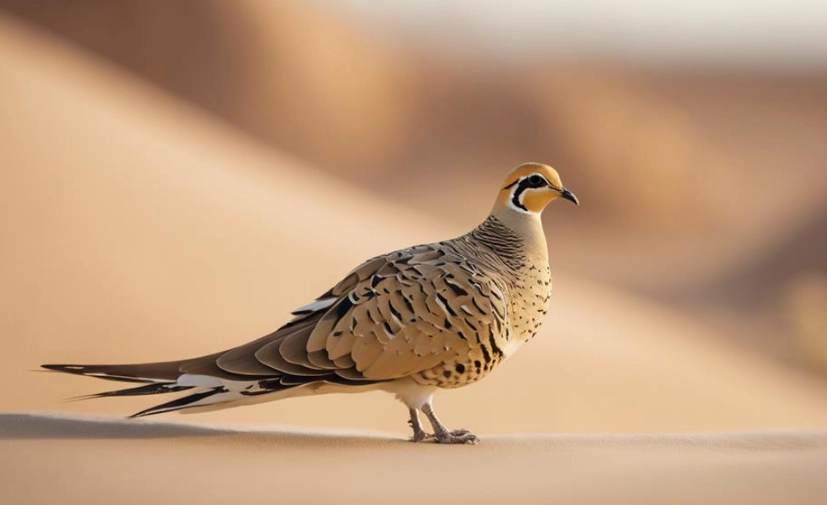
Your Desert Birding Questions Answered
What's the single most important piece of gear for desert birding besides binoculars?
I'm visiting the Sonoran Desert in summer. Is it even worth trying to go birding?
Do desert birds need me to put out water for them?
 Are there any nocturnal desert birds I should listen for?
Where can I find reliable, region-specific information on desert birds?
Reader Comments