That flash of blue on a duck's wing isn't a trick of the light. It's the calling card of one of North America's most widespread, fascinating, and often overlooked waterfowl: the blue winged teal. I've spent countless dawns in marshes from Texas to Saskatchewan waiting for them, and I still get a thrill when a small flock zips past, their wing patches glowing in the low sun. They're not the biggest or loudest duck, but their speed, unique habits, and subtle beauty make them a favorite among seasoned birders.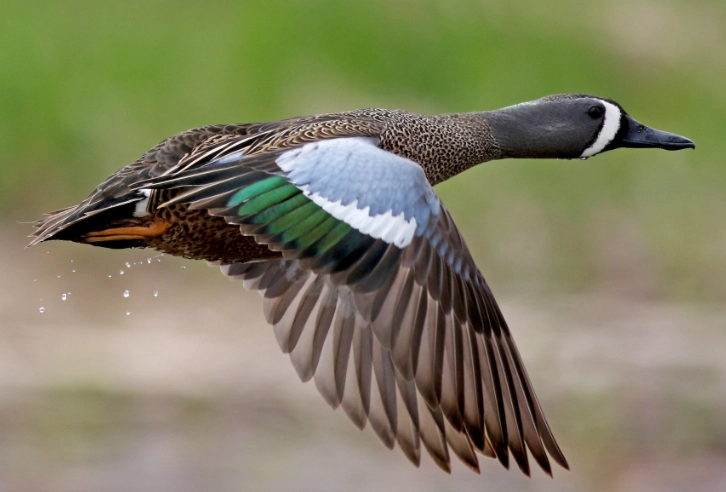
This guide isn't just a list of facts. It's the result of years of chasing, observing, and sometimes completely missing these birds. We'll move past the basic field guide description and into the practical details: how to tell them apart from look-alikes when they're a blur, where and when you have the best shot at seeing them, and what they can tell us about the health of our wetlands.
What's Inside This Guide
How to Identify a Blue Winged Teal in the Field
Most guides will show you a perfect profile of a male in breeding plumage. Reality is messier. You're often looking at distant, moving birds in poor light. Here’s how to make a positive ID in real-world conditions.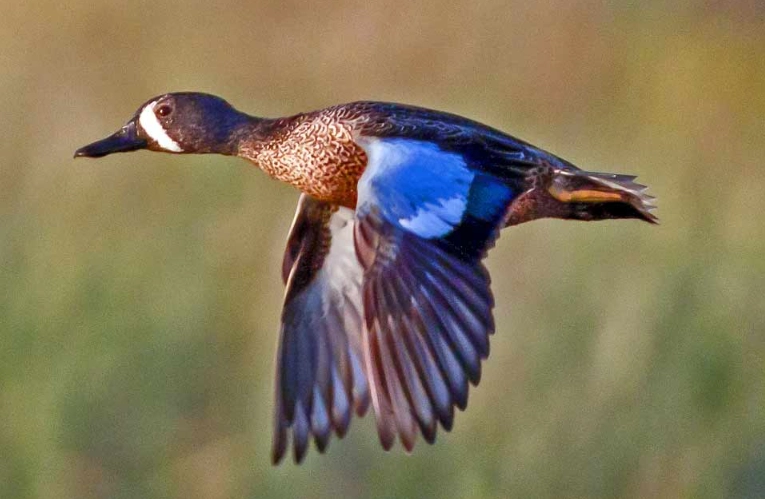
The male's breeding plumage is stunning: a chalky blue-gray head with a bold white crescent between the eye and bill, a speckled brown body, and of course, that powder-blue patch on the forewing, visible in flight or when they stretch. The female is a mottled brown all over, like a miniature mallard hen. That's the textbook version.
Now for the nuance everyone misses. The single best field mark, especially for females and eclipse (non-breeding) males, isn't the blue wing patch—it's the size and shape. Blue winged teal are small. Put one next to a mallard and it looks like a toy. They have a slightly longer, more slender neck and a disproportionately large bill for their body. In flight, their wings are slender and pointed, and they are incredibly agile, twisting and turning in tight flocks unlike the heavier, straight-line flight of many larger ducks.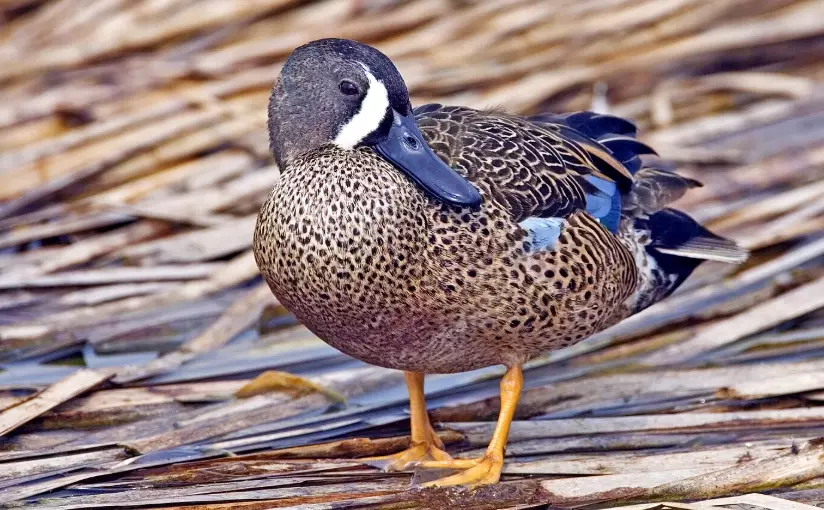
A Common Mistake Even Experienced Birders Make
Don't rely solely on the blue wing patch. Both male and female northern shovelers also have a bright blue forewing patch. The giveaway? The shoveler's massive, spoon-shaped bill is unmistakable. If you see a "blue-winged" duck with a normal-sized bill, you've likely got a teal. If the bill looks like it could dig a small trench, it's a shoveler.
Sound is another huge clue. Their call is a high, thin, peeping or whistling sound, very different from the familiar quack. In a marsh full of birds, listen for that delicate peeping—it often leads you right to them.
Where to Find Them: Habitat & Migration Secrets
Blue winged teal are the long-distance champions of the dabbling duck world. While mallards might move a few hundred miles, teal are heading to South America. This migration timing is critical for finding them.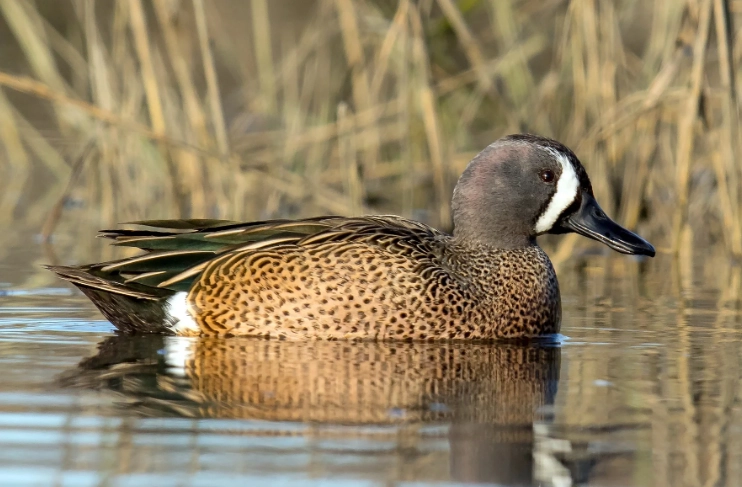
Spring vs. Fall Migration: A Key Difference
They are one of the last ducks to head north in spring and one of the first to head south in fall. Don't look for them on northern breeding grounds in early April—they're likely still in Louisiana or Texas. Conversely, by late August and September, they're already pouring out of Canada and the northern U.S., making fall the absolute best time to see large numbers in the central flyway.
Their preferred habitat is shallow, seasonal wetlands. Think flooded agricultural fields, prairie potholes, marshy edges of ponds, and mudflats. They avoid large, deep lakes and fast-moving rivers. I've had my best luck in the thousands of small, temporary wetlands that dot the Great Plains in wet years. According to the U.S. Fish and Wildlife Service, the Prairie Pothole Region is their primary nursery, so states like North Dakota, South Dakota, and southern Canada are hotspots during summer.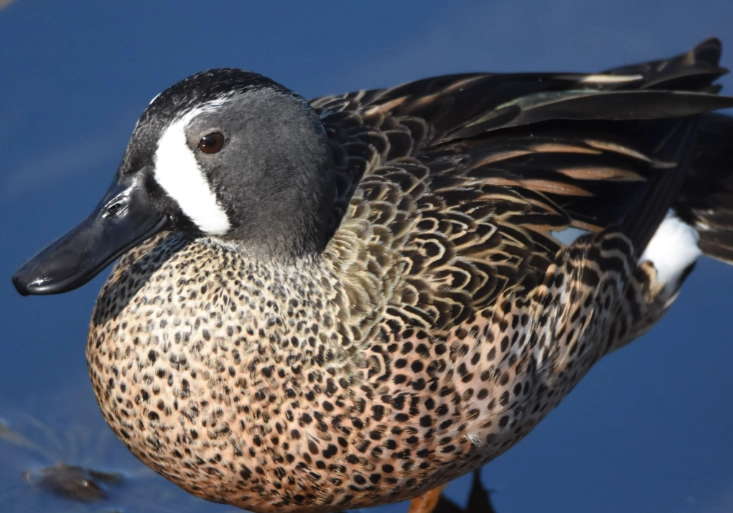
Top 3 Regions for Reliable Blue Winged Teal Sightings:
- The Prairie Pothole Region (Summer): The heart of breeding territory. Drive the backroads of the Dakotas in June and listen for their calls from every small wetland.
- The Gulf Coast (Winter): Especially Texas and Louisiana coastal marshes. Places like the Laguna Atascosa National Wildlife Refuge or the marshes around Port Arthur can hold thousands in winter.
- Major Central Flyway Stopovers (Spring & Fall): Key reservoirs and wildlife areas in Kansas (Cheyenne Bottoms), Nebraska (Rainwater Basin), and Oklahoma become critical fueling stations during migration.
Beyond Watching: How to Photograph and Attract Them
Getting a good photo of a blue winged teal is a challenge I relish. They're skittish. Here’s what I've learned the hard way.
Photography Tips: You need a long lens (400mm minimum) and patience. A floating blind or stationary blind on the edge of a wetland is ideal. Early morning light is best, not just for the golden glow, but because teal are often more active then. Focus on capturing behavior—dabbling in shallow water, preening, or the explosive takeoff. Don't just wait for the perfect male portrait; a sharp action shot of the flock twisting in unison is often more compelling.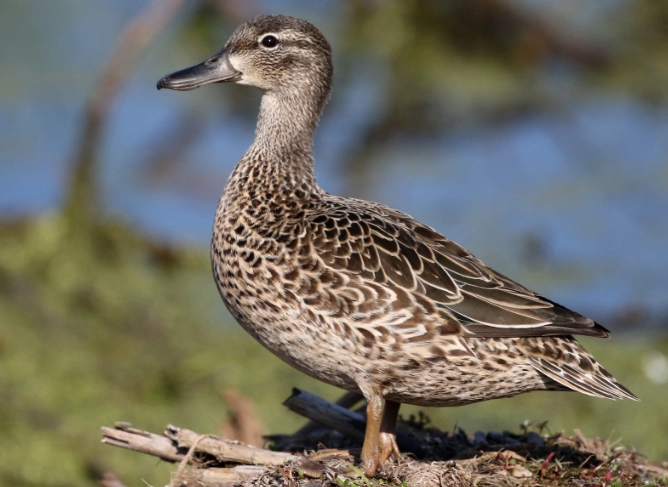
Attracting Them to Your Pond: Can you get blue winged teal to visit your property? Maybe, if you're on a migration route. They're not like wood ducks that readily use nest boxes. Your best bet is managing habitat. They need:
| Habitat Feature | Why It's Important | How to Create/Maintain It |
|---|---|---|
| Shallow, Sheltered Water | For dabbling and feeding on invertebrates; provides safety from deep-water predators. | Create gradual shorelines or shallow berms. Water depth of 6-18 inches is ideal. |
| Native Vegetation & Mudflats | Provides seeds for food and cover for nesting hens. Mudflats host insect larvae. | Don't over-mow pond edges. Allow native grasses, sedges, and smartweeds to grow. |
| Minimal Disturbance | Teal are extremely wary. Constant human or pet activity will keep them away. | Provide a visual barrier (shrubs, reeds) between the pond and your house/activity areas. |
Planting native moist-soil plants like millet, smartweed, and sedges around the edges can provide a food source. But remember, they are wild migrants. You're creating a welcoming pit stop, not a permanent residence.
Are Blue Winged Teal Populations Healthy?
This is the good news story. While many wetland species struggle, blue winged teal populations have been strong and relatively stable for decades. The annual Waterfowl Population Status report from the U.S. Fish and Wildlife Service consistently estimates their breeding population in the millions, often well above long-term averages.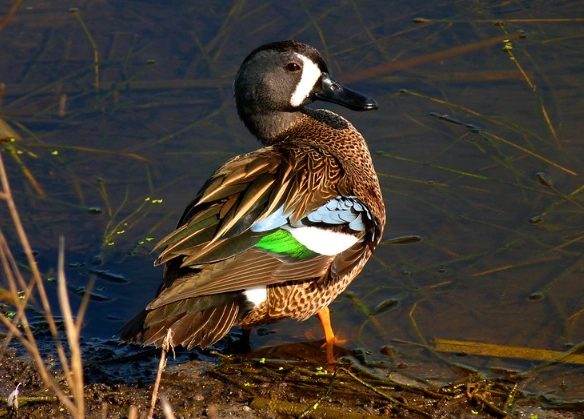
Why are they doing well? Their ability to use a wide variety of small, temporary wetlands gives them resilience. When the Prairie Pothole Region has good water years, teal populations boom. They are also highly adaptable in their migration, able to shift routes based on conditions.
But stability isn't guaranteed. Their reliance on countless small wetlands makes them vulnerable to widespread drainage and drought. Conservation programs like the USDA's Conservation Reserve Program (CRP) and efforts by Ducks Unlimited to protect prairie wetlands are directly beneficial to teal. When you support wetland conservation, you're supporting blue winged teal.
Your Blue Winged Teal Questions Answered
Spotting that first blue winged teal of the season feels like a secret handshake with the natural world. It signals the turn of the migration wheel, the health of hidden wetlands, and the incredible journey of a bird that weighs less than a pound yet crosses continents. Grab your binoculars, find a shallow wetland, and listen for the peep. There's a good chance the blue-winged speedster is out there.
Reader Comments