Let's cut to the chase: Florida's national parks are some of the most spectacular and frustratingly diverse birding locations in North America. I've spent over a decade chasing feathers here, from the sawgrass prairies of the Everglades to the remote coral keys of the Dry Tortugas. The sheer variety—from tiny warblers to towering wading birds—is staggering. But here's the thing most generic guides miss: timing and location within each park matter more than just showing up. You can stand in the right park at the wrong time and see nothing but tourists. This guide is built from hard-won experience, not just recycled facts. We'll cover exactly where to go, when to be there, and how to avoid the common pitfalls that turn a dream birding trip into a sweaty disappointment.
Your Birding Adventure Starts Here
Why Florida's National Parks Are a Birder's Paradise
Florida sits at a biological crossroads. It's where temperate North America meets the Caribbean tropics, and where freshwater ecosystems collide with saltwater. This creates niches for resident birds, wintering migrants from up north, and tropical strays from islands to the south. National parks protect these critical habitats in their rawest forms. You're not looking at birds in a suburban park; you're seeing them in the environments they evolved for—vast mangrove forests, endless estuaries, and isolated coral atolls. The scale is what makes the difference. A single park can host over 300 species. The real magic happens when you understand the seasonal shifts. Winter brings ducks and sparrows, spring erupts with northbound warblers dripping with color, summer has nesting herons and terns, and fall can deliver unexpected Caribbean vagrants after a storm.
Top Florida National Parks for Birding (Ranked & Detailed)
Not all parks are created equal for a focused birding trip. This ranking is based on species diversity, accessibility of key habitats, and the likelihood of seeing spectacular or rare birds.
| Park | Address & Entry | Prime Birding Season | Signature Birds |
|---|---|---|---|
| 1. Everglades National Park | Main Entrance: 40001 State Hwy 9336, Homestead, FL 33034. $30/vehicle (7-day pass). Open 24/7. Ernest F. Coe Visitor Center hours vary. | Dry Season (Dec-Apr). Fewer bugs, concentrated water sources. | Roseate Spoonbill, Snail Kite, Wood Stork, Limpkin, Purple Gallinule. |
| 2. Dry Tortugas National Park | Accessible only by ferry (Yankee Freedom) or seaplane from Key West. Ferry ~$200/day. Park fee $15/person. Fort Jefferson open daylight hours. | Spring Migration (Apr-May) & Fall (Sep-Oct). For nesting seabirds: Summer. | Magnificent Frigatebird, Sooty & Bridled Terns, Brown Noddy, Masked Booby, migrant warblers. |
| 3. Biscayne National Park | Dante Fascell Visitor Center: 9700 SW 328th St, Homestead, FL 33033. Free. Boat needed for best birding. | Year-round. Winter for waterfowl, summer for nesting waders on keys. | American White Pelican, Reddish Egret, White-crowned Pigeon, Antillean Nighthawk. |
| 4. Canaveral National Seashore | North: Apollo Beach, Titusville. South: Playalinda Beach, Titusville. $20/vehicle. 6am-6pm. | Fall through Spring. Crucial for shorebirds and wintering raptors. | Piping Plover, Red Knot, Peregrine Falcon, Florida Scrub-Jay (in adjacent scrub). |
Everglades National Park: The Subtropical Giant
Forget the idea of one "best spot." The Everglades is a system. The Anhinga Trail (Royal Palm area) is famous for a reason—you'll get face-to-face with Anhingas, herons, and maybe a limpkin. But it's a zoo by 10 AM. Go at sunrise. My preferred strategy is to drive further down to Mahogany Hammock or Paurotis Pond later in the morning for more solitude and possible Snail Kite sightings. The Flamingo area at the very end of the road is worth the 38-mile drive. Check the marina for American Crocodiles and the coastal flats for huge flocks of wading birds. A common mistake is spending the whole day on the main road. Rent a canoe at the Nine Mile Pond or Hell's Bay for a silent approach into the mangrove tunnels—this is where you find the shy stuff.
Dry Tortugas: The Pelagic Dream
This is a commitment. The ferry ride is 2.5 hours each way. But stepping onto Garden Key with Fort Jefferson is like entering another world. The frigatebirds circle the fort moat constantly. The real action is on Bush Key (closed during nesting season to protect terns and noddies). You can view them from the fort walls. The scrubby vegetation on the key is a migrant trap. I've seen more Cape May Warblers here in one day than in a decade elsewhere. Book the ferry or campsites months ahead. If you day-trip, use every minute: bird the fort, the moat, the bushes. Bring a packed lunch and skip the long lunch line on the boat.
Essential Gear for Florida Park Birding
Florida birding breaks gear. Humidity, salt, water, and sun are your enemies.
Optics: You need waterproof binoculars. Fogged interiors are useless. An 8x42 is the sweet spot. A spotting scope is overkill for most park trails but invaluable for scanning the Florida Bay flats from Flamingo or shorebird flocks at Canaveral.
Clothing: This isn't a fashion show. Long, lightweight, light-colored pants and shirts are for sun and bug protection, not style. A wide-brimmed hat is non-negotiable. I've seen more birders felled by sunstroke than rare birds.
Footwear: Waterproof hiking boots or trail shoes. For the Everglades, consider lightweight waterproof socks or even neoprene booties if you're venturing off-trail in the wet season. Sandals will get you bitten and cut.
Tech & Guides: The Merlin Bird ID app is fantastic for sound ID, but cell service is spotty. Download the Florida pack offline. A physical field guide like Sibley's Eastern is a reliable backup. A power bank for your phone is crucial for using GPS and eBird all day.
Planning Your Florida National Park Birding Trip
Your success is 80% planning, 20% luck.
Seasonal Strategy: Match your target birds to the season. Want wintering waterfowl and raptors? Hit Canaveral and the Everglades in January. Dreaming of a "fallout" of migrant songbirds? Target Dry Tortugas or the coastal hardwood hammocks in late April. Summer is hot and buggy, but it's the only time to see certain nesting seabirds and waders with chicks.
Daily Rhythm: Birds are most active at dawn. Be at the park gate when it opens. Bird hard until 11 AM, then find shade, hydrate, and review your photos. Late afternoon offers another active period. Midday is for driving between sites or taking a break.
Logistics: Always, always check the official National Park Service website for alerts. Road closures, construction, and nesting area restrictions happen. In the Everglades, check water levels—high water disperses birds, making them harder to find. Bring all the food and water you'll need for the day. Services are limited.
Using eBird: Before you go, check recent checklists (eBird's "Explore" feature) for the specific park and hotspots you're targeting. This tells you what's being seen right now. It's more useful than a generic seasonal list.
Beyond the Binoculars: Birding Ethics & Conservation
These parks are fragile. Your actions matter. Never, ever feed wildlife. It alters behavior and harms their health. Give nesting birds a wide berth—if a bird is calling or acting stressed, you're too close. Use established trails to minimize habitat damage. In places like Canaveral, where shorebirds nest right on the beach, respect posted closures. They're there for a reason. Pack out everything you pack in. The biggest ethical lapse I see? People playing bird calls on speakers to lure birds in. It stresses the bird, wastes its energy, and can disrupt mating. Don't do it. Be a quiet observer.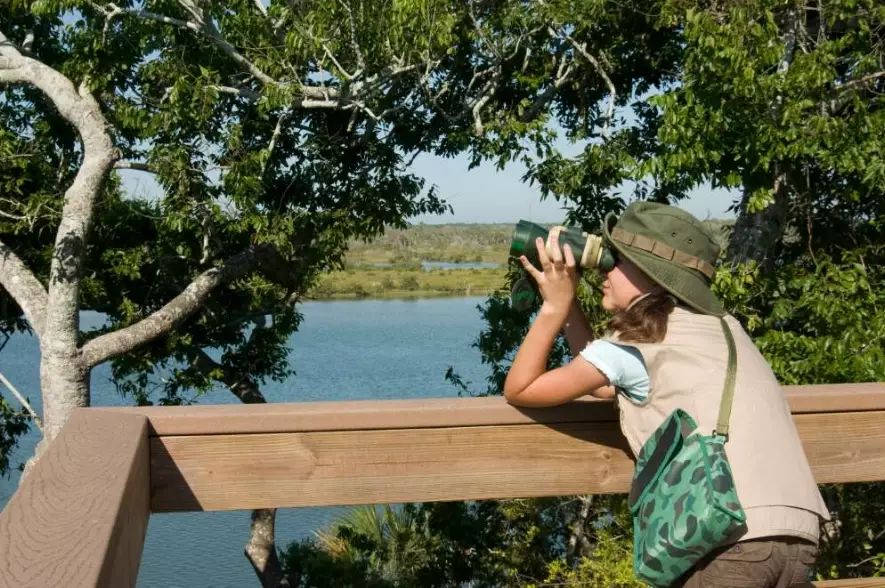
Florida National Park Birding FAQs
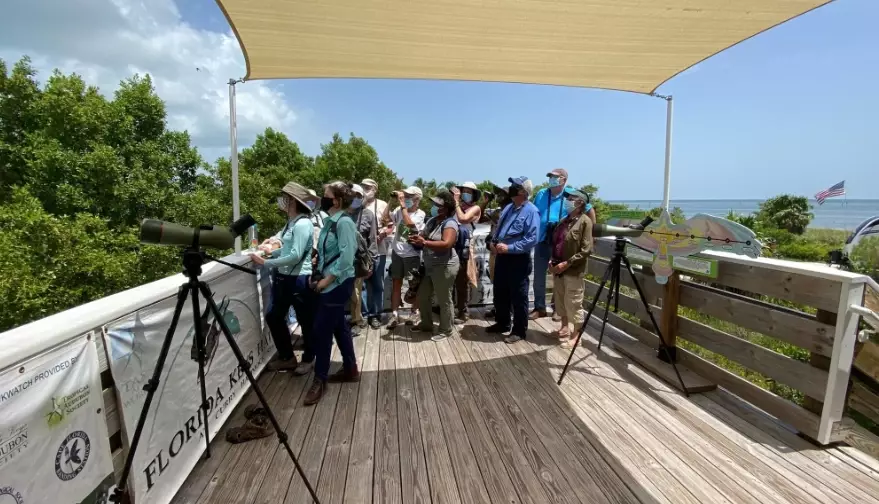 How do I handle the mosquitoes and heat without being miserable?
Day 2: Everglades (Shark Valley entrance) for a different perspective and possible Snail Kite. Afternoon at nearby Big Cypress National Preserve for Barred Owl and maybe a Crested Caracara.
Day 3: Choose: a long day trip to Dry Tortugas (booked in advance) OR a morning at Biscayne National Park (boat tour to Elliott Key) and afternoon at Canaveral National Seashore for shorebirds.
Reader Comments