If you're researching bird migration, monitoring an endangered species, or just fascinated by avian behavior, you've probably hit a wall. The biggest question isn't whether to track them, but how to do it without weighing them down. So, what is the smallest GPS tracking device for birds? The short answer: devices under 5 grams are pushing the limits, with the absolute lightest commercial units hovering around 1 gram. But weight is just the start. The real challenge is finding a tracker that's light enough for your bird, lasts long enough for your study, and gets you the data you need without breaking your budget or harming the animal.
I've spent over a decade fitting these tiny gadgets to everything from warblers to eagles. The most common mistake I see? Researchers get fixated on the advertised weight and forget about the battery life and data retrieval method. A 1-gram tag that dies in two days is useless for studying migration. Let's cut through the specs and talk about what actually works in the field.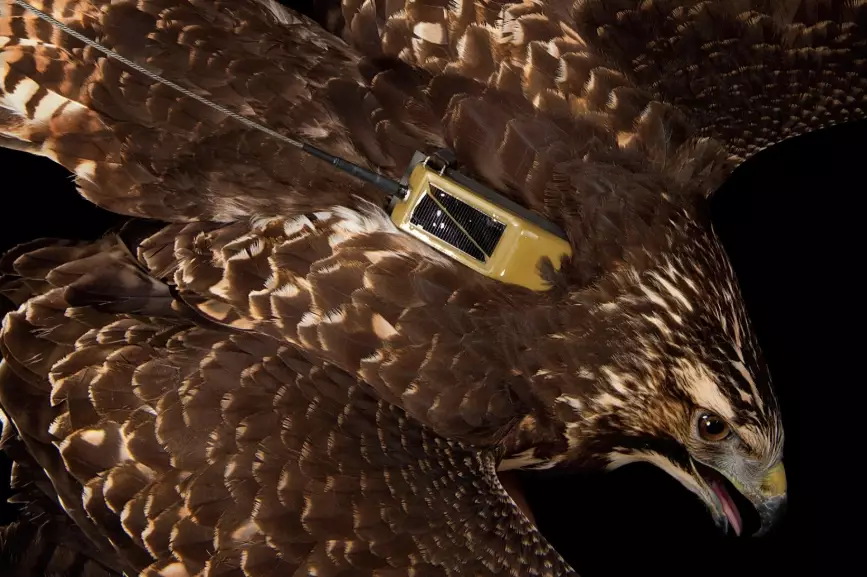
Quick Navigation
What "Smallest" Really Means for Bird Trackers
When we talk about the "smallest" tracker, we're almost always talking about weight. The rule of thumb, supported by ethical guidelines from ornithological bodies, is that a tracking device should not exceed 3-5% of a bird's body mass. For a 20-gram songbird, that means a device under 1 gram. For a 100-gram dove, you have up to 5 grams to play with.
But here's the catch everyone misses: the advertised weight is often for the bare device. You must add the weight of the attachment harness (usually Teflon ribbon or elastic), which can easily add 0.5 to 1 gram. I've seen studies compromised because they didn't factor this in during planning.
Beyond weight, "small" also refers to physical dimensions. A bulky 5-gram cube creates more drag than a sleek, flat 5-gram panel. Aerodynamics affect flight efficiency, which can skew your data on energy expenditure or, worse, reduce the bird's survival chances. The best miniaturized trackers are shaped to contour the bird's back.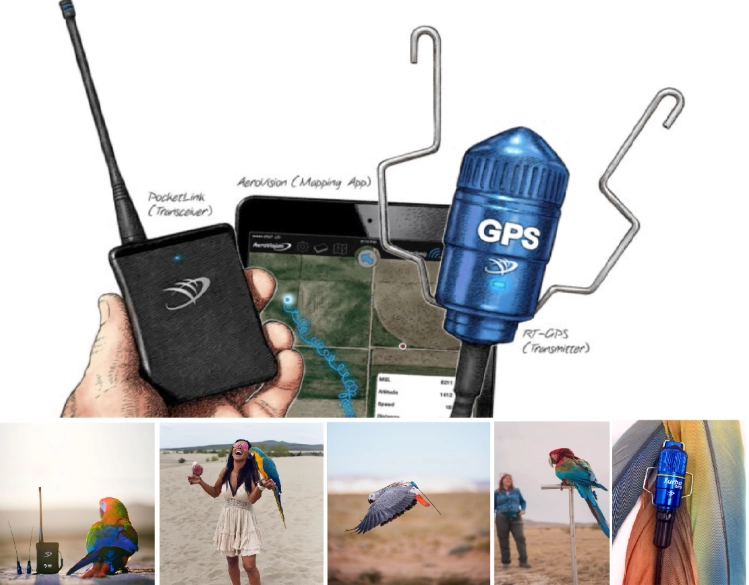
Leading Miniature GPS Trackers: A Detailed Comparison
Let's look at the real-world options. The table below isn't just a spec sheet; it's based on conversations with colleagues and my own hands-on experience with some of these units.
| Device Name (Manufacturer) | Approx. Weight | Key Technology | Battery & Lifespan | Best For | One Big Consideration |
|---|---|---|---|---|---|
| Ornitela Nano | 1.5g - 3.5g | GPS + GSM (Cellular) | Rechargeable (solar), months to a year | Long-term studies of medium-sized birds (doves, raptors) | Requires cellular network coverage. Data plans add cost. |
| Cellular Tracking Technologies' PinPoint系列 | 2.5g - 5g | GPS + Argos or GSM | Solar-rechargeable, multi-year potential | Migratory species, lifetime tracking projects | Premium pricing. Solar performance depends on species' sun exposure. |
| Migrate Technology's Pico系列 | 0.9g - 1.5g | GPS Logging (store-on-board) | Non-rechargeable, 1-4 weeks | Short-term, high-precision studies on small songbirds | You MUST recapture the bird to get the data. High risk, high reward. |
| Lotek Pinpoint系列 | 2g - 10g+ | GPS + VHF or Argos | Varied, some solar options | Flexible studies where VHF backup is desired | Strong heritage and support, but some units are heavier for their class. |
A device like the Migrate Technology Pico truly represents the cutting edge of miniaturization for GPS logging. At under 1 gram, it's a marvel. But I used them on a study of Willow Warblers. We got incredible, fine-scale data... on the 60% of birds we managed to recapture. The other 40%? Their data is forever lost. That's the trade-off.
Cellular/solar units like the Ornitela Nano are game-changers. You get near real-time data without recapture. But I watched a colleague's project stall because the birds wintered in an area with poor GSM coverage. The tags kept trying to connect, drained the battery, and died months early. Always map your expected animal range against network coverage.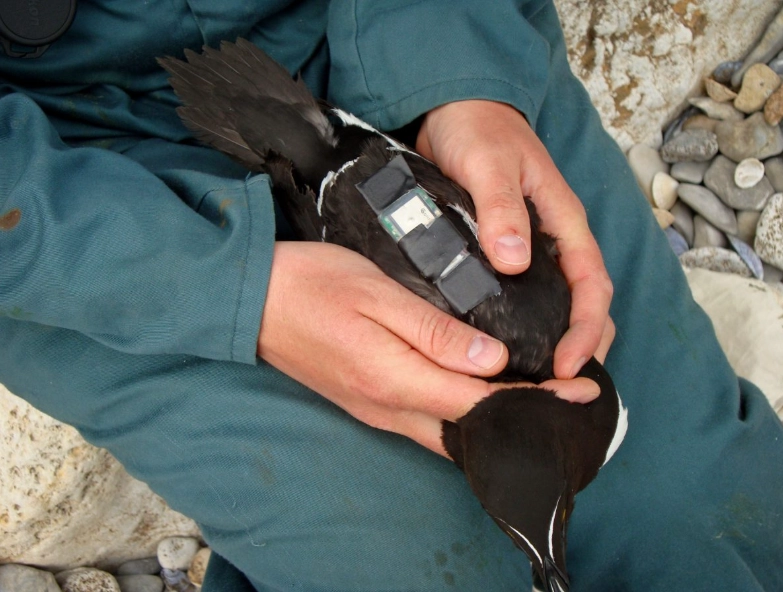
How to Choose the Right Tracker for Your Project
Don't just pick the lightest one. Work backwards from your research questions.
Start With Your Species and Question
Are you tracking a local breeding population or a transcontinental migrant? For migrants, solar/cellular is almost a necessity. For a resident bird in a small, known territory, a lightweight logger you can recapture might be perfect and far cheaper.
Budget Beyond the Unit Price
The sticker shock isn't just the tag. Factor in:
- Data costs: Cellular plans can run $5-$15 per month, per tag.
- Accessories: Harness material, tools, VHF receivers if needed.
- Labor: The hours spent deploying, monitoring, and retrieving.
Consider the Data You Really Need
Do you need a location every hour, or once a day? Higher fix rates kill batteries. A 5-gram tag getting 4 fixes/day might last a year. The same tag set to get a fix every 15 minutes might die in a month. Be brutal about your required resolution.
Attachment Methods: More Critical Than the Device Itself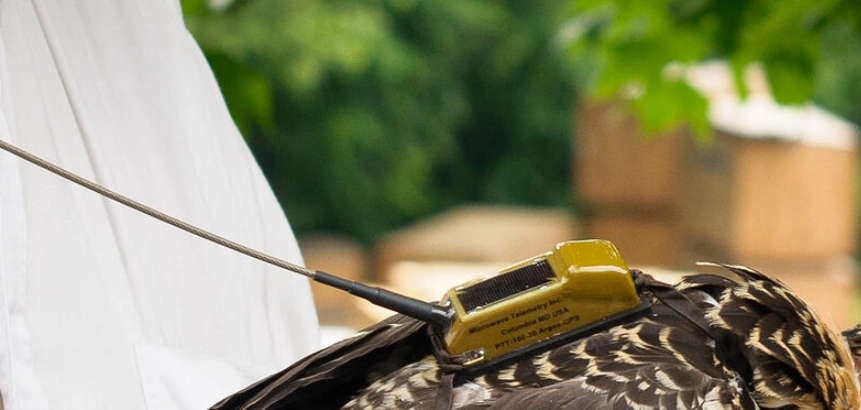
You can have the best tracker in the world, and a poor attachment will ruin your study. There are three main types, and the choice is non-trivial.
Backpack Harnesses: The gold standard for most birds. Made from Teflon ribbon or elastic cord. They must be fitted precisely—snug enough not to slip, loose enough to not chafe. A common error is making the leg loops too tight. I check for fit by sliding two fingers under the harness. If I can't, it's too tight.
Leg-loop or Tail-mount: Used for very small birds or specific species. Often lighter but can be less secure. I avoid glue-on mounts when possible. Feathers molt, glue fails, and the risk of premature detachment is high.
Direct Attachment (Rare): Sometimes used for large birds with robust feathers. This is expert-level only and carries higher risk.
The attachment event is stressful for the bird. Have a skilled, permitted handler do it. Practice on a model first. Time is of the essence.
The Hidden Hurdles: Data, Cost, and Logistics
Here's the stuff they don't put in the glossy brochure.
Data Management: A single tag can generate thousands of data points. You need a plan to store, clean, and analyze this. Platforms like Movebank are invaluable. Don't wait until the data floods in to figure this out.
Permitting: In most countries, attaching a tracker to a wild bird requires scientific and animal welfare permits. This process can take months. Start early.
The Long Tail of Cost: That $500 tag might seem like the big expense. But over a 3-year PhD, the $10/month data fee per tag for 20 tags becomes $7,200. It adds up fast.
Expert Answers to Your Burning Questions
It's surprisingly effective, but with major caveats. Modern solar panels are efficient, and even dappled light can provide a trickle charge. However, for a bird that spends most of its time in dense canopy (like a wood thrush), solar charging will be minimal. In my experience, solar works brilliantly for raptors, shorebirds, and open-country species. For forest birds, you must either size the battery for the entire expected deployment without solar, or accept that the device lifespan will be shorter. Always ask the manufacturer for "duty cycle" estimates under low-light conditions.
This is the central ethical dilemma. The technology is now light enough, but "can we" doesn't always mean "should we." The 3-5% rule is a guideline, not a law of physics. Beyond weight, you must consider drag, harness fit, and behavioral impact. A study published in the Journal of Avian Biology found some small birds with tags altered their foraging behavior. My rule is: if your study question can be answered with a lighter technology (like geolocators at 0.5g), use that. Only use GPS on small birds if the spatial precision is critical to your science, and you have rigorous protocols to monitor for adverse effects. The welfare of the individual bird must come before the data point.
 What's the real-world lifespan of a 2-gram solar-powered cellular tracker?
Manufacturers might say "multi-year," but in practice, I plan for 12-18 months for a robust study design. Lifespan depends on three variables you can't fully control: 1) Fix rate: More frequent GPS fixes = more battery use. 2) Movement: A bird that travels constantly will use more energy trying to get GPS locks and find cell towers than a sedentary one. 3) Sun exposure: A rainy migration season or a shaded wintering ground can drastically reduce charging. I once had tags on Ospreys that lasted 3 years because they summered in sunny latitudes. The same model on a forest owl might last 8 months. Always build a buffer into your study timeline.
Almost never. Those devices are designed for tracking packages or pets, not wild birds. They are far too heavy (usually 30g+), not weatherproofed for avian life, lack appropriate attachment methods, and their batteries are not optimized for the duty cycles needed in wildlife research. Using one would be unethical and likely illegal under scientific permits. The miniaturization in wildlife telemetry is a specialized field; stick with vendors who supply the scientific community, like those listed above.
Don't buy a tag first. Your first step is literature. Read studies on similar species. Your second step is networking. Email researchers who have done it. Most are happy to share pitfalls. Your third step is consulting with manufacturers. Reputable ones like CTT or Ornitela have ecologists on staff who can advise on study design. Finally, partner with someone who has hands-on experience. Offer to volunteer on their field season. There's no substitute for learning how to properly fit a harness on a living, breathing bird from someone who's done it a hundred times. Jumping in alone is the surest way to waste money and potentially harm an animal.
Reader Comments