You're standing at the edge of a marsh, the distant silhouette of a raptor perched on a dead tree. You raise your binoculars, and the world swims. The bird is a frustrating, shaky blur. That's the moment many birders ask: did I buy too much power? Is 10x too much for birding?
Let's cut to the chase. For many beginners, and even for a lot of experienced birders in typical woodland or backyard settings, 10x magnification can be overkill and a genuine handicap. The popular sweet spot is 8x. But declaring 10x universally "too much" is like saying a sports car is too much for any road. It ignores the open highway. If you primarily scan vast wetlands, shorelines, or open country, 10x can be your best friend. The real question isn't about a simple yes or no, but about matching the tool to your specific birding terrain and your ability to manage its main drawback: shake.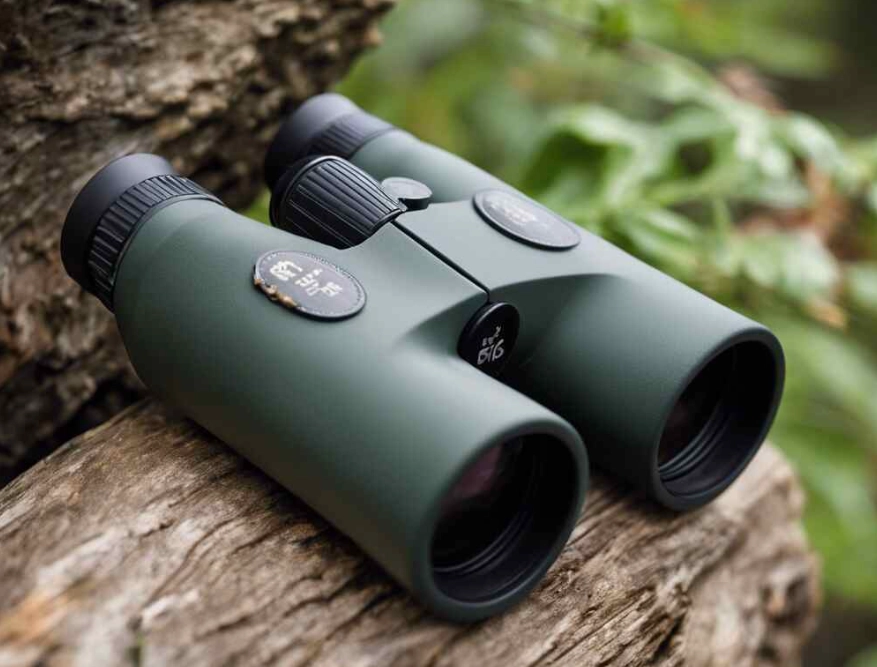
What You'll Find in This Guide
- Magnification & Field of View: The Core Trade-Off
- The Brutally Honest Pros and Cons of 10x Binoculars
- Who Should Seriously Consider 10x Binoculars?
- How to Tame the Shake: Stability Solutions That Actually Work
- Making Your Choice: A Practical Decision Framework
- Your 10x Questions, Answered by Experience
Magnification & Field of View: The Core Trade-Off
First, the basics. A 10x binocular makes an object appear ten times closer than it does to your naked eye. An 8x makes it appear eight times closer. That extra 2x sounds modest, but the side effects are significant.
The most immediate impact is on the field of view (FOV). This is the width of the scene you see through the lenses, usually measured in feet at 1000 yards or degrees. Higher magnification almost always means a narrower tunnel of view.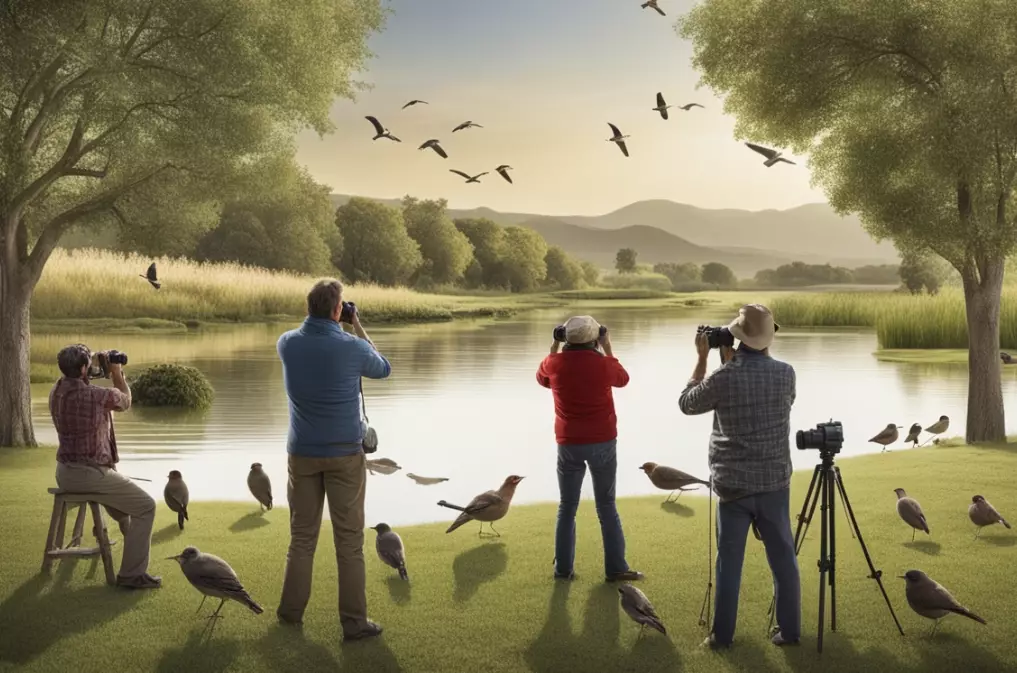
Think of it like this: An 8x binocular might give you a view like a generous hallway. A 10x often feels more like looking through a pipe. Finding a small, fast-moving warbler in dense foliage with that narrower pipe is notoriously harder. You'll be swinging the binoculars around more, getting frustrated, potentially missing the bird altogether.
Then there's brightness and exit pupil. Exit pupil (objective lens diameter divided by magnification) determines how much light reaches your eye. In low-light conditions—dawn, dusk, deep forest—a larger exit pupil (like the 5mm from an 8x42) often outperforms a smaller one (the 4.2mm from a 10x42). The image can look dimmer and less contrasty in the 10x.
The Brutally Honest Pros and Cons of 10x Binoculars
Let's lay it out clearly. This isn't about good vs. bad; it's about trade-offs.
| Aspect | The 10x Advantage (The "Pro") | The 10x Disadvantage (The "Con") |
|---|---|---|
| Detail & ID | Superior for discerning fine details at long distances: wing bars on a distant shorebird, the facial pattern of a far-off hawk, the subtle color gradient on a duck's speculum. | Often unnecessary for closer birds. That extra detail is wasted on a chickadee 30 feet away, and the shake can actually obscure the detail you're trying to see. |
| Stability & Ease of View | None. This is the Achilles' heel. | Magnifies hand shake. Every tiny tremor is amplified tenfold. Holding a steady image is physically demanding, leading to eye strain and a frustrating, jittery view. This is the #1 reason birders regret buying 10x. |
| Field of View | Narrower view can sometimes help isolate a single bird in a chaotic, distant flock (e.g., gulls on a sandbar). | Narrower view makes finding birds harder, especially fast-moving ones in complex environments like forests. You'll "lose" the bird more easily. |
| Low Light Performance | --- | Smaller exit pupil typically means a slightly dimmer image in dawn/dusk conditions compared to an equivalent quality 8x model. |
| Weight & Size | --- | Often slightly heavier and bulkier than their 8x counterparts, adding to the stability challenge. |
Who Should Seriously Consider 10x Binoculars?
Based on a decade of guiding and countless conversations, here's who actually benefits from 10x.
The Open Space Specialist
If your birding happens on coastlines, large lakes, expansive grasslands, or deserts, 10x starts to make sense. Distances are greater, and birds are often in the open. A wider field of view is less critical when your target is a stationary plover 200 yards away on a mudflat. That extra magnification helps you see the crucial leg color or bill shape for a positive ID without needing to crawl closer and spook everything.
The Raptor and Waterfowl Watcher
Studying distant hawks on a thermal or identifying diving ducks far out on a reservoir is where 10x shines. The detail on flight feathers or head shape becomes the deciding factor, and you're often observing from a fixed position (your car, a blind) where you can brace for stability.
The Birder with a Rock-Solid Hold or Support System
Some people just have steadier hands. If you can comfortably hold 10x, you get the detail benefit. More importantly, if you always use a monopod, lean against a vehicle, or bird primarily from a stationary spot, you negate the primary disadvantage.
I learned this the hard way. For years, I swore by 8x for everything. Then I spent a season surveying shorebirds in vast, tidal estuaries. My 8x left me guessing on too many distant, resting godwits. I switched to a high-quality 10x and used a simple monopod. The difference was night and day. But the moment I stepped back into the oak woodlands to find warblers, the 10x felt like a liability. I was back to my 8x.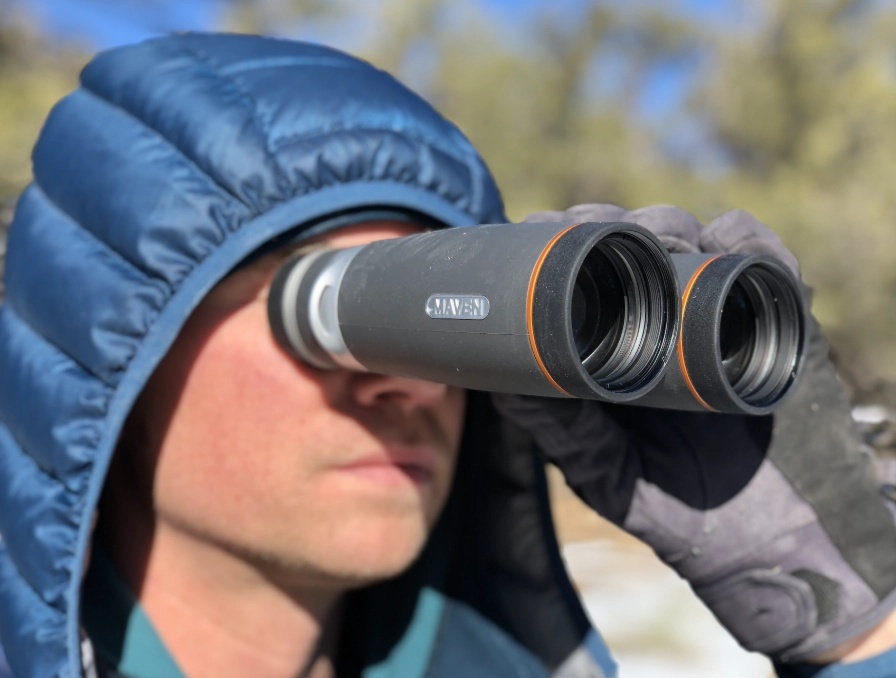
How to Tame the Shake: Stability Solutions That Actually Work
If you go for 10x, you must have a plan for stability. Here are techniques, not just product recommendations.
The Body Brace: Pull your elbows tight into your chest. Hold the binoculars close to your face. This creates a triangle of support. It's the first, free step everyone should master.
The Tree/Vehicle Lean: Always scan for something solid. A tree trunk, a fence post, the roof of your car. Press your hands or the binoculars themselves against it. Instant tripod.
Breathing Control: This is the expert tip most overlook. Don't hold your breath—it increases tension. Instead, exhale slowly and pause at the natural respiratory pause. That's your steadiest moment. Acquire the bird during that 1-2 second window.
Gear Aids (The Game Changers): A monopod is the most practical field tool. Lightweight, quick to deploy. A chest pod (like the ones from Caldwell) offers a stable platform you wear. For serious, stationary watching (like an owl roost), a lightweight tripod with a fluid video head is the ultimate solution. Yes, it's extra gear, but it transforms a shaky 10x into a powerful, stable spotting scope-lite.
Making Your Choice: A Practical Decision Framework
Don't just buy a number. Walk through this checklist.
1. Where do you bird MOST often? Forest, backyard, suburban parks -> Lean heavily towards 8x. Shorelines, lakes, grasslands, open country -> 10x becomes a strong contender.
2. What's your typical viewing distance? Under 100 yards for most birds -> 8x. Routinely trying to ID birds 150+ yards away -> 10x.
3. Be brutally honest about your hold stability. Go to a store. Try a 10x42. Can you hold it steady on a small sign across the room for 30 seconds without major wobble? If not, and you're unwilling to use support gear, choose 8x.
4. What's your budget? Here's the non-consensus view: If your budget is under $300, you should almost certainly choose 8x. Lower-cost 10x binoculars often have poorer optical quality, narrower fields of view, and worse glare control, amplifying all the negatives. A good 8x in this range will serve you far better than a mediocre, shaky 10x. Invest in quality optics first, then consider higher magnification.
5. Can you try before you buy? This is non-negotiable. Any reputable optics shop or major birding festival will let you compare. Look through both at distant, small objects (like tree bark texture). Feel the difference.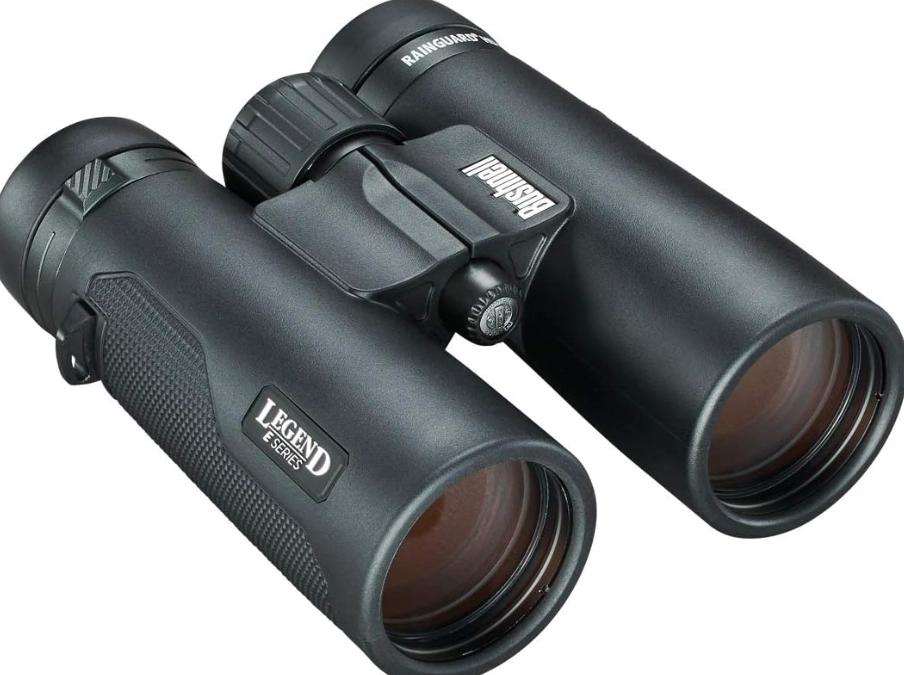
Your 10x Questions, Answered by Experience
I see expert birders using 10x a lot. Shouldn't I just get what the pros use?
Look closer. Many of those experts are in specific habitats where 10x is advantageous, or they've developed rock-solid holding techniques over decades. They also often have multiple pairs. Mimicking their gear without understanding their context and skill is a classic beginner mistake. Focus on what solves your birding problems, not someone else's.
What about 12x or 15x binoculars for extreme distance?
For handheld birding, these are almost always a bad idea. The shake becomes so severe the image is unusable. At that point, you're in dedicated tripod-mounted territory, and a compact spotting scope (like a 20-60x angled scope) is almost always a more versatile and optically superior tool for that job. A 12x binocular tries to be both a binocular and a scope, and usually fails at both.
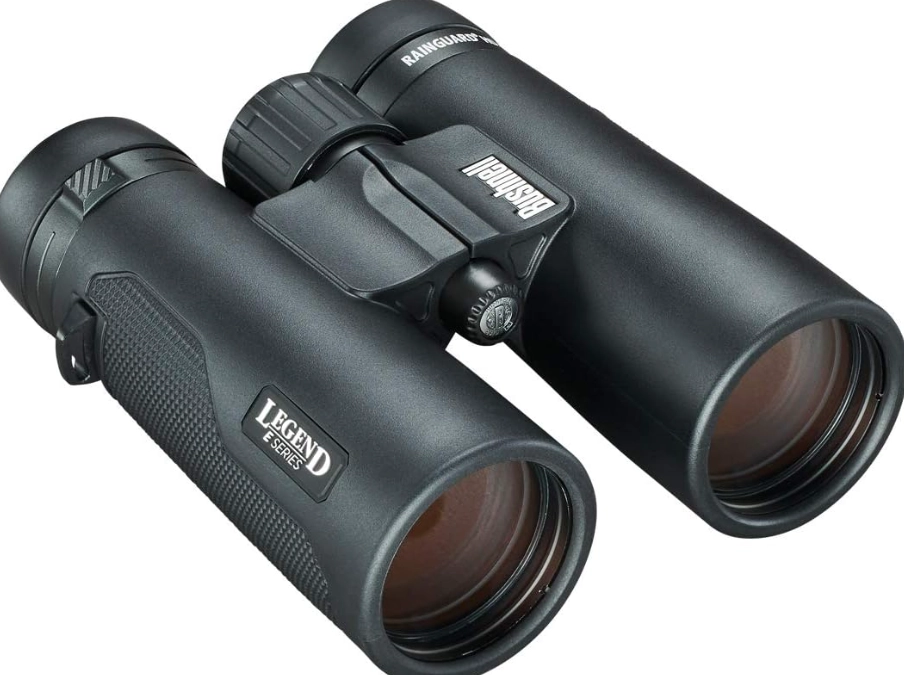 Does image stabilization (IS) technology make 10x the obvious choice?
Canon's IS binoculars are a fascinating exception. They electronically counteract shake, making 10x or even 12x feel as steady as 8x. The trade-offs? They are heavier, require batteries, and are significantly more expensive. They also have a very distinct "digital" feel to the view that some purists dislike. If you can handle the cost and weight, an IS model like the Canon 10x42 IS is a genuine game-changer that sidesteps the core stability problem.
I already own 10x and find them shaky. What should I do?
Don't despair. First, master the body bracing and breathing techniques mentioned above. Second, invest in a $30 monopod. It will change your experience completely. Practice using it until it's second nature. If, after a few months of deliberate practice with support, you still hate them for your typical birding, then consider selling or trading for an 8x. You'll have learned a valuable, firsthand lesson about your own needs.
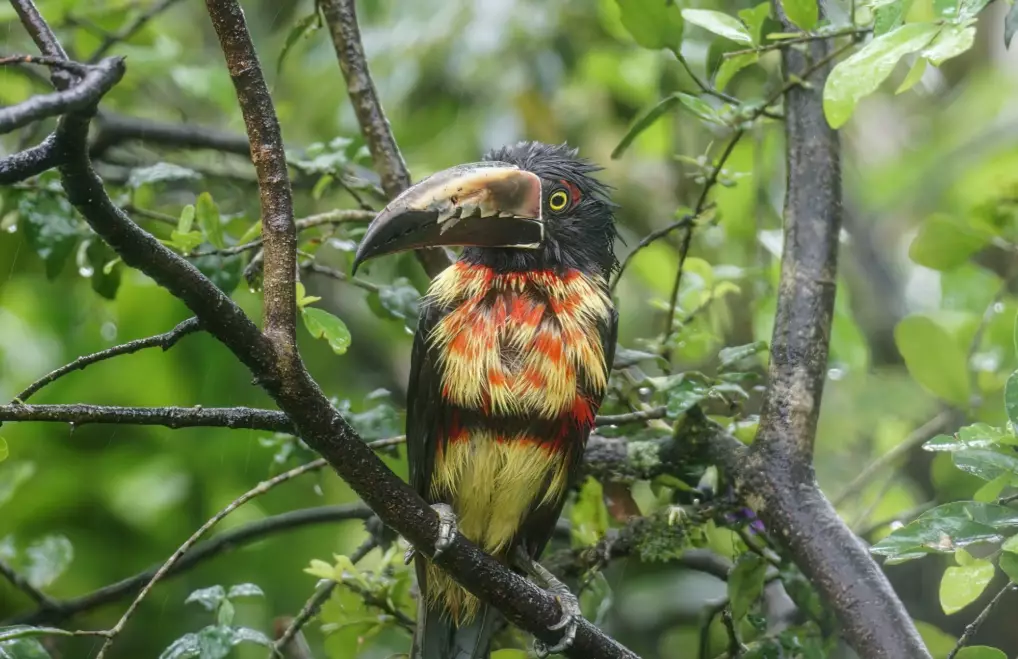 So, is 10x too much for birding? It can be. For the majority of birders in typical mixed habitats, the 8x configuration offers a better balance of brightness, stability, and field of view. But if your birding map is filled with open vistas and long sight lines, and you're willing to work on your holding technique or use simple supports, then 10x isn't too much—it's the right tool for the job. The power isn't in the number on the barrel; it's in matching that number to the landscape in front of you and the steadiness of your own hands.
Reader Comments