Let's cut to the chase: you don't have to choose between a birding scope and binoculars. You likely need both. The real question isn't "which one?" but "in what order should I buy them, and for what specific jobs?" After over a decade of guiding birding trips and watching countless beginners struggle with this decision, I've seen the same mistake repeated. People buy a high-magnification spotting scope first, imagining it will do everything, only to find it utterly useless for 80% of the birds they encounter. The truth is, these tools are complementary, not interchangeable. This guide will break down exactly when you'll reach for each one, based on real birding scenarios, not just spec sheets.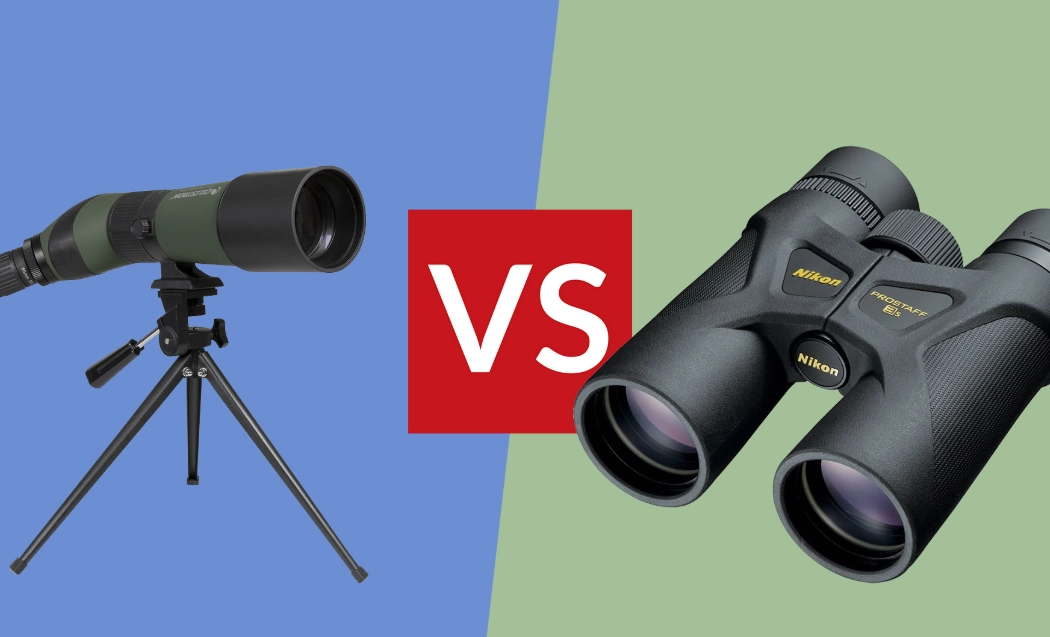
Your Quick Guide to Choosing
The Fundamental Difference: Finder vs. Inspector
Think of your binoculars as your primary finder and explorer. They're for scanning tree canopies, tracking warblers in dense foliage, and quickly identifying the hawk soaring overhead. Their wider field of view and ease of use make them indispensable for active, moving birding.
A spotting scope is your stationary inspector. Once your binoculars have located a distant, stationary bird—a shorebird on a mudflat, a duck on a lake, an eagle on a far cliff—the scope comes out. Its job is to provide such a close, detailed view that you can count the vermiculations on a plover's breast or see the tiny notch in a gull's bill. It's for patient, detailed observation, not for chasing birds through the woods.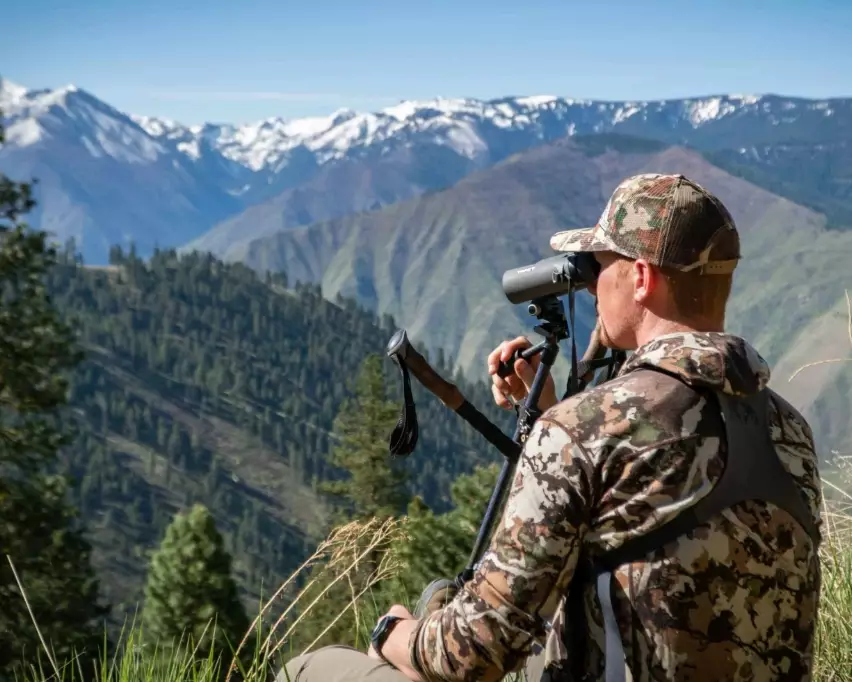
A simple rule I give my clients: If the bird is moving through a complex environment (woods, marsh reeds), use binoculars. If the bird is relatively still and across a large, open space (water, field, shoreline), a scope becomes necessary.
Side-by-Side Comparison: Key Specs and Feel
Here’s a breakdown of how they stack up in practical terms. This isn't just about numbers; it's about how those numbers translate to the experience in your hands and against your eyes.
| Feature | Binoculars (e.g., 8x42) | Spotting Scope (e.g., 20-60x80) |
|---|---|---|
| Typical Magnification | 8x or 10x (fixed) | 15x to 60x (zoom) |
| Primary Role | Finding, tracking, general observation | Detailed, stationary study |
| Field of View | Wide (e.g., 400+ ft at 1000 yds). Crucial for following fast-moving birds. | Narrow, especially at high power. Finding a bird with the scope alone is like looking through a straw. |
| Stability | Handheld. Image shake is minimal at 8x/10x with good technique. | Requires a tripod. Useless without one at anything over 20x magnification. |
| Portability & Speed | Light, hangs on your chest. Ready in 2 seconds. | Heavy (scope + tripod). Setup takes 30+ seconds. Kills spontaneous birding. |
| Light Gathering (Objective Lens) | Good (42mm). Excellent for dawn/dusk. | Excellent (65-80mm). Brighter image at high mag, essential for detail in low light. |
| Ideal Birding Scenario | Forest trails, songbird migration, raptor watching from a moving car. | Shorebird identification, waterfowl counts, distant perched raptors, seawatching. |
| Entry-level Cost | $100 - $300 for decent quality | $400 - $800 (scope only) + $150+ for a decent tripod |
Notice the tripod line? That's the hidden cost and hassle most spec sheets downplay. A wobbly tripod will ruin a $2000 scope's performance. I've seen more people frustrated by cheap tripods than by mediocre optics.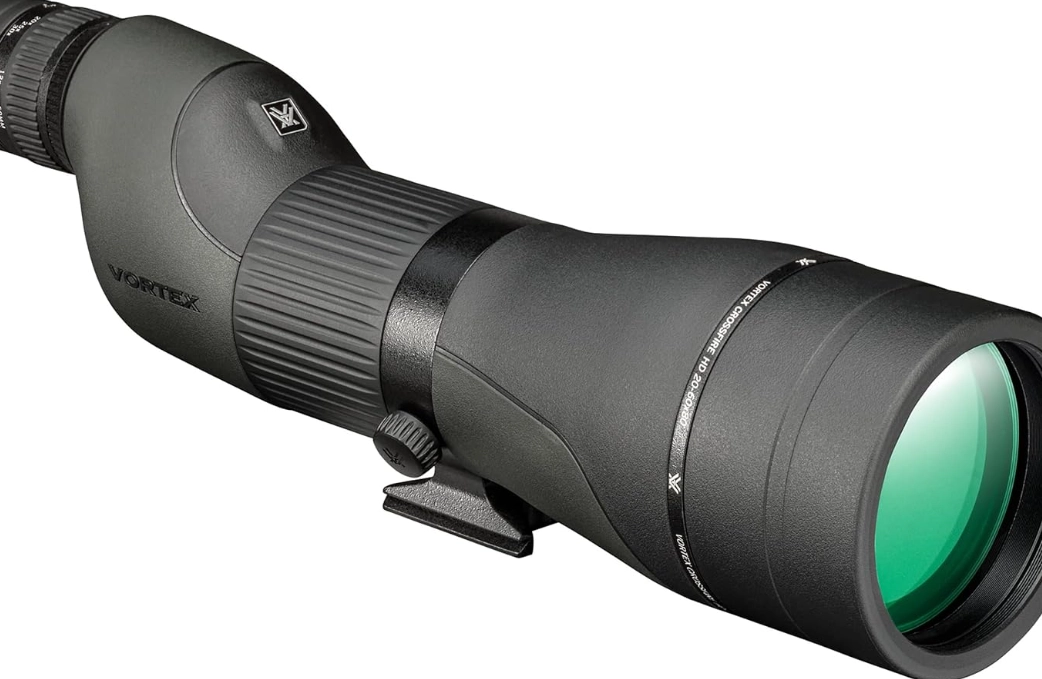
When to Use Binoculars (The Workhorse)
Your binoculars are your everyday carry. If you could only have one optical tool, this is it. Here are the concrete situations where they are not just good, but non-negotiable.
In Forests and Woodlands
Trying to use a scope on a warbler flitting 30 feet away in an oak tree is an exercise in futility. The narrow field of view means you'll lose the bird instantly. Binoculars, with their wide view and quick focus, let you track the movement and get a solid, identifying look.
For Raptors in Flight (That Are Close)
A Red-tailed Hawk circling overhead at medium altitude? Binoculars. You can follow its flight path, see the patagial bars, and watch its behavior. A scope would show you a blurry, shaking mess of feathers as it moves out of your tiny field of view.
On Any Kind of Walk or Hike
The mental friction of carrying and setting up a tripod changes birding from a walk in nature to a photography expedition. Binoculars keep it spontaneous. You hear a call, you raise them, you see the bird. Done.
When to Use a Spotting Scope (The Specialist)
The scope earns its keep in specific, often sublime, birding moments. It turns a distant speck into a memorable encounter.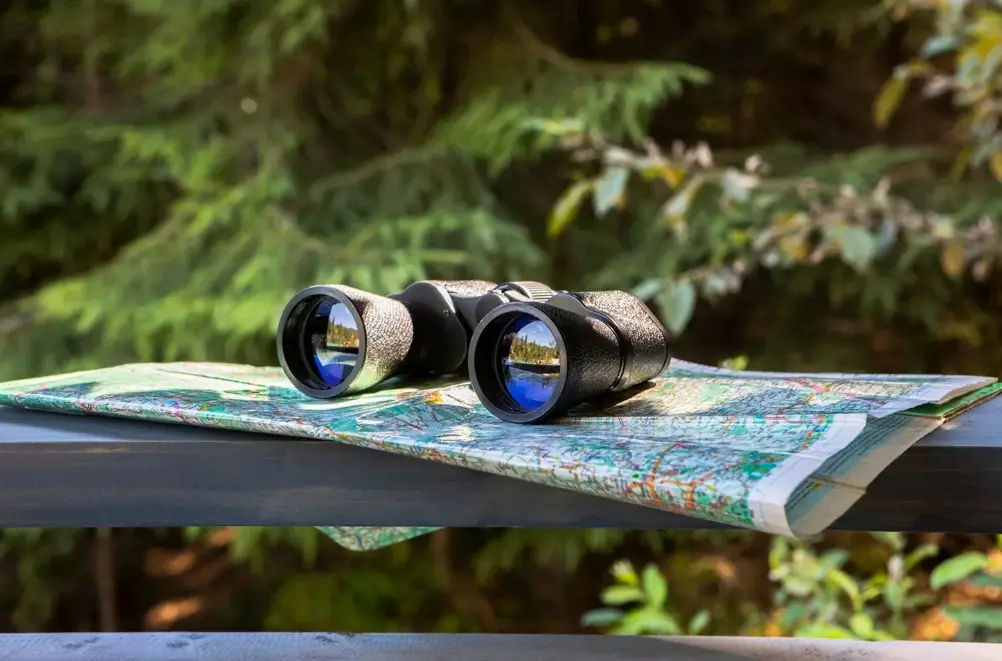
Shorebird Identification on Mudflats
This is the classic scope scenario. A flock of small sandpipers is 100 yards away. Through binoculars, they're "peeps"—maybe Least or Semipalmated Sandpipers. Through a scope at 40x, you can study bill length and shape, leg color, and feather patterning (like the scaly mantle of a White-rumped Sandpiper) to make a definitive call. Organizations like the Cornell Lab of Ornithology rely on scopes for their wetland bird surveys for this exact reason.
Waterfowl and Raptors at Distance
Is that distant duck a hen Mallard or a Black Duck? The subtle differences in speculum color and body plumage demand a scope. A hawk perched on a distant power pole? A scope can reveal facial patterns that separate a juvenile Bald Eagle from a Golden Eagle.
Seawatching and Pelagic Trips
From a cliff or a boat, birds are often far out over the water. A scope stabilized on a railing or tripod is the only way to identify shearwaters, jaegers, and distant alcids based on flight style and subtle plumage details invisible to binoculars.
Budget and Buying Order: A Realistic Plan
Most people have a limited budget. Here's the progression I recommend, based on maximizing utility per dollar.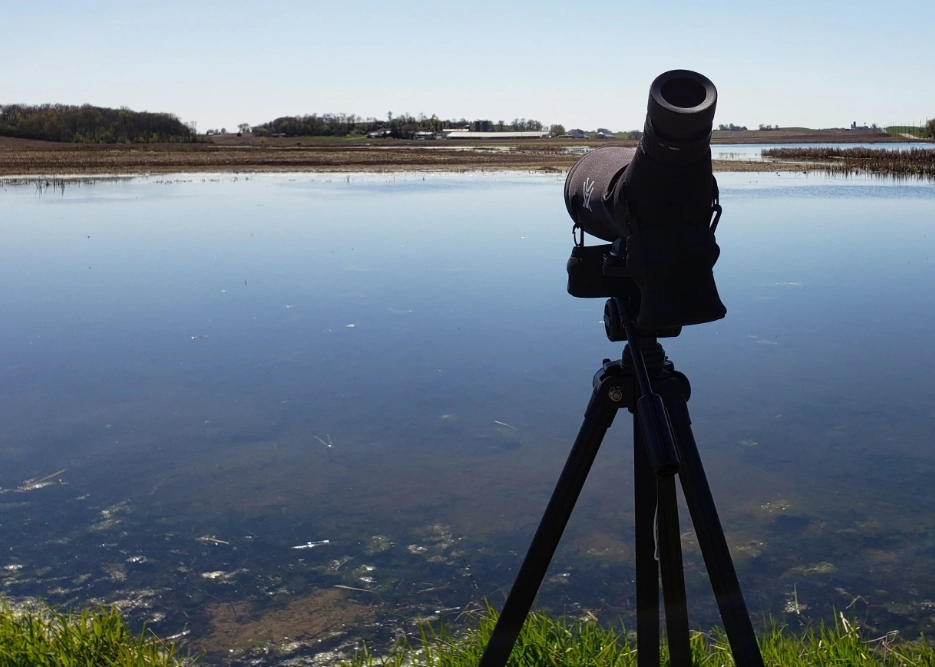
Step 1: Invest in Quality Binoculars First. Don't skimp here. Allocate $200-$500. Look for models like the Nikon Monarch 7 (8x42) or Vortex Diamondback HD. These will be 95% of your optics use for years. A common mistake is buying a $100 binocular and a $300 scope. Reverse that. A great binocular makes birding enjoyable; a cheap one makes it frustrating.
Step 2: Buy a Solid, Lightweight Tripod. Yes, before the scope. Get a carbon fiber model if you can (lighter, less shake). Brands like Sirui or Manfrotto have good entry-level options. Use it with your smartphone for digiscoping through your binoculars as a test run. This gets you used to the tripod workflow.
Step 3: Add the Spotting Scope. Now you're ready. By this point, you'll know if you need one because you'll have been at a marsh thinking, "I wish I could see those dowitchers better." Start with a 65mm or 80mm angled body scope. Angled is easier to share and more comfortable for long viewing. The Celestron Regal M2 or Athlon Optics Midas are strong mid-range starters.
Common Mistakes and One Expert's Pet Peeve
I see these all the time, even with experienced birders.
Using the Scope at Maximum Zoom All the Time. Atmospheric heat haze, dust, and mirage degrade image quality. On most days, the sharpest, brightest view is between 20x and 40x. Cranking it to 60x often gives you a bigger, but fuzzier, image. Start low, zoom in only as much as needed for the detail you want.
Buying a Straight-Through Scope for General Use. Straight scopes are great for looking over a car window or if you have neck issues. But for 90% of birding, an angled scope is superior. You can set the tripod lower for stability, it's easier to look up for long periods, and multiple people of different heights can use it without adjusting the tripod.
My Pet Peeve: The "Binoculars-Then-Scope" Shuffle. You see a distant bird. You look with binoculars, confirm it's interesting, then fumble to find it again in the scope. The pro move? Use your binoculars to locate a landmark next to the bird—a distinct rock, a patch of seaweed. Then, without taking your eyes off that spot, swing the scope (pre-focused to that distance) to that landmark. The bird will be right there. It saves minutes of frustration.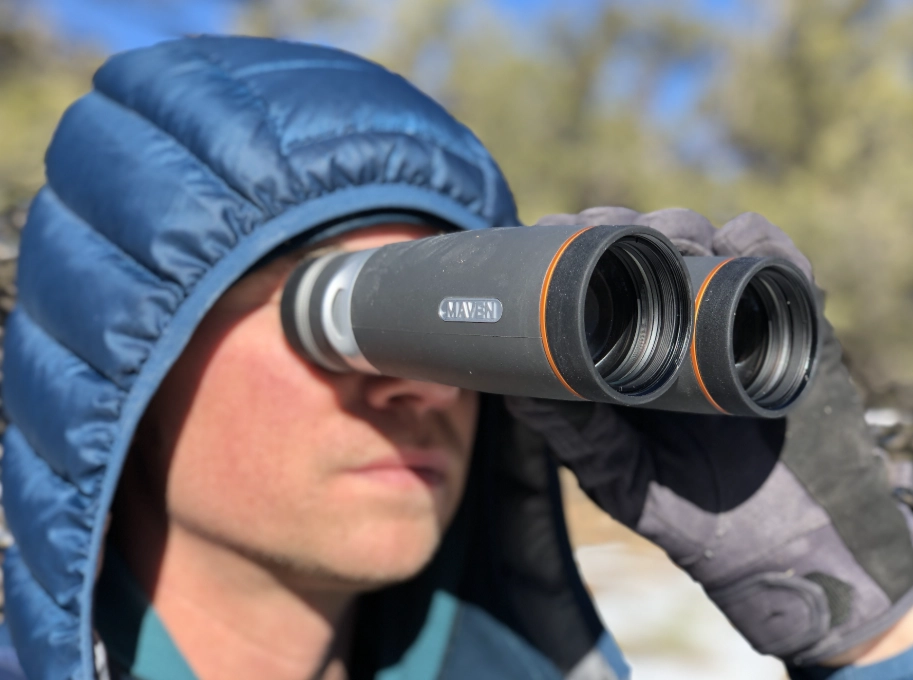
Your Questions, Answered
When you find yourself repeatedly at locations with stationary, distant birds and you leave feeling unsatisfied because "they were too far away to see any detail." Specific habitats are the trigger: coastal estuaries, large reservoirs, wide-open grasslands, or hawk watch platforms. If your birding never takes you to these places, you might not need a scope yet.
Absolutely, and it's a game-changer for sharing and documentation (digiscoping). It's easier and more stable with a scope on a tripod, giving you fantastic results. With binoculars, it's trickier—you need a very steady hand or a special adapter that holds the phone in place. The results can be surprisingly good for closer subjects, but the scope is the dedicated tool for long-distance phone photography.
 Is image stabilization in binoculars a substitute for a scope?
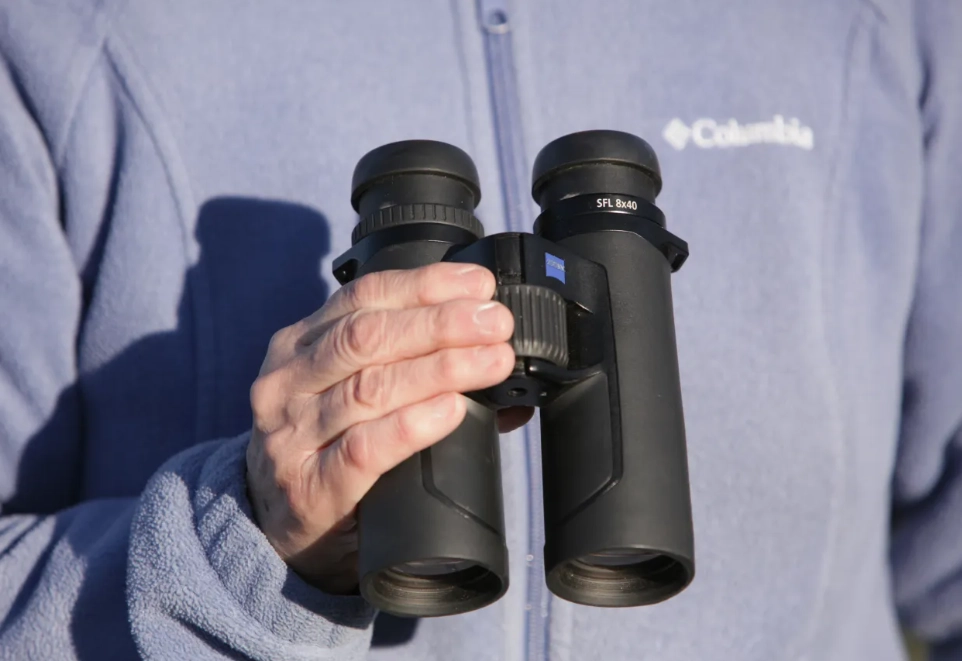
No, it's a different tool. Image-stabilized (IS) binoculars (like Canon's) are brilliant for handholding at higher magnifications (e.g., 15x) on a moving boat or for extended viewing. They bridge a gap. But they don't replace the 60x magnification and extreme detail of a scope on a tripod for identifying that rare stint 200 yards away. Think of IS binoculars as a premium version of standard binoculars, not a scope replacement.
It's critical for image brightness, contrast, and color fidelity. In low-light conditions (dawn, dusk, deep forest), good coatings make the difference between seeing a detail and seeing a silhouette. Never buy optics that are just "coated." Look for "fully multi-coated" as a minimum. It means every air-to-glass surface has multiple anti-reflective layers. This is one area where spending a bit more makes a visible difference every time you use them.
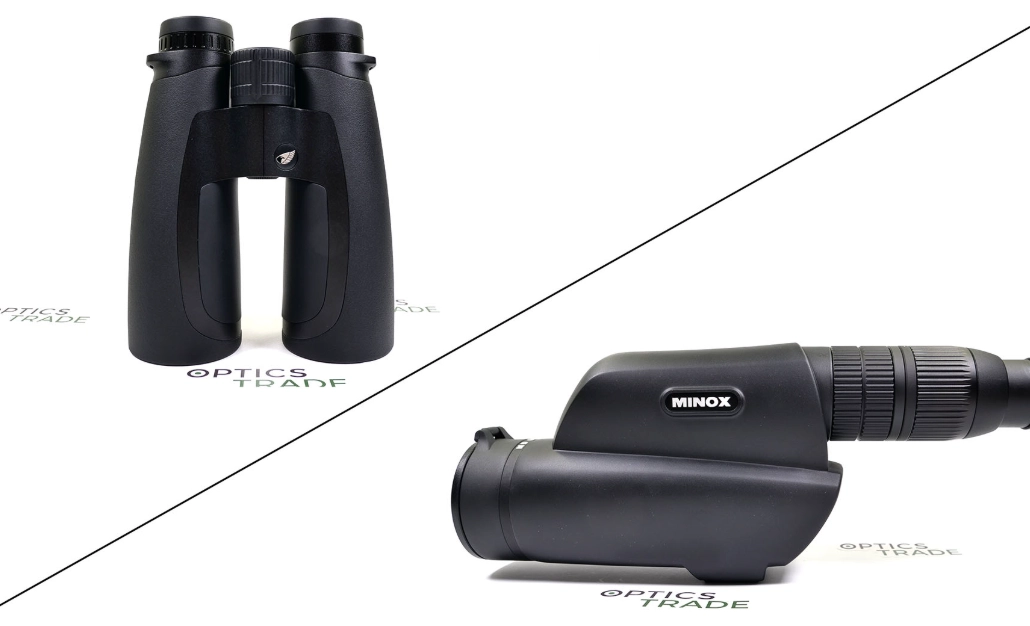 The bottom line is this. Build your kit around your binoculars. Let them be your constant companion. Add a spotting scope and tripod when your birding adventures start pushing against the limits of what your binoculars can reveal. That moment, when you first clearly see the intricate eye-ring of a distant plover through your own scope, is when you'll understand why both tools have a permanent place in your pack.
Reader Comments