You're standing at the edge of a marsh at dawn, coffee in hand. A warbler flits through the reeds. You raise your binoculars. Is that a...? The image is shaky, the bird is a blur, and it's gone before you can lock onto the field marks. Sound familiar? The choice between 8x42 and 10x42 binoculars is the single most common dilemma for birdwatchers. It's not about one being universally "better"—it's about which one is better for you, your eyes, and the way you bird. After over a decade of guiding tours and testing gear, I've seen too many people buy the wrong magnification and regret it. Let's cut through the spec sheets and talk about what really matters in the field.
What's Inside This Guide
- The Core Difference: Magnification and Field of View
- Who Should Choose 8x42 Binoculars?
- Who Should Choose 10x42 Binoculars?
- Beyond Magnification: Key Specs You Must Compare
- How to Test Binoculars Before You Buy
- What About Other Magnifications Like 8x32 or 10x50?
- Your Birding Binoculars Questions Answered
The Core Difference: Magnification and Field of View
Let's decode the numbers. An 8x42 binocular magnifies an image 8 times and has objective lenses 42mm in diameter. A 10x42 magnifies 10 times with the same size lenses. That extra 2x of power sounds minor, but its effect is profound and creates a direct trade-off.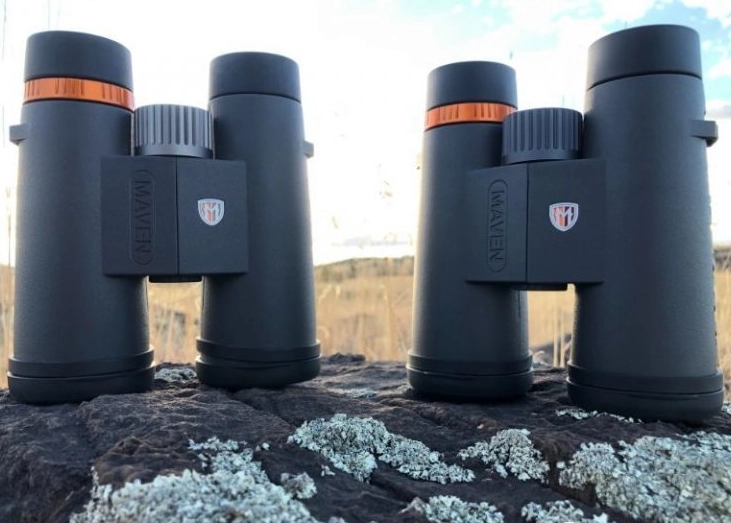
The 10x brings the bird 25% closer. For distant raptors on a cliff face or waterfowl on a far lake, that's huge. You'll see more feather detail, better discern subtle color shifts, and have an easier time with tricky IDs at range.
But you pay for it with a significantly smaller field of view. This is the width of the scene you see through the lenses, usually measured in feet at 1000 yards or degrees. An average 8x42 might offer a field of view of 390 feet. A comparable 10x42 might drop to 330 feet. That's like switching from a wide-angle lens to a standard lens.
Here’s the practical impact everyone glosses over: that smaller field of view makes it harder to find and follow birds, especially fast-moving ones in dense foliage. New birders consistently underestimate this. You spend more time scanning and less time observing.
| Feature | 8x42 Binoculars | 10x42 Binoculars |
|---|---|---|
| Magnification | 8x (Good) | 10x (Better for distance) |
| Typical Field of View | Wider (~390 ft/1000yds) | Narrower (~330 ft/1000yds) |
| Image Brightness* | Excellent (5.25mm exit pupil) | Very Good (4.2mm exit pupil) |
| Hand-Held Stability | Easier to hold steady | Shake is more noticeable |
| Best For | General birding, forests, tracking moving birds | Open areas, distant subjects, raptor watching |
*Assuming similar lens quality. Exit pupil (objective lens size / magnification) determines brightness potential.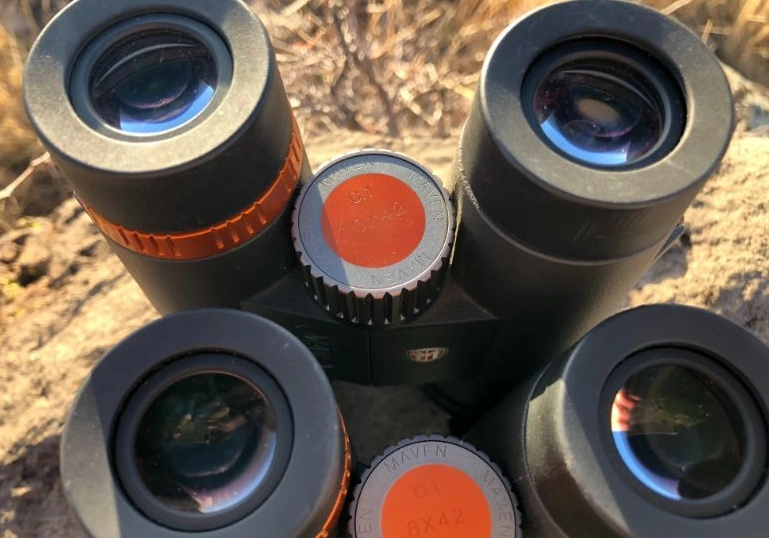
Who Should Choose 8x42 Binoculars?
If I had to pick one binocular to recommend to a birder who does a bit of everything, it's the 8x42. It's the Swiss Army knife. Here’s why it might be your perfect match.
You're a birder who spends time in woodlands or dense habitat. Warblers, thrushes, kinglets—these birds don't sit still. The wider field of view of an 8x42 is a game-changer. You can locate the movement in the canopy quickly and track the bird as it hops from branch to branch. With a 10x, you might just get frustrating glimpses of empty leaves.
You struggle with hand shake. Magnification amplifies every tremor. If you have naturally shaky hands, or you're birding after a long hike or in the cold, the 8x will provide a noticeably more stable view. You'll see more detail simply because the image isn't jiggling around. I've watched countless beginners with 10x binoculars; their view is often a vibrating mess, negating any detail advantage.
You value ease of use and quick observation. Birding is about the joy of seeing. The 8x42 is more forgiving. You get on the bird faster, and the view feels more immersive and relaxed. For prolonged scanning, like during a hawk watch or seawatch, my eyes fatigue much less with 8x.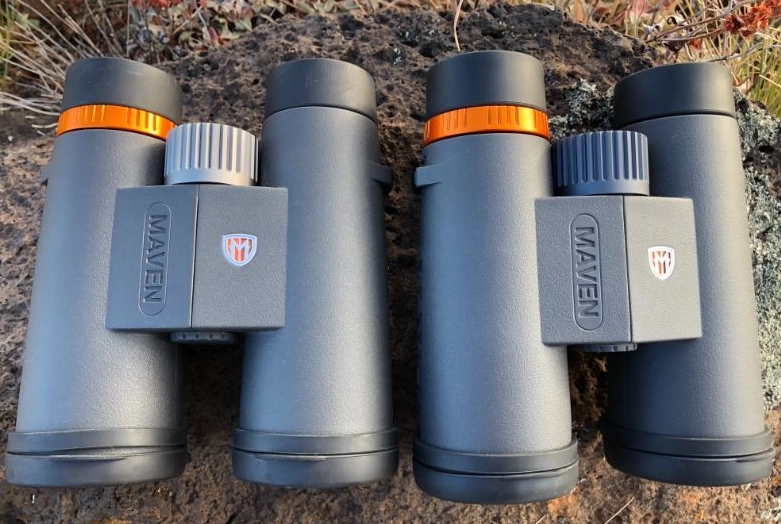
A Personal Story: I once guided a group in Costa Rica's cloud forest. A client with top-tier 10x42s was constantly missing the quick, dazzling quetzals and tanagers everyone else was seeing. He was frustrated. I handed him my backup 8x42 pair. Within minutes, his success rate skyrocketed. "I didn't realize how much I was fighting the binoculars," he said. He sold his 10x42s the week he got home.
Who Should Choose 10x42 Binoculars?
The 10x42 is a specialist's tool. It demands more from the user but delivers unparalleled rewards in the right setting.
Your primary birding happens in open environments: shorelines, wetlands, grasslands, or large lakes. Here, birds are often farther away, and the extra reach is invaluable. Distinguishing a distant duck's speculum pattern or a shorebird's bill length is where the 10x earns its keep.
You are a raptor or waterfowl enthusiast. Identifying buteos on a thermal mile away or picking out a rare gull in a flock requires all the magnification you can get. The field of view trade-off matters less when your subjects are against open sky or water.
You have a very steady hold or use support. If you routinely bird with a monopod, lean against a car, or have rock-solid hands, you can mitigate the stability issue. The detail gain then becomes a pure advantage.
You do a lot of digiscoping (phone-through-binocular photography). The higher magnification gives your phone camera more to work with, potentially yielding better images of distant subjects.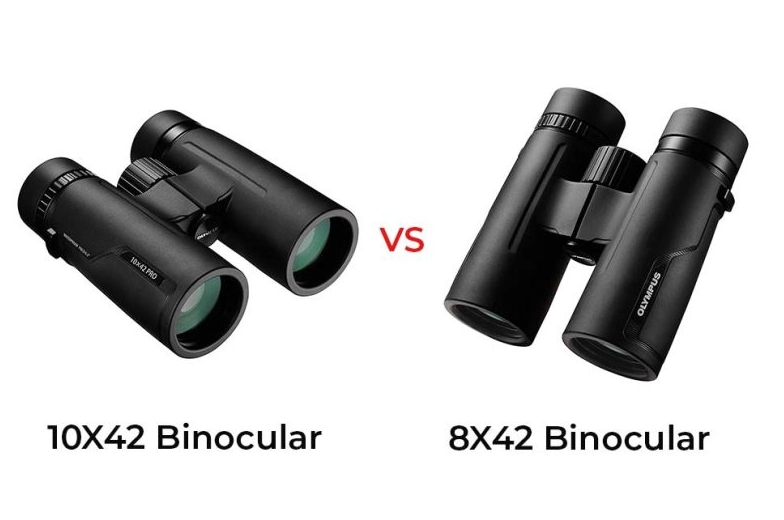
Beyond Magnification: Key Specs You Must Compare
Magnification and field of view are the headliners, but the supporting cast determines true performance. Don't buy based on "8x" or "10x" alone.
Exit Pupil and Low-Light Performance
This is critical. Exit Pupil = Objective Lens Diameter / Magnification. For 8x42: 42/8 = 5.25mm. For 10x42: 42/10 = 4.2mm. A larger exit pupil (5mm+) provides a brighter image in dawn/dusk conditions and is more forgiving if your eye isn't perfectly aligned. The 8x42 has a clear advantage here for early morning birding. As your pupils dilate in low light, the 4.2mm exit pupil of a 10x42 can cause a perceived darkening (vignetting).
Close Focus Distance
Can your binoculars focus on a butterfly 6 feet away? Many premium models now have close focus under 8 feet. This is fantastic for looking at insects, flowers, or even birds at very close range. Check the specs. A good close focus is a mark of optical quality and adds versatility.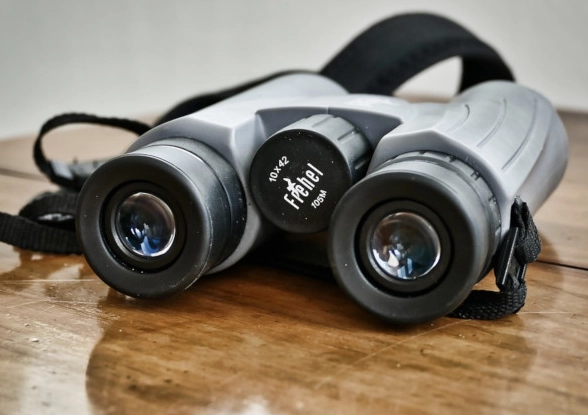
Eye Relief
If you wear glasses, this is non-negotiable. Eye relief is the distance from the eyepiece lens to where the full field of view is visible. You need at least 15-16mm, preferably more. Long eye relief (18mm+) often comes with twist-up eyecups. Never assume a model has sufficient eye relief; always verify in the specifications.
How to Test Binoculars Before You Buy
Reading reviews is one thing; feeling them is another. If you can, visit a store or a birding festival with demo models.
- The Stability Test: Hold the binoculars naturally. Point them at a sign with small text across the room. Can you read it easily, or is the text dancing? Try this with both 8x and 10x models back-to-back. The difference will be obvious.
- The Field of View Sweep: Look through a window at a busy street or park. Quickly try to follow a moving car or person. Which magnification feels more natural and lets you keep the subject in view easier?
- The Glasses Test: If you wear glasses, keep them on. Roll down the eyecups. Can you see the entire circular field of view without blackouts (kidney-beaning) around the edges? If not, the eye relief is too short for you.
I tell people to ignore the price tag for the first five minutes of testing. How it feels in your hands and against your eyes is more important than any feature list.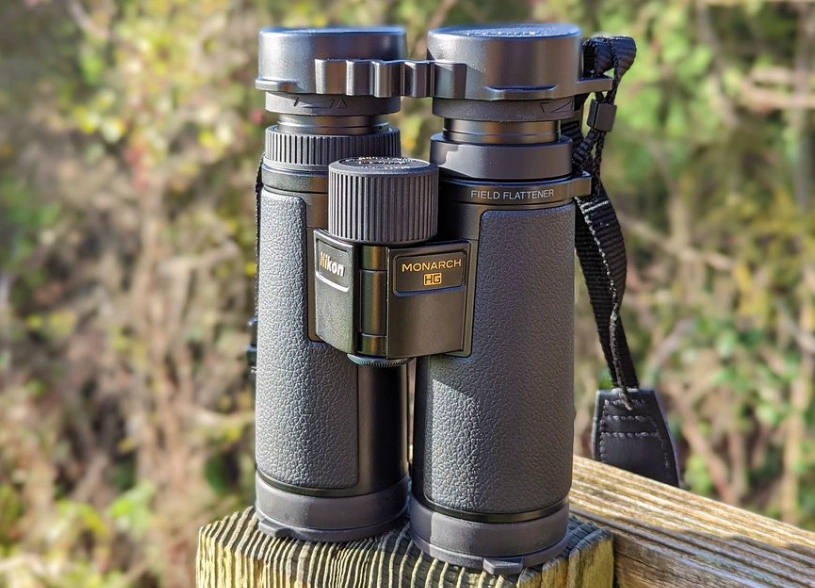
What About Other Magnifications Like 8x32 or 10x50?
The 8x42 vs 10x42 debate sits in a sweet spot, but other sizes exist.
8x32: Lighter and more compact. Perfect for long hikes or travel. The smaller objective lenses (32mm) mean a smaller exit pupil (4mm), so low-light performance takes a hit compared to an 8x42. A great second pair or primary pair for dedicated fair-weather, active birders.
10x50: The "low-light monster." The 50mm lenses gather more light, giving a 5mm exit pupil even at 10x magnification. Brighter than a 10x42 at dusk. The trade-off? They are bigger, heavier, and more expensive. The field of view is often similar to or even narrower than a 10x42. Ideal for seawatching, astronomy, or birders who prioritize dusk/dawn activity and don't mind the bulk.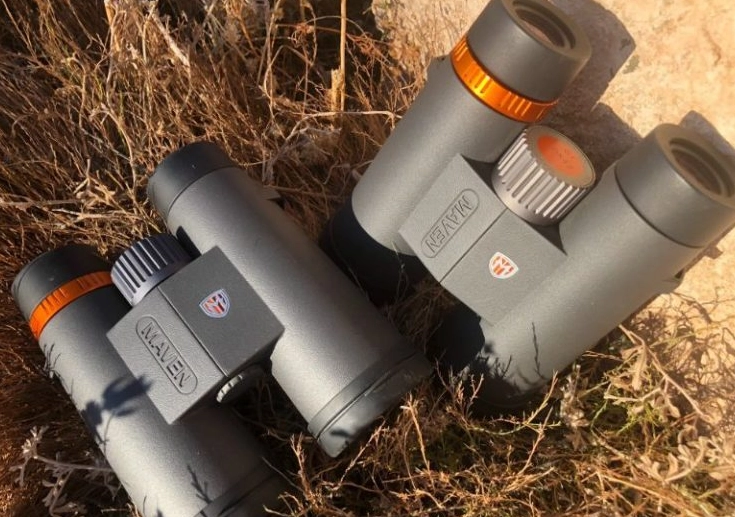
Your Birding Binoculars Questions Answered
So, which is better? For the majority of birders, especially those starting out or with varied habitats, the 8x42 is the more versatile, forgiving, and ultimately more useful tool. It lets you see more birds, more easily. The 10x42 is a powerful choice for specialists who bird primarily in open areas, have steady hands, and value maximum detail at distance above all else.
Your best next step? If possible, borrow or try both. Your eyes and your hands will give you the final, definitive answer. Happy birding.
Reader Comments