You're standing in what looks like an endless expanse of sand and rock. The air shimmers with heat. It's quiet, almost eerily so. The question pops into your head: Are there songbirds in the desert? The immediate assumption is no. Deserts are for lizards, snakes, and the occasional hardy rodent, right? Wrong. The truth is far more fascinating. Yes, there are songbirds in the desert. Not only do they exist, but a dedicated group of species has evolved astonishing strategies to not just survive, but thrive in some of the planet's harshest environments. Their presence is a testament to life's incredible adaptability. This isn't about a few lost migrants; it's about full-time residents who call the desert home. Forget the silent wasteland trope. If you know when and where to look—and more importantly, how to look—you can witness a surprisingly vibrant avian community. I've spent over a decade birding in places like the Sonoran and Mojave, and the lessons learned there often contradict the field guides written for wetter, greener locales.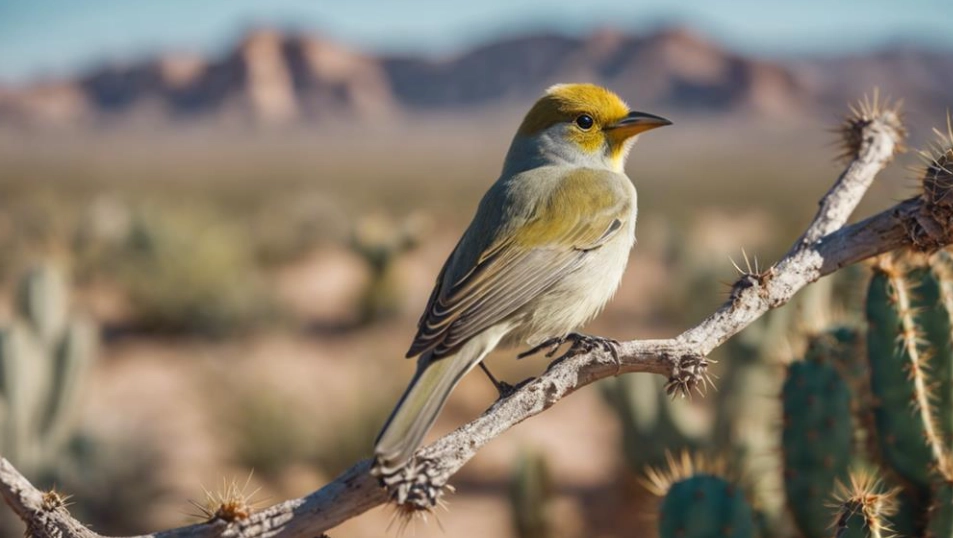
What’s Inside This Guide
Meet the Desert Songbird Residents
Let's get specific. When we talk about "songbirds" or passerines in a desert context, we're not talking about robins or cardinals from your backyard (though they may visit seasonally). We're talking about specialists. Their names often hint at their habitat: Black-throated Sparrow, Verdín, Cactus Wren. These aren't occasional visitors; they're architects of desert life.
One common mistake beginners make is expecting desert birds to be drab and camouflaged. While some are, others are shockingly bold. The Verdín, a tiny, active ball of yellow and gray, flits through creosote bushes with a cheerful series of notes. It's a hyper-specialist, building intricate, football-sized nests in thorny shrubs for protection. Then there's the Cactus Wren, the state bird of Arizona. It's loud, curious, and builds multiple bulky nests in cholla or saguaro cacti—some for roosting, some as decoys. Its chattering call is a signature sound of the Sonoran Desert.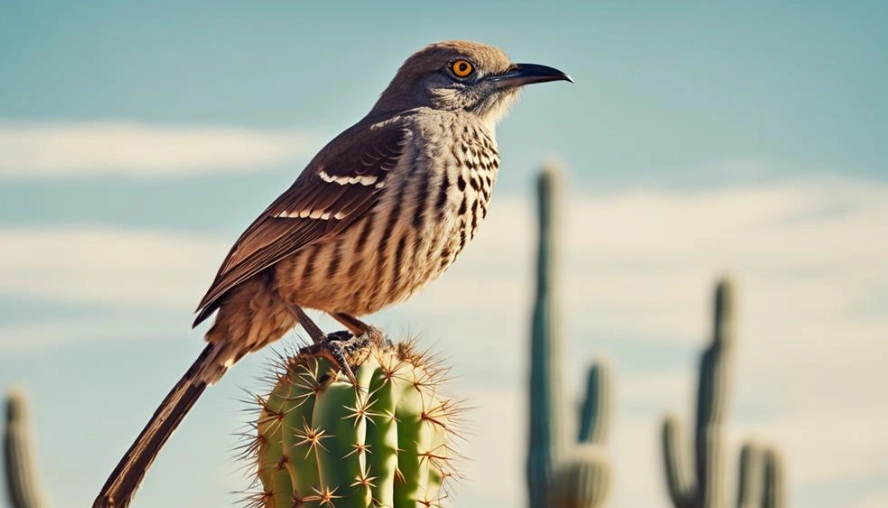
But the real master of austerity might be the Black-throated Sparrow. With its crisp black bib and white facial stripes, it's a sharp-dressed resident of the most barren, rocky slopes. I've seen them where there seems to be nothing but gravel for miles. They get all their moisture from seeds and insects, rarely needing free water. This table breaks down a few key permanent residents:
| Species | Primary Desert Habitat | Key Adaptation | Best Time to See |
|---|---|---|---|
| Cactus Wren | Sonoran, Chihuahuan Deserts (USA/Mexico) | Nests exclusively in protective cacti (cholla, saguaro). | Year-round; most vocal at dawn in spring. |
| Verdín | Sonoran, Mojave Deserts | Gets all water from food; builds complex nests. | Year-round; look for movement in low shrubs. |
| Black-throated Sparrow | All major SW US deserts | Extremely efficient kidneys, rarely drinks. | Year-round; often in pairs or small flocks. |
| Phainopepla | Sonoran, Colorado Deserts | Seasonal nomad, follows mistletoe berry crops. | Winter and spring in desert lowlands. |
| Greater Roadrunner | Sonoran, Chihuahuan Deserts | Carnivorous, runs down prey; sunbathes to regulate temp. | Year-round; early morning along roads or washes. |
Don't forget the seasonal performers. In spring, migrants like the dazzling Scott's Oriole (a flash of yellow and black in the yucca stands) or the Lucy's Warbler (a tiny, unassuming gray warbler that nests in mesquite bosques) add their songs to the mix. Their presence is tied to fleeting resources like insect hatches or flowering plants.
How Do Songbirds Survive in the Desert? It’s Not Just About Water
We obsess over water, and for good reason. But desert songbirds have a multi-pronged survival playbook that goes beyond simply finding a drink.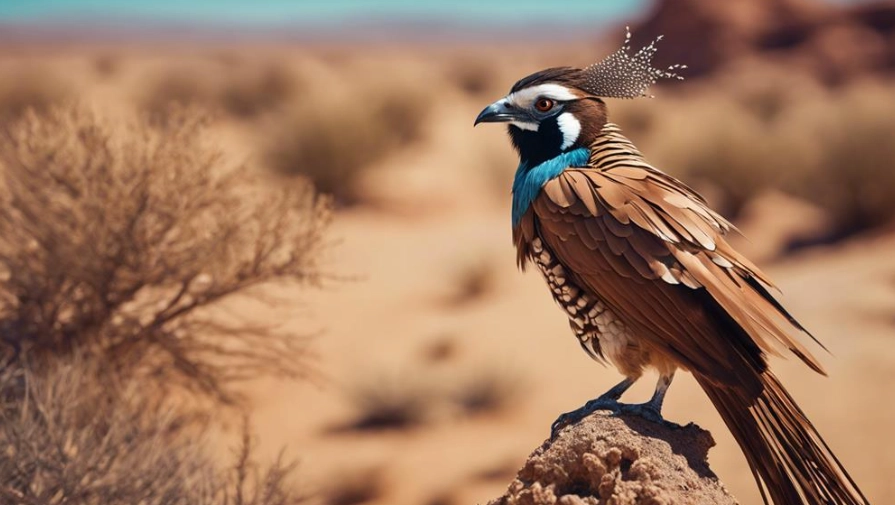
Water Wisdom: They Don't Drink Like We Do
Most desert-adapted songbirds obtain the vast majority of their water metabolically. This means they break down the carbohydrates in seeds or the fats and proteins in insects, producing water as a byproduct. Their kidneys are super-efficient, producing a highly concentrated uric acid paste to minimize water loss. A Verdín might never take a free drink in its life. When they do visit a water source—a rare spring, a cattle tank, or a backyard drip system—it's often a social event. I've sat at a desert seep and watched a procession of sparrows, wrens, and doves come in, a strategy that reduces individual exposure time to predators.
Behavior is Their Biggest Advantage
This is where human observers often fail. We go birding at noon because that's when we have time. In the desert, that's the dead zone. Desert songbirds are masters of temporal niche partitioning. They are hyper-active in the precious cool of the dawn hours, feeding and singing. As the heat builds, they vanish. They aren't gone; they're in what I call "energy-saving mode." They seek deep shade in the inner canopy of a palo verde tree, tuck themselves into a crevice in a canyon wall, or simply sit motionless in the shade, reducing activity to an absolute minimum. Your birding schedule must adapt to theirs.
The Landscape is a Larder and a Shelter
Every plant has a purpose. Mesquite trees offer dense shade and insect larvae. Cholla cactus provides impregnable nesting sites. Fruiting shrubs like wolfberry or hackberry are crucial food sources. Rock piles and canyon walls create thermal refuges. A successful desert birder learns to read the landscape not for scenic beauty, but for these microhabitats. The difference between a barren-looking slope and one with a few scattered creosote bushes can be the difference between seeing a Black-throated Sparrow and seeing nothing.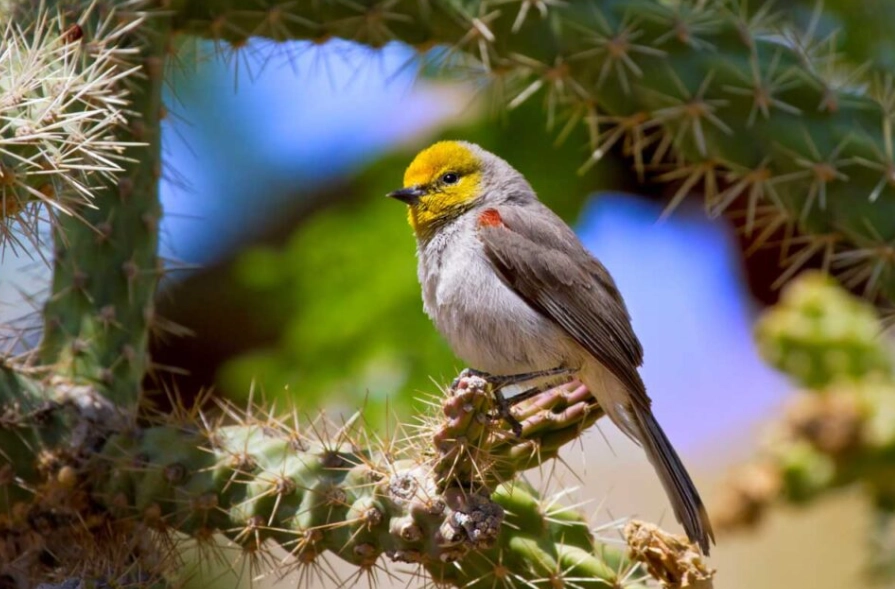
Top Spots to Find Desert Songbirds: From Parks to Hidden Washes
You don't need to trek into the trackless void. Some of the best desert birding happens in accessible, well-managed areas where water and habitat diversity concentrate activity.
1. Saguaro National Park (Arizona, USA): Split into East and West districts near Tucson. This is the iconic Sonoran Desert. The Cactus Wren and Gila Woodpecker are ubiquitous here. For songbirds, target the washes (dry creek beds) lined with mesquite and palo verde. The Rincon Mountain Visitor Center area (East) has a small garden that can be a migrant trap. Best time: October through April for pleasant temps; dawn in summer if you're hardy. Entry fee is $25 per vehicle (good for 7 days).
2. Anza-Borrego Desert State Park (California, USA): The largest state park in California. Its magic lies in its variety: badlands, palm oases, mountain slopes. Check Borrego Palm Canyon for a reliable stream and tall palms. Here, you might find Verdín alongside migrating warblers. The Visitor Center feeders attract Gambel's Quail and White-winged Doves, which can draw in shyer songbirds. Park entry fees vary; camping is a great option. Spring (Feb-Apr) is spectacular after a wet winter for wildflowers and bird activity.
3. Local Washes and Riparian Zones: Don't underestimate the linear oasis of a desert wash. Even a dry, sandy wash supports more vegetation than the surrounding flats. Follow a wash behind a suburb or off a quiet road. You're likely to find Black-tailed Gnatcatchers, Abert's Towhees, and flocks of White-crowned Sparrows in winter. These areas are free, require no permit, and offer a more intimate experience.
4. Artificial Oases: Parks with ponds in desert cities (like Las Vegas or Phoenix), sewage treatment ponds (with public access), and even well-landscaped golf courses can be migrant magnets. Birds exhausted from crossing arid stretches zero in on these green spots. Always respect private property and posted rules.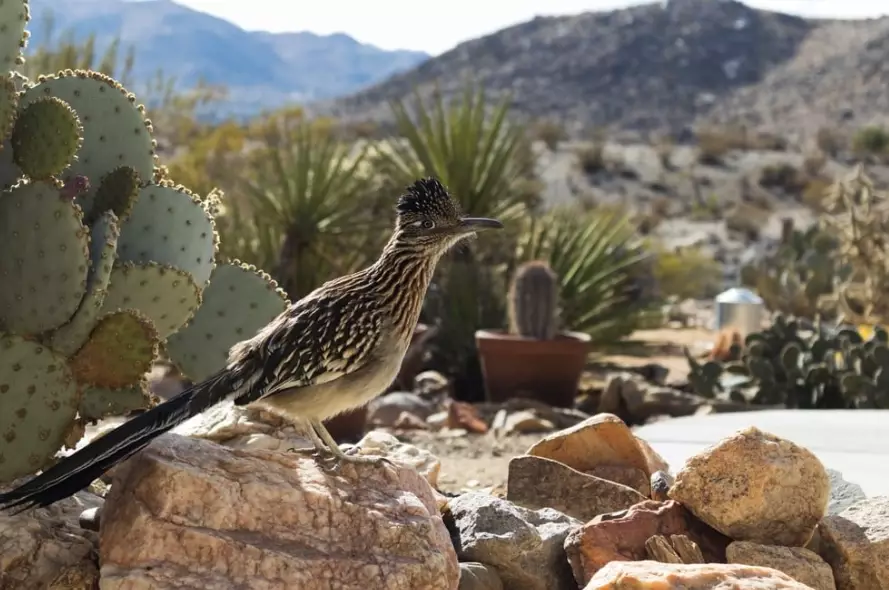
Desert Birdwatching: A Different Game Altogether
Birding here flips the script on techniques used in forests or wetlands. Your gear and mindset need a reset.
Gear is Non-Negotiable: Your most important piece of equipment isn't your binoculars—it's your water bottle. Carry at least one gallon per person per day for a full outing. After that, a wide-brimmed hat, high-SPF sunscreen, and sturdy, breathable clothing are essential. Now for optics: a 8x42 or 10x42 binocular is ideal. The light is often harsh and bright, so you don't need huge objective lenses. I actually prefer 8x for the wider field of view when scanning vast landscapes. A spotting scope is overkill for most songbirding here, unless you're at a fixed water source.
The Dawn Patrol is Law: Be at your chosen location before sunrise. The first hour of light is an explosion of activity and song. By 9:30 or 10 AM, it's largely over. Plan to be done with active birding by late morning. Use the hot midday hours for travel, lunch, or reviewing your photos and notes in air-conditioned comfort.
Listen, Then Look: In dense eastern forests, you hear birds but can't see them. In the open desert, you often can see them—but only if you hear them first. Their songs and calls carry far. Learn a few key vocalizations (the Cactus Wren's chatter, the Verdín's high *tsee* notes, the Black-throated Sparrow's sweet, tinkling song). Use resources like the Cornell Lab of Ornithology's All About Birds to study sounds beforehand.
Respect the Environment (For Your Sake and Theirs): Stay on established trails. Not just to protect fragile cryptobiotic soil crusts, but because off-trail hiking increases your risk of encountering rattlesnakes or disturbing nesting birds hidden in low vegetation. Never block a water source. Your presence at a small seep can prevent a shy species from drinking for hours.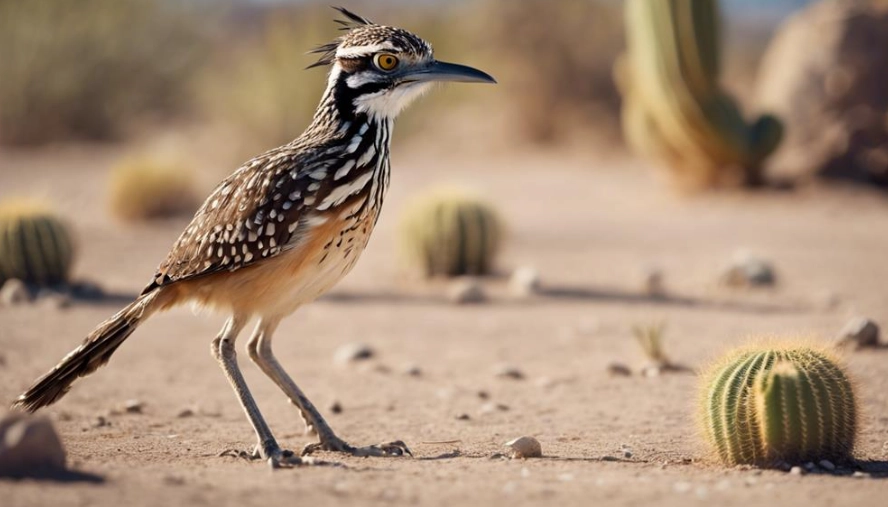
Your Desert Birding Questions Answered
 Are backyard feeders effective for attracting desert songbirds?
The question "Are there songbirds in the desert?" opens a door to a world of subtlety and extreme adaptation. It challenges our preconceptions about where life can flourish. The desert doesn't offer its secrets easily. It demands patience, respect, and a shift in perspective. But for those willing to rise before the sun, to listen closely to the silence, and to appreciate the sheer tenacity of life, the reward is a unique chorus—one sung not in a dense forest, but in the vast, beautiful austerity of sand, stone, and spine.
Reader Comments