You're standing at the edge of a marsh at dawn, coffee in hand, listening to the chorus. A blur of movement catches your eye across the water. Is that a duck? A grebe? You raise your binoculars, and... nothing. The image is shaky, the field of view is tiny, and you can't track the bird before it dives. Sound familiar? The problem might not be your eyesight, but your binoculars' magnification.
So, what is a good magnification for birding? After fifteen years of guiding trips and testing gear, I'll give you the straight answer most beginners don't want to hear first: for 90% of birders, the sweet spot is between 8x and 10x magnification. Forget the ads promising super-zoom power. The real magic happens in balancing detail with usability. Let's break down why, and how to pick the right one for you.
What You'll Learn in This Guide
Magnification 101: What Those Numbers Really Mean
Every binocular is labeled with two numbers, like 8x42 or 10x32. The first number is the magnification. An 8x binocular makes an object appear eight times closer than it does to your naked eye. A bird 80 feet away looks like it's only 10 feet away. Simple, right?
Here's the catch most new birders miss: higher magnification isn't free. It comes with significant trade-offs that can ruin your birding experience if you're not prepared.
Key Trade-off: More power (higher magnification) means a narrower field of view, a dimmer image in low light, and amplified hand shake. Less power gives you a wider, brighter, and steadier view, but the bird appears smaller. Your job is to find your personal balance.
The Great Debate: 8x vs 10x Binoculars for Birding
This is the core of the question. I've used both for thousands of hours in the field. Here’s a no-nonsense comparison based on real use, not just spec sheets.
| Feature | 8x Magnification (e.g., 8x42) | 10x Magnification (e.g., 10x42) |
|---|---|---|
| Image Stability | Easier to hold steady. Minor hand tremors are less noticeable. You can watch longer without eye strain. | Shakier view. Hand movement is magnified 25% more. A tripod or excellent technique is more important. |
| Field of View | Wider. You see more of the landscape. Finding a small, fast-moving warbler in a dense tree is significantly easier. | Narrower. It's like looking through a slightly longer tube. You may "lose" birds more easily as they flit about. |
| Light & Detail | Bright image. Excellent for dawn/dusk or forest birding. Slightly less detail on very distant, stationary birds. | Pulls in more detail on far-away subjects. Ideal for scanning open water for ducks or shorebirds. Image can be slightly dimmer. |
| Best For... | Beginners, woodland birding, tracking active songbirds, anyone with unsteady hands, general-purpose use. | Experienced birders, open habitats (shorelines, grasslands), studying distant, relatively static birds. |
My personal default is an 8x42. Why? Because birding is about finding the bird first. A wider field of view gets the bird in your sights faster, and the steadier image lets me study it comfortably. I grab my 10x32 only for specific trips to big, open reservoirs or coastal areas.
I made the mistake early on of buying a 12x pair for "maximum power." It was a disaster for anything except using it as a poor man's spotting scope on a tripod. For handheld birding, it was useless.
When to Consider Other Magnifications (7x, 12x, and More)
The 8x vs 10x debate dominates, but other numbers exist. They're niche, but worth knowing.
Is 7x Magnification Good for Birding?
It's fantastic, but underrated. A 7x42 binocular has an incredibly wide, bright, and rock-steady view. It's perfect for birding in thick cover or for anyone who prioritizes a relaxed, immersive viewing experience. The American Birding Association's official binocular for their staff tours is often a 7x42 model. The downside? That bird across the lake will look a bit smaller.
What About 12x or 15x Binoculars?
Forget handheld use. At 12x and above, you're in tripod-required territory. These are really compact alternatives to spotting scopes for dedicated long-distance viewing—think identifying hawks on a distant cliff or waterfowl on a huge lake. They are not your primary, walk-around birding tool.
What Matters Just as Much as Magnification
Focusing only on the first number is the biggest mistake shoppers make. The second number (the objective lens diameter, like the "42" in 8x42) is its partner in crime.
Objective Lens Size (The Second Number): This controls how much light gets in. A larger number (42mm, 50mm) means a brighter image, crucial for early mornings, late evenings, or dense forest shade. A smaller number (32mm, 28mm) means a lighter, more compact binocular, but a potentially dimmer image.
Optical Quality: A premium 8x32 from a brand like Swarovski or Nikon will often provide a clearer, sharper, and brighter image than a cheap 10x50. Glass quality, lens coatings, and prism type (roof prism vs. porro prism) matter immensely.
Eye Relief: This is the distance your eye can be from the eyepiece and still see the full image. If you wear glasses, you need long eye relief (16mm or more). It's a spec often overlooked until you try to use your new binoculars with glasses on and can't see the edges.
My Top Tips for Choosing & Using Your Binoculars
Here's the advice I give friends that you won't find in a manual.
Try Before You Buy, No Matter What. Your face, your eyes, and your hands are unique. Go to a store, or better yet, a birding festival where you can try many models. How do they feel? Is the focus knob smooth and in the right place? Can you see the whole picture with your glasses on?
Weight is a Silent Killer of Enjoyment. That heavy 10x50 might seem fine in the shop, but after carrying it on a 3-mile trail, your neck will hate you. For most people, a binocular under 30 ounces (850g) is the goal. This is where 8x32 or 10x32 models shine.
Master the "Double Brace" Hold. To steady any binocular, especially a 10x, pull your elbows tight into your chest. Then bring the binoculars up to your eyes, not your eyes down to the binoculars. This uses your skeleton for support, not just your muscles.
Your Binoculars are a Tool, Not a Jewel. Don't be afraid to use them in light rain or get them dirty. Buy from a brand with a good warranty. The best binocular is the one you have with you, not the one left at home because you're worried about the weather.
Your Birding Binocular Questions Answered
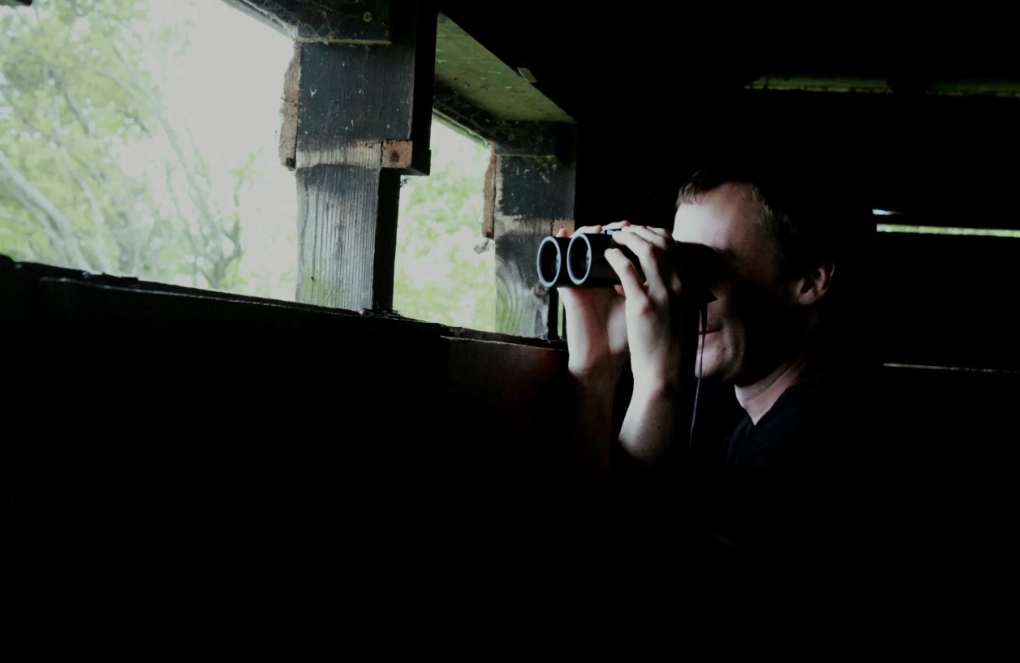 Should my first pair be a 10x so I don't "miss out" on detail?
 So, what's the final verdict? If you're buying your first pair or an all-around upgrade, you can't go wrong with an 8x42. It's the most versatile, forgiving, and effective tool for the job. If you know you'll be birding mostly in wide-open spaces and have steady hands, a 10x42 is a strong choice. Ignore the megazoom hype, invest in good optics within your budget, and get outside. The birds are waiting.
Reader Comments