For years, tracking a small bird like a warbler or a swallow meant bulky radio transmitters, limited range, and a lot of guesswork. It changed everything. I remember the first time I recovered a GPS tag from a returned migratory songbird and saw its precise route mapped—stops in specific woodlots I never would have guessed. Small GPS trackers have revolutionized avian research and opened doors for dedicated hobbyists. But diving in is confusing. Which device works for a 12-gram bird? How do you attach it without causing harm? Let's cut through the marketing and talk about what actually works in the field.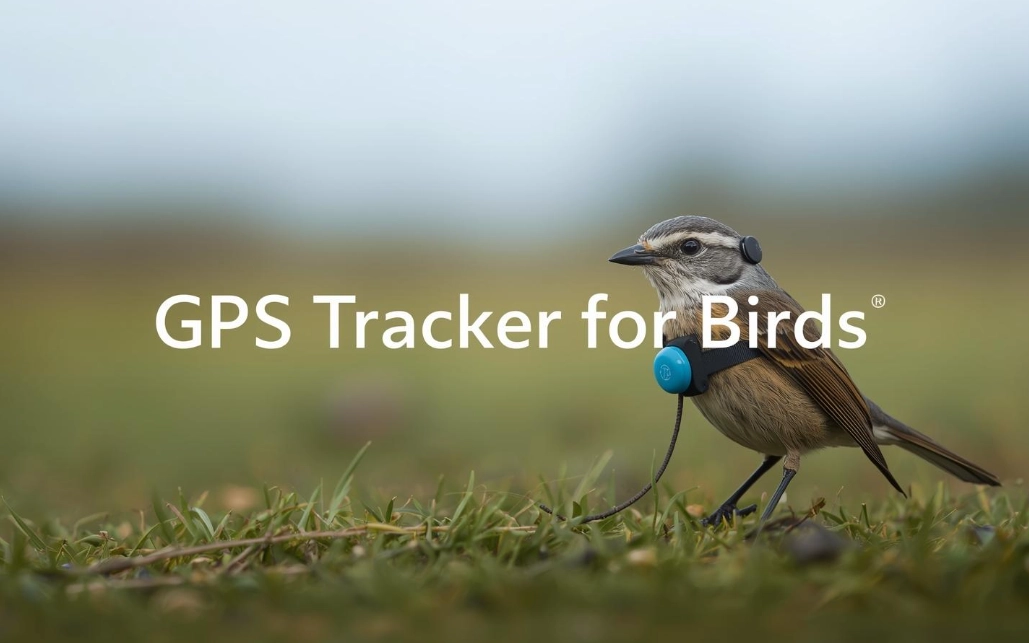
What You'll Find in This Guide
Why Small GPS Trackers Are a Game-Changer
Traditional VHF radio telemetry requires you to be within a few kilometers, following a beep with an antenna. It's labor-intensive and gives you a point, not a path. Modern miniaturized GPS loggers store precise location fixes (latitude/longitude, sometimes altitude) at programmed intervals. You get the bird's full story when it returns to a nest, feeder, or when you recapture it. Some advanced models now even use GPS-GSM, transmitting data remotely via cellular networks, though these are still heavier.
The impact is huge. Researchers from the Cornell Lab of Ornithology have used these devices to uncover precise migratory pathways of Blackpoll Warblers, revealing transoceanic flights. For a hobbyist managing a bluebird trail, a tiny tracker could show exactly where your fledglings disperse, informing habitat conservation efforts on a hyper-local scale. It moves us from observation to understanding.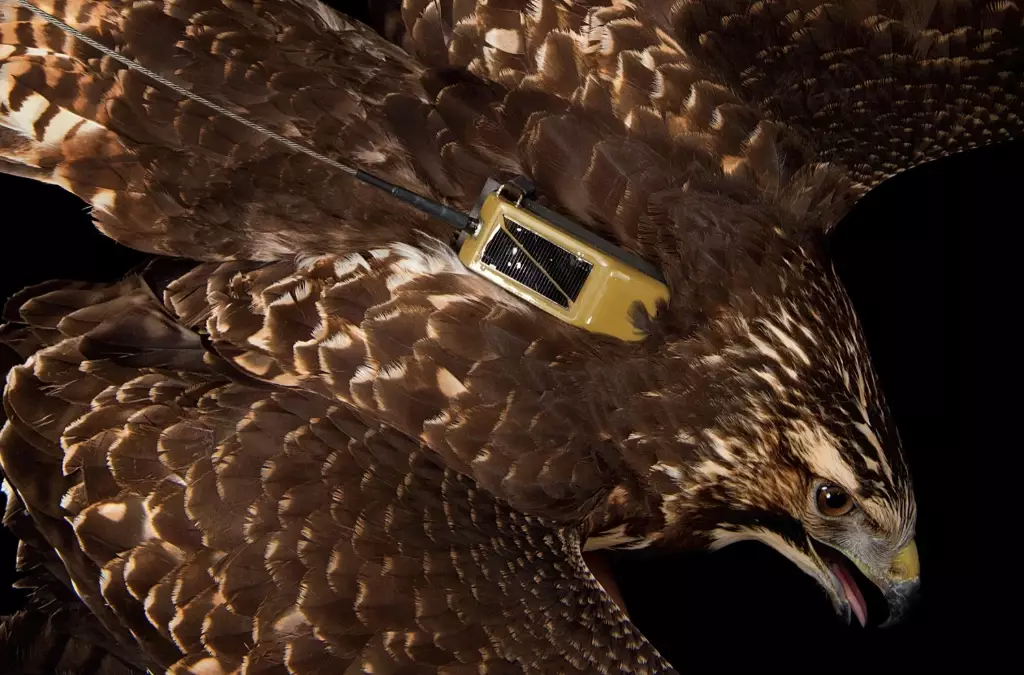
Choosing Your Tracker: A Buyer's Deep Dive
Don't just search for "small GPS tracker." You'll get pet tags for dogs. The avian telemetry world uses specific terms. You need to match the device to your bird, your question, and your budget. The biggest mistake I see? Focusing solely on weight and ignoring the battery and data recovery method.
Key Specs You Must Compare
Think of this as a balancing act between four pillars: Weight, Battery Life, GPS Fix Rate, and Data Retrieval.
| Specification | What It Means | Ideal for Small Birds ( |
|---|---|---|
| Device Weight | Total mass of the tracker + harness. The 5% rule is standard: device weight ≤ 5% of bird's body mass. | 0.5g to 2.5g absolute max for songbirds. |
| Battery Life | How long it can run, dictated by fix interval and battery size. More fixes = shorter life. | 7 days to 3 months typical. Solar-assisted units are emerging but larger. |
| GPS Accuracy | How close the logged point is to the true location. | ~10 meters is excellent for landscape-scale movement. |
| Fix Schedule | How often it takes a location (e.g., every hour, twice daily). | Programmable. Less frequent for longer studies. |
| Data Retrieval | How you get the data off the tag. This is critical. | Direct download (physical recovery) is lightest. UHF download (close-range wireless) adds weight. GSM/Iridium (satellite/cell) is heaviest. |
Here's the non-consensus part: For hobbyists, a UHF wireless download system is often worth the slight weight penalty. Why? The chance of recapturing that specific chick or migrant is low. With a UHF base station at a nest box or feeder, the data downloads automatically when the bird comes within ~500 meters. Companies like Ornitela and Lotek offer these. If you're sure of recapture (like colonial nesters), the pure archival (direct download) tags from suppliers like Migrate Technology are incredibly lightweight.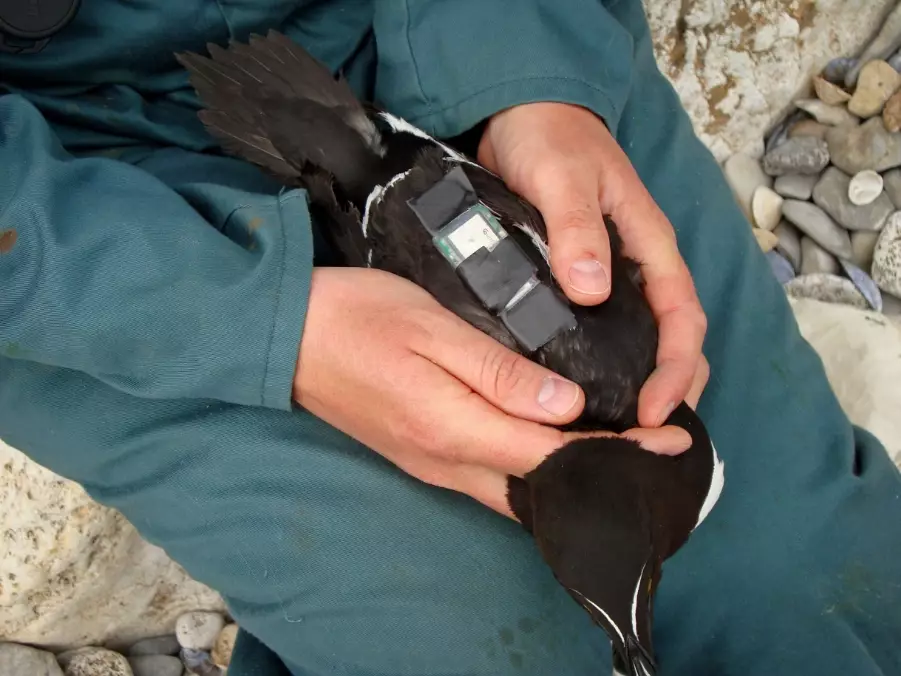
Cost Reality Check
This isn't cheap gear. A single lightweight GPS logger can range from $200 to over $800. The receiver/base station for UHF systems can add $1500+. It's a significant investment. For a first project, consider collaborating with a local university or bird banding group who may have equipment.
How to Safely Attach a Tracker to a Bird
This is where ethics are paramount. Improper attachment causes more harm than the device's weight ever could. You must be proficient in safe bird handling and likely require permits. In the US, this falls under federal bird banding permits and potentially IACUC approval.
The two main methods for small birds are leg-loop harnesses and tailmounts.
Leg-Loop Harness (Backpack Style): Made of elastic cord like Stretch Magic. It loops around each leg and crosses over the breast. It's secure for long-term studies. The subtle error? Making the loops too tight. The harness must allow for pectoral muscle expansion during flight. A good test is being able to slide a pinky finger underneath the cord on the breast. I use a drop of super glue on the knots, but you must let it cure completely before the bird touches it.
Tailmount: The tag is glued to the base of tail feathers (rectrices). It's simpler and lighter, but it's only for short-term studies as the feathers will molt. Use a veterinary adhesive like Sofsilk or cyanoacrylate gel. The trick is to apply it to a small patch of feather calami, not the skin. If you get glue on the skin, you've messed up.
Practice on a model or a deceased specimen first. Always monitor the bird post-release for any immediate distress (though this is rare with proper technique).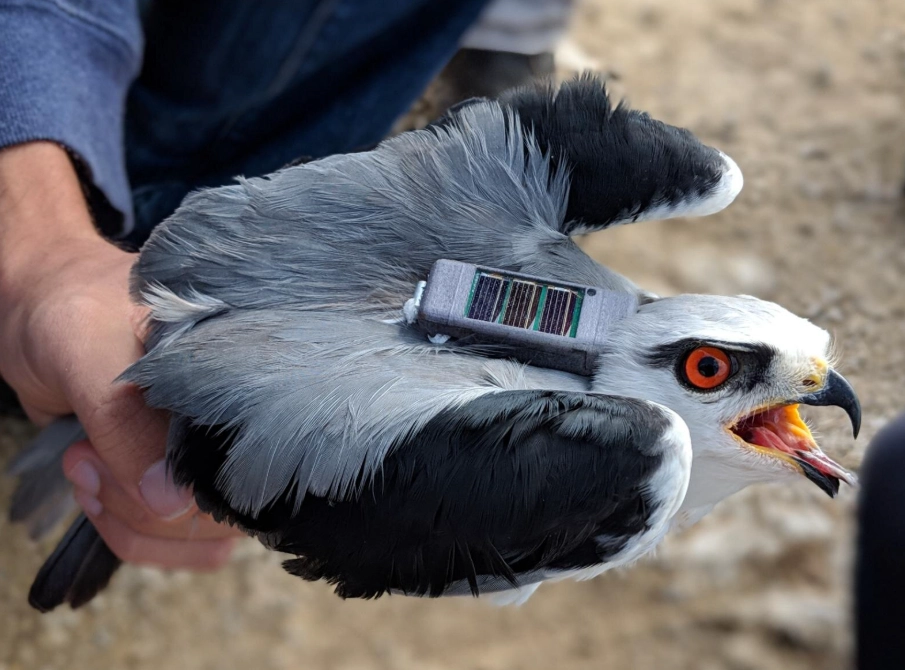
Making Sense of the Data & Real-World Case Studies
You've got the tag back, downloaded the .csv file. Now what? A list of coordinates is just a start. Free tools like Google Earth or QGIS can map the points. Look for patterns: stopover sites, core foraging areas, unexpected nocturnal movements.
Case Study: The Backyard Chickadee. A bird bander friend tagged a Black-capped Chickadee with a 1g GPS logger set to take a fix every 30 minutes for two weeks. The data showed its winter territory was not just the backyard feeder, but a precise 5-acre circuit including a specific holly tree, a neighbor's spruce windbreak, and a water drip. It never went beyond that circuit. This hyper-local data is gold for understanding winter survival needs.
Case Study: The Swallow's Commute. A study using nanotags on Tree Swallows (cited in research from the Avian Science Center) revealed they forage much farther from their nest boxes than previously assumed—up to 2 km away. This changes how we manage habitat for cavity-nesters; you need foraging grounds, not just nest sites.
The data tells a story. Your job is to listen.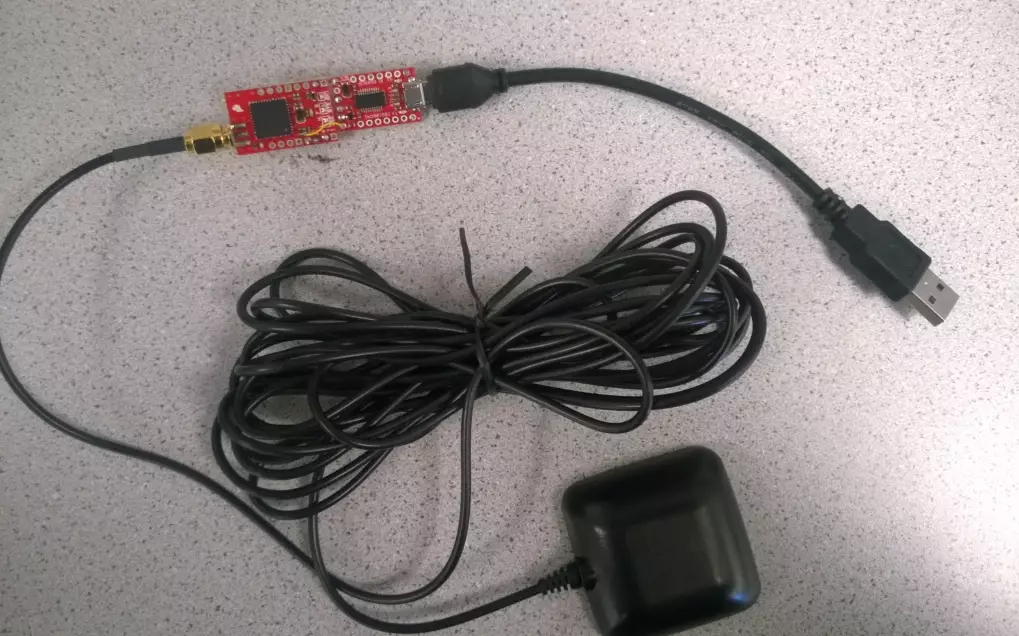
Your Top Questions Answered (FAQ)
 Are there any ready-to-use, affordable kits for amateur ornithologists?
Reader Comments