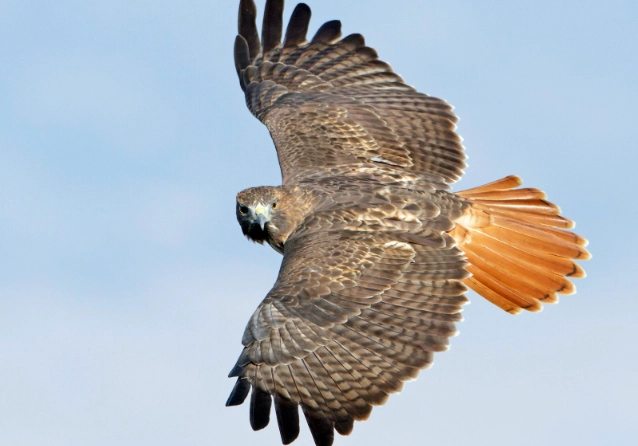
You're out on a hike, maybe in a open field or driving past some farmland, and you hear it. That high, piercing, almost rusty-sounding scream from above. You look up, and if you're lucky, you see the broad wings and the tell-tale reddish tail of North America's most common hawk. But what are they saying? That's the thing about the Red-tailed hawk sound – it's everywhere in movies and TV (often misused for any bird of prey), but how much do we really know about what it means?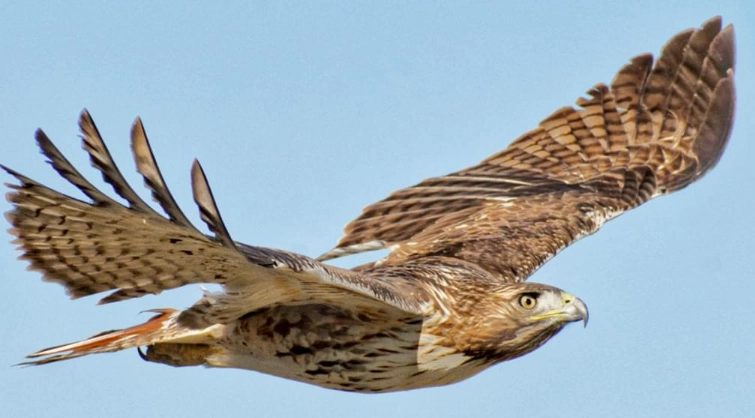
I remember the first time I positively identified a Red-tailed hawk by sound alone. I was in my own backyard, which backs onto a small ravine. I heard this drawn-out, descending scream – keeeeer – and just knew. It's a sound that, once you learn it, sticks with you. It's wild, untamed, and completely unmistakable. But here's the kicker: that famous screech isn't their only voice. Not by a long shot.
This guide is for anyone who's ever heard that cry and wondered about the life behind it. Whether you're a budding birder trying to tell hawks apart, a nature enthusiast curious about animal communication, or a filmmaker who wants to get the sound right for once, we're going to break it all down. We'll move past that single, overused screech and dive into the full vocabulary of Buteo jamaicensis.
What Does a Red-tailed Hawk Sound Like? Breaking Down the Signature Scream
Quick Guide to Hawk Sounds
Let's start with the headliner, the sound that's borrowed for eagles, falcons, and vultures in practically every film. The classic Red-tailed hawk screech is a vocal masterpiece of intimidation and presence.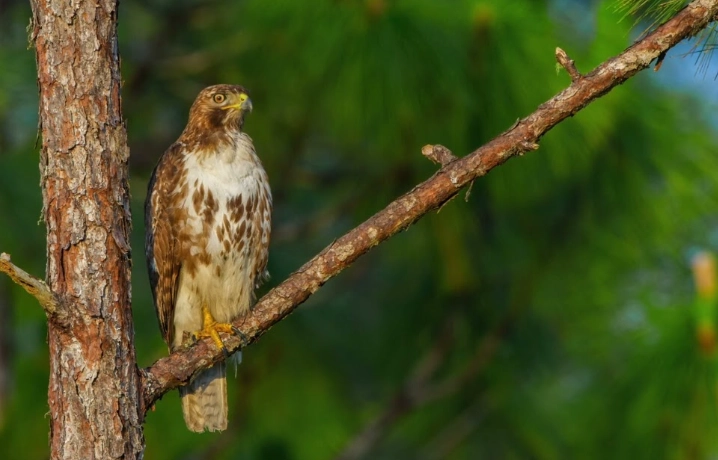
Imagine a high-pitched, hoarse scream that lasts about 2-3 seconds. It often starts strong and clear, then descends in pitch and trails off with a raspy quality. Phonetically, people often write it as "keeeeer-r-r" or "tsee-eeee-arrr". It's not musical. It's raw. It carries for over a mile in good conditions, which is the whole point.
I've heard it described as a "steam whistle," which isn't far off. There's a metallic, vibrating quality to it. When you hear the authentic Red-tailed hawk sound in the wild, you feel it in your chest. It's not just heard; it's felt. That's the power of it.
Key Characteristics of the Territorial Screech:
- Pitch: High. It cuts through wind and background noise.
- Tone: Husky, raspy, hoarse. It's not a clean whistle.
- Duration: Usually 2 to 3 seconds long.
- Pattern: Often descending. Starts high and slides down.
- Purpose: Advertising territory. It's basically a loud, aerial "This is mine!"
Why does it sound like that? The rasp comes from the structure of their syrinx (the bird's voice box) and the sheer force of air they push through it. They *mean* to be heard. This is the sound you'll most often hear from a bird soaring high in a thermal, circling over its hunting grounds. It's a statement of ownership.
Now, here's a personal gripe. That sound is so iconic that it's plopped onto any large bird on screen. Watching an eagle silently glide in a movie, only to have a Red-tailed hawk's screech come out of its beak? It drives proper birders nuts. It's like dubbing a lion's roar over a house cat. Once you know the real red tailed hawk call, you can't un-hear the mistake.
Beyond the Screech: The Full Red-tailed Hawk Sound Vocabulary
If all they did was scream, they'd be pretty one-note neighbors. But their communication is nuanced. The different Red-tailed hawk sounds map directly to what they're doing and feeling. It's a language.
The Chatter Call: The Sound of Partnership
This one surprised me when I first learned it. During the breeding season, and often when a pair is interacting at the nest, they use a completely different sound. It's a rapid, staccato series of notes: "kik-kik-kik-kik-kik" or "chatter-chatter-chatter."
It's softer, more conversational than the territorial scream. You'll hear this when one mate brings food to the other, or during courtship flights. It's a contact call, a way of saying "I'm here, all is well." To me, it sounds less like a fierce predator and more like... a chicken. A very focused, serious chicken. It totally changes the personality of the bird in your mind.
Juvenile Begging Calls: The Sound of Hunger
Ever been near a Red-tailed hawk nest in late spring or summer? It's not quiet. The young, once they're a few weeks old, are incredibly vocal. Their begging call for food is a persistent, high-pitched, whistling cry. "Pseee! Pseee! Pseee!"
It's incessant. It can go on for minutes as they see a parent approaching. It's much whinier and less powerful than the adult's scream. If the adult's call says "I own this sky," the juvenile's says "I'm starving up here!" It's a great clue if you're trying to locate a nest site—just follow the sound of avian teenagers demanding lunch.
Alarm Calls & Defensive Sounds
When a Red-tailed hawk is threatened—say, by a crow mobbing it or a human getting too close to the nest—the sound changes again. It becomes sharper, more urgent. It might be a shorter, more clipped version of the scream, or a series of harsh, guttural notes. The feeling shifts from proclamation to warning. "Back off." This is where you might hear that red tailed hawk screech take on a more frantic, less controlled edge.
Here’s a quick table to help you match the sound to the situation. I find this super helpful when I'm out in the field trying to figure out what drama is unfolding above me.
| Sound Type | What It Sounds Like | When You'll Hear It | Likely Meaning |
|---|---|---|---|
| Classic Territorial Scream | Long, descending, hoarse "keeeeer-r-r" | Soaring high, perching on a tall tree or pole | "This is my territory." / General presence. |
| Chatter Call | Rapid "kik-kik-kik" or chattering | Between mated pairs, at the nest, during food exchange | "I'm here." / Contact and bonding. |
| Juvenile Begging Call | High, whistling, repetitive "pseee! pseee!" | Near active nest, when parent is present | "Feed me!" |
| Alarm/Defensive Call | Harsh, short, guttural cries or clipped screams | When mobbed by crows, threatened near nest | "Back off!" / "Danger!" |
Listening for these contexts turns a simple noise into a story. You're not just hearing a bird; you're listening in on its daily life.
How to Identify a Red-tailed Hawk by Sound (And Not Get Fooled)
So you hear a raptor scream. Is it definitely a Red-tail? Not always. Several other birds make sounds that can trip up beginners. Here’s how to be sure.
The Main Imposter: The Red-shouldered Hawk. This is the one that gets people. The Red-shouldered hawk's call is also a loud scream, but it's very different in pattern. It's a series of clear, whistled notes: "kee-ah, kee-ah, kee-ah" or "kee-yer, kee-yer." It's more musical, less raspy, and distinctly two-parted. Think of it as "teacher, teacher" versus the Red-tail's long, descending steam-whistle. Once you compare them, the difference is huge. The Cornell Lab of Ornithology's All About Birds page has excellent recordings of both. I spent hours there when I was learning.
Bald Eagles: They actually sound kind of... wimpy. Seriously. Their call is a series of high-pitched, chattering whistles and chirps. It's not the powerful scream Hollywood uses (because Hollywood uses the Red-tail's!). If you hear the iconic movie eagle scream, you're almost certainly hearing a Red-tailed hawk sound.
Other Buteos (like Broad-winged Hawks): Their calls are usually higher-pitched, thinner whistles. Nothing has that same trademark huskiness of the Red-tail.
Pro Identification Tip:
Don't just listen to the sound itself. Look for the source. Red-tailed hawks love open spaces—fields, highways, deserts. They're often seen perched visibly on a lone tree, telephone pole, or soaring in wide circles. If you hear that raspy scream coming from a bird in deep, dense forest, it's more likely a Red-shouldered. Habitat is a massive clue.
My own early mistake was with a Cooper's hawk. I heard a series of rapid "kak-kak-kak" calls near my feeder (where songbirds were scattering) and jumped to "hawk!" It was a hawk, but an Accipiter, not a Buteo. Their alarm calls are similar to crows. It taught me to pause, look, and consider the whole scene, not just the noise.
Why Do They Make That Sound? The Science and Purpose Behind the Call
It's not just for our amusement. Every Red-tailed hawk sound has a job. Evolution shaped these calls for maximum efficiency.
The primary purpose of the famous scream is territorial proclamation. A singing bird marks its audio territory, reducing the need for constant, exhausting physical fights. It's a billboard in the sky. "I am here, I am fit, this land is taken." This is why you'll hear it most often during breeding season and at the edges of a territory.
The chatter call strengthens the pair bond. In the world of raptors, a strong partnership means more successful hunts and better defense of the nest. That constant, soft communication is the glue. It's like checking in with your partner throughout the day.
The juvenile's begging call is brutally honest. Its volume and persistence are directly linked to its hunger level. It's a clear signal to the parents: "This one needs food NOW." It also helps the parents find the nest from a distance.
What about regional dialects? There's some fascinating, though not fully conclusive, research suggesting that Red-tailed hawk calls might vary slightly by region—in pitch, length, or number of notes. A bird in the deserts of Arizona might sound a touch different from one in the forests of Maine. It's a reminder that they are intelligent, adaptive creatures, not just sound-effect machines.
Recording and Listening to Red-tailed Hawk Sounds: A Practical Guide
Want to capture that sound for yourself? Maybe for a project, or just to learn better? Let me tell you, it's not easy. They're often far away and up high. Wind is your enemy.
I've had mixed success with just my smartphone. In perfect, quiet conditions with a close bird, it's okay. But for anything useful, you need a boost. A portable handheld recorder with built-in stereo mics (like a Zoom H1n) is a great start. For serious work, a parabolic microphone dish is the dream tool—it focuses sound like a telescope focuses light—but they're pricey.
Here’s my realistic gear list for amateur recording:
- Good Starter: Smartphone with a deadcat windscreen (that fuzzy cover). It cuts down wind noise dramatically.
- Better: A handheld digital recorder. The audio quality is in another league.
- Best (for enthusiasts): Recorder + an external shotgun microphone. This lets you aim at the sound source.
Technique matters more than gear sometimes. Be patient. Find a spot where they're active—often near a favorite perch or over a hunting ground. Go early in the morning when the air is still. And for heaven's sake, be respectful. Don't push closer to a nest to get a better recording. Use your zoom, not your feet. Stress hurts the birds and makes for awful, alarm-filled audio anyway.
Where to go to listen? Any open area. Agricultural fields, parklands, desert scrub, even along major highways (they hunt the medians). In winter, look for communal roosting areas where several might gather, though they're less vocal then.
The best online resource, hands down, is the Macaulay Library at the Cornell Lab of Ornithology. Their collection of Red-tailed hawk sound recordings is vast, searchable, and includes recordings from across their range and in different contexts. It's an incredible learning tool. I use it to test my ID skills all the time.
Common Myths and Misconceptions About Their Calls
Let's clear the air on a few things that just aren't true.
Myth 1: Only the male makes the scream. Nope. Both males and females give the full-throated territorial scream. Females are larger and can have a slightly deeper, harsher version, but to the casual listener, they sound the same.
Myth 2: They scream when they dive on prey. Almost never. Hunting is a silent affair. The last thing a predator wants to do is scream "HERE I COME!" to its dinner. You might hear a call just before or after, but the actual strike is quiet. If you hear a red tailed hawk sound during a hunt, it's likely an alarm call from the prey species, not the hawk.
Myth 3: The "eagle" sound in movies. We've covered this, but it bears repeating. That majestic scream you hear when an eagle appears on screen? 99% of the time, it's a Red-tailed hawk. The actual Bald Eagle call is, frankly, kind of wimpy and chirpy. Hollywood prefers the gravitas of the hawk's voice. It's the most widespread sonic misconception in media.
Myth 4: They call constantly all day. They're not songbirds. They call when they need to: to claim territory, communicate with a mate, or beg for food (if you're a juvenile). There are long periods of silence, especially during the heat of the day or in non-breeding season.
Frequently Asked Questions About Red-tailed Hawk Sounds
The Cultural Icon: Why This Sound is Stuck in Our Heads
It's fascinating how this one specific bird sound has become shorthand for "wilderness," "freedom," and "power" in our collective consciousness. From Westerns to nature documentaries to car commercials showing a vehicle on an open road, that screech is the audio cue for vast, open spaces.
There's a reason filmmakers keep using it. It works. It immediately sets a mood. The problem is, it has created a public misconception. Many people think all big birds sound like that. As someone who loves accurate nature representation, it's a bit of a frustration. But you can't deny its effectiveness. It's a perfect example of a natural sound becoming a cultural symbol, even if it's a misplaced one.
So next time you hear it—in a film or, better yet, outside your window—you'll know. You'll know it's not just a screech. It's a territory map, a pair bond, a hungry chick, or a fierce warning. You'll be listening to one of the most successful and widespread raptors in North America going about its life, using a voice as rugged and enduring as the landscapes it calls home. And that's a lot more interesting than just a sound effect.
Grab your binoculars, maybe a notebook, and just listen. The sky is talking.
Reader Comments