If you're serious about capturing bird songs, you need the right microphone. After a decade of field recording, I've learned that generic mics just don't cut it—bird sounds are delicate, distant, and easily ruined by wind. The best microphone for recording bird sounds isn't one model; it's a type tailored to your budget and conditions. In this guide, I'll break down the top picks, key features, and practical tips I wish I knew when I started.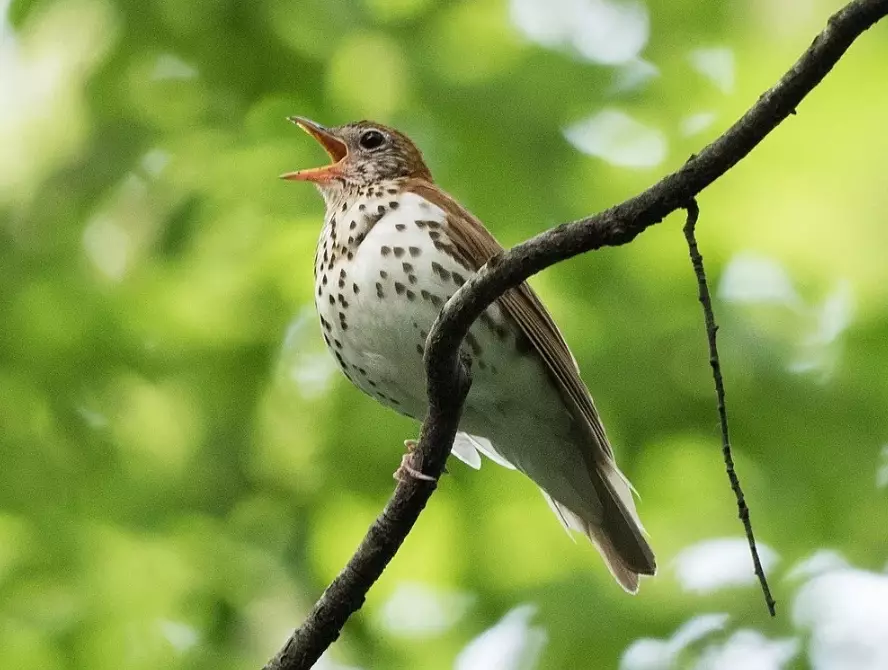
Jump to What You Need
Why Recording Bird Sounds Requires Specialized Gear
Bird recording isn't like podcasting or studio work. You're outdoors, dealing with elements, and the sounds you want are often faint and far away. I remember setting up with a basic USB mic years ago—all I got was rustling leaves and my own breathing. Bird songs sit in a high-frequency range, typically from 2 kHz to 8 kHz, but some species go higher. Background noise from wind, insects, or traffic can easily mask them.
The Challenges of Outdoor Audio
Wind is the biggest enemy. Even a breeze can create low-frequency rumble that ruins recordings. Then there's directionality: birds move, so you need a mic that focuses on the sound source without picking up everything around. Distance is another factor—many birds stay 50 feet or more away, so sensitivity becomes critical.
What Makes Bird Songs Difficult to Capture?
Bird sounds are transient and dynamic. A song might last seconds, with rapid pitch changes. Standard mics often miss the nuances. From my experience, a common mistake is using a mic with poor off-axis rejection; you end up recording more forest ambiance than the bird itself.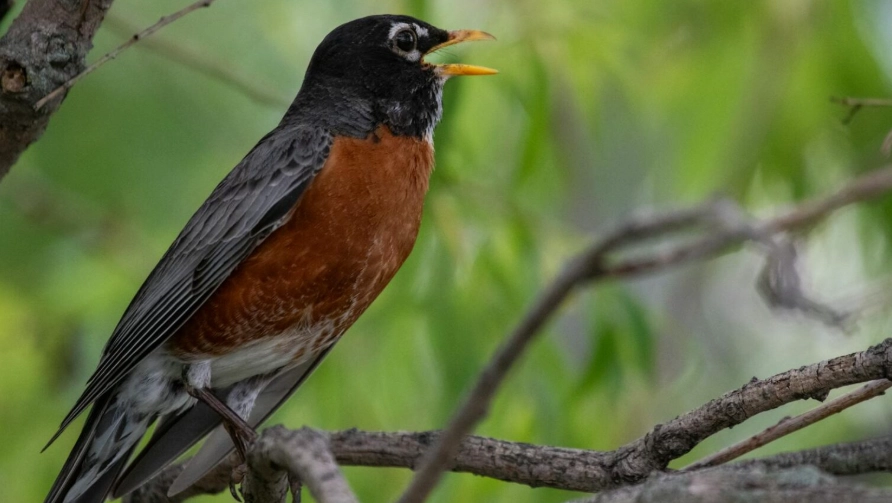
Microphone Features That Matter for Bird Recording
Don't just buy based on brand. Look for these specs—they make or break your recordings.
Sensitivity and Frequency Response
Sensitivity measures how well a mic picks up quiet sounds. For birds, aim for a sensitivity rating around -30 dBV/Pa or higher. Frequency response should be flat or slightly boosted in the high end, covering at least 50 Hz to 20 kHz. But here's a non-consensus point: too much high-end boost can make recordings harsh. I prefer mics with a natural roll-off above 15 kHz to avoid capturing ultrasonic insect noise.
Directionality: Shotgun vs. Parabolic
Directionality is key. Shotgun mics have a narrow pickup pattern, great for isolating sounds from a distance. Parabolic mics use a dish to focus sound waves, offering extreme directionality but can color the audio. I've found shotguns more versatile for moving birds, while parabolic is better for stationary targets like nests.
Wind Protection and Durability
Always use a windscreen or furry cover. Even indoor mics need this outdoors. Durability matters—field gear gets bumped and wet. Look for mics with robust construction and weather-resistant seals. The Rode VideoMic Pro, for instance, has a built-in shock mount that reduces handling noise, a detail many beginners overlook.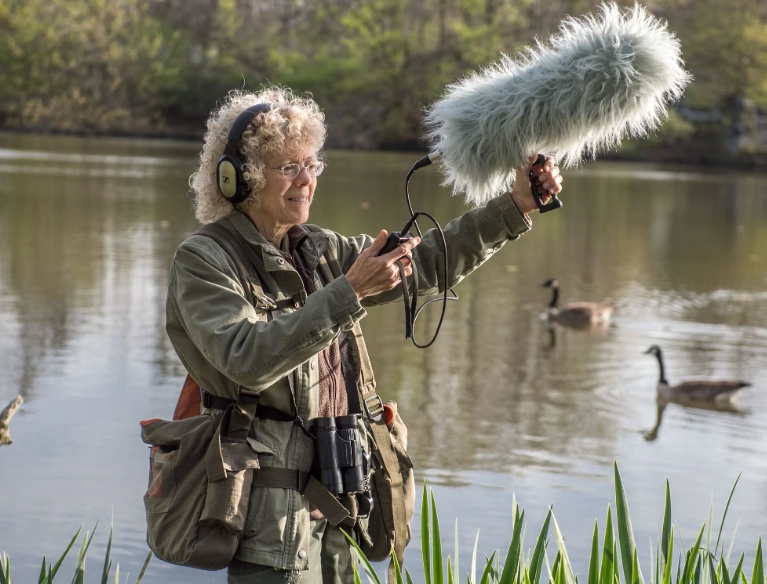
Top Microphone Types for Bird Sound Recording
Here's a quick comparison of the main types. I've used all of these in different scenarios.
| Type | Best For | Pros | Cons | Approx. Price Range |
|---|---|---|---|---|
| Shotgun Microphone | General field recording, moving birds | Good directionality, portable, works with cameras | Can pick up some side noise, needs wind protection | $100 - $1000 |
| Parabolic Microphone | Distant or stationary birds, detailed captures | Excellent focus, amplifies quiet sounds | Bulky, can distort audio, expensive | $300 - $2000 |
| Stereo Microphone | Ambient soundscapes, immersive recording | Captures spatial audio, natural soundstage | Less directional, more background noise | $150 - $800 |
| Handheld Recorder with Built-in Mics | Beginners, quick setups | All-in-one, easy to use, affordable | Limited upgrade options, lower sensitivity | $80 - $500 |
Shotgun mics are my go-to for most situations. Parabolic mics are niche but amazing for specific cases—like recording a warbler's song from 100 feet away. Stereo mics are fun for capturing the whole forest chorus, but they require quiet environments.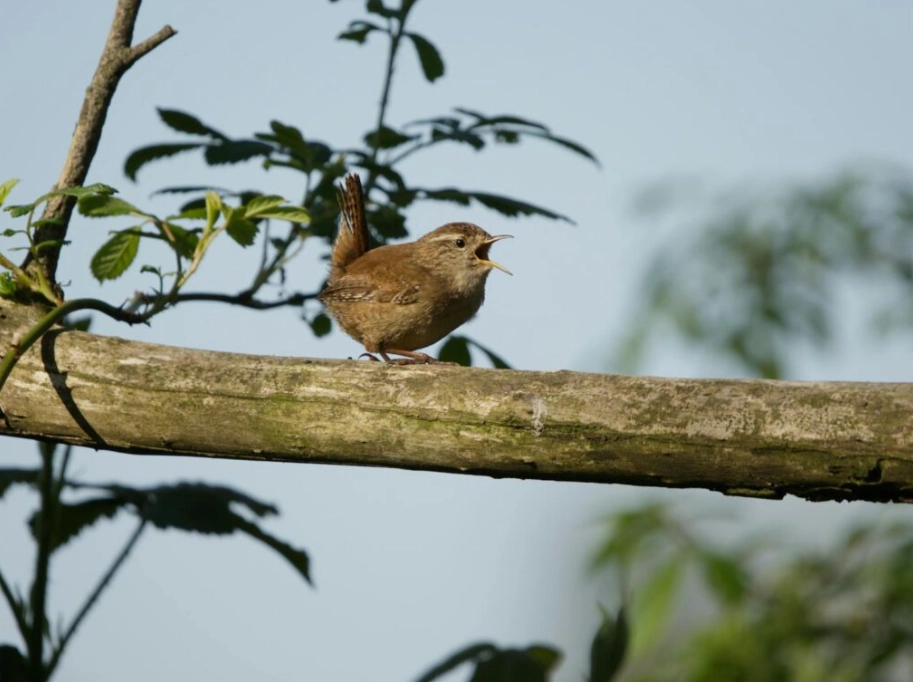
Recommended Microphones for Every Budget
Based on hands-on testing and community feedback, here are my picks. Prices vary, so check current listings.
Under $200: Entry-Level Options
For starters, the Audio-Technica AT875R is a solid shotgun mic. It's lightweight, has a narrow pickup pattern, and works well with budget recorders. I used it for my first year—the audio is clean, but it lacks built-in wind protection, so you'll need a furry cover. Another option is the Zoom H1n Handheld Recorder; its built-in mics are decent for close-range birds, but don't expect miracles with distant sounds.
$200-$500: Mid-Range Workhorses
This range offers professional quality. The Rode NTG4+ shotgun mic is a favorite. It has a rechargeable battery, good sensitivity, and comes with a basic windscreen. I've paired it with a Tascam DR-40X recorder for crisp results. For parabolic, the Wildtronics Pro Mini kit is affordable and effective, though the dish is small—best for birds within 50 feet.
Over $500: High-End Performance
If budget isn't an issue, the Sennheiser MKH 416 shotgun mic is legendary. Its durability and sound quality are top-notch, but it's overkill for casual users. For parabolic, the Telinga Pro 6 system delivers studio-like clarity. I borrowed one once—the audio was so detailed I could hear individual beak clicks. But it costs over $1500, so only for serious enthusiasts.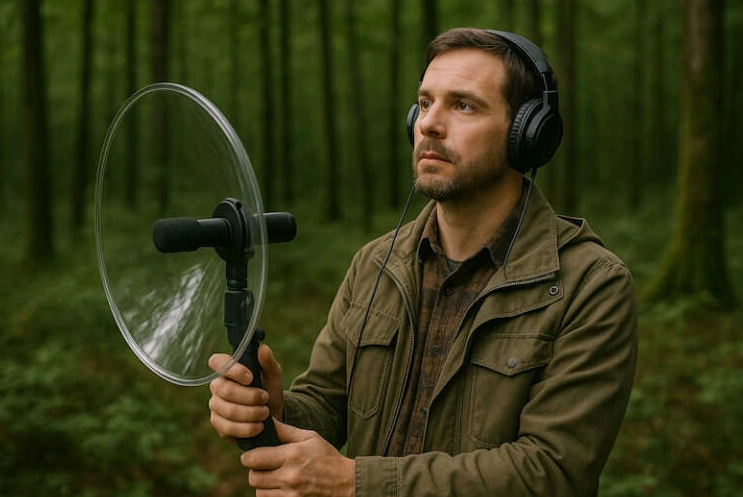
Personal Take: Don't overspend early. I've seen beginners buy expensive mics without learning basics like gain staging. Start mid-range, master field techniques, then upgrade. The mic is just one part; your skills matter more.
Field Recording Tips from a Seasoned Birder
Gear alone won't save you. Here's how I approach a recording session.
Choosing the Right Location
Scout ahead. I use apps like eBird to find bird hotspots, but avoid crowded areas—human noise is a killer. Go early morning when birds are most vocal and wind is low. Set up downwind from your target to minimize noise.
Dealing with Wind and Background Noise
Always use a windscreen, even on calm days. I DIY'd one from faux fur that works better than some commercial ones. For background noise, position the mic close to vegetation—it acts as a natural baffle. A trick I learned: record in stereo but use software later to isolate the bird track, reducing ambient sound.
Post-Processing Basics
Raw recordings need tweaking. I use Audacity (free) to apply high-pass filters around 100 Hz to cut wind rumble, and gentle compression to balance volume. Never over-process; it can make bird songs sound artificial. The Cornell Lab of Ornithology offers great resources on audio editing for nature recordings.
FAQ: Common Questions About Bird Sound Recording
 What's the biggest mistake beginners make when choosing a microphone?
Recording bird sounds is a rewarding hobby that connects you to nature. Start with the right gear, practice in the field, and don't be afraid to experiment. For more insights, check out resources from the Audubon Society or the Cornell Lab of Ornithology. Happy recording!
Reader Comments