Let's cut to the chase. Can you go birding in the winter? The answer isn't just a yes; it's a resounding "you absolutely should." Many people pack away their binoculars with their summer clothes, assuming the bird world goes quiet. That's the biggest misconception in this hobby. Winter birding isn't a diminished version of the spring spectacle; it's a completely different, often more accessible and rewarding game. The leaves are gone, visibility is stunning, and the birds that stick around are tough, fascinating, and often easier to find. I've been doing this for over a decade, and some of my most memorable sightings—a Great Gray Owl perched silently in a snow-dusted spruce, a massive flock of Snow Buntings swirling like a living snowstorm—have happened when the temperature was below freezing.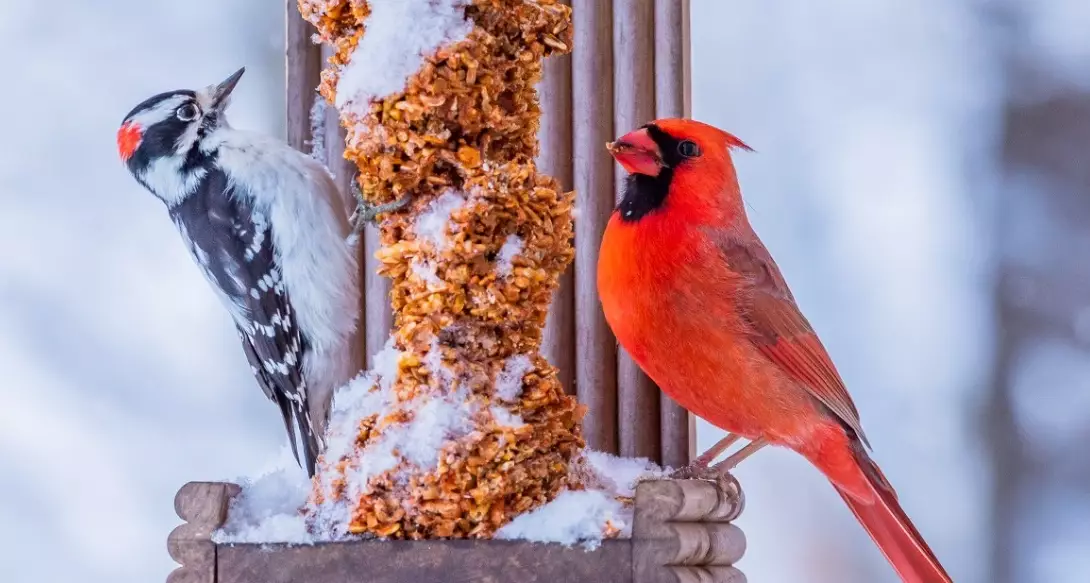
What's Inside This Winter Birding Guide
Why Winter Birding is Surprisingly Rewarding
Forget the idea that you're settling for less. You're trading one set of advantages for another.
The light is phenomenal. The sun stays low in the sky, creating long, golden hours of perfect, soft lighting that makes every feather detail pop. No harsh midday glare to wash out colors.
No leaves on the trees. This is the single biggest game-changer. That warbler that drove you crazy hiding in the canopy last May? Its cousin, the hardy Yellow-rumped Warbler, is now completely exposed on a bare branch. Identification becomes less about fleeting glimpses and more about studying shape, posture, and field marks.
Birds are concentrated. Food and liquid water are scarce. Birds abandon vast summer territories and congregate around reliable resources. Find a patch of unfrozen stream, a berry-laden holly tree, or a well-stocked feeder, and you'll find a crowd. Your local park's pond might host a dozen duck species in winter, while it only has Mallards in summer.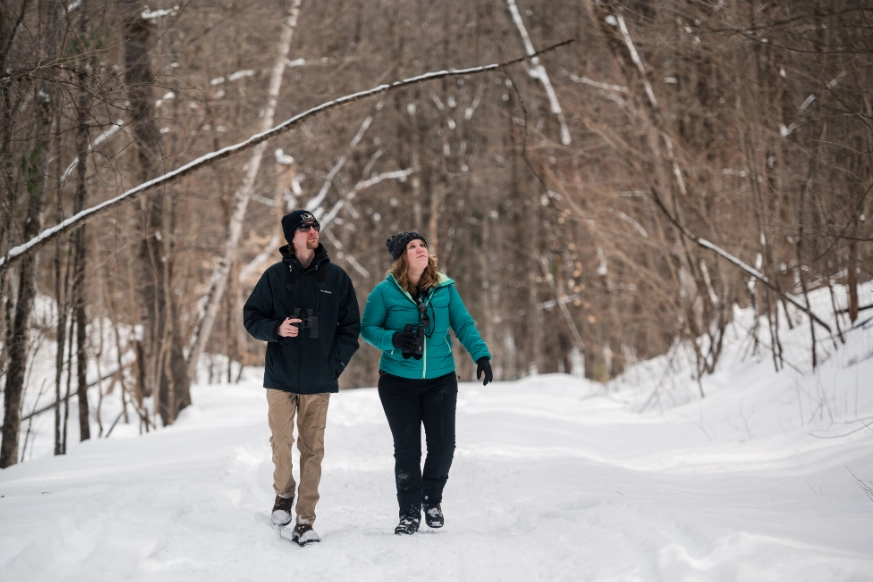
You get the "winter specialists." Some birds only come down to your area when the Arctic gets too harsh. This is your chance to see stunning visitors like Snowy Owls, Evening Grosbeaks, Rough-legged Hawks, and various northern finches ("irruptive" species) that aren't around any other time. It's like a special seasonal exhibit.
The crowds are gone. Trails are quiet. You have the overlooks to yourself. The silence of a snowy forest, broken only by the crunch of your boots and the call of a chickadee, is an experience in itself.
A quick reality check: It's not all magic hour light and easy sightings. You have to deal with the cold. But that's a solvable problem, not a barrier. The birds are out there surviving it—you can certainly spend a few hours observing them with the right preparation.
How to Go Birding in Winter: A Step-by-Step Guide
Success in winter birding is 90% preparation. Here’s how to structure your outing from start to finish.
Step 1: Gear Up Like a Pro (It's Not Just a Heavier Jacket)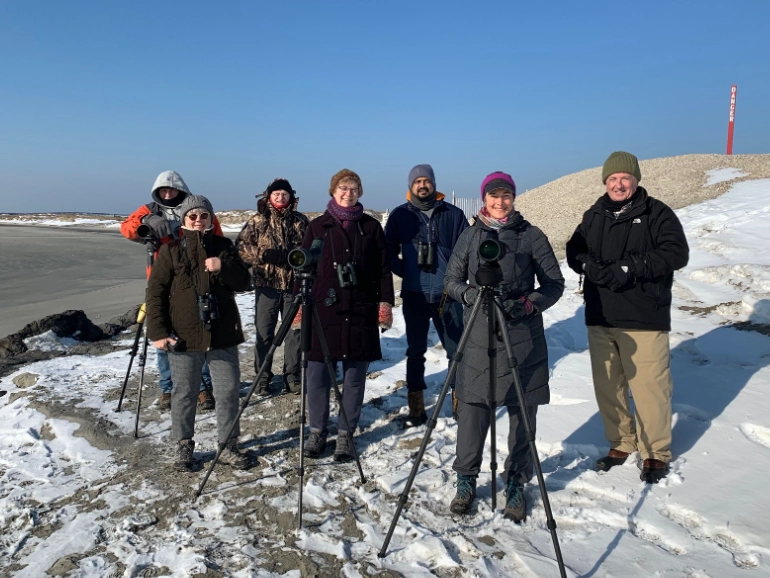
The classic beginner mistake is wearing a giant, bulky coat. You start cold, hike to a spot, sweat profusely, and then get dangerously chilled when you stop to look through your binoculars. You need a layering system.
- Base Layer: Merino wool or synthetic thermal. Avoid cotton—it holds moisture.
- Mid Layer: Fleece or down vest for insulation.
- Outer Layer: Windproof and waterproof shell.
- Extremities: This is critical. Thin liner gloves under insulated mittens (you can slip the mitten off to adjust binoculars). A warm hat that covers your ears. Thick, wool socks. Insulated, waterproof boots with good tread for ice.
Optics care: Keep your binoculars or spotting scope strap under your outer layer to keep them near body temperature. Going from a warm car into frigid air can cause lens fogging, both internally and externally. Let them adjust gradually. Carry a small microfiber cloth for any external condensation.
Other essentials: A thermos with a hot drink (tea, coffee, broth—it's a lifesaver). High-energy snacks. A backpack to shed layers into. Hand warmers are cheap insurance.
Step 2: Pick Your Location Strategically
Don't just go to your summer spot. Think like a cold, hungry bird.
- Water Sources: Moving water (rivers, streams) is less likely to freeze completely. Check out spillways below dams, areas with natural springs, or even wastewater treatment outflow areas (often surprisingly birdy).
- Food Hotspots: Coniferous forests (pine, spruce, fir) offer shelter and seed-filled cones. Look for trees and shrubs with persistent berries: holly, juniper, crabapple, mountain ash. And yes, residential bird feeders are legitimate and productive winter birding locations.
- Sheltered Areas: South-facing slopes get more sun and are less windy. Dense thickets and evergreen groves provide protection from wind and predators.
Check local birding forums or eBird hotspots. Someone has already scouted where the action is this week.
Step 3: Slow Down and Listen
Winter birding is a slow, deliberate activity. You're not covering miles. You're moving quietly, stopping frequently, and listening intently. Sound carries farther in cold, dense air. Learn the winter calls: the raspy "chick-a-dee-dee-dee" of the Black-capped Chickadee (the soundtrack of the winter woods), the high seep of a Golden-crowned Kinglet, the soft whinny of a Downy Woodpecker.
Use "pishing" (making squeaking sounds with your mouth) or even just gentle squeaks on the back of your hand sparingly. In winter, curious birds like chickadees and nuthatches are more likely to come investigate a strange noise to see if it signals food or danger.
Top Winter Birds to Spot (And Where to Find Them)
Here’s a quick-reference table for some classic winter targets across different habitats in North America. This isn't just a list; it tells you their strategy, so you know where and how to look.
| Bird Species | Preferred Winter Habitat | Key Identification Tip & Behavior |
|---|---|---|
| Northern Cardinal | Backyards, forest edges, thickets with berries. | The brilliant red male against snow is iconic. Listen for their sharp "chip" calls. They often travel in pairs. |
| Dark-eyed Junco | Grounds of forests, parks, feeders. Often in flocks. | "Snowbirds." Watch for their white outer tail feathers flashing as they fly up from the ground. |
| American Tree Sparrow | Weedy fields, brushy areas, edges of marshes. | Look for the rusty cap and a single dark spot in the center of their plain breast. A true winter visitor to most of the US. |
| Rough-legged Hawk | Open country: grasslands, agricultural fields, marshes. | Hunts like a kestrel, hovering over fields. Look for dark wrist patches under the wings and a feathered leg that goes all the way to the toe. |
| Common Redpoll | Birch and alder thickets, weedy fields, feeders. | An irruptive finch. Small, streaky, with a bright red cap and (on males) a pink wash on the breast. Listen for a buzzy, chattering call in flight. |
| Hooded Merganser | Unfrozen ponds, lakes, rivers, estuaries. | A stunning small duck. Males have a white, fan-shaped crest they raise in display. They dive for small fish. |
Expert Tips & Tricks They Don't Tell Beginners
This is the stuff from years of frozen fingers and missed opportunities.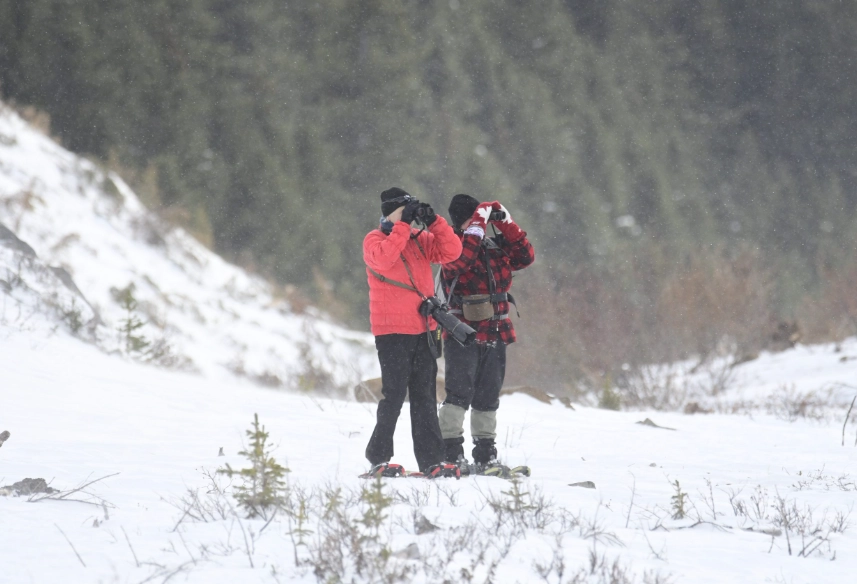
Manage your expectations around activity peaks. Birds are most active feeding just after dawn and before dusk to replenish energy. But on a brutally cold, sunny day, the midday sun might create a warm microclimate on a south-facing bank, triggering a burst of insect activity and bird movement. Be flexible.
Footwear is everything. I once ruined a perfect owl encounter because my boots had no grip on an icy incline, and the noisy, clumsy scrambling spooked the bird. Yaktrax or similar ice traction devices that slip over your boots are a wise investment if you're on trails.
Your car is a mobile blind. Seriously, some of the best winter birding is done from your vehicle, especially in open country or at wildlife refuges with auto tours. You stay warm, the engine noise is familiar to birds, and you can cover more ground. Keep your binoculars and camera on the passenger seat.
Learn one new berry-bearing plant. Instead of just "a bush with red berries," learn to identify Winterberry Holly, Eastern Redcedar, or Staghorn Sumac. Once you know what holds fruit into winter, you can predict where fruit-eating birds like waxwings and robins will be.
Let me give you a specific, actionable idea: a Winter Birding "Big Day" Scenario.
Morning (8-11 AM): Start at a local park with a mix of conifers and open fields. Move slowly, listening for chickadee flocks—they act as the nucleus for mixed-species foraging groups. You might find kinglets, Brown Creepers, and Downy Woodpeckers tagging along.
Midday (11-1 PM): Drive to a nearby river or large, partially frozen lake. Scan the open water for ducks, geese, and gulls. Use your car as a blind. Have your hot lunch here.
Afternoon (1-4 PM): Visit a state park or forest with a south-facing trail. Look for animal tracks in the snow—you might follow fox or deer tracks and stumble upon a grouse dusting hole or an owl's roosting tree. As the light gets golden, head to a reliable backyard feeder station (your own or a public garden's) to watch the evening rush of finches, sparrows, and cardinals.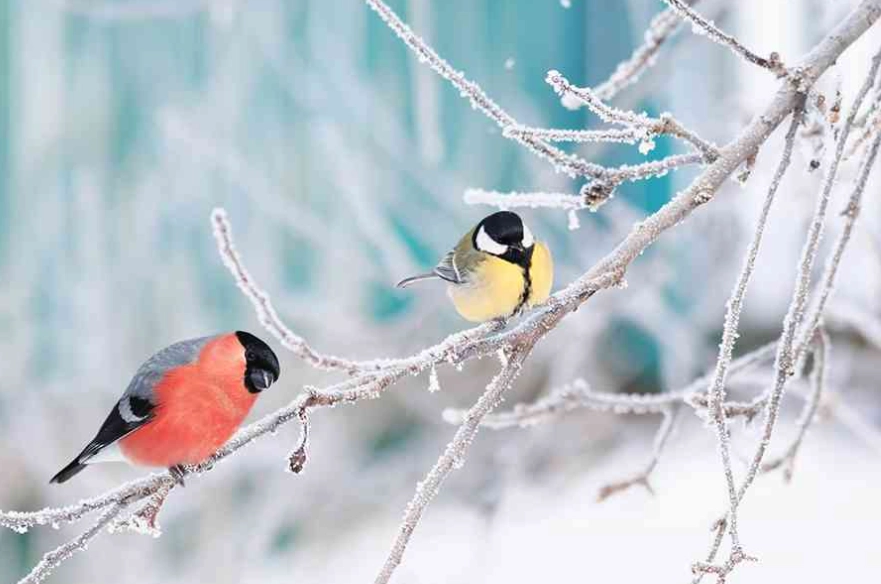
Your Winter Birding Questions, Answered
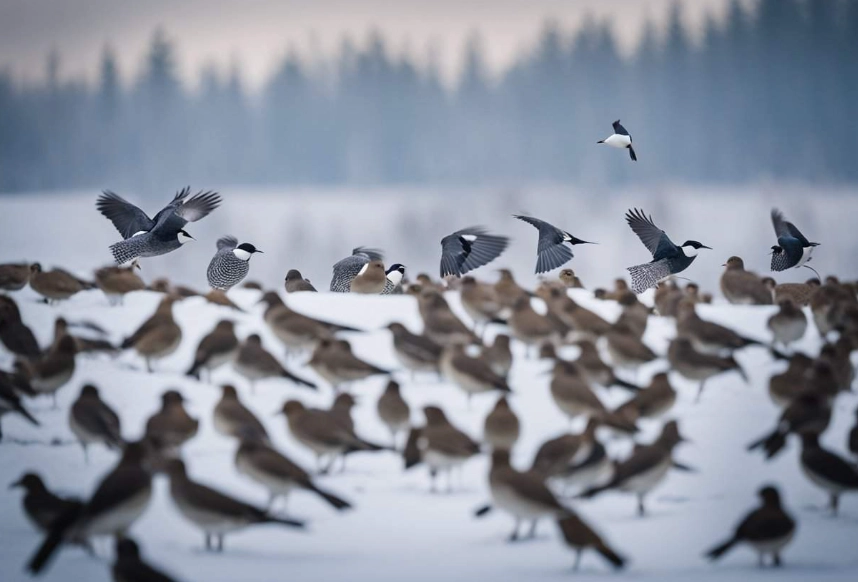 All the ponds near me are frozen. Where do the ducks go?
Winter birding reframes the challenge. The cold isn't an obstacle; it's the filter that creates a unique and starkly beautiful ecosystem. It rewards preparation, patience, and a different way of seeing. The birds are out there, going about the serious business of survival. Grab your layers, your thermos, and go join them. You'll see your local landscape—and its avian residents—in a whole new light.
Reader Comments