Let's cut to the chase. If you're serious about birding, national parks are your gold standard. They protect massive, undisturbed habitats where birds behave like they're supposed to—not like stressed-out city dwellers. I've spent over a decade chasing feathers from the Everglades to Denali, and I can tell you, the experience in a national park is on another level. It's not just about checking species off a list. It's about seeing a Bald Eagle snatch a fish from a glacial river, hearing the prehistoric croak of a Sandhill Crane at dawn in a vast prairie, or finding a tiny warbler refueling during its epic migration. This guide isn't a generic list. It's the blueprint I wish I had when I started, packed with specific parks, exact spots, timing secrets, and the gear that actually works.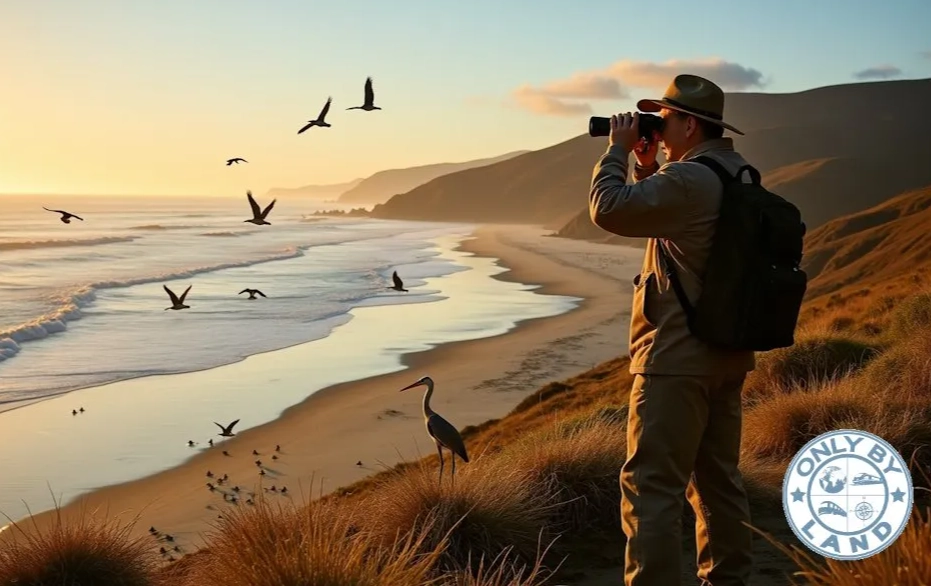
Your Birding Adventure Starts Here
Why National Parks Are a Birder's Dream
Think about it. A city park might have a few dozen species. A good wildlife refuge might have a couple hundred. A major national park can have over 300 recorded species. The scale is different. We're talking about protected corridors that span entire ecosystems—mountains, deserts, coastlines, wetlands. Birds use these places as critical rest stops during migration, safe havens for nesting, and year-round homes. The data from the National Park Service shows that parks are vital for conserving bird populations, especially for species of concern. You're not just birding; you're witnessing conservation in action.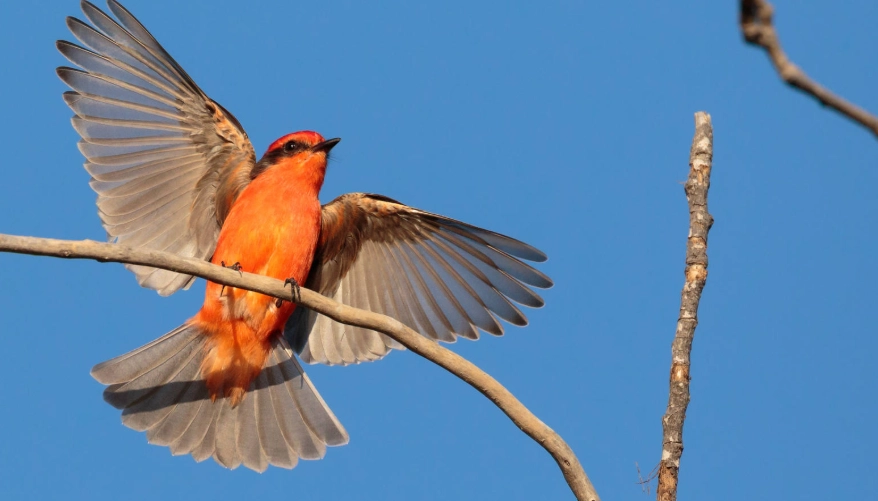
A quick reality check: Park birding isn't always easy. Trails can be long, weather can change in minutes, and cell service is often nonexistent. That's part of the appeal. It rewards preparation and patience in a way a backyard feeder never will.
Top Birding National Parks You Need to Visit
Picking a "best" park is like picking a favorite child—it depends on what you're looking for. Are you after sheer variety? Rare specialties? Epic migration spectacles? Here’s my breakdown of top-tier birding national parks, with the specifics you need to plan.
| National Park | Key Birding Season & Hotspots | Signature Birds (Your Targets) | Practical Info (Fees, Access) |
|---|---|---|---|
| Everglades (Florida) | Dry Season (Dec-Apr). Anhinga Trail (easy boardwalk), Shark Valley Tram Road, Eco Pond. Water levels are low, concentrating birds. | Roseate Spoonbill, Snail Kite, Wood Stork, Limpkin, Purple Gallinule. The wading bird show is unmatched. | $35/car (7-day pass). Flamingo & Gulf Coast visitor centers are key hubs. Rent a bike at Shark Valley to cover more ground quietly. |
| Great Smoky Mountains (TN/NC) | Spring Migration (May) is magical. Cades Cove Loop Road, Roaring Fork Motor Nature Trail. Dawn at Newfound Gap for high-elevation species. | Cerulean Warbler, Blackburnian Warbler, Red-crossbill, Ruffed Grouse. Over 240 species in lush deciduous forest. | Free entry. Parking at popular trails fills by 9 AM. Use the free park shuttle from Sugarlands to avoid the headache. |
| Acadia (Maine) | Summer & Fall. Ship Harbor Trail (easy), Jordan Pond area, Cadillac Mountain summit at dawn. Boat tours from Bar Harbor for pelagics. | Atlantic Puffin (on offshore islands), Black Guillemot, warblers, and fall hawk migration. Unique coastal-boreal mix. | $35/car. Park Loop Road is one-way; plan your route. Bar Island is accessible on foot at low tide—check tide charts! |
| Big Bend (Texas) | Spring (Mar-May). Rio Grande Village (cottonwoods attract migrants), Chisos Basin, the Window Trail. The desert blooms, and birds follow. | Colima Warbler (only US nest site), Lucifer Hummingbird, Varied Bunting, Mexican Jay. It feels like birding in another country. | $35/car. Remote. Fuel up and bring all supplies. The drive to the Chisos Basin is steep and winding—not for huge RVs. |
| Yellowstone (WY/MT/ID) | Summer. Hayden and Lamar Valleys (from your car!), Mammoth Hot Springs, Fishing Bridge. Wide-open spaces for scanning. | Trumpeter Swan, American White Pelican, Harlequin Duck, Sandhill Crane, and yes, Ravens following wolf packs. | $35/car. Wildlife jams are real. Use pullouts. Dawn and dusk are best for birds AND avoiding crowds at Old Faithful. |
That table gives you the blueprint. But here's a personal take. Everyone goes to the Everglades for Anhinga Trail, and it's great. But for a more immersive feel, I prefer the Shark Valley tram road at first light. You can bike it 15 miles round-trip. You'll have Limpkins calling from the sawgrass, herons everywhere, and a good chance at a Snail Kite gliding over the canals. You see the vastness of the River of Grass, not just a postcard shot.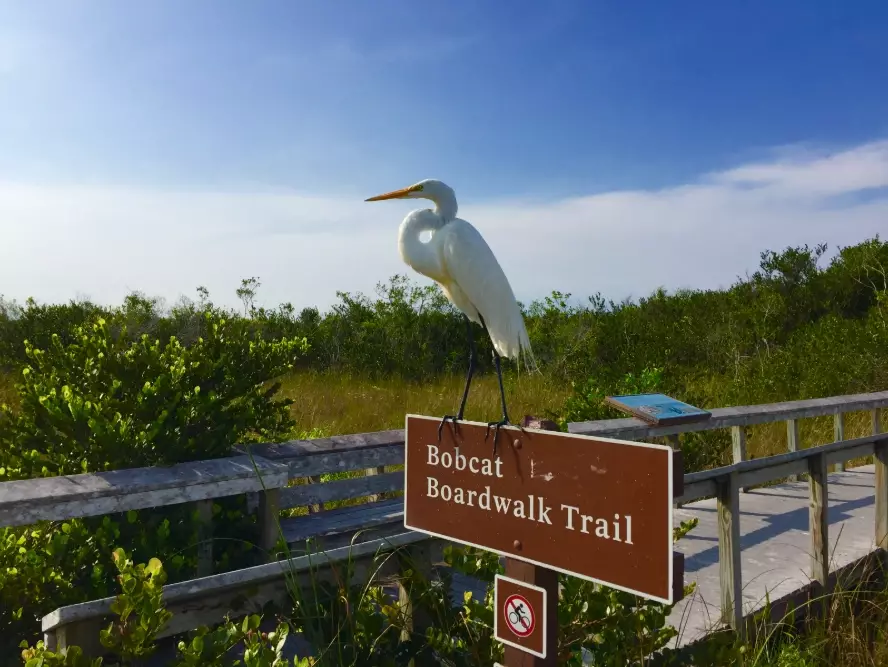
How to Plan Your National Park Birding Trip
This is where most trips go from good to legendary. Or from frustrating to forgettable.
Timing Is Everything (No, Really)
Going in peak summer? You'll get nesting residents but miss the frenzy of spring migration and the drama of fall. Winter can be surprisingly good for owls and northern specialties. My rule: Always cross-reference the park's bird list or eBird bar charts with your dates. The National Park Service website for each park usually has a "Birding" page—that's your first stop. For migration, aim for the shoulder months (April-May, September-October).
The Reservation Headache
This is the new reality. Parks like Yosemite, Rocky Mountain, and Acadia now have timed entry permits for parts of the summer. You must check Recreation.gov months ahead. Nothing kills a birding trip faster than being turned away at the gate at 5 AM. Plan your entry window around the best birding light—early morning.
The Non-Negotiable Gear for Park Birding
Forget the fancy gadgets if you don't have these basics locked down.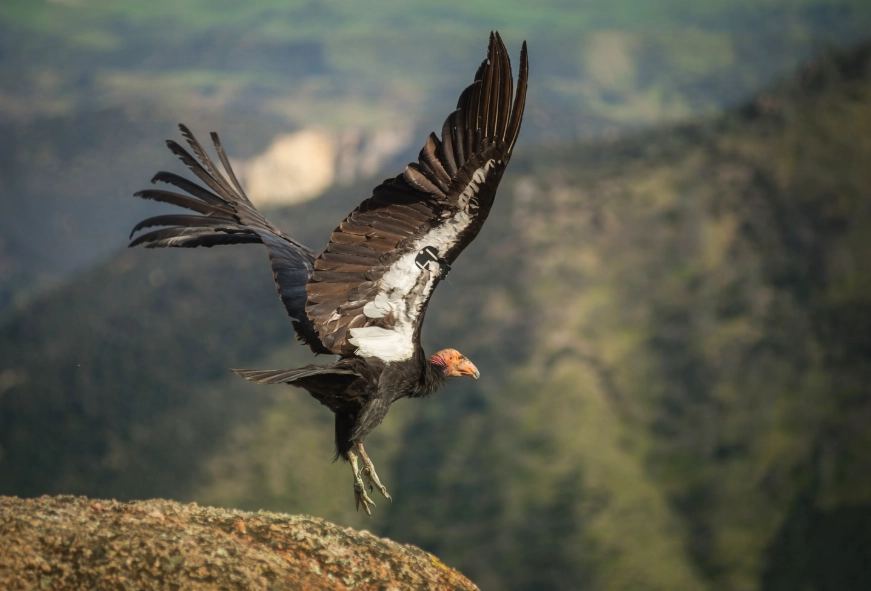
Binoculars (8x42 or 10x42): This is your primary tool. In parks, you need good light gathering for forest understories and dawn sessions. I see people with tiny, cheap compacts struggling to ID a warbler 50 feet up in an oak. Don't be that person. Spend here first.
Field Guide & App: A physical guide like Sibley's is reliable when your phone dies. But pair it with the Merlin Bird ID app for sound ID—it's a game-changer for hearing those hidden warblers. Download the park pack for offline use.
The Clothing System: Cotton kills, as they say. Moisture-wicking base layers, a warm insulating layer (fleece/puffy), and a waterproof shell. Weather changes fast, especially in mountains. Break-in your hiking boots before the trip. Blisters are the enemy of focus.
Pro Tips You Won't Find on the Brochure
After a decade, here's what I've learned the hard way.
Listen more than you look. In dense forest, you'll hear 80% of the birds before you see them. Stop walking every 100 yards. Just stand and listen for a full two minutes. The forest will start talking to you.
The car is a mobile blind. In open parks like Yellowstone or the Everglades, some of my best sightings have been from the driver's seat. Roll down the window, use your car door as a rest for your binoculars or camera, and scan. Birds are often habituated to vehicles.
Target the edges. Where two habitats meet—forest and meadow, river and woods, marsh and upland—bird diversity explodes. Look for these ecotones on the park map.
One common mistake? People chase the rare bird report on eBird and spend their whole trip in one parking lot. You might see the bird, but you'll miss the park. Have a target list, but let the park show you what it has to offer. Be present.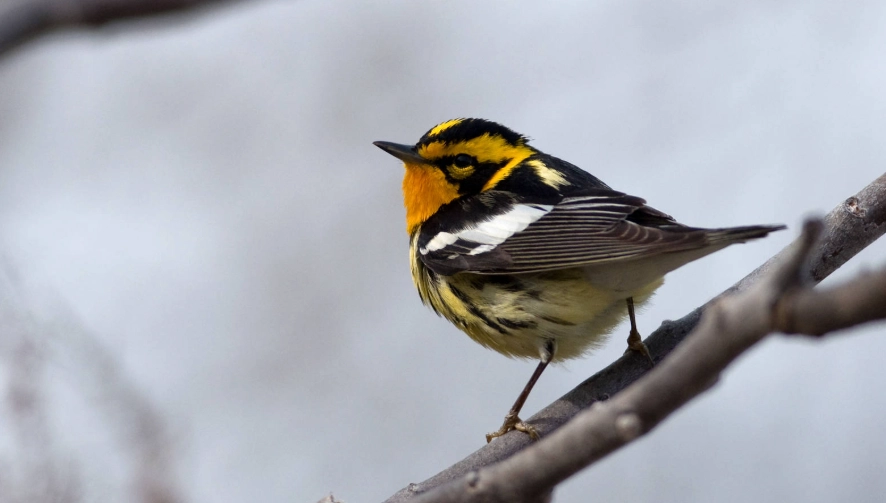
Your Birding Questions, Answered
What's the single biggest mistake beginner birders make in national parks?
I only have one day in a huge park like the Great Smoky Mountains. How do I not waste it?
 Are ranger-led bird walks worth it, or are they too slow?
How do I ethically photograph birds in the parks without disturbing them?
Final thought. The best birding in national parks happens when you shift your goal from just seeing birds to understanding the place. Notice what plants they're feeding on. Listen to the ecosystem. That's when a simple hobby becomes a deep connection. Now get out there, check the park's website for alerts, pack your patience, and go see something amazing.
Reader Comments