Let's cut to the chase. The best birding telescope setup isn't just about buying the most expensive scope. It's a system. A scope is useless if it's wobbling on a flimsy tripod, and the wrong eyepiece can turn a brilliant bird into a blurry smudge. After over a decade of hauling gear through marshes and mountains, I've learned that the magic happens when all the pieces work together. This guide will walk you through building that system, from the ground up, avoiding the costly mistakes I made when I started.
Quick Navigation: What's Inside This Guide
How to Choose the Right Spotting Scope for Birding
You'll see two main designs: straight-through and angled. Angled eyepieces are the go-to for most birders. Why? They let you look down into the scope, which is far more comfortable for long sessions. Your neck will thank you. More importantly, they allow multiple people of different heights to share the scope easily. Straight-through scopes are simpler for following fast-moving targets over open ground, like shorebirds, but for general birding, I almost always recommend angled.
Objective Lens Size: The Bigger, Brighter, Heavier Trade-off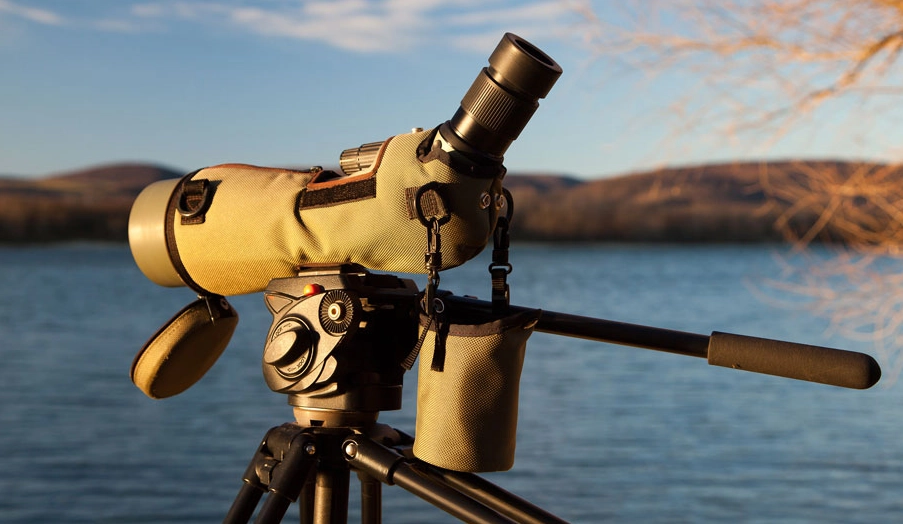
This is the lens at the front. Common sizes are 60mm, 65mm, 80mm, and 85mm.
- 60-65mm: Lighter, more portable. Perfect for hikers and travelers. Image brightness is good for most daytime birding.
- 80-85mm: Heavier, but gathers significantly more light. This means brighter images in dawn, dusk, or under forest canopy. Essential for serious digiscoping (photography through the scope).
My rule of thumb: if you're mostly a walk-and-scan birder, go 65mm. If you're a sit-and-wait birder at a reservoir or doing a lot of low-light birding, the 80mm is worth the weight.
Magnification and Zoom Eyepieces
Scopes themselves don't have fixed magnification. It's the eyepiece that determines it. A zoom eyepiece like a 20-60x is incredibly versatile. At 20x, you have a wide field of view to find the bird. At 60x, you can zoom in for fine details. But here's the non-consensus part: atmospheric heat haze and mirage often make anything above 45-50x unusable on a typical day. Don't get obsessed with the top-end 60x or 70x number. A sharp, bright 45x view is better than a shaky, fuzzy 60x view any day.
Glass Matters: You'll see terms like ED (Extra-low Dispersion), HD (High Definition), or Fluorite glass. This isn't marketing fluff. This glass dramatically reduces chromatic aberration—that ugly purple fringing around high-contrast edges like a black bird against a bright sky. For birding, where fine feather detail is everything, investing in a scope with ED/HD glass is the single most important upgrade you can make.
The Foundation: Tripod and Head (The Most Overlooked Part)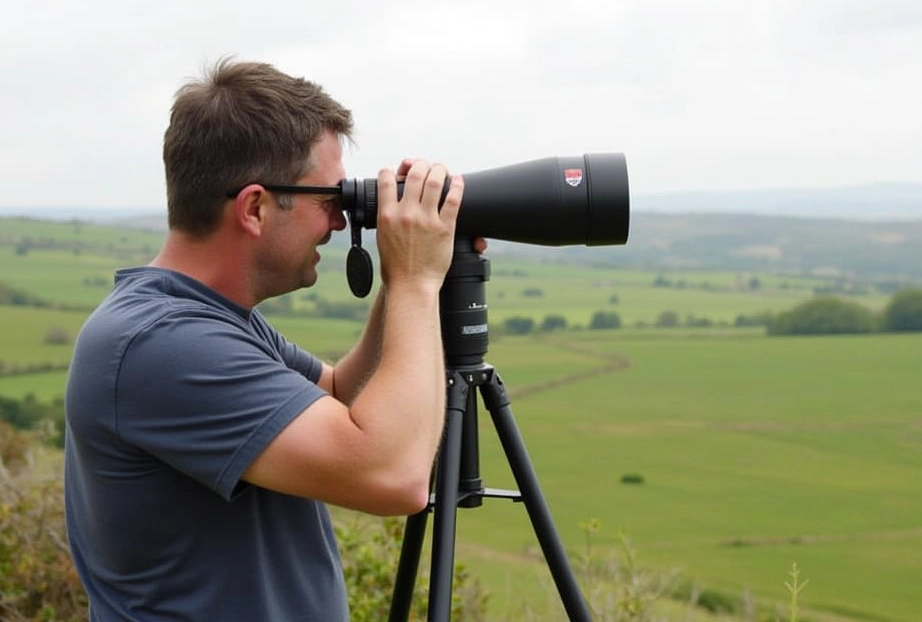
This is where beginners blow it. They spend $1000 on a scope and $80 on a tripod combo from a big-box store. It's like putting racing tires on a shopping cart. A shaky foundation ruins everything.
A good tripod needs to be stable at your full height without extending the thin center column. Look for carbon fiber for the best mix of stability and light weight, or aluminum if budget is tight. Brands like Manfrotto and Gitzo are industry standards for a reason.
The head is what allows smooth movement. For birding, a fluid video head is superior to a ball head. A fluid head provides smooth, dampened panning and tilting, making it effortless to track a flying tern or a hopping warbler. A ball head is jerky by comparison. Look for a head that can handle the weight of your scope and has a separate drag control for panning and tilt.
Eyepieces, Digiscoping, and Essential Extras
Most scopes come with a zoom eyepiece, which is fine to start. But fixed wide-angle eyepieces (like a 30x or 38x) offer a breathtakingly wide, immersive view that's fantastic for scanning. They're often sharper and brighter than the zoom at its widest setting.
Digiscoping—attaching a phone or camera—has revolutionized bird documentation. You need a sturdy phone adapter that clamps onto the eyepiece. Practice is key; touchscreen focus and a timer delay help avoid shake.
Don't forget a good case. A padded scope case protects your investment in transit. A rain guard for the eyepiece is cheap insurance against a sudden shower.
Real-World Sample Setups for Different Birders
Let's make this concrete. Here are three complete setups tailored for different styles and budgets. These are real combos I've used or recommended.
| Birder Profile | Spotting Scope | Tripod & Head | Total Focus & Best For |
|---|---|---|---|
| The Mobile Hiker Wants light weight, covers long distances. |
Kowa TSN-553 Prominar (55mm) Angled, Fluorite crystal lens. |
Sirui VA-5 Fluid Head on aluminum travel legs. | Ultra-portability and stunning optical quality in a tiny package. Perfect for warblers in the woods. |
| The All-Rounder Serious birder, does some digiscoping, varied habitats. |
Swarovski ATS 65mm or Vortex Razor HD 65mm. Angled, HD glass. |
Manfrotto 502AH Fluid Head on carbon fiber legs (e.g., Manfrotto 055). | The sweet spot. Excellent optics, stable platform, manageable weight. Ready for phonesky photography. |
| The Reservoir Specialist / Digiscoper Stations at water bodies, needs max light, prime digiscoping. |
Nikon Monarch ED 82-A or Celestron Regal M2 80mm. Angled, large objective lens. |
Gitzo Series 2 Systematic Tripod with a heavier fluid head (e.g., Manfrotto 504HD). | Maximum image brightness and stability for distant ducks, shorebirds, and crisp photos in challenging light. |
Pro Tips and Common Mistakes to Avoid
Here's where that decade of experience talks. Little things make a big difference.
Set up your tripod lower than you think. A lower center of gravity is more stable, especially in wind. Don't max out the leg sections; use the thicker upper sections first.
Let the scope settle. After you touch it to focus or pan, take your hand off and let the vibrations die down for a second before you look. You'll see much more detail.
Focus, then fine-tune. Get the bird roughly in focus, then make tiny adjustments while looking at a high-contrast edge—the line between a bird's beak and the sky, or the border of a wing bar. Your eye detects sharpness there best.
The biggest mistake I see? People buy too much magnification. They think 80x sounds great. In reality, on 95% of days, the air is too turbulent. Stick to 20-45x for your most used range. The view will be steadier and sharper.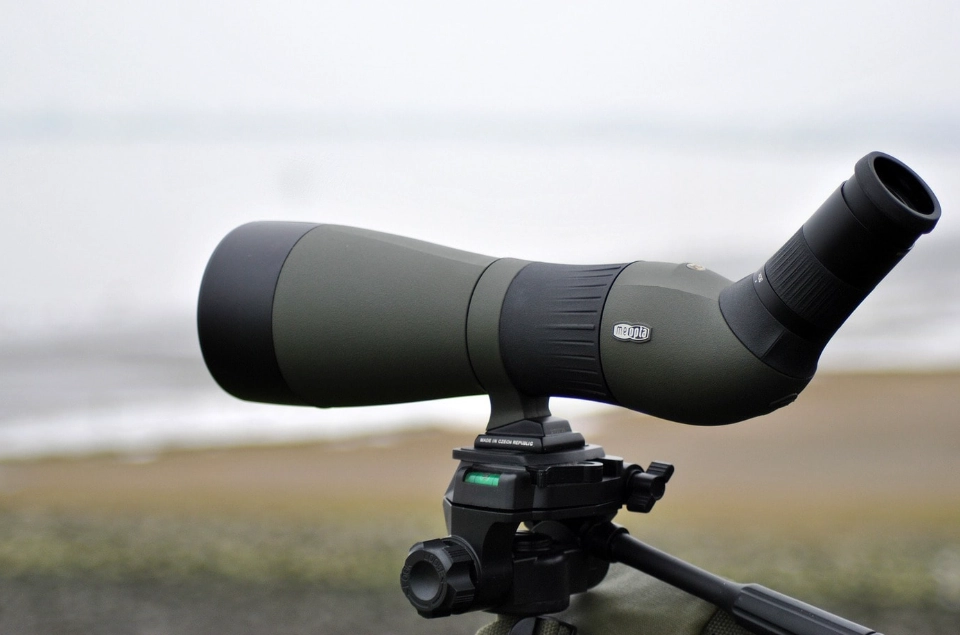
Your Birding Telescope Questions Answered
I'm on a tight budget. Should I buy a cheap scope now or save for a better one?
Save. A $150 scope will frustrate you with its dim, fuzzy, color-fringed views, and you'll likely stop using it. Instead, buy a premium used scope from a reputable brand like Vortex, Celestron, or older Nikon models. Their optics hold up, and you get 90% of the performance for 50% of the price. Check forums and classifieds from birding organizations like the American Birding Association.
My view is always shaky, even on a tripod. What am I doing wrong?
Nine times out of ten, it's the tripod, not you. Check: 1) Is the center column extended? Lower it all the way. 2) Are the leg locks fully tight? 3) Are you on the thinnest leg sections? Retract them. 4) Is the tripod head too lightweight for the scope? It should feel slightly overbuilt. Also, wind is a killer. Position your body as a windbreak, or hang your backpack from the tripod's hook to add mass and damping.
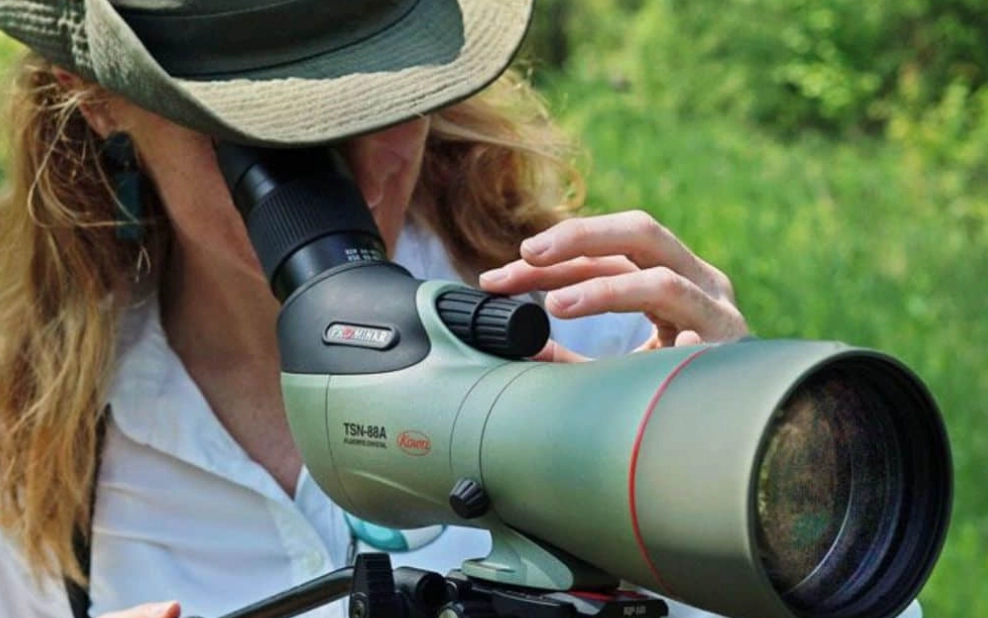 Can I really use my smartphone for digiscoping, and will the quality be good?
Absolutely, and it can be surprisingly good for ID documentation and sharing. The key is a solid adapter and practice. Use your phone's main camera (not the selfie cam), clean both the phone lens and scope eyepiece, and use the phone's volume button or a timer to snap the photo without touching the screen. For distant birds, the quality won't match a DSLR, but for a bird 50 feet away, you can get fantastic feather detail. It's revolutionized note-taking in the field.
Is waterproofing and fog-proofing (nitrogen purging) necessary?
For birding, it's non-negotiable. You will be in damp meadows, light rain, and moving between cold mornings and warm days. If moisture gets inside the scope, the optics are ruined. Every quality birding scope is fully sealed and purged. Don't even consider a scope that doesn't advertise this feature.
How important is the warranty for a birding scope?
It's a huge factor. You're using expensive gear outdoors. Accidents happen. Brands like Vortex with their VIP Unlimited Unconditional Warranty, or Swarovski's and Kowa's long-term guarantees, add tremendous value. They mean your investment is protected for decades, not just years. It often justifies choosing one brand over a very similar competitor.
Reader Comments