Let's cut to the chase. If you're asking this question, you're probably looking at a price tag that's $50 to $150 higher than a similar non-waterproof model and wondering if it's just a marketing gimmick. After over a decade of guiding birding tours from the misty coasts of Maine to the humid rainforests of Costa Rica, and after killing a perfectly good pair of binoculars in a sudden downpour years ago, my answer is a resounding yes, for most people. But that "most" is crucial. Whether waterproof binoculars are worth it for you hinges entirely on how and where you plan to use them.
Think of waterproofing not as a luxury, but as a form of insurance. It's the feature that turns your optics from a fair-weather friend into a reliable, all-conditions tool. It's about more than just rain; it's about internal fogging, accidental drops in puddles, and the long-term resilience of your investment.
What's in This Guide?
What "Waterproof & Fogproof" Actually Means (It's Not Just a Label)
First, let's demystify the terminology, because this is where a lot of confusion starts.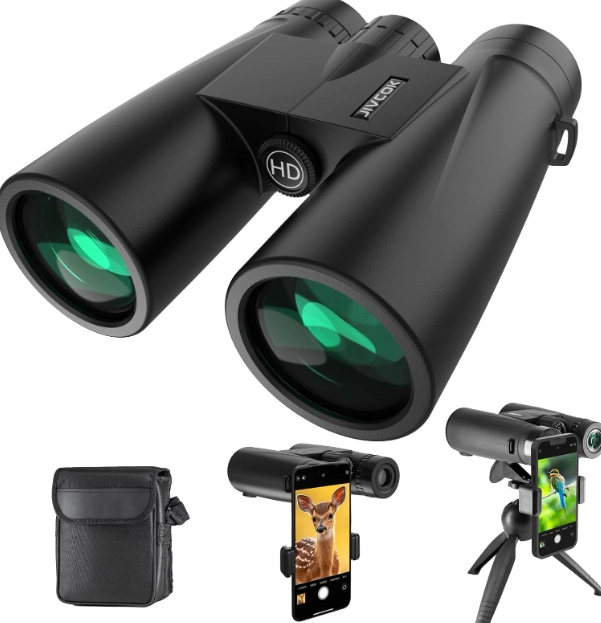
Waterproof (IPX7 Rating): This isn't just "water-resistant." A true waterproof rating, like IPX7, means the binoculars can be submerged in one meter of water for 30 minutes without leakage. In real-world terms, it means they can survive a torrential downpour, being dropped in a stream, or getting splashed by a wave. The housing is sealed with O-rings.
Fogproof (Nitrogen/Purged): This is arguably the more important half of the equation. Fogproof binoculars are purged of internal air and filled with an inert gas like nitrogen or argon. Why? Moisture in the air inside the tubes is what causes internal fogging when temperatures change rapidly—like when you step from an air-conditioned car into a warm, humid morning. Fogproofing eliminates this permanently. You can't make a binocular fogproof without also making it waterproof, as the sealing process is the same.
When Waterproof Binoculars Are Absolutely Worth It
If your activities fall into any of these categories, consider waterproofing non-negotiable.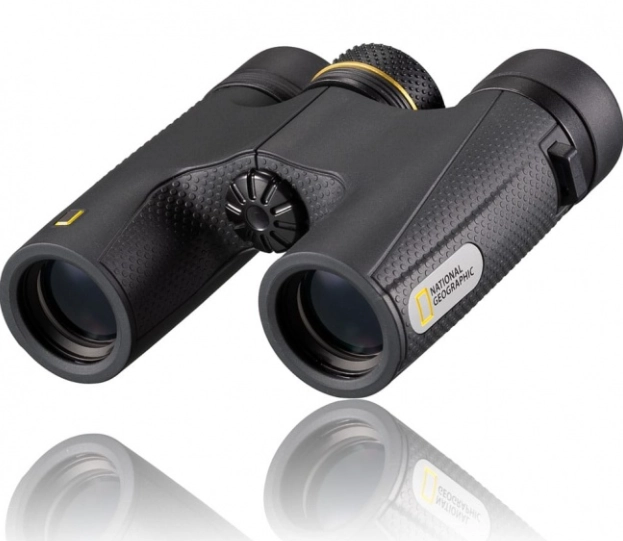
You're On or Near the Water
This is the most obvious one. Kayaking, canoeing, sailing, fishing, whale watching. Salt spray and the constant threat of a capsize or a big wave make waterproof optics essential. I've watched a fisherman's non-waterproof binoculars die a slow, salty death over a single season of coastal use.
You Birdwatch or Observe Wildlife Seriously
Serious birding means going out in all weather. Ducks look better in the rain, and migrations don't pause for sunshine. Your binoculars will be exposed to rain, snow, and the high humidity of marshes and forests at dawn. A report by Birds Canada on birder habits consistently shows that dedicated observers rank durability and weatherproofing as top priorities. Fogging up at the moment a rare warbler appears is a special kind of frustration.
You Travel to Diverse or Unpredictable Climates
Heading to the tropics? A rainforest? The mountains? These environments have wild swings in humidity and temperature. That fogging issue isn't just an annoyance; it can sideline your viewing for hours. Waterproof binoculars are a reliable travel companion.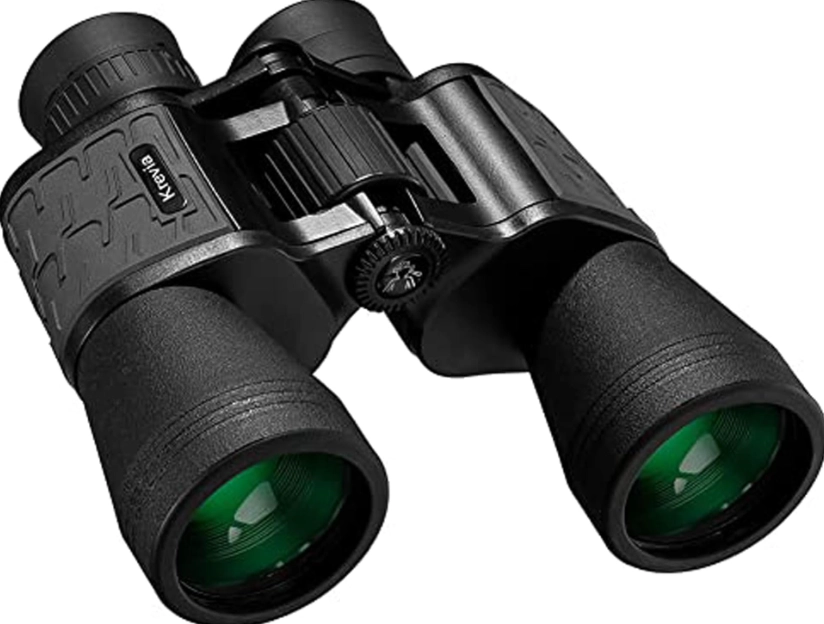
You View It as a Long-Term Investment
Good binoculars, even entry-level ones, are a purchase you should expect to last 10+ years. The sealing in waterproof models does more than keep water out; it keeps dust, dirt, and moisture from degrading the internal prisms and lenses over time. It fundamentally increases the lifespan and resale value of the instrument.
Waterproof vs. Non-Waterproof: The Honest Side-by-Side
Let's lay it out clearly. This table isn't about good vs. bad, but about matching the tool to your specific job.
| Feature / Consideration | Waterproof & Fogproof Binoculars | Non-Waterproof (Water-Resistant) Binoculars |
|---|---|---|
| Core Protection | Sealed with O-rings, nitrogen-purged. Can withstand immersion, heavy rain, internal fogging. | Basic seals may resist light splashes. Cannot withstand submersion. Will fog internally with temp shifts. |
| Ideal User | Boaters, fishermen, serious birders, hikers, travelers, hunters, anyone in humid/wet climates. | Casual users for dry climates, stadium events, theater, occasional backyard wildlife viewing in fair weather. |
| Durability & Lifespan | Generally more robust build. Sealing protects internals from contaminants, leading to a longer functional life. | More susceptible to internal dust/moisture accumulation over years, which can degrade optical performance. |
| Price Point | Typically carries a premium. You're paying for the sealing process and more durable construction. | The most budget-friendly option. Allows for higher optical quality at a lower price if weatherproofing is sacrificed. |
| Weight & Feel | Often slightly heavier due to more robust housing and seals. The focus wheel may feel stiffer (a sign of good sealing). | Can be lighter. The focus wheel often turns with less resistance. |
| Peace of Mind | High. You don't need to constantly watch the weather forecast or panic about a sudden shower. | Low in unpredictable conditions. You are actively managing the risk to your gear. |
The takeaway? If your binoculars will ever leave a climate-controlled environment for real outdoor use, the scale tips heavily towards waterproof models.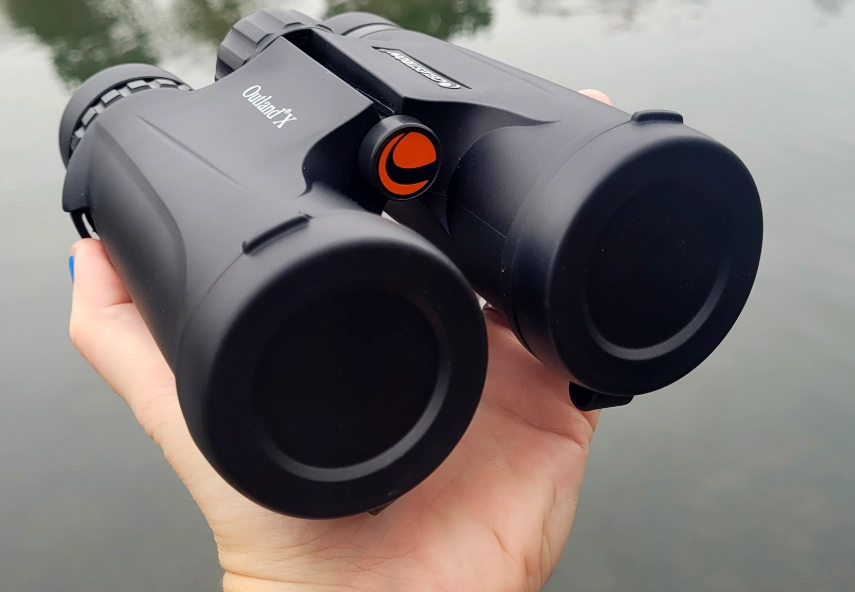
How to Choose the Right Waterproof Binoculars for You
Okay, you're convinced. Now, how do you pick? Don't just buy the first "waterproof" label you see.
1. Set Your Budget Realistically. True waterproof binoculars start around $100-$120 for decent entry-level models (think brands like Celestron or Bushnell). The sweet spot for quality and durability for most enthusiasts is between $200 and $500 (Nikon, Vortex, Kowa). Beyond that, you're in premium territory (Swarovski, Zeiss).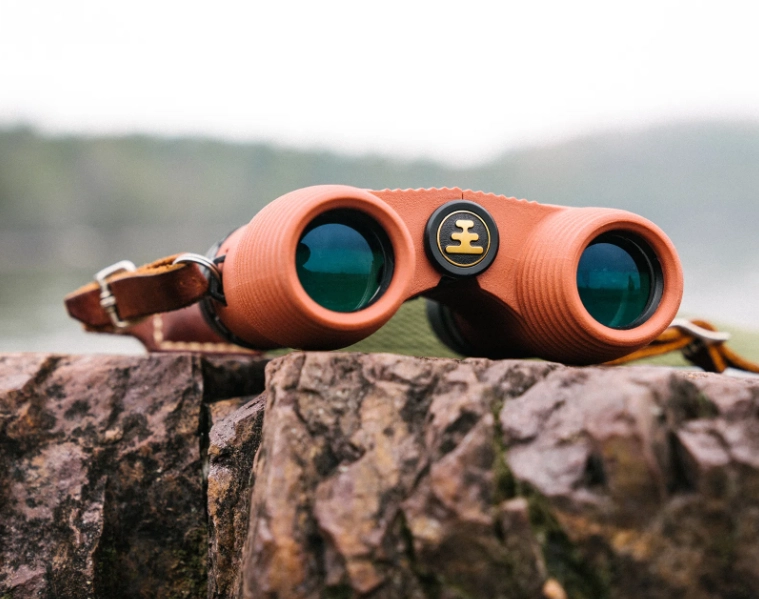
2. Match the Specs to Your Activity.
Magnification & Objective Lens (e.g., 8x42): For general use, including birding and boating, 8x42 is the gold standard. It offers a bright image, a wide field of view, and steady viewing. 10x42 is great for long-distance but can be shakier. For compactness on a kayak, consider a 8x32 or 10x28.
3. Feel the Focus Wheel. This is a hands-on test. A well-sealed waterproof binocular will have a focus wheel that turns smoothly but with a deliberate, slightly damped resistance. If it feels loose, gritty, or too easy, the seals might not be top-notch. A stiff wheel isn't always bad—it often indicates robust sealing.
4. Check the Warranty. A company's warranty speaks volumes about their confidence in the waterproofing. Vortex's VIP unlimited lifetime warranty is legendary, covering even accidental damage. Nikon and others offer strong 25-year to lifetime warranties. A short warranty on a "waterproof" model is a red flag.
5. Consider the Coatings. Fully multi-coated lenses are a must. They maximize light transmission, which is critical in the low-light conditions where you often find yourself when it's wet or foggy.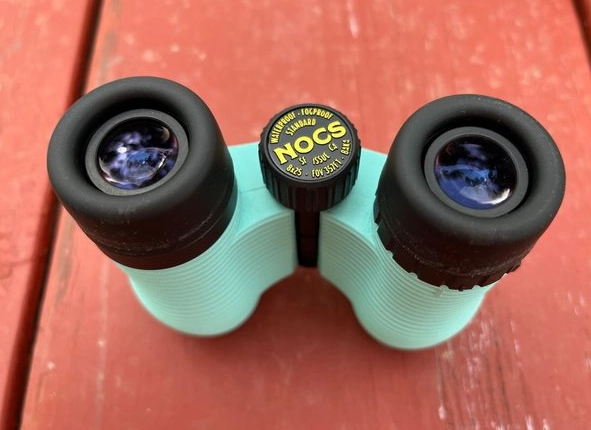
Your Questions, Answered (Beyond the Basics)
I mostly use binoculars from my car or backyard. Is waterproofing overkill?
It might be. If your optics never face rain, humidity, or temperature shocks, you can safely allocate more of your budget to optical quality (better glass, coatings) rather than sealing. However, consider this: leaving binoculars in a hot car, then bringing them into a cool house can cause condensation on the outside of the lenses, which is annoying but dries. The real risk of internal fogging is lower if they stay in a stable environment.
Can I just use a waterproof case or sleeve instead?
You can, and it's better than nothing for storage or transport. But it's a clumsy solution during active use. Fumbling with a case while trying to spot a diving osprey is impractical. More importantly, a case does nothing to prevent internal fogging, which is the more common and debilitating problem. The protection is not integrated or immediate.
Are all waterproof binoculars equally waterproof?
No. The IPX7 rating is a specific standard, but build quality varies. A $120 model and a $1200 model may both be IPX7, but the premium model will likely use higher-grade O-rings, more precise machining, and better quality control to ensure that seal remains intact after years of use, focus wheel adjustments, and minor impacts. The warranty is your best indicator of long-term confidence.
I bought waterproof binoculars, and they still got moisture inside. What happened?
This is a serious failure. First, ensure it's internal moisture (between the lenses) and not external condensation. If it's internal, it means the seal has been compromised—perhaps from a hard impact, a worn O-ring, or a manufacturing defect. This is a warranty claim. Do not try to open them yourself; you'll void the warranty and likely make it worse.
What's the biggest mistake people make with waterproof binoculars?
Assuming "waterproof" means "indestructible." They are not pressure-washer proof. The seals can degrade over a decade or more. Avoid storing them in extreme heat (like a car trunk in summer), which can dry out and crack O-rings. Rinse them with fresh water after exposure to salt spray or sand, and dry them gently with a soft cloth. They're tough, but they still deserve basic care.
So, circling back to the original question: Are waterproof binoculars worth it? For anyone who considers their binoculars a piece of essential gear for exploring the natural world, the answer is a definitive yes. The premium you pay is for reliability, durability, and the freedom to explore without anxiety. It transforms your binoculars from a fair-weather accessory into a trusted piece of equipment that's ready when you are, come rain, shine, or misty dawn.
Skip the waterproof feature only if your use is strictly casual, controlled, and you're on an extremely tight budget where every dollar must go to the lens. For everyone else, it's one of the smartest investments you can make in your viewing pleasure.
Reader Comments