You're out on the trail at dawn, the air is crisp, and you finally spot the rare warbler you've been chasing for weeks. You raise your binoculars, and... a milky haze obscures the view. The lenses are completely fogged up. That sinking feeling is universal among birders, hunters, and outdoor enthusiasts. Fogged binocular lenses aren't just annoying; they render your expensive gear useless at the worst possible moment. The good news? Cleaning fog off your binoculars isn't magic, but it does require knowing exactly what you're dealing with. Is it external condensation, or something more serious like internal fogging? Using the wrong method can permanently damage the lens coatings. Let's clear the air.
What You'll Learn in This Guide
The Right Tools for the Job (And What to Avoid)
Before you touch those lenses, get your kit together. Using a t-shirt or paper towel is a classic mistake I see all the time. Those materials can harbor tiny, hard particles that act like sandpaper on delicate anti-reflective coatings. Here’s what you should have on hand instead.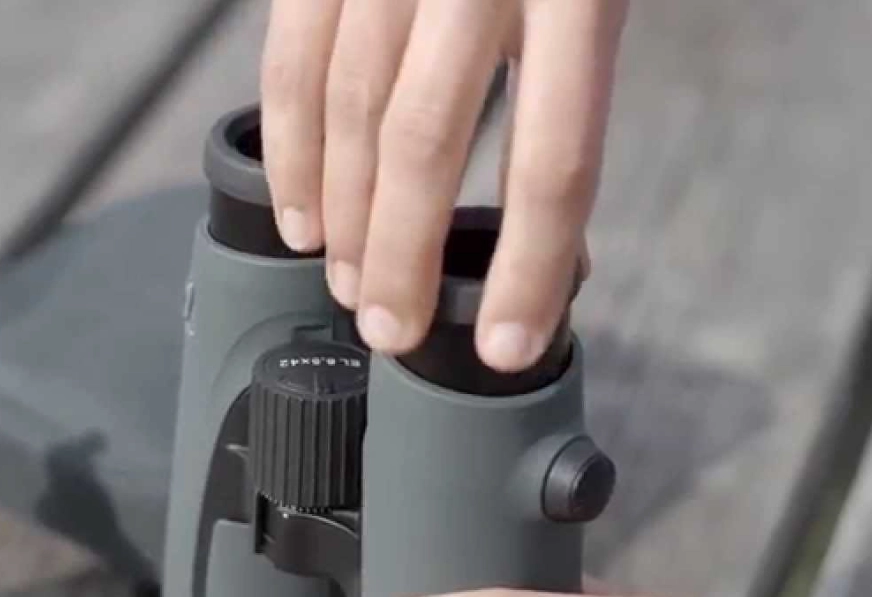
| Tool | Purpose | Pro Tip / Warning |
|---|---|---|
| Lens Cleaning Brush (Blower Brush) | First step. Removes loose dust and sand particles before any wiping. | Always blow or brush first. Wiping dust grinds it into the coating. |
| Microfiber Lens Cloth | The only fabric that should touch the glass. Lint-free and ultra-soft. | Keep it in a sealed bag when not in use. Wash it alone, without fabric softener. |
| Lens Cleaning Solution | For fingerprints, smudges, and stubborn water spots. Breaks down oils. | Must be formulated for coated optics. No Windex, no alcohol, no vinegar. |
| Silica Gel Packs | Not for cleaning, but for prevention. Absorbs moisture in your storage case. | The unsung hero of binocular care. Replace or reactivate them every few months. |
What NOT to use: Your breath (to "fog and wipe"), paper towels, facial tissues, cotton balls, shirt tails, ammonia-based cleaners (Windex), rubbing alcohol, or compressed air cans (which can blast contaminants into the moving parts). These can strip coatings, leave lint, or force moisture inside.
How to Clean External Lens Fog and Condensation
This is the most common scenario. You go from a warm car into cold air, or your face heats up the eyepieces. Moisture condenses on the outside of the lenses. Here's the safe, step-by-step process.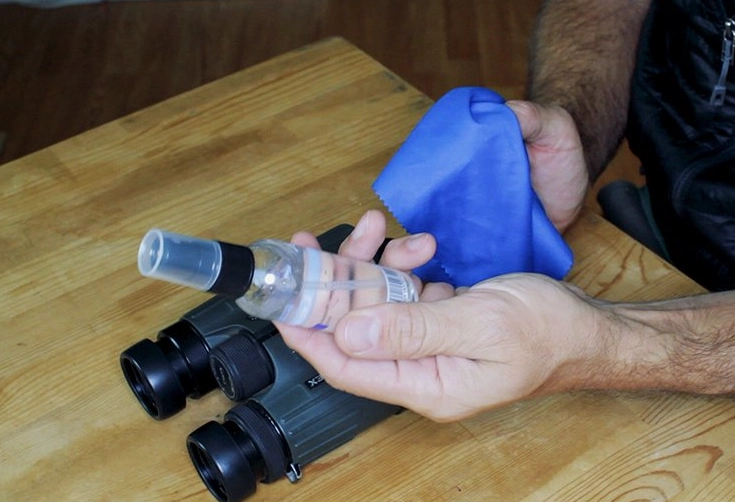
Step 1: Let Them Acclimate (If You Can)
If you have time, just wait. As the binoculars adjust to the ambient temperature, the external fog will often evaporate on its own. This is the safest method because it involves zero contact. I've learned to pack my binoculars in their case outside my jacket to minimize this temperature shock in the first place.
Step 2: The Dry Method for Light Fog
If waiting isn't an option, use your blower brush to gently remove any loose debris. Then, take a clean, dry microfiber cloth. Gently dab (don't rub) at the moisture. Start from the center and move outward in a spiral. The goal is to absorb the water, not smear it around. Often, this is all you need.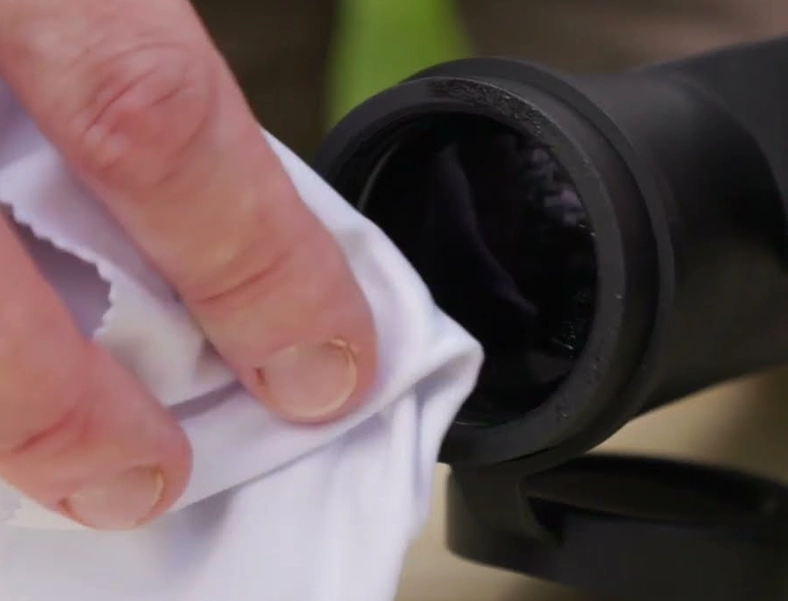
Step 3: The Solution Method for Smudges or Heavy Condensation
For stubborn droplets or if the fog is mixed with fingerprints, you need a proper lens cleaning fluid.
- Never spray directly on the lens. The liquid can seep past the lens seals.
- Put a drop or two of the solution onto the microfiber cloth.
- Gently wipe the lens in a circular motion, using minimal pressure.
- Use a dry portion of the cloth to immediately buff the lens to a clear, streak-free finish.
A trick I picked up from a camera repair tech: fold your microfiber cloth into a small pad. Use one side for the initial wet pass, then flip to a fresh, dry side for the final buff. This prevents you from just moving the moisture around.
The Real Deal on Internal Fogging and Condensation
This is the scary one. You see moisture, dust, or even fungus inside the binoculars, between the lenses. This means the nitrogen purging and O-ring seals have failed. It's a different beast entirely.
You cannot clean this yourself. I repeat, do not try to take apart your binoculars. The alignment (collimation) is extremely precise and requires specialized tools. Disassembling them will almost certainly ruin the optical alignment, giving you double vision and headaches.
Internal fogging means one of two things:
- Your binoculars are not waterproof/fog-proof. Older or very cheap models may just have basic seals.
- The seals on your waterproof binoculars have degraded. This happens with age, extreme temperature cycles, or physical damage.
The only solution is to send them to the manufacturer or a qualified optical repair shop. They can re-purge the chambers with dry nitrogen and reseal them. If your binoculars are under warranty, this is usually covered. If they're old and the cost of repair is high, it might be time for an upgrade. Brands like Nikon, Vortex, and Zeiss often have excellent repair programs, as noted on their official service pages.
How to Prevent Your Binoculars from Fogging Up Again
An ounce of prevention is worth a pound of cure, especially with optics.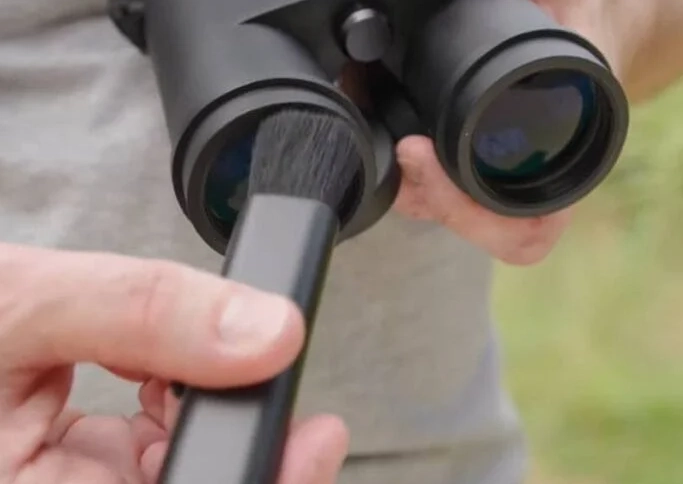
Storage is Key: Never leave them in a hot car, a damp basement, or a steamy bathroom. Store them in their case with a couple of silica gel packs. I throw the little packs that come with new shoes or electronics right into my gear cases.
The Case Matters: A hard case offers more protection, but a soft, padded case that breathes a little is often better for preventing moisture buildup if you store them in a closet.
Acclimatize Gently: When moving from extreme temperatures, try to let your binoculars adjust slowly. Don't pull them out of a warm backpack into a freezing wind immediately.
Regular Maintenance: Get in the habit of giving the lenses a quick, proper clean after each major outing. This prevents grime from building up and becoming harder to remove later.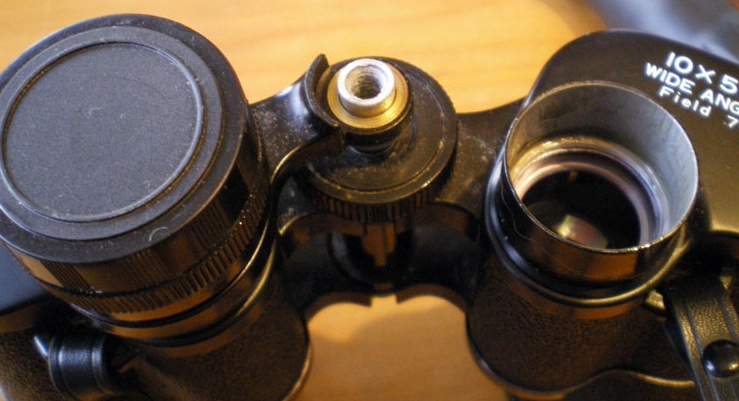
Reader Comments