You're out there, binoculars in hand, hoping to add a rare warbler to your life list. The excitement is real. But then you see another birder getting way too close, maybe even playing a call on their phone to lure it out. It feels wrong, doesn't it? That gut feeling is where Audubon birding ethics begin. It's not a set of annoying rules designed to ruin your fun. It's the shared language of respect—for the birds, their homes, other birders, and the land itself. Following these principles is what separates a mere observer from a true steward of nature. Let's break down what this really means when your boots are on the trail.
Your Quick Guide to Ethical Birding
What Are the 7 Principles of Audubon Birding Ethics?
The National Audubon Society, along with other major organizations, outlines core guidelines. Think of them as the foundation. A lot of articles just list them and move on. I want to tell you where most beginners, and even some experienced folks, quietly mess up.
| Principle | What It Means | The Common Pitfall (What People Get Wrong) |
|---|---|---|
| 1. Promote the welfare of birds and their environment. | Birds come first. Always. Your actions should never cause stress, harm, or alter their natural behavior. | Chasing a bird for a better photo or view until it's constantly fleeing. That's harassment, even if you don't touch it. |
| 2. Respect the law and the rights of others. | Follow all wildlife laws (like the Migratory Bird Treaty Act). Don't trespass. Be polite to landowners, other birders, and recreationists. | Assuming a trail is public because it's on a mapping app like eBird. You must know land ownership and access rules. |
| 3. Ensure that feeders, nest structures, and other artificial bird environments are safe. | If you maintain feeders, clean them regularly to prevent disease. Keep nest boxes predator-proof. | Letting feeders become moldy or putting them too close to windows, causing collisions. |
| 4. Group birding requires special care. | In groups, individual actions are amplified. Leaders must set a strong ethical example and keep the group controlled. | A large group surrounding a single tree, talking loudly. This creates a massive disturbance zone. Spread out and use quiet signals. |
| 5. Limit the use of recordings and other audio methods. | Playback can stress birds, waste their energy, and disrupt breeding. It's a major point of debate. | Using playback frequently in the same area, especially during nesting season. It's often overused as a crutch. |
| 6. Stay on roads, trails, and paths to avoid disturbing sensitive habitat. | Protect plants and soil. Trampling vegetation destroys cover and food sources for birds and insects. | Going off-trail "just a few feet" to get a clearer shot. Those few feet add up across hundreds of birders. |
| 7. Lead by example and share these principles with others. | Ethics are contagious. Gently educate new birders you meet. It's about building a better community. | Seeing unethical behavior and saying nothing. A polite, "Hey, I've read that getting closer can really stress them out," can work wonders. |
The non-consensus point? Principle #5 on playback is the biggest grey area. Many experts now advocate for a near-total ban on its use by the general public, except in very specific, controlled research contexts. The temptation is high, but the negative impacts—territorial disputes, wasted energy, abandoned nests—are often invisible to the user. My personal rule after 15 years: I don't use it. I've found more satisfaction in patiently learning bird behavior and habitat to find them naturally.
How to Practice Audubon Birding Ethics in the Field
Okay, principles are nice, but what do you actually do? Let's walk through a typical birding scenario.
Scenario: You Find a Nesting Bird
This is a critical test. The urge to see eggs or chicks is powerful. Here's your step-by-step mental checklist:
- Observe from a Distance: Use your binoculars or scope. If the parent bird notices you and starts giving alarm calls (sharp, repetitive chips) or acting agitated, you're too close. Back up immediately.
- Minimize Your Time: Take a quick mental note or a very distant photo, then leave. Don't set up a chair. Your prolonged presence signals predators to the nest location.
- Never Touch or Rearrange: It's not just about the law. Your scent can attract predators. Even "tidying up" nearby brush can expose the nest.
- Be Discreet with Information: Think carefully before publicly posting a nest location on social media or even detailed eBird pins. Consider using the "private" location option to protect sensitive sites.
I once watched a well-meaning photographer spend an hour near a screech-owl nest hole. The owl never entered to feed its young the entire time. That's a direct, observable cost of our presence.
Respecting Other People on the Trail
Ethics aren't just for birds. If you're on a mixed-use trail:
- Step aside for hikers and bikers. Don't make the natural world feel exclusive.
- Keep voices low. You'll hear more birds, and you won't ruin the experience for others seeking solitude.
- If you find a rare bird (a "mega"), manage the crowd. If others arrive, briefly share the view, then suggest everyone back up to a respectful distance together. This prevents the bird from being surrounded.
Navigating Bird Photography Ethics
This is where conflicts explode. The drive for the perfect shot can override common sense.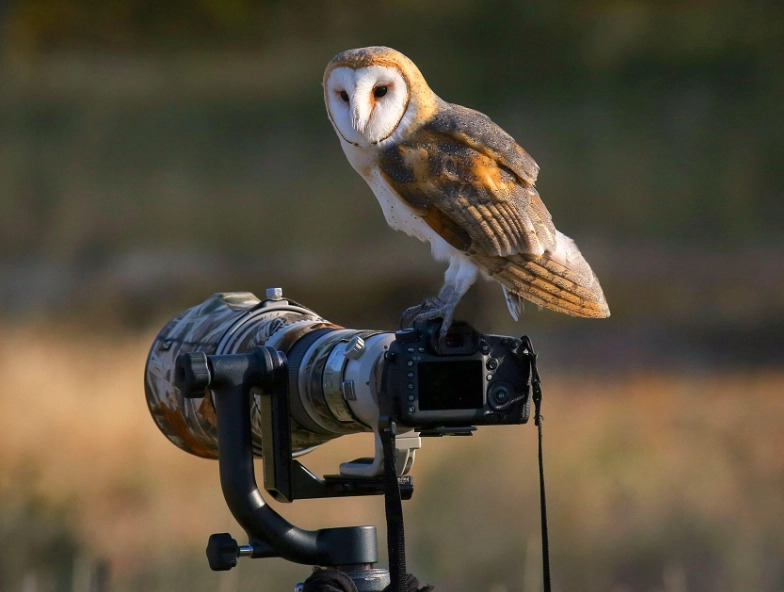
The Golden Rule: No photograph is worth compromising a bird's welfare. Full stop.
Specific pitfalls to avoid:
- Baiting Owls with Live Pets: This horrific practice still happens. It's unequivocally unethical and often illegal.
- Getting Too Close to Raptors in Winter: Birds like owls are already stressed in cold weather. Flushing them forces them to burn crucial fat reserves.
- Using Flash on Nocturnal Birds: It can temporarily blind them, making them vulnerable.
- "Gardening" Habitat: Don't break branches or clear leaves to get a cleaner shot. You're destroying the bird's home for your portfolio.
A better approach? Invest in a longer lens (a 400mm is a good start) and practice fieldcraft. Learn to use natural blinds, understand bird paths, and embrace the challenge. A slightly more distant, natural-behavior shot is always more rewarding than a tight portrait of a stressed subject.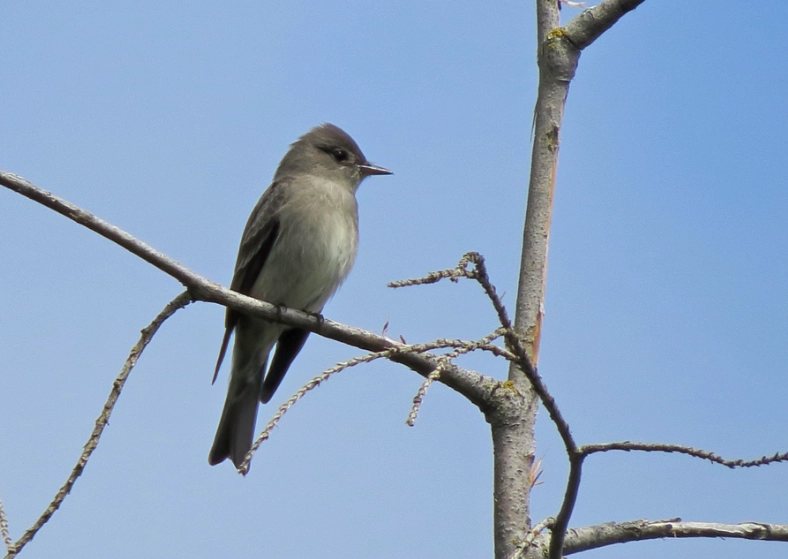
Your Ethical Birding Questions Answered
Can I use playback to attract a bird just once, if I'm really careful?
The problem is scale. If every birder thinks "just once," that bird could face dozens of intrusions a day during peak migration. The stress is cumulative. Rely on patience and observation skills instead. You'll become a better birder for it.
What should I do if I see another birder clearly harassing a bird?
Confrontation rarely helps. Try a friendly, educational approach. You could say something like, "Amazing bird, isn't it? I'm trying to give it space so it doesn't fly off—it's tough to balance getting a good look with not disturbing them." This frames it as a shared challenge rather than an accusation. If the behavior is egregious (like chasing or handling a bird), you may need to report it to a local park ranger or wildlife officer.
Are there places where Audubon birding ethics are legally enforced?
Yes. Many protected areas like National Wildlife Refuges have specific regulations that codify these ethics. Disturbing wildlife, going off-trail in sensitive zones, or using playback can result in fines. Always check the specific rules for the area you're visiting. The Audubon Society's website and local chapter pages are great resources for guidelines specific to sanctuaries they manage.
How do ethics apply to "yard birding" or my own feeder?
You have a direct responsibility. Keep feeders clean (a bleach solution monthly). Place them either within 3 feet of a window or more than 30 feet away to prevent collisions. Don't use pesticides in your yard—those poisoned insects are bird food. Turning your yard into a safe habitat is one of the most practical applications of birding ethics.
Is it ethical to share bird locations on apps like eBird?
Generally, yes—it's vital for science. But use the tools wisely. For sensitive species (nesting raptors, rare ground-nesters), use the "private" location mask. You can still submit the data for research without broadcasting the exact coordinates to thousands of people. Consider a time delay if reporting a very rare bird on a hotline.
Following Audubon birding ethics isn't about perfection. It's about conscious effort. It's asking yourself, "Is my action for the bird's benefit or solely for mine?" When we prioritize the welfare of the birds we love to watch, we ensure they thrive for generations of birders to come. That's the real goal—a healthy list on a healthy planet.
Reader Comments