You’re standing at the edge of a marsh, your trusty binoculars in hand. A distant speck on a post resolves into a raptor. Is it a harrier? A falcon? You strain your eyes, but the details are just… fuzzy. That’s the moment the question hits you: is it worth buying a spotting scope?
I’ve been there. After fifteen years of birding, from local patches to remote coasts, I’ve lugged scopes up hills and regretted it, and I’ve left them in the car only to kick myself. The answer isn't a simple yes or no. It’s a solid “it depends,” and this guide will walk you through exactly what it depends on. We’ll skip the marketing fluff and talk about real-world use, hidden costs, and the mistakes I see beginners make all the time.
What’s Inside This Guide
The Core Question: Spotting Scope vs. Binoculars
Think of your binoculars as your primary tool—versatile, quick, and essential. A spotting scope is a specialized instrument. The main difference is magnification and stability.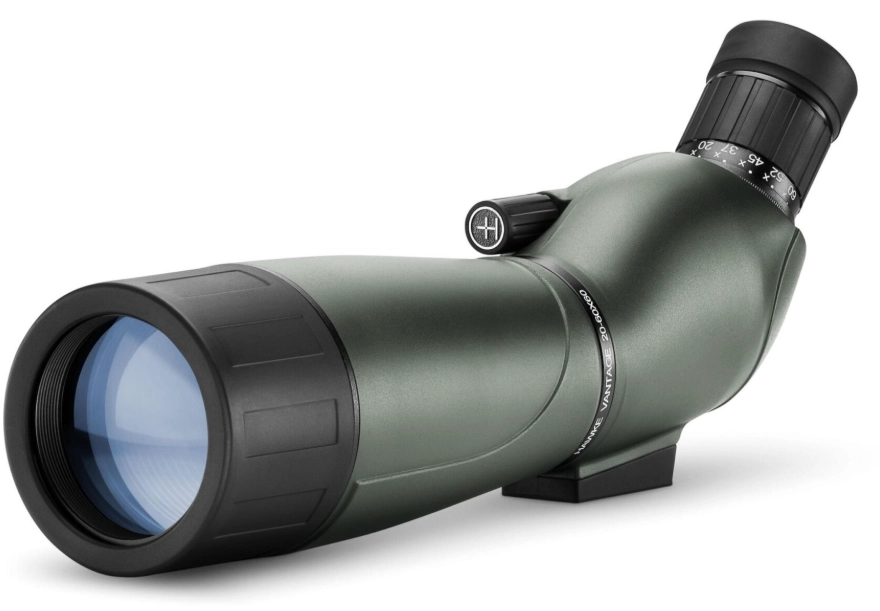
Binoculars typically magnify 8x or 10x. You hold them with your hands. A spotting scope starts around 15x and can go beyond 60x. You cannot hand-hold it effectively; it requires a tripod. That tripod is not an optional accessory—it’s part of the scope system.
Here’s the trade-off in a nutshell:
| Feature | Binoculars (e.g., 8x42) | Spotting Scope (e.g., 20-60x80) |
|---|---|---|
| Magnification | Low to Medium (8x-12x) | High to Very High (15x-80x) |
| Field of View | Wide. Easy to find and follow birds. | Narrow. Finding the bird is a skill. |
| Portability & Speed | Excellent. Grab, lift, look. | Poor. Set up tripod, mount scope, adjust. |
| Best For | General birding, forests, moving birds. | Distant, stationary subjects: shorebirds, waterfowl, raptors on a perch. |
| Typical Price Point (Good Quality) | $200 - $1,000 | $500 - $2,000 (scope + tripod) |
If your birding is mostly in wooded areas or you’re tracking warblers in canopy, a scope is borderline useless. But if you spend hours scanning a reservoir or a coastal mudflat, it becomes indispensable.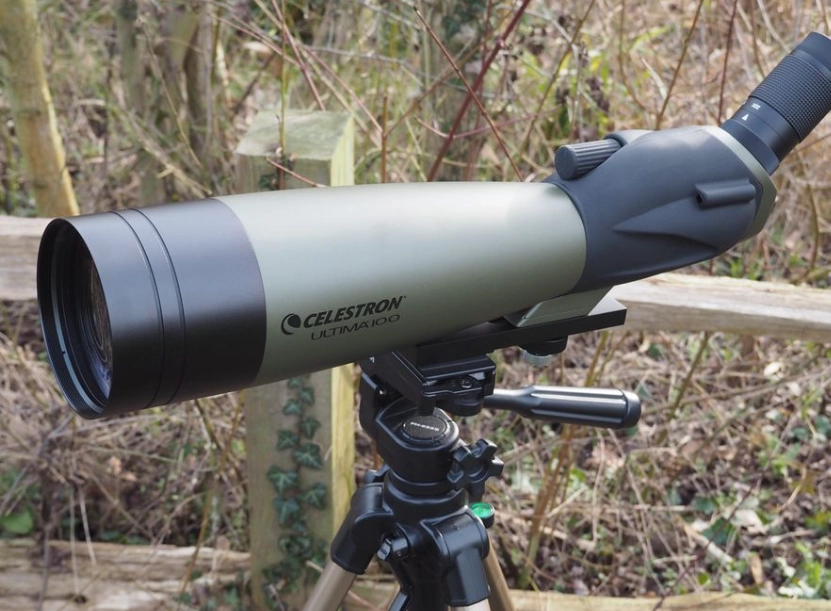
Who Really Needs a Spotting Scope? (3 Key Use Cases)
Based on my experience, a scope pays for itself in three specific scenarios.
1. The Shorebird and Waterfowl Enthusiast
This is the classic use case. Identifying a Semipalmated Sandpiper from a Western Sandpiper at 100 yards requires seeing bill shape and leg color. Binoculars won’t cut it. A scope turns a muddy blur into a clear, identifiable bird. If your favorite birding spots are coastal wetlands, lakes, or large rivers, a scope is almost mandatory for serious identification.
2. The Raptor Watcher or Hawk Counter
At a dedicated hawk watch site, like those monitored by the Hawk Migration Association of North America, a scope is the primary tool. It’s used to confirm the identity of distant, soaring birds—is that a Sharp-shinned or a Cooper’s hawk? The subtle differences in tail shape and flight style demand high magnification.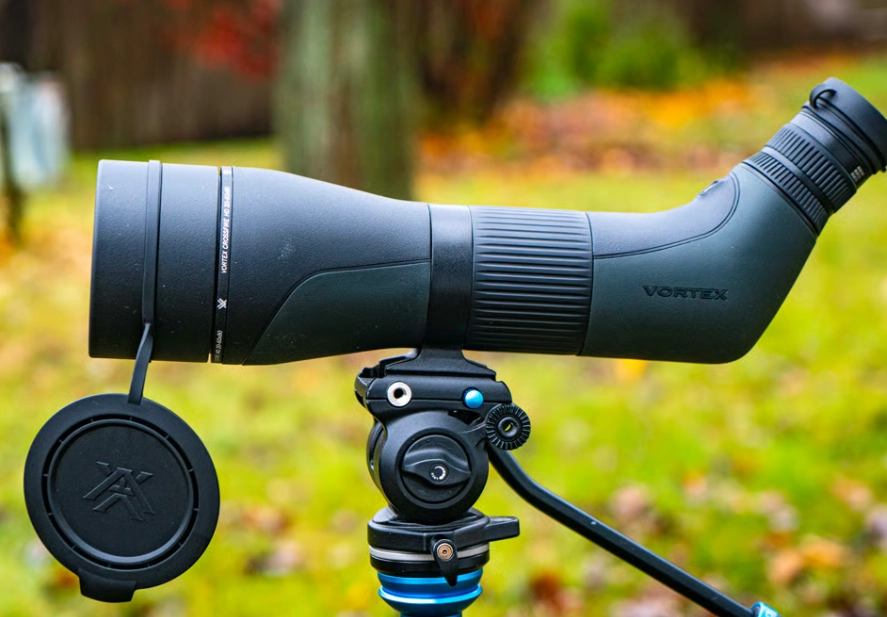
3. The “Lister” or Rare Bird Chaser
When a rare bird shows up, the details matter for a confirmed record. A scope allows you to document key field marks for a report to eBird or your local records committee. It’s also crucial for scanning vast areas, like a sea horizon for pelagic birds, where binoculars simply don’t have the reach.
The Hidden Costs & Annoyances Nobody Talks About
Budgets often focus on the scope itself. That’s a mistake. The true cost is a system.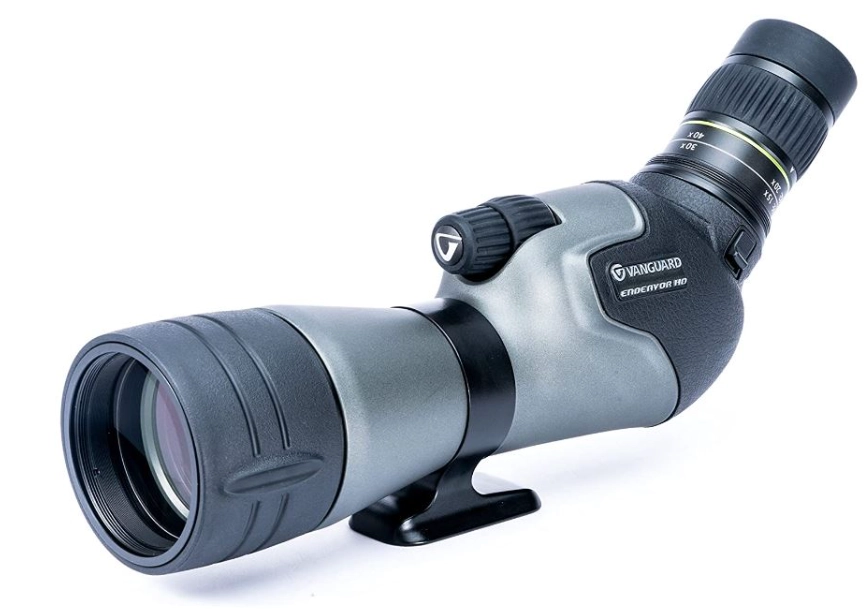
The Tripod: A $1,000 scope on a $50 flimsy tripod is a $1,000 waste of money. Vibration will ruin the view. A decent, stable tripod for birding starts around $150-$300. Brands like Manfrotto or Benro offer good entry-level options. You need something that won’t shake in a breeze.
The Head: The tripod needs a fluid head for smooth panning and tilting. A photo ball head is frustrating for tracking birds. A good fluid head adds another $80-$200.
The Weight & Bulk: My first scope kit added nearly 10 pounds to my pack. On a 5-mile hike, you feel every ounce. It changes how you bird, making you less mobile and more likely to set up in one spot. Modern carbon fiber tripods help but are expensive.
The Learning Curve: Finding a tiny bird in a narrow scope view is a skill. New users often get frustrated, swinging the scope wildly and losing the bird. The trick is to use your binoculars to locate the bird first, then, without moving your head, swing the scope (already on the tripod at roughly the right height) into your line of sight.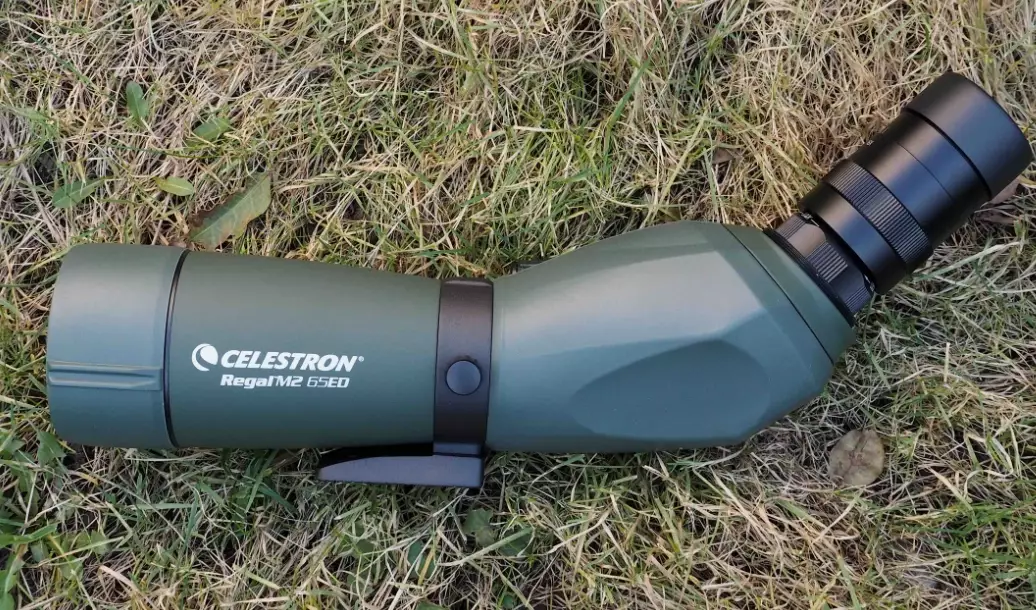
How to Choose the Right Spotting Scope: A Practical Framework
If you’ve decided a scope is for you, here’s how to navigate the options without paralysis.
First, choose your prism type: There are two main optical designs: Porro and Roof. Roof prism scopes are slimmer, lighter, more durable, and generally more expensive. Porro prism scopes are bulkier but often offer better optical quality for the price. For a birder who’s rough on gear, a roof prism is the safer bet.
Second, decide on zoom vs. fixed magnification: An angled zoom eyepiece (e.g., 20-60x) is the most versatile choice for 95% of users. Fixed wide-angle eyepieces (e.g., 30x) give a brighter, wider view but lack flexibility. Start with a zoom.
Third, match the objective lens size to your use:
65mm: Good for travel, lighter. Image dims noticeably at higher magnifications (above 45x).
80-85mm: The sweet spot for most birders. Balances light gathering, detail, and manageable size.
90mm+: Heavy, expensive, but stunning in low light (dawn/dusk). For the dedicated seawatcher or waterfowl counter.
Finally, test with your own eyes. Look through different models in similar conditions. Check for edge sharpness, color fringing (chromatic aberration), and overall “pop.” The view through a top-tier brand like Kowa or Swarovski is breathtaking, but excellent value exists from Celestron, Vortex, or Nikon.
3 Common Mistakes First-Time Buyers Make
I’ve made some of these. I’ve watched friends make all of them.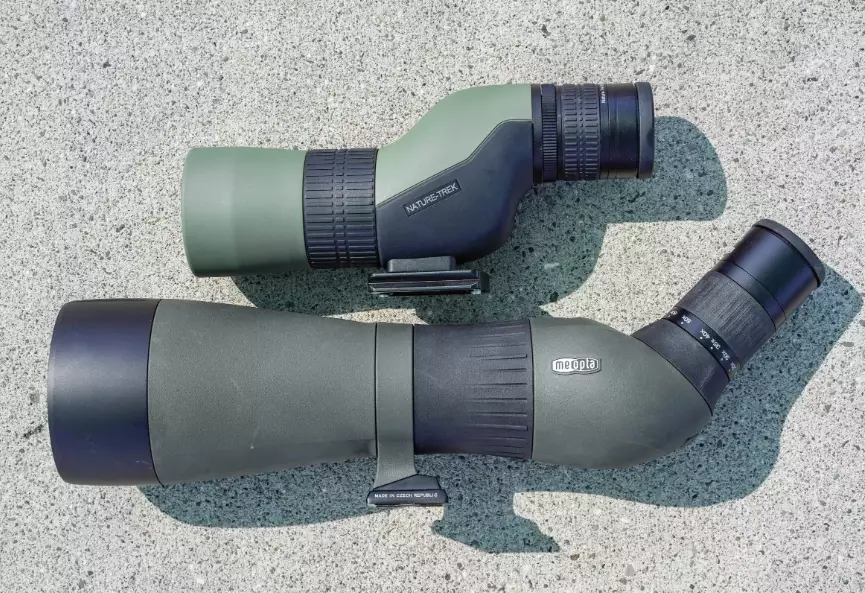
1. Over-prioritizing maximum magnification. A 80mm scope advertised at 80x is mostly a marketing gimmick. The atmosphere on most days (heat haze, dust) limits usable magnification to about 40-50x. At 60x and above, the image is often dim, shaky, and soft. You’ll use the 20-40x range 90% of the time.
2. Buying the scope before the tripod. This leads to the wobbly view problem. Budget at least 1/3 to 1/2 of your scope’s cost for a solid tripod and head combo. It makes more difference than you think.
3. Assuming the most expensive brand is always the answer. Yes, the alpha brands (Swarovski, Zeiss, Leica) are superb. But the gap between a $600 scope and a $2,500 scope is smaller than the gap between no scope and a $600 scope. For many, a mid-range scope is a lifetime investment. Don’t let perfection be the enemy of good, especially if it keeps you from buying a tripod.
Your Spotting Scope Questions, Answered
So, is it worth buying a spotting scope? If your birding regularly involves putting significant distance between you and your quarry—be it on water, open land, or along a coast—then yes, it’s a transformative investment. It unlocks a new layer of detail and discovery. But if your adventures are mostly along wooded trails or your backyard feeder, that money is far better spent on the best binoculars you can afford. A scope isn’t a universal upgrade; it’s a specialized key for a specific lock. Make sure you have that lock before you buy the key.
Reader Comments