You're looking at a spotting scope, maybe online or in a store, and you see a string of numbers like "20-60X60." It looks like code. It might as well be hieroglyphics if you're new to optics. I remember staring at my first scope, a hand-me-down with similar markings, completely baffled. Let's cut through the confusion right now. Those numbers are the most important spec on the box, and understanding them is the difference between buying a tool that frustrates you and one that opens up a new world.
In simple terms, 20-60X60 tells you two things: how much the scope can magnify (20-60X) and how big its front lens is (60mm). But that's just the textbook answer. What you really want to know is what that feels like in the field. Is it good for birds? Will it work at dawn? Do you need a rock-solid tripod? We're going to get into all of that.
What You'll Learn in This Guide
- Magnification Explained: The 20-60X Part
- Objective Lens Size: Why the 60mm Matters More Than You Think
- Zoom vs. Fixed Power: Is a 20-60X Scope Right for You?
- Practical Use Cases: Where a 20-60X60 Scope Shines (and Where It Doesn't)
- Key Specifications Beyond the Numbers
- Your Questions, Answered (FAQ)
Magnification Explained: The 20-60X Part
The "20-60X" is the magnification range. It means the scope has a zoom eyepiece. At its lowest setting, it makes your target appear 20 times closer. Crank it all the way up, and it's 60 times closer. That's a huge range.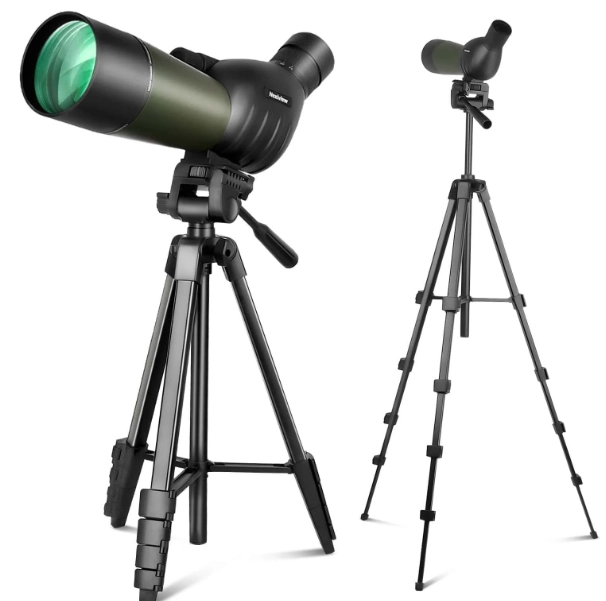
Think of it this way: At 20X, a duck 100 yards away looks like it's just 5 yards away. At 60X, that same duck appears as if it's only about 1.7 yards away. That's the theory. In practice, hitting 60X is often where the problems start for cheaper scopes. The image can get dark, shaky, and fuzzy—a common letdown for beginners who zoom in expecting crystal clarity and get a wobbly mess instead.
Quick Reality Check: Most experienced birders I know, including myself, spend 80% of our time between 20X and 40X. We use 60X sparingly—only in perfect, bright light and on an absolutely stable tripod—to scrutinize fine details like the notch on a gull's bill or the eye-ring on a distant warbler.
How Does Zoom Work on a Spotting Scope?
Inside the eyepiece, lenses move to change the focal length, altering magnification. A good zoom mechanism feels smooth and holds its position. A bad one is stiff, jerky, or worse, drifts slowly on its own. This is a spec you must feel in person or read detailed reviews about; the product description won't tell you.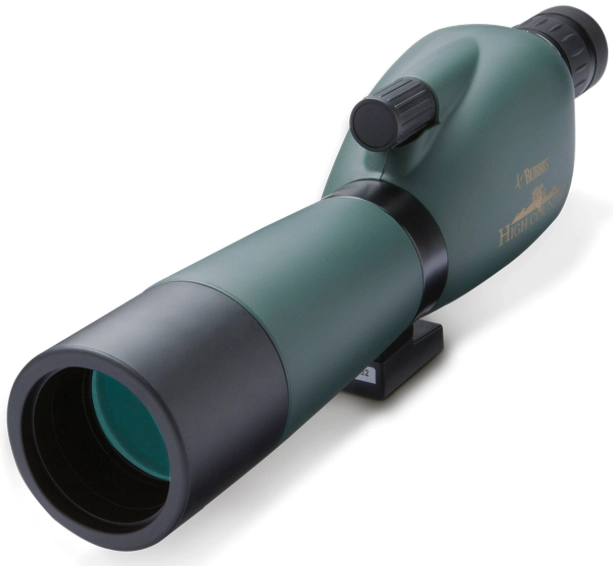
Objective Lens Size: Why the 60mm Matters More Than You Think
The second number, "60," is the diameter of the front (objective) lens in millimeters. This is your light-gathering bucket. A bigger bucket (like 65mm, 80mm, or even 100mm) collects more light, resulting in a brighter image, especially in low-light conditions like dawn, dusk, or under a forest canopy.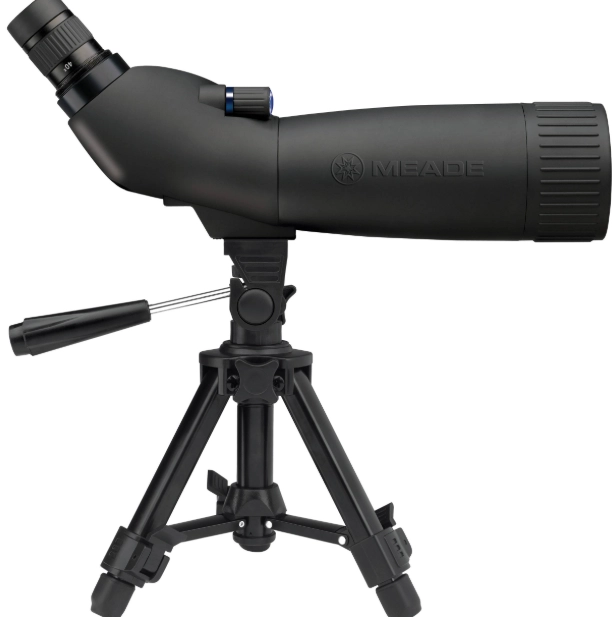
A 60mm lens is a solid middle-ground. It's noticeably better than a 50mm or 55mm scope in dim light, but more compact and lightweight than an 80mm behemoth. Here's a blunt truth many product pages gloss over: The quality of the glass and the lens coatings matter as much as the size. A premium 60mm scope with fully multi-coated lenses can often outperform a budget 80mm scope with poor coatings. The coatings reduce internal reflections and glare, boosting contrast and true color transmission—critical for telling a Bay-breasted from a Cape May warbler in fall plumage.
Zoom vs. Fixed Power: Is a 20-60X Scope Right for You?
This is a major fork in the road. Zoom scopes (like the 20-60X) offer versatility. Fixed-power scopes (like a 30X wide-angle) offer a wider, often brighter field of view. Let's break down the choice.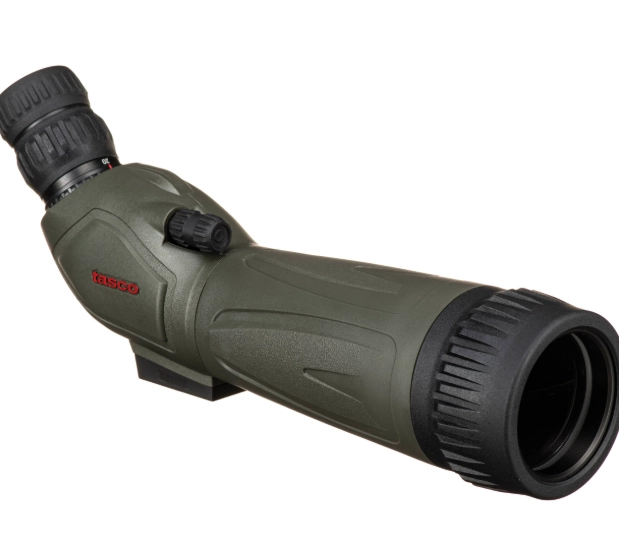
The Case for Zoom (20-60X): You're a generalist. You watch birds, but maybe also look at mammals, scenery, or even the moon. You want one scope to find your subject at lower power (wider field of view) and then zoom in for details. It's the jack-of-all-trades choice. The downside? At its highest zoom, the image is almost always dimmer and the field of view narrower than on a fixed-power eyepiece.
The Case for Fixed Power: You are a dedicated birder who values a bright, immersive view and hates "tunnel vision." Scanning for warblers in a tree is easier with a wide 30X view. You sacrifice the ability to zoom in on detail for a consistently superior viewing experience. Many high-end scope users own both a zoom and a fixed wide-angle eyepiece, swapping them for different tasks.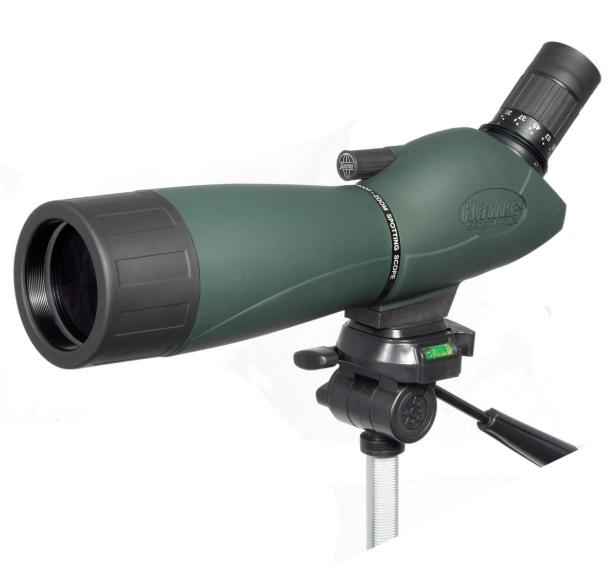
A Common Mistake I See: Newcomers get obsessed with the high number (60X) and think more zoom is always better. They use their scope at 60X all the time, struggle with a tiny, shaky field of view, and conclude birding is hard. Start at low power to find and follow your subject, then zoom in only as much as the light and stability allow.
Practical Use Cases: Where a 20-60X60 Scope Shines (and Where It Doesn't)
Let's get specific. Is this the right scope for your actual plans?
| Activity/Scenario | How a 20-60X60 Performs | Recommendation |
|---|---|---|
| Shorebird & Waterfowl Watching (e.g., coastal marshes, lakes) | Excellent. The zoom range is perfect. Use 20-30X to scan flocks, then zoom to 40-50X to check bill shape, leg color, and plumage detail on stationary birds. | Highly Recommended. A staple for this use. |
| Forest & Songbird Birding (e.g., spring migration in woods) | Challenging. Lower light under leaves demands brightness. The zoom's narrow field of view at high power makes tracking fast-moving warblers tough. | Okay, but not ideal. Use mostly at 20-30X. Consider a scope with a larger objective lens (80mm) for darker woods. |
| Hiking & Backpacking | Good compromise. 60mm scopes strike a balance between performance and weight. The zoom adds versatility without extra eyepieces. | Good choice. Look for a lightweight model. |
| Digiscoping (Attaching a phone/camera) | Variable. Works well at lower magnifications (20-35X). At 60X, camera shake and narrow field of view make it very difficult. | Possible, but requires a sturdy adapter and practice. A fixed-power eyepiece is often easier. |
| Low-Light Dawn/Dusk Observation | Moderate. The 60mm lens gathers decent light, but image will darken significantly at 60X. Stick to lower zoom settings. | Manageable, but an 80mm scope is significantly better for this. |
Key Specifications Beyond the Numbers
"20-60X60" is the headline, but the fine print matters just as much. When comparing models, dig into these specs:
Field of View (FOV): Measured in feet at 1000 yards or degrees. At 20X, you might see 100+ feet. At 60X, it can drop to under 50 feet. A wider FOV at high zoom is a mark of better optical design.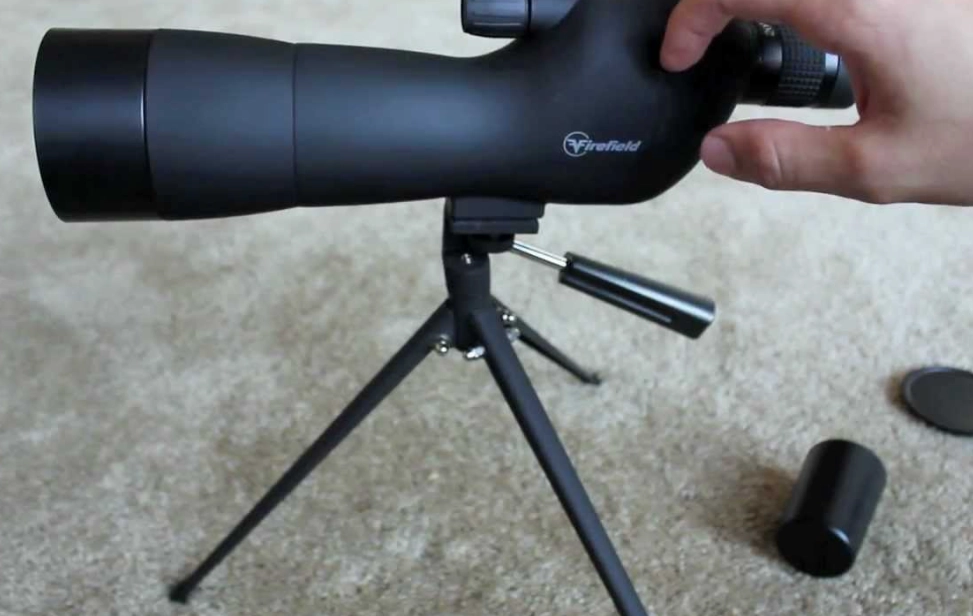
Close Focus: How close can an object be and still be in focus? For butterflies or dragonflies, a close focus under 15 feet is great. Some scopes focus down to 10 feet or less.
Eye Relief: The distance your eye can be from the eyepiece and still see the full image. Crucial if you wear glasses. Look for 15mm or more.
Waterproof & Fogproof Construction: Nitrogen or argon purging prevents internal fogging. This isn't a luxury; it's essential for durability in changing weather.
Don't just trust the marketing. Look for reviews from trusted sources like Cornell Lab of Ornithology's All About Birds tool guides or thorough tests on birding forums. A scope's performance is more than the sum of its numbered specs.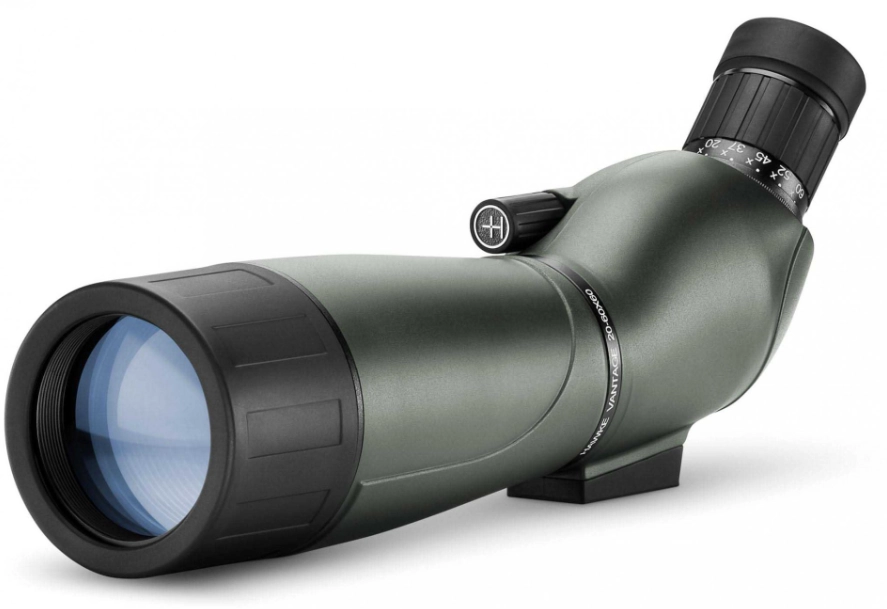
Reader Comments