You pull your trusty binoculars out of the case, ready for a morning of birding, and your hands meet a gross, tacky surface. That once-secure rubber armor now feels like it's coated in old syrup. It's a common problem, and it's not just unpleasant—it can attract dust, degrade the material, and even hint at internal issues if left unchecked. The good news? Cleaning sticky binoculars is straightforward if you know the right materials and steps. This guide walks you through the safe, effective process to remove the stickiness and protect your investment.
Quick Navigation: What You'll Find Here
Why Your Binoculars Get Sticky in the First Place
That sticky feel isn't dirt you can just wipe off. It's a chemical breakdown of the rubber or synthetic polymer coating (often called "rubber armor") that provides grip and shock protection. The main culprits are:
Plasticizer Migration: This is the #1 reason. Manufacturers add plasticizers to rubber to keep it flexible. Over time, especially with exposure to heat, UV light, and the oils from your skin, these plasticizers rise to the surface. They create that infamous sticky, sometimes even slimy layer. A binocular left in a hot car or a damp garage is a prime candidate.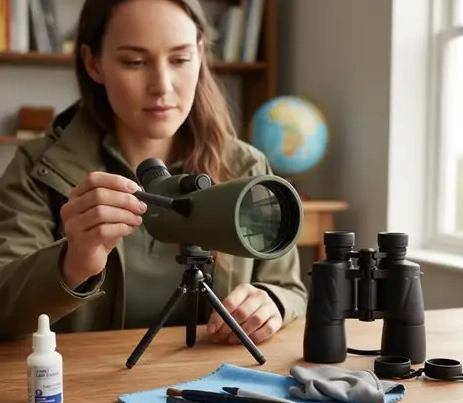
Environmental Breakdown: Think about where you use your binoculars. Salt spray at the beach, insect repellent (DEET is notorious for melting plastics and rubber), sunscreen, and industrial pollutants can all accelerate the degradation of the rubber compounds.
Material Quality: Let's be honest, not all rubber armor is created equal. Some budget-friendly models use coatings that break down faster. I've seen a ten-year-old high-end model with perfect armor, while a cheaper one bought three years ago is already a mess. It's a factor, but not an excuse to skip maintenance.
A Critical Warning: That stickiness is a sign of material failure. If you ignore it, the rubber can become permanently damaged, lose its grip entirely, or even start to degrade into a gummy residue that's much harder to clean. Acting early is key.
The Right Tools for the Job (And What to Avoid)
Using the wrong cleaner can turn a sticky situation into a ruined one. You need gentle, optics-safe solutions that dissolve the sticky residue without harming the underlying rubber, adhesives, or—most importantly—the lens coatings.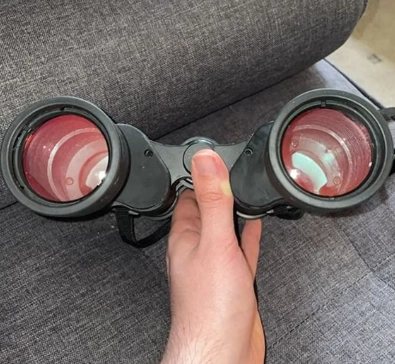
| What You Should Use | Why It Works | What You MUST Avoid | Why It's Dangerous |
|---|---|---|---|
| 70% Isopropyl Alcohol (Rubbing Alcohol) | The gold standard. It evaporates quickly, dissolves oils and plasticizers effectively, and won't leave a residue. The 30% water content helps moderate its strength. | Acetone, Nail Polish Remover, Goo Gone | These are far too aggressive. They will melt the rubber, damage lens coatings instantly, and can dissolve the adhesives holding the armor on. |
| Mild Dish Soap & Lukewarm Water | Great for an initial gentle clean to remove surface grime before using alcohol. Use a drop of Dawn or similar. | Household Cleaners (Windex, 409, etc.) | They contain ammonia, solvents, and other chemicals that can haze lens coatings and degrade rubber over time. |
| Distilled Water (for rinsing) | Prevents mineral spots if you need a final rinse. Tap water is usually fine, but distilled is safest. | Compressed Air Cans | Risk of forcing moisture or contaminants into the interior if seals are compromised. Also, the propellant can leave a film. |
| Microfiber Cloths & Cotton Swabs | Lint-free, soft materials that won't scratch. Q-tips are perfect for crevices and around objectives. | Paper Towels, Facial Tissues, Shirtsleeves | They contain abrasive wood fibers that will microscratch lens coatings. Just don't do it. |
| Toothpick or Plastic Spudger | For gently dislodging caked-on gunk in textured grips without scratching. | Anything Abrasive (brushes, scrub pads) | Will permanently scar the rubber and optical surfaces. |
A common mistake I see? People using pre-moistened alcohol swabs meant for first aid. They often contain other additives like aloe that can leave a film. Stick to pure isopropyl alcohol applied with your own clean cloth.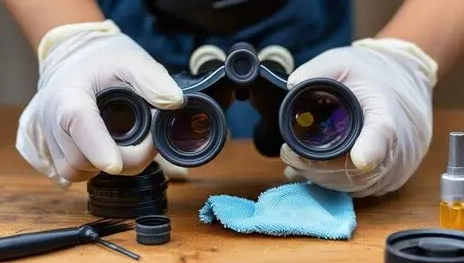
Step-by-Step: How to Clean Sticky Binocular Rubber
Follow this sequence. Patience is more important than pressure.
Step 1: The Initial Dry Brush & Prep
Start with the binoculars dry. Use a soft, clean brush (a lens brush is ideal) to gently sweep away any loose dust, sand, or grit from the entire body, especially the textured grip areas. You don't want to grind particles into the surface during the wet clean. Remove the strap and any objective lens covers.
Step 2: Gentle Soapy Wash (Optional but Recommended)
If the binoculars are generally dirty, do this first. Dampen a corner of a microfiber cloth with lukewarm water and a tiny drop of dish soap. Wring it out so it's barely damp. Wipe down the rubber armor thoroughly to remove general body oils and dirt. Use a dry part of the cloth to immediately wipe away any moisture. Keep all liquids away from the lens surfaces and focusing knobs at this stage.
Step 3: The Alcohol Treatment for Stickiness
This is the core step. Pour a small amount of 70% isopropyl alcohol onto a clean microfiber cloth—never directly onto the binoculars. You want the cloth damp, not soaking wet.
- Test a small, inconspicuous area first, like near the hinge or under the eyecup. Wait a minute to ensure no discoloration or damage.
- Using gentle pressure, wipe the sticky areas in a circular motion. You'll see the grimy residue transferring to your cloth.
- For deep textures, wrap the cloth around a cotton swab or use the swab dipped lightly in alcohol.
- Frequently rotate to a clean section of the cloth. Rubbing with a dirty cloth just re-spreads the gunk.
You may need to go over an area 2-3 times with fresh alcohol and cloth. Let the binoculars sit for 10-15 minutes to allow all the alcohol to fully evaporate.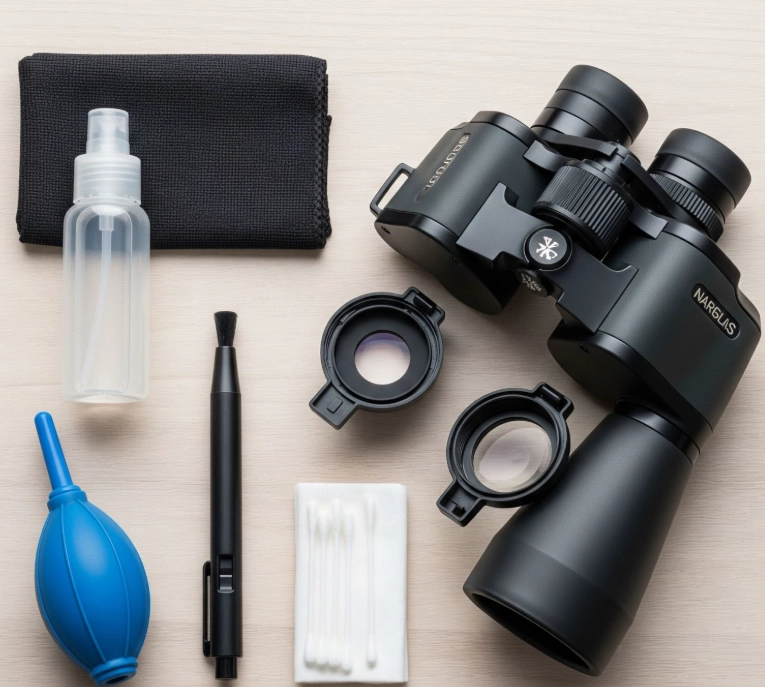
Pro Tip: The "less is more" principle rules here. Multiple light passes with a fresh cloth are far better than one heavy, soaking pass. You're dissolving and removing the migrated plasticizers, not power-washing the rubber.
Step 4: Lens Cleaning (Separately and Carefully)
Only clean the lenses after the body is completely dry and clean. Use a dedicated lens brush or blower to remove dust. Then, use a drop of lens-specific cleaner (not alcohol, which can damage some anti-reflective coatings over time) on a clean microfiber lens cloth. Gently wipe from the center outward in a spiral. Use a dry part of the cloth to buff lightly.
Step 5: Final Dry & Inspection
Give the entire binocular one last wipe with a dry, clean microfiber cloth. Check all crevices with a cotton swab. The rubber should feel clean, dry, and have its original matte texture back—not glossy or slick. If it still feels slightly tacky, you may need to repeat the alcohol step after a few hours, as sometimes deeper plasticizers continue to rise.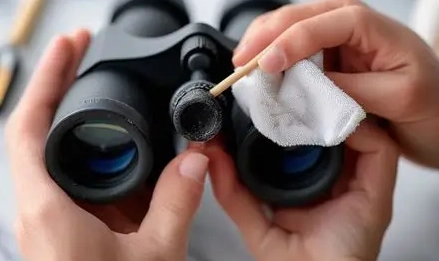
How to Prevent the Stickiness From Coming Back
Cleaning fixes the symptom; proper storage prevents the cause.
Storage is Everything: Never store binoculars in their soft case long-term, especially if there's any residual moisture. The case traps humidity. Store them in a cool, dry place with moderate humidity, away from direct sunlight. A shelf in a climate-controlled room is perfect.
The Car is the Enemy: Extreme heat is the fastest way to cook the plasticizers out of the rubber. Take your binoculars with you when you leave the car, even on mild days. A trunk can become an oven.
Clean Hands, Clean Gear: Wipe down the rubber armor with a dry microfiber cloth after each heavy use to remove sweat and oils. It takes 10 seconds and makes a huge difference over years.
Consider a Rubber Protectant: After a deep clean, some users have success with a very light application of a UV-protectant product designed for automotive rubber trim (like 303 Aerospace Protectant). Apply a minuscule amount to a cloth first, then buff it onto the rubber until it's dry to the touch. This can create a barrier. Test on a small area first, and avoid getting any on lenses or controls.
When Cleaning Isn't Enough: Signs You Need Professional Help
Sometimes, the damage is beyond a surface clean. Here's when to stop and contact the manufacturer or a repair specialist like Nikon Authorized Service or Vortex Optics' legendary VIP Warranty department.
- The Stickiness Returns Aggressively within days, indicating rapid, deep material failure.
- The Rubber is Cracking or Peeling away from the chassis.
- You See Haze or Fungus Inside the Lenses. This means internal seals have failed, and moisture has entered. This requires a full professional service.
- Stickiness is on Focus Dials or Eyecups and affecting smooth operation.
Many manufacturers will re-armor binoculars for a fee, which is often worth it for high-quality optics.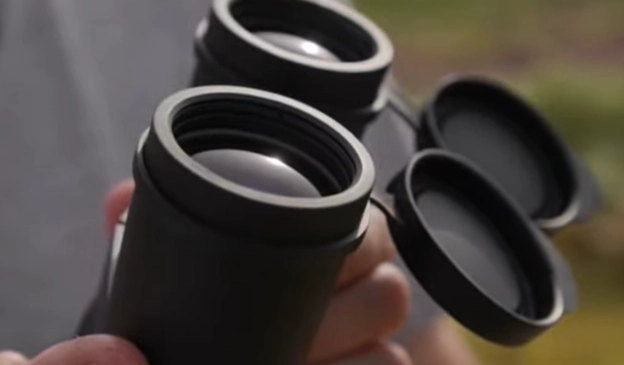
Reader Comments