Let's cut to the chase. If you're looking for a birding destination that packs a punch, where you can tick off hundreds of species in landscapes ranging from vast wetlands to misty highlands, you need to look at Zambia and Malawi. Forget the more crowded circuits. This heart of southern Africa is where the real magic happens for dedicated birdwatchers. I've spent over a decade guiding trips here, and the diversity still blows my mind. We're talking about over 700 bird species in Zambia and around 650 in Malawi, including a fantastic mix of regional specials, migrants, and those iconic African birds you've been dreaming of.
The key is knowing where to go and when. Get it right, and you'll have days where your life list grows faster than you can scribble notes. Get it wrong, and you might just see a fraction of the potential. This guide is built on boots-on-the-ground experience to make sure you fall into the first category.
Your Birding Adventure Map
Why Zambia & Malawi Are a Birder's Secret Weapon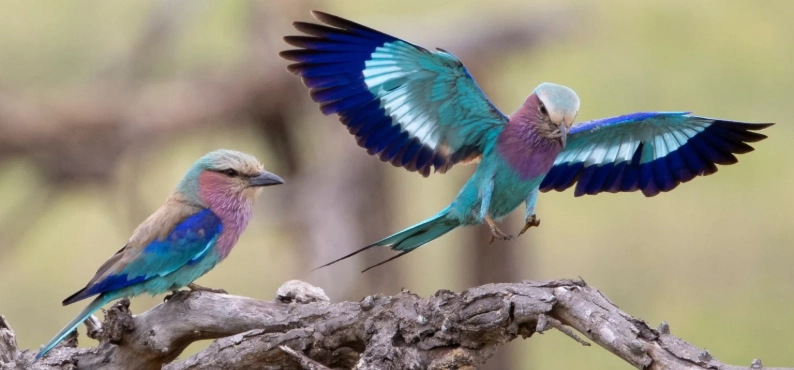
You might be wondering why focus on these two countries specifically. It's not random. They sit in a sweet spot ecologically. Zambia's massive river systems—the Zambezi, Kafue, and Luangwa—create sprawling floodplains and riparian forests that are absolute bird magnets. Malawi, dominated by the immense Lake Malawi and its surrounding highlands, offers a completely different set of habitats. Together, they cover a gradient from lowland miombo woodlands to montane evergreen forests.
This variety translates directly to bird diversity. One day you're scanning for Pel's Fishing-Owl in a quiet lagoon off the Luangwa River, the next you're listening for the chattering calls of the rare Thyolo Alethe in a Malawi mist-forest. The connectivity between parks is also improving, making a combined trip logistically smoother than ever.
A Quick Reality Check: Infrastructure can be basic. Roads between prime birding spots are often long, dusty, or rough. That's part of the adventure, but it means you need to plan for travel days, not just birding hours. The reward for that effort is having incredible places largely to yourself.
The Non-Negotiable Birding Hotspots
You can't cover everything in one trip. Based on species diversity, accessibility, and the chance for specials, here are the sites I consider essential.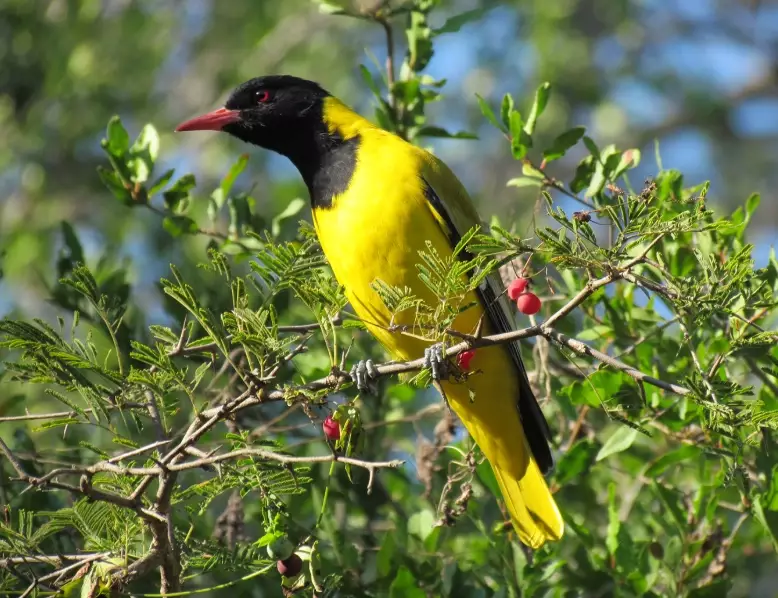
Zambia's Crown Jewels
South Luangwa National Park: This is the heavyweight. The Luangwa River is the lifeline. Birding is best in the dry season (May-Oct) when animals and birds concentrate along the river. Focus on the oxbow lagoons and riverine forest. Don't just do game drives; a walking safari here is unparalleled for birding. You'll get close to nesting colonies of carmine bee-eaters (seasonal), listen for the booming of ground hornbills, and with luck, spot a Pel's Fishing-Owl roosting in a large ebony tree. Access is via Mfuwe Airport, with lodges ranging from budget to ultra-luxury.
Bangweulu Wetlands: This is a mission, but oh boy. Think of a vast, shallow floodplain, home to one of Africa's most unique birds: the near-endemic and prehistoric-looking shoebill. The best time is the dry season (June-September) when water levels recede, making the shoebills more accessible. You'll also see huge flocks of black lechwe and spectacular congregations of waterbirds. You need a 4x4 and to book with the community project that manages access. It's remote, with basic but comfortable accommodation.
Malawi's Diverse Stages
Lake Malawi (Cape Maclear & Mumbo Island): The lake itself is a UNESCO site, and the rocky shores and clear waters attract a different set of birds. Look for African fish eagles constantly, along with white-breasted cormorants and pied kingfishers. The forested islands like Mumbo are sanctuaries for birds like the Livingstone's flycatcher. It's a great place to mix birding with relaxation. You can get there by road from Lilongwe (3-4 hrs) or Blantyre.
Liwonde National Park: Since African Parks took over management, Liwonde has become Malawi's premier wildlife destination, and the birding is stellar. The Shire River is the focus. This is one of the most reliable places in Africa to see the majestic Lillian's lovebird. Boat safaris along the river are exceptional for waterbirds, hippos, and elephants. You can fly to the nearby airstrip or drive from Blantyre (approx. 2 hours).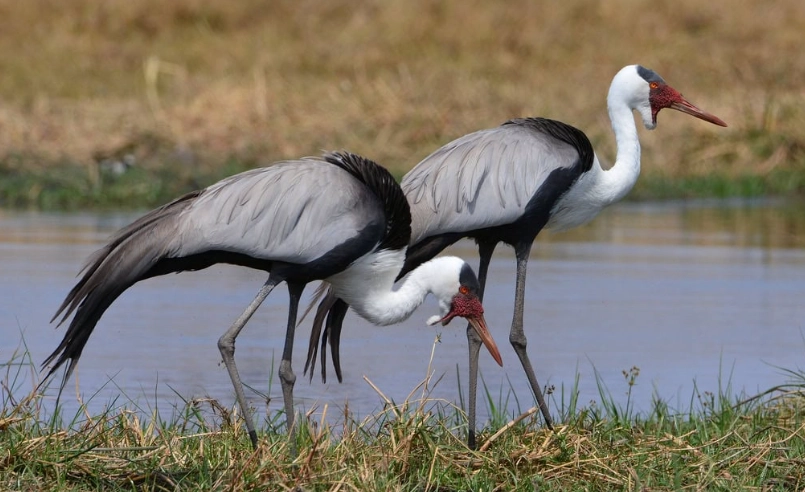
Thyolo (Cholo) Mountains & Mulanje Massif: For the montane specials. These highland forests are fragmented but vital. You're after a specific list here: Thyolo alethe, green-headed oriole, white-winged apalis, and the chattering cisticola. It requires hiking and a local guide who knows the specific forest patches. The scenery is breathtaking. Base yourself in the tea estate towns like Thyolo or at the foot of Mulanje.
| Hotspot | Prime Season | Key Target Species | Access Notes |
|---|---|---|---|
| South Luangwa, Zambia | May - October (Dry) | Pel's Fishing-Owl, Carmine Bee-eater, African Skimmer | Fly to Mfuwe. Lodges book up fast in peak season. |
| Bangweulu Wetlands, Zambia | June - September | Shoebill, Wattled Crane, Fuelleborn's Boubou | Requires 4x4 and prior booking with Bangweulu Wetlands project. |
| Liwonde National Park, Malawi | April - November | Lillian's Lovebird, Brown-breasted Barbet, Böhm's Bee-eater | Improved access; fly or drive from Blantyre. Boat safaris are key. |
| Thyolo Mountains, Malawi | September - January (Avoid heavy rain) | Thyolo Alethe, Green-headed Oriole | Requires a local guide and permission to access private tea estates. |
The "Must-See" List: Icons & Specials
Beyond the big mammals, these are the birds that make trip reports sing. I've split them into two categories.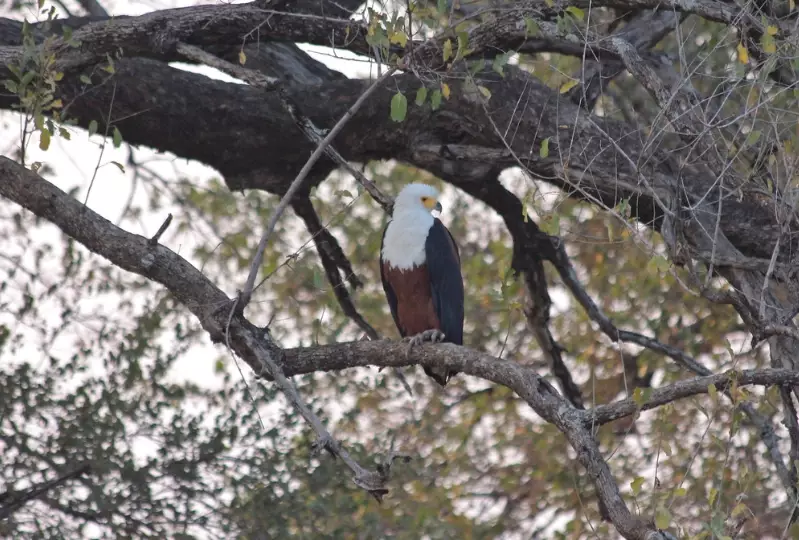
The "Big Five" Birds (The Headliners):
- Shoebill: The ultimate prize. Bangweulu is your best bet, but they also occasionally show up in the Busanga Swamps (Kafue NP, Zambia). Patience and a good guide are non-negotiable.
- Pel's Fishing-Owl: A ghost of the rivers. South Luangwa is arguably the most reliable place in Africa to see one. Listen for their deep, sonorous call at dusk near large trees overhanging water.
- African Pitta: A summer migrant (Nov-Mar) that drives birders crazy. It's terrestrial, secretive, and has an incredible call. Deciduous woodlands in Malawi (like Vwaza Marsh) and Zambia are good. You'll likely hear it before you see it.
- Lillian's Lovebird: A stunning, small parrot. Liwonde National Park in Malawi is the place. Look for them chirping in palm trees or acacias along the Shire River, especially in the early morning.
- Böhm's Bee-eater: A gorgeous, relatively tame bee-eater with a long tail. Perches conspicuously in riverine areas. Common in Liwonde and parts of South Luangwa.
The Supporting Cast (Don't Overlook These): The slate-coloured boubou, Arnot's chat, the racket-tailed roller, the scarce blue swallow (summer), the majestic wattled crane, and the noisy white-helmet shrike. The miombo woodlands are full of specials like the miombo pied barbet and miombo rock thrush that are easy to miss if you're only focused on the big names.
Planning Your Trip: The Nitty-Gritty
This is where most blogs give you fluff. Here's what you actually need to know.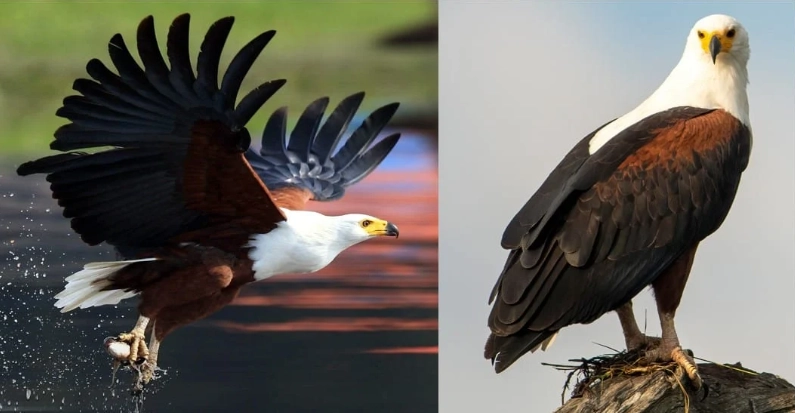
Gear & Logistics
Binoculars: Bring the best you have. Light gathering is crucial for dawn and dusk activity. A 8x42 or 10x42 is ideal.
Camera: A long lens (400mm+) is great, but don't get so bogged down with gear that you forget to watch the birds. Dust is a killer—have cleaning tools.
Field Guide: The SASOL "Birds of Southern Africa" is the regional bible. The newer "Birds of Zambia" by Dowsett et al. is excellent for Zambia-specific detail. Have the app version on your phone as a backup.
Health & Safety: Malaria is present. Consult a travel clinic for prophylaxis. Yellow fever vaccination is required if coming from a country with risk. Travel insurance that covers medical evacuation is essential. The water is not safe to drink from the tap—stick to bottled or filtered water.
Getting Around: Self-driving is possible for the adventurous with a good 4x4, but distances are huge and signage can be poor. Most serious birders opt for a fly-in safari to remote camps or hire a private vehicle with a driver/guide. It costs more but saves immense time and stress.
Birding Techniques That Work Here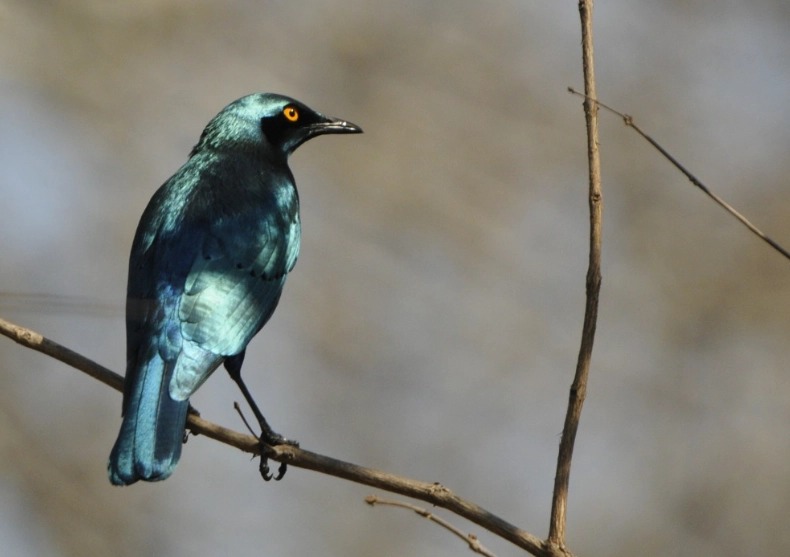
You can't just walk into the bush and expect birds to fall into your lap. A few subtle shifts in approach make all the difference.
First, be patient at water. In the dry season, any waterhole, lagoon, or riverbank is a stage. Sit for 20 minutes. You'll see far more than if you just drive up, look, and leave. I've had wattled cranes, saddle-billed storks, and three species of kingfisher all at one lagoon because I waited.
Use your ears more than your eyes initially. The dawn chorus is intense. Learn a few key calls before you go—like the duetting of boubous or the screech of a African fish eagle. A guide is invaluable here, but even alone, tracking an unfamiliar sound often leads to a great find.
Look for bird parties. Mixed-species feeding flocks are common in woodlands. A flock moving through can contain a dozen species—from flycatchers and batises to woodpeckers and cuckooshrikes. If you see one bird flitting about, stop and scan the surrounding trees.
One mistake I see often? People focus so hard on the "special" that they ignore the common. The common birds are your indicators. The call of a tropical boubou might mean the forest is healthy. A flock of red-billed queleas swirling means a predator might be near. Read the whole scene.
Your Questions, Answered (By a Guide)
Is a professional bird guide necessary for Zambia and Malawi, or can I go self-guided?
For a first-time visitor aiming to see a high number of species and specials, a guide is a massive force multiplier. They know the exact spots for target birds, can identify calls instantly, and handle local logistics and permissions (especially for places like Thyolo). A good bird-specific guide will double your effective birding time. If you're an experienced African birder on a tight budget, self-driving Liwonde or South Luangwa (staying in camps) is feasible, but you'll miss subtleties.
What's the single biggest mistake birders make when planning a trip to this region?
Trying to cover too much ground. The distances are deceptive on a map. A frantic schedule of one-night stops means you spend most of your time packing, driving, and unpacking, with only the hottest, quietest part of the day for actual birding. Pick two or three core areas and spend at least three nights in each. Depth beats breadth every time here.
Is the "Green Season" (November to April) a bad time for birding?
Absolutely not. It's just different, and in many ways, better for a birder. Yes, some roads become impassable and mosquitoes are worse. But the landscapes are stunningly green, migrant birds from Europe and within Africa are present (like the African pitta), and many species are in breeding plumage and very vocal. It's also lower tourist season, so prices are better. You just need to pick your locations carefully—stick to areas with all-weather roads or fly-in camps.
 I'm also a photographer. Are the birds generally skittish?
It varies. In national parks where vehicles are common, many birds are quite habituated and allow a close approach from a car. Species like lilac-breasted rollers or carmine bee-eaters can be remarkably confiding. However, forest birds like the Thyolo alethe or Pel's Fishing-Owl are naturally secretive. For photography, a vehicle provides a great blind. A patient, slow approach on foot with a guide can also yield incredible intimate portraits of smaller species. Boat-based photography in Liwonde or on the Zambezi is fantastic for waterbirds.
How does the birding experience differ between Zambia and Malawi?
Zambia feels bigger, wilder, with more vast, untouched wilderness areas like the Bangweulu or Kafue. The birding is often tied to major river systems and their associated big game. Malawi offers more compact, scenic variety—from the lakeshore to the highlands—packed into a smaller country. The community-run conservation projects in Malawi (like in Liwonde) provide a fascinating birding experience intertwined with local conservation success stories. You often get a more intimate feel in Malawi. Ideally, combine them: start with Zambia's big wilderness, then move to Malawi's scenic diversity.
So there you have it. The birds of Zambia and Malawi aren't just a list in a book; they're an experience woven into some of Africa's most compelling landscapes. It requires a bit more planning and resilience than some destinations, but that's precisely what keeps the crowds away and the magic intact. Do your homework, choose your season and sites wisely, and go with your eyes and ears wide open. Your life list will thank you.
Reader Comments