You stand at the edge of the trail, binoculars poised. The air is thick, buzzing. A symphony of whistles, trills, and shrieks pours from the emerald wall in front of you. It's exhilarating and... utterly overwhelming. Where do you even start? The Amazon basin holds over 1,300 bird species—that's one in every five birds on the planet. The trick isn't just being there; it's knowing how to see. After a decade of guiding trips from Peru to Brazil, I've learned that successful Amazon birdwatching is less about luck and more about strategy. Let's cut through the noise.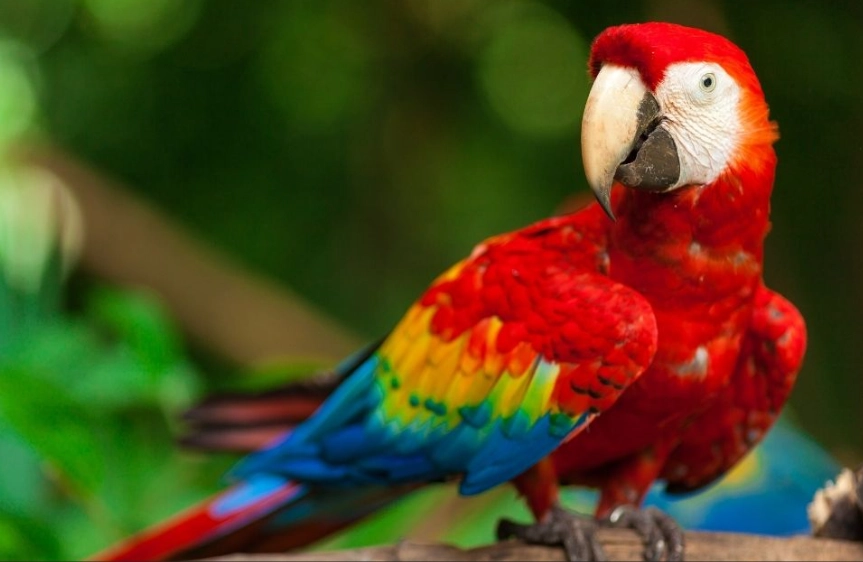
Your Quick Jumpstart
Where to Start: Picking Your Amazon Birding Base
"The Amazon" is huge. Picking the right country and lodge is your first critical decision. Each region offers a different slice of the avian pie.
Most first-timers default to the Brazilian Amazon near Manaus. It's accessible, but the forests are often heavily disturbed. For a denser, more pristine experience, I consistently recommend the western Amazon—Peru, Ecuador, or far western Brazil. The biodiversity here is off the charts due to the foothills of the Andes. A week at a lodge in southeastern Peru's Manu Biosphere Reserve or along Ecuador's Napo River will yield a species list that dwarfs one from the central Amazon.
Consider This Scenario: You have 7 days. Option A: A large, comfortable lodge with paved paths 2 hours from Iquitos, Peru. Option B: A rustic, solar-powered camp reachable only by a 4-hour boat ride up the Tambopata River in Peru's Madre de Dios region. Choose B. Every time. The remoteness filters out casual visitors and places you in the heart of intact forest. The bird list difference can be 200+ species.
Don't just look at lodge websites. Cross-reference their bird lists with eBird data from the Cornell Lab of Ornithology. If a lodge claims 500 species but recent eBird checklists from that location only show 150, something's off.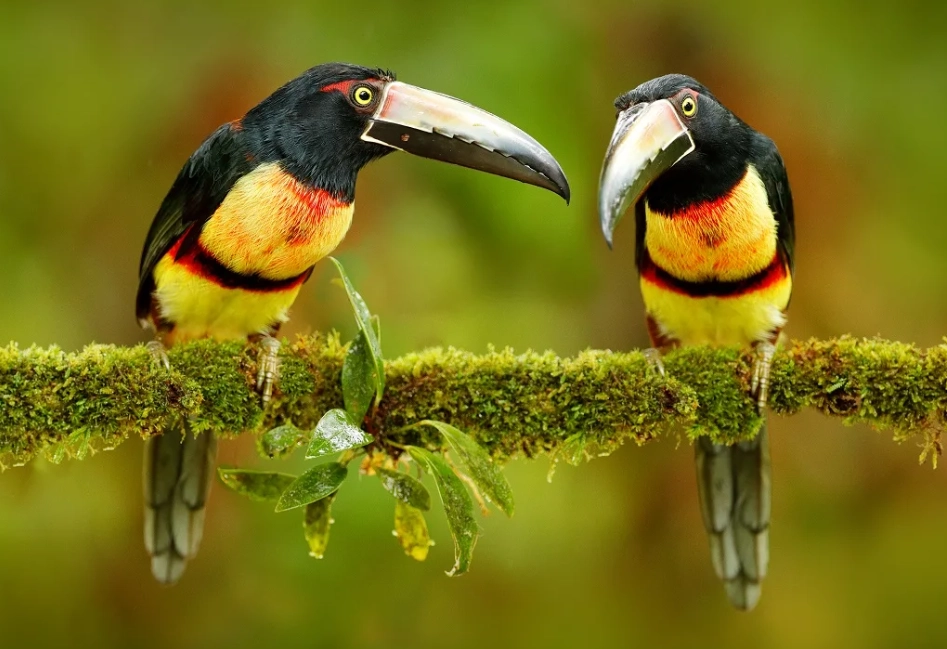
Sample 5-Day Classic Itinerary (Based in SE Peru)
- Day 1: Arrive Puerto Maldonado. Boat transfer to lodge. Afternoon at a clay lick for parrots and parakeets.
- Day 2: Pre-dawn start for canopy tower access (critical!). Morning exploring terra firme forest trails. Night walk for owls and potoos.
- Day 3: Boat exploration of oxbow lakes and river edges for specialists like Hoatzin and Agami Heron.
- Day 4: Visit a different habitat type, like bamboo stands (home to rare specialists) or flooded forest.
- Day 5: Final morning birding, then return.
The Non-Negotiable Must-See Species
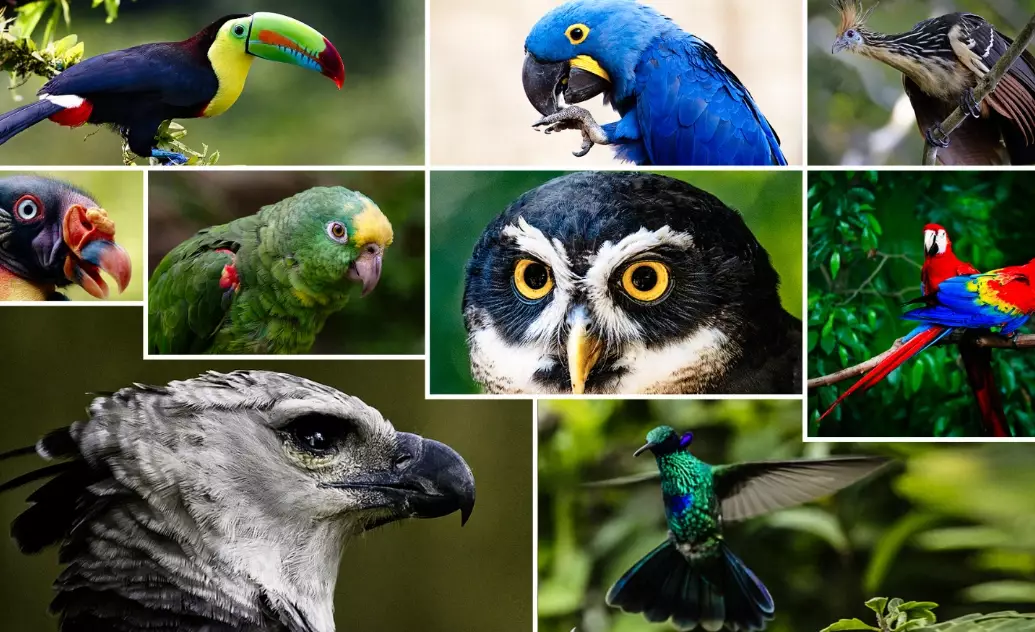
Sure, you want to see everything. But focus on these icons and you'll leave happy. The table below isn't just a list; it tells you how to find them.
| Bird | Why It's Special | Best Place/Strategy to See It | Pro Tip |
|---|---|---|---|
| Scarlet Macaw | The iconic red, yellow, and blue parrot, symbol of the neotropics. | Clay licks (collpas) at dawn. Also flying in pairs over rivers. Key locations: Tambopata (Peru), Manu (Peru). | Listen for their raucous squawks. They often fly high; be ready to look up. |
| Hoatzin | "The stinkbird." A bizarre, prehistoric-looking leaf-eater with clawed wings on chicks. | Quietly paddle a canoe along still oxbow lakes and backwater channels. | Their crashing through vegetation is surprisingly loud. Smell isn't usually an issue for observers. |
| Toco Toucan | That classic cartoon toucan with a massive orange bill. | Forest edges, riverbanks, and clearings. Often perches conspicuously. | More common in southeastern Amazon (Brazil, Bolivia) than the west. |
| Amazon Kingfisher | A brilliant green-and-white hunter of rivers and streams. | Perched on branches overhanging any river or lake. Often seen from your transport boat. | Don't confuse it with the smaller Green Kingfisher. Look for the shaggier crest and larger size. |
| Versicolored Emerald (Hummingbird) | A dazzling hummingbird with a forked tail and glittering green plumage. | Visiting flowering bushes or hummingbird feeders at lodges. | Hummingbirds are hyperactive. Pre-focus your bins on the flower and wait. |
The Harpy Eagle deserves a separate mention. Seeing one is a lifetime achievement. It requires targeting specific lodges with known nest sites (like the Instituto Arara Azul in Brazil or Refugio Amazonas in Peru that sometimes have active nests). Even then, it's a privilege, not a guarantee. Manage expectations.
Gear & The Mistakes Everyone Makes
You bought great binoculars. Good. Now you're 50% ready. The other 50% is everything else, and this is where trips get uncomfortable.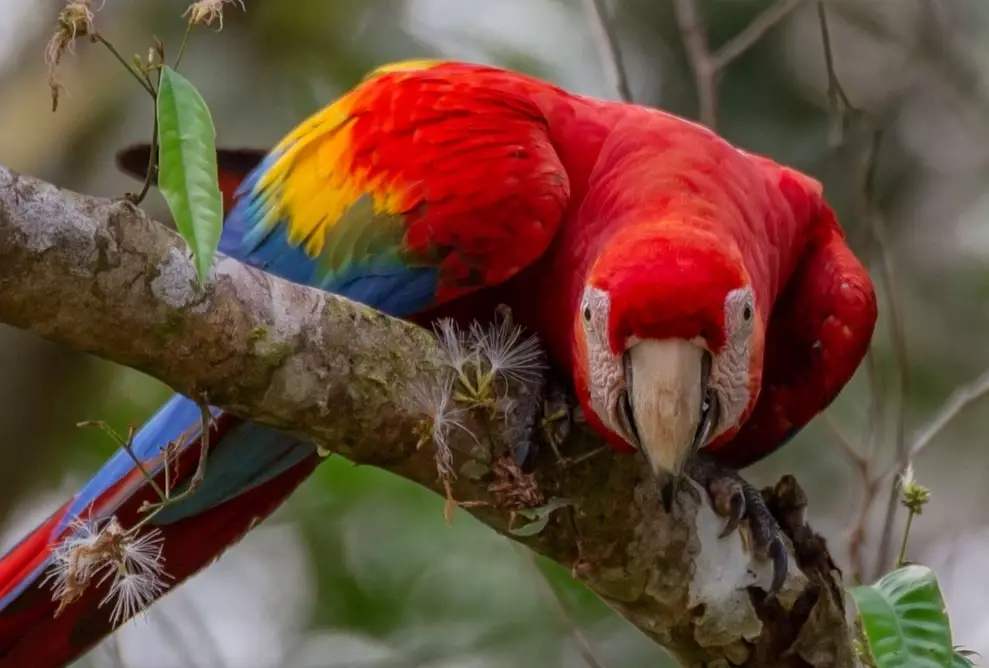
Binoculars: 8x42 or 10x42. Anything stronger is too shaky in low light. Waterproof is mandatory, not optional. The humidity will fog and ruin non-sealed optics. I use a harness, not a strap. After eight hours, you'll thank me.
Clothing: This is the biggest mistake I see. People wear cotton T-shirts. Cotton absorbs sweat, stays wet, chills you, and sticks to you. It's miserable. You need quick-dry, moisture-wicking fabrics. Long sleeves and pants are essential for bug and scratch protection. Colors? Muted greens, browns, tans. Leave the white and blue caps at home—they scare birds.
Footwear: Lightweight, waterproof hiking boots with good ankle support. The trails are muddy, uneven, and have hidden roots.
Recording: A notebook and pencil (pen ink runs). A phone with the Merlin Bird ID app (by Cornell Lab) is fantastic for sound ID, but have it on airplane mode to save battery. Download the Amazon pack before you go.
Your Most Important Skill: Listening
In the dense Amazon, you will hear 10 birds for every one you see. Your ears are your primary tool.
On my first guided trip as a client, I was frustrated, scanning the canopy fruitlessly. My guide, a local who'd grown up in the forest, would stop, point to a seemingly empty patch of leaves, and say, "Screaming Piha." I'd see nothing. He was identifying them purely by their explosive, whistled call. I was trying to bird with my eyes in a world ruled by sound.
Spend time before your trip listening to recordings of common Amazonian birds. Focus on the antbirds, ovenbirds, and flycatchers—they are often drab but have distinctive songs. When you're there, don't just chase movement. Stop. Listen. Let the guide work. Your job is to get your binoculars on the spot they point to, fast.
Patience is the other half of this. You might wait 30 minutes at a quiet spot for a mixed-species flock to come through. It feels like nothing is happening, then suddenly the forest explodes with 20 different species moving together. If you're impatient and walking quickly, you'll miss these magic moments.
Your Burning Questions Answered
What is the single best month for birdwatching in the Amazon Rainforest?
Is it safe to go birdwatching alone in the Amazon?
 What's the one piece of gear most first-time Amazon birders forget but absolutely need?
Can I expect to see a Harpy Eagle on a standard Amazon birding tour?
Birding the Amazon isn't a checklist exercise. It's an immersion. It's the smell of damp earth after a rain, the taste of fresh cupuaçu fruit at the lodge, the ache in your neck from looking up, and the sheer awe of a flock of macaws tearing across a pink sunset sky. Do your homework, pack smart, hire a great guide, and then let the forest show you its secrets. You won't just see birds; you'll experience the pulse of the planet's greatest wilderness.
Reader Comments