Quick Guide
You see them all the time, right? Those cheerful little birds with streaks of red (or sometimes orange or yellow) on the heads of the males, chirping away from your fence post or crowded around a bird feeder. House finches. They're probably one of the most common backyard visitors across North America. But here's the thing I've been asked a bunch of times, both online and by friends who are new to bird-watching: are house finches good to have around? It seems like a simple yes or no question, but the answer is way more interesting. It's a solid "it depends."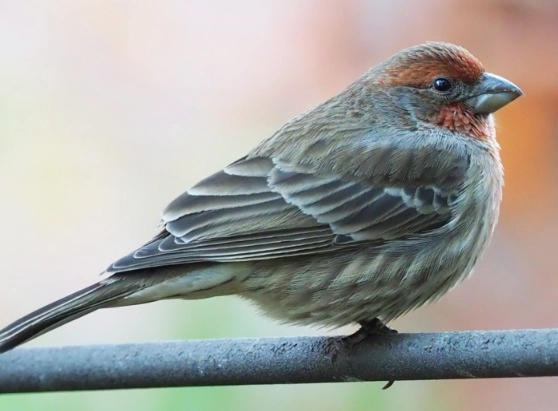
I remember when I first put up a tube feeder. Within a day, a small flock of house finches found it. At first, I was thrilled. They were lively, their songs were a constant background chatter, and the males' colors were a bright spot against the winter gray. But then I noticed the mess. Seed hulls everywhere. And they'd sometimes bully the chickadees away. That's when I started really looking into it. Are these guys beneficial guests or messy freeloaders? Let's break it down, good, bad, and everything in between.
The Short Answer? For most people, house finches are a net positive. They're native to the western U.S. but have successfully spread everywhere east after a few were released in New York in the 1940s (a wild story in itself). They eat tons of weed seeds and soft-bodied insects, their song is pleasant, and they're harmless to humans. But they can be messy, aggressive at feeders, and in rare cases, carry a disease that can affect other birds. Whether they're "good" for your yard depends entirely on what you're looking for.
The Good: Why You Might Want House Finches as Neighbors
Let's start with the positives, because there are plenty. If you're asking "are house finches good to have around," the pros list is pretty convincing for the average gardener or casual bird lover.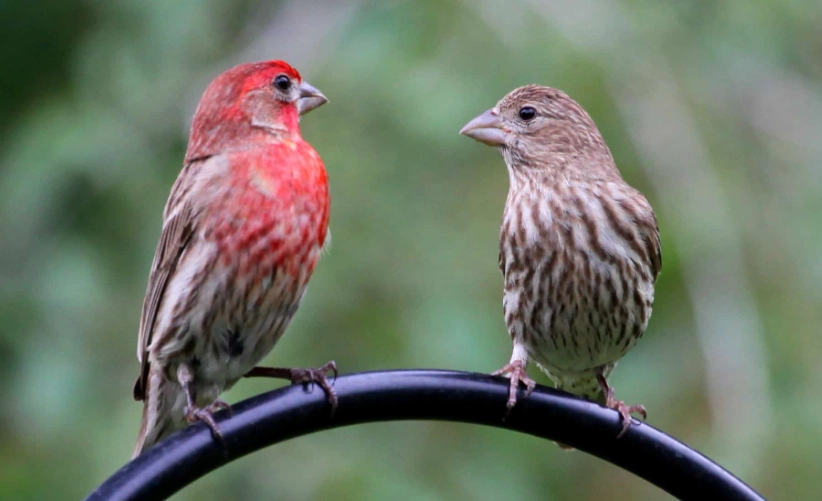
Natural Pest and Weed Control (They're Hungry!)
This is their biggest benefit, hands down. While they love birdseed, their natural diet is heavily plant-based. We're talking about a bird that's basically a tiny, feathered lawn crew.
- Weed Seed Disposal: They have a particular taste for the seeds of many common weeds like dandelion, chickweed, knotweed, and nettle. A flock of house finches can significantly reduce the number of weed seeds that get a chance to sprout in your garden beds or lawn the following season.
- Insect Snackers: Especially during breeding season when they need protein for their chicks, house finches will hunt for aphids, small caterpillars, beetles, and other soft-bodied insects. They're not insect-eating specialists like warblers, but they definitely contribute to pest control. I've watched them meticulously pick aphids off my rose bushes, which was a huge help.
So, from a purely ecological/gardening perspective, having house finches around means you've got free, natural labor working to keep your green space in check.
Entertainment and Song
They're active, social, and their constant, warbling song is a classic sound of suburban and urban areas. The male's song is a long, jumbled series of musical notes—it's not the most melodious bird song out there (the hermit thrush wins that prize), but it's cheerful and constant. They bring life and movement to your yard. For many people, that's the whole point of putting out a feeder.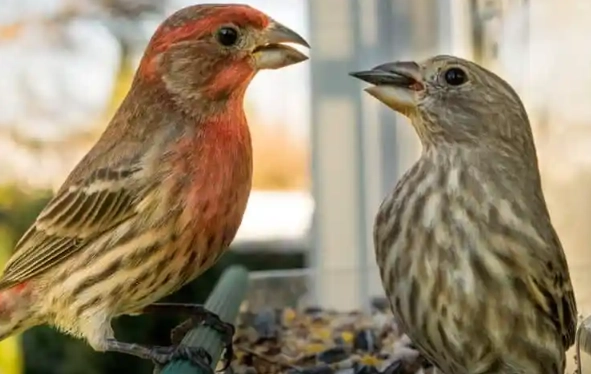
They're Harmless to You and Your Pets
This is a big one for people with safety concerns. House finches:
- Do not attack humans or pets.
- Do not raid fruit crops in large, destructive flocks like European starlings or cedar waxwings sometimes can.
- Are not known to damage property (they don't peck at wood like woodpeckers, though they might nest in a hanging basket or a vent if it's poorly covered).
They're just... there. Eating, singing, and going about their business. Their presence poses no physical threat, which is more than can be said for some other wildlife visitors.
The Not-So-Good: The Potential Downsides of House Finches
Okay, so they're not all sunshine and weed-eating. To really answer "are house finches good to have around," we have to look at the potential headaches. These aren't deal-breakers for everyone, but they're real considerations.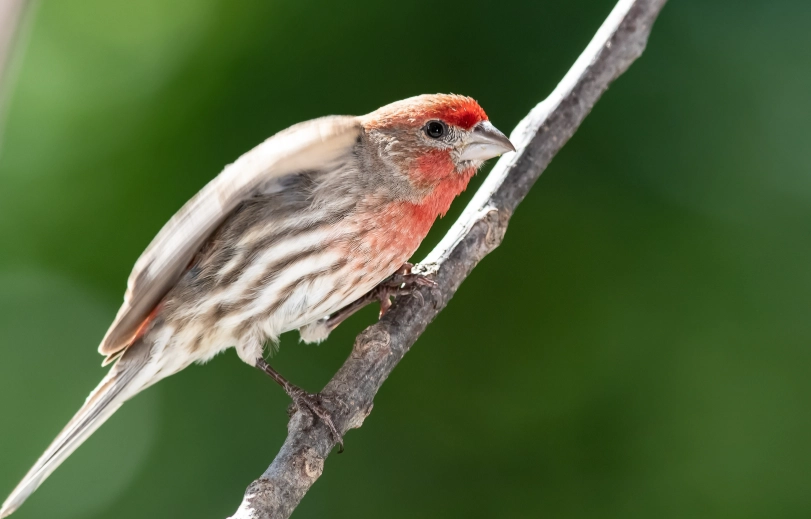
Mess and Aggression at Feeders
This is the number one complaint I hear. House finches are social feeders. They don't come alone; they come in groups. And they can be bullies.
- The Hull Pile: They are notorious for taking a seed from a feeder, cracking it open, and dropping the hull right underneath. If you have a feeder popular with finches, you'll get a pile of discarded shells that can kill the grass underneath and look unsightly. It also attracts rodents if not cleaned up.
- Feeder Hogs: They will often monopolize a feeder, especially tube feeders with perches. Smaller birds like chickadees, titmice, and finches like goldfinches can get pushed out. I've seen a single perch occupied by a house finch for what feels like an hour, with a line of others waiting.
- Wasteful Eating: They can go through seed surprisingly fast, which hits the wallet if you're buying premium blends.
Health Concern: House Finch Eye Disease (Mycoplasmal Conjunctivitis)
This is the most serious downside, though its impact varies. In the mid-1990s, a bacterial infection specific to house finches (and later, American goldfinches) spread rapidly. It causes swollen, crusty, runny eyes, making it hard for the birds to see to eat or avoid predators.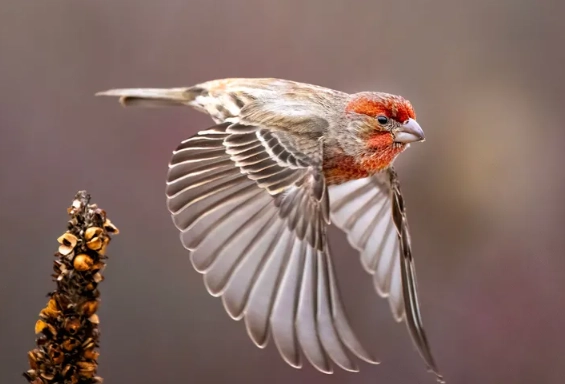
Important: This disease is specific to birds and poses no risk to humans, cats, or dogs. The concern is for the birds themselves and the potential spread to other species at crowded feeders.
If you see a house finch with crusty, swollen, or closed eyes, it's likely infected. The Cornell Lab's Project FeederWatch has an excellent guide on this. It's a sad sight. The responsible thing to do is to take down your feeders for at least a week to discourage sick birds from congregating and spreading it. Clean the feeders thoroughly with a 10% bleach solution before putting them back up.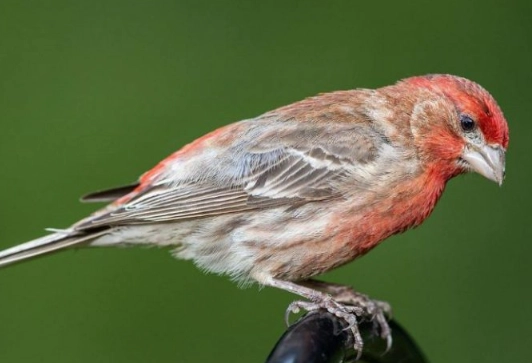
So, part of asking "are house finches good to have around" involves being a responsible host and monitoring for this.
Nesting in Inconvenient Spots
They are cavity nesters but are incredibly adaptable. While they'll use nest boxes, they're just as happy to build a messy nest in:
- Hanging flower baskets (a classic).
- Old decorations on your porch.
- Vents or ledges on your house.
- Dense, thorny shrubs (which is a good spot, actually).
This can be a nuisance if they pick a spot where you don't want them. Once they have eggs or chicks, you are legally obligated (under the Migratory Bird Treaty Act) to leave them alone until the young have fledged.
| Pros of House Finches | Cons of House Finches |
|---|---|
| Excellent natural weed control by eating seeds. | Messy under feeders from dropped seed hulls. |
| Help with insect pests like aphids. | Can be aggressive and dominate bird feeders. |
| Cheerful song and active behavior adds life to the yard. | Potential carrier of House Finch Eye Disease (requires feeder hygiene). |
| Completely harmless to people, pets, and property. | May nest in inconvenient places (hanging baskets, vents). |
| Easy to attract and observe, great for beginner birders. | Can consume large amounts of birdseed quickly. |
Looking at that table, you can see why the answer to "are house finches good to have around" isn't black and white. For someone who values a tidy patio above all else, the mess might be a deal-breaker. For an organic gardener, the pest control might make them a welcome ally.
How to Tilt the Balance: Making House Finches Work for Your Yard
You have more control than you think. You're not just a passive observer; you can manage your space to maximize the good parts and minimize the bad. Whether you want to attract them or gently encourage them to spend less time at your main feeder, here's how.
If You Want to Attract More House Finches...
Maybe you've read the pros and decided, "Yes, I want these guys around!" Here's what they absolutely love:
Top Attractants for House Finches:
- Black Oil Sunflower Seeds: This is the universal bird currency, and house finches are huge fans. They'll crack them open with their stout beaks.
- Nyjer (Thistle) Seed: A favorite of finches. Use a specialized tube feeder with tiny ports.
- Water Source: A birdbath, especially one with a gentle dripper or mister, is irresistible. They need to drink and bathe.
- Shelter: Dense shrubs, evergreen trees, or even a brush pile gives them places to hide from predators and harsh weather.
- Nesting Sites: Put up a nest box with a 2-inch entrance hole, or just leave those dense, thorny shrubs (like pyracantha or barberry) untrimmed during spring.
If You Want to Discourage Them (or Reduce Feeder Aggression)...
Don't want them hogging the feeder? There are humane ways to give other birds a chance without harming the finches.
- Use Feeder Styles They Dislike: House finches prefer perches. Use feeders without perches, like mesh socks for nyjer seed (goldfinches can cling, house finches struggle more). Or try a weight-activated feeder that closes the ports under the weight of a heavier bird (though house finches aren't that heavy, so test it).
- Offer Their Favorite Food Away from Main Feeders: This is my preferred strategy. I put a dedicated tube feeder with black oil sunflower seeds in a spot farther from the house. The house finches flock to it and are generally happy there, leaving my other feeders (with safflower seed, which they don't love as much) for the cardinals, chickadees, and nuthatches.
- Try Safflower Seed: This is a great "selective" seed. Cardinals, chickadees, titmice, and doves like it. House finches, starlings, grackles, and squirrels typically avoid it. It's a bit more expensive, but it can change your feeder dynamics.
- Keep Feeders Meticulously Clean: Regularly sweep up hulls to prevent mold and rodent issues. Clean feeders with a bleach solution every few weeks to prevent disease spread. This is non-negotiable for responsible feeding, especially if you're wondering about the health aspects of having house finches around.
It's all about management.
Answering Your Burning Questions (FAQ)
The Final Verdict: It's Your Call
So, after all this, what's the bottom line on whether house finches are good to have around?
For the ecologically-minded homeowner or gardener, the scales tip heavily toward "yes." Their weed-eating and minor insect control are tangible benefits. Just be prepared to manage your feeders responsibly to prevent mess and disease.
For the bird feeder enthusiast who wants variety, they can be a mixed blessing. They provide constant activity, but you might need to use some strategies (like feeder placement and seed choice) to ensure they don't scare off all the other birds.
For the person who wants a perfectly tidy, low-maintenance yard, they might be more trouble than they're worth, primarily due to the mess under feeders.
My take?
I've made peace with them. I appreciate the role they play. I manage my feeders to keep things balanced, and I always keep an eye out for signs of eye disease. Their soft chattering and the flash of red from the males are now a fundamental part of my backyard's character. They're not perfect guests—they're a bit messy and loud—but they're interesting, native, and overall helpful. In my book, that makes them good to have around, with a few simple ground rules.
Ultimately, you get to decide what "good" means for your own space. Hopefully, this deep dive gave you all the facts you need to make that call.
Reader Comments