You see a flash of color, a quick movement. A bird just landed on your windowsill. It happens once, then again. Soon, you have regular visitors. What's going on? What attracts birds to your window isn't one single magic trick. It's a combination of meeting their basic needs in a way that feels safe. I've spent years turning my own apartment windows into a bustling bird cafe, and I can tell you, the most common advice online misses some crucial details.
Most articles will tell you to put up a feeder. That's a good start, but it's only part of the story. If you just slap a feeder on the glass and call it a day, you might get a few curious looks, or worse, you could create a dangerous situation. The real goal is to create a mini-habitat—a spot that offers food, water, and security, all visible from the comfort of your couch.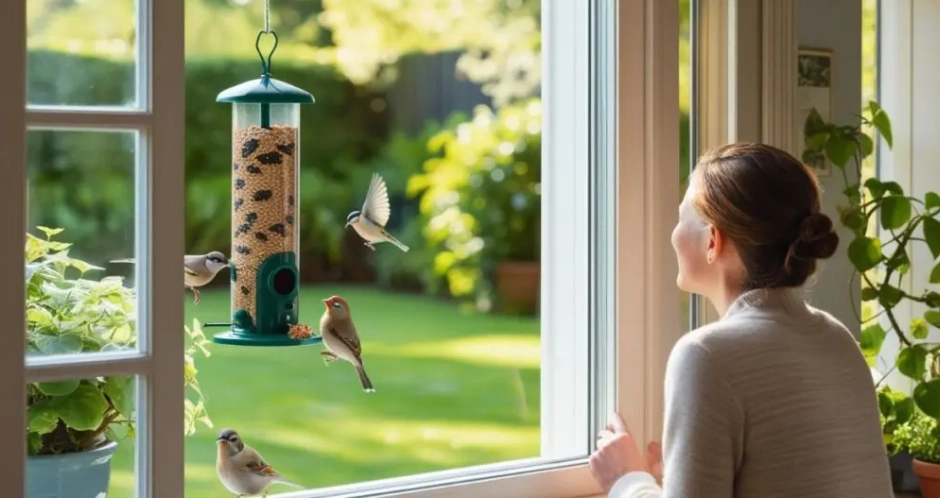
Your Quick Guide to a Bird-Friendly Window
The Bird Brain Basics: Safety First, Food Second
Think like a bird for a second. Your life is a constant search for food while avoiding becoming food. A wide-open, reflective surface—like a clean window—screams "danger zone" or "invisible wall." To attract them, you need to override that instinct.
Birds are attracted to spots that signal three things:
1. A Reliable Food Source: This is the obvious one. But not all food is equal. A pile of cheap seed on the sill might attract pigeons or starlings, but the songbirds you probably want are pickier. They're looking for high-energy, trustworthy food.
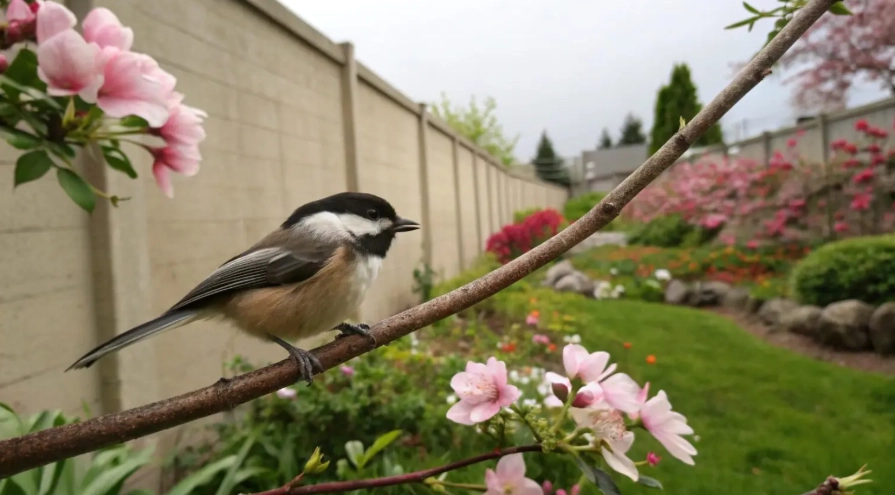
2. Nearby Cover: This is the part most setups ignore. A feeder stuck on a bare window is a trap in a bird's mind. They need a bush, a tree branch, or a planter within a quick flight (3-10 feet) where they can dart to safety after grabbing a seed. It's their staging area. If you don't have natural cover, creating some with a window box or a hanging basket makes a world of difference.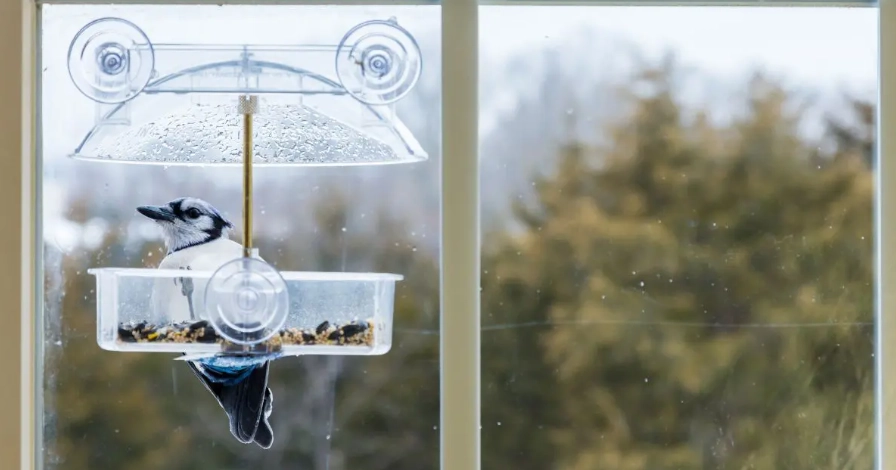
3. Water Access: A consistent water source for drinking and bathing is like a five-star review for your window. In many urban and suburban areas, clean water is harder to find than food. A small, shallow bird bath or even a sturdy saucer of water placed nearby is an incredible draw.
My Personal Breakthrough: For months, my window feeder got only occasional chickadees. I added a simple potted dwarf conifer on a bracket just below the window. Within a week, the chickadees were bringing their fledglings. The cover gave them the confidence to linger.
How to Attract Birds to Your Window: A Step-by-Step Plan
Let's get practical. Here’s how to build your attraction station, in the right order.
Step 1: Choose and Place Your Feeder Strategically
Don't just buy the first suction-cup feeder you see. The type and placement matter immensely.
| Feeder Type | Best For Attracting... | Key Placement Tip | My Honest Review |
|---|---|---|---|
| Suction Cup Tube Feeder | Chickadees, Finches, Nuthatches | Place on the window itself, but ensure it's within 3 ft of the edge so birds can approach from the side. | Great for close views, but cheap ones lose suction. Get one with a locking mechanism. |
| Window Seed Tray | Cardinals, Jays, Sparrows, Doves | Mount on the sill or a bracket. Ideal for larger birds who prefer a platform. | Messier, but attracts a wider variety. Needs frequent cleaning. |
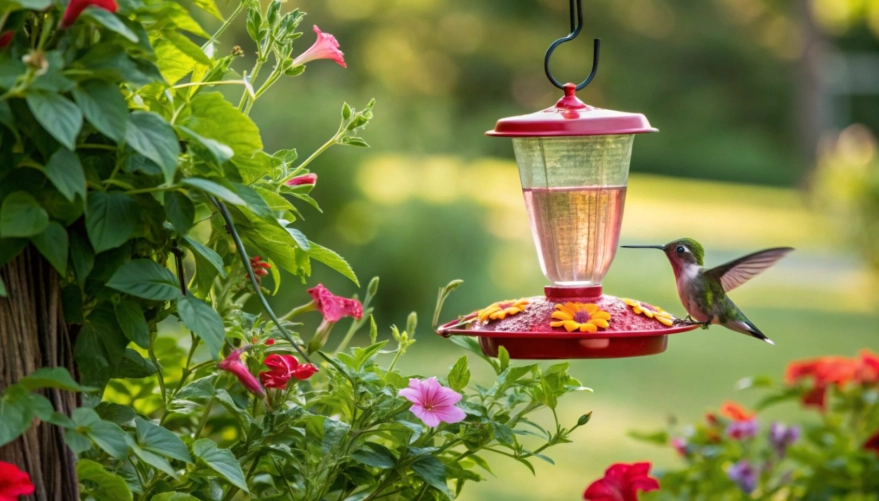
| Hummingbird Feeder | Hummingbirds (obviously) | Hang from a shepherd's hook next to the window, not directly on it. They need flight space. | The most rewarding. Use a simple design (easy to clean) and pure sugar water (4:1 water:sugar). |
The food matters too. Black oil sunflower seeds are the universal crowd-pleaser. For a no-mess option, sunflower hearts (chips) are worth the extra cost. Avoid mixed seed bags full of millet—they mostly end up on the ground.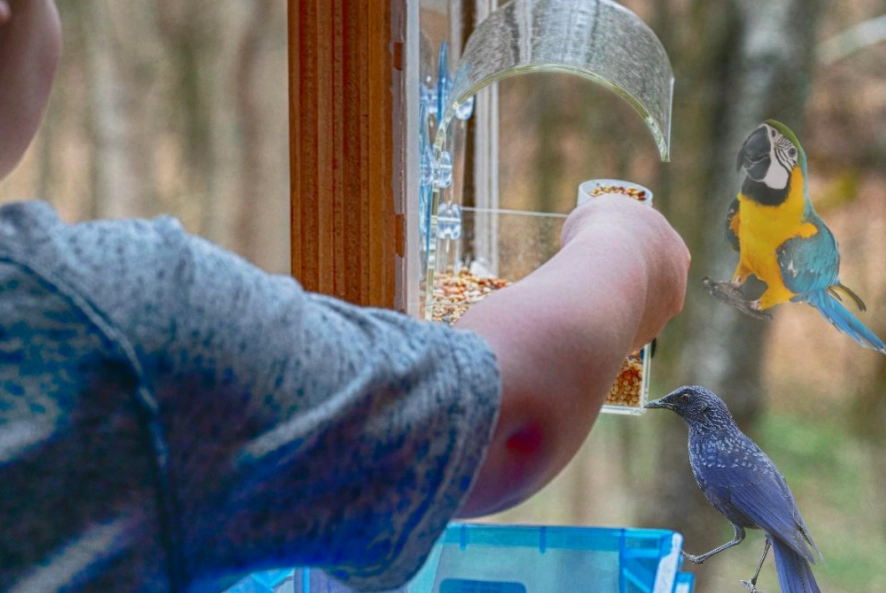
Step 2: Make the Window Visible and Safe
This is the non-negotiable step. A bird flying into your window is a tragedy and will scare away all other visitors.
Birds don't see glass. They see reflections of trees and sky (a tunnel to fly through) or they see a clear passage to plants inside your home. You have to break up that reflection.
Effective Solutions:
- Decals or Tape: Not just one or two. Apply closely spaced patterns (no more than 2 inches apart in height and 4 inches apart in width) on the outside of the glass. Products like Feather Friendly markers or CollidEscape tape are proven to work. The American Bird Conservancy has a great resource on bird-safe windows.
- External Screens or Netting: A slightly pulled-out insect screen is incredibly effective and doesn't ruin your view from inside.
- Soap or Tempera Paint: A cheap, temporary fix. Draw dense vertical lines or a grid on the outside of the window.
The "One Decal" Illusion: Putting a single hawk silhouette in the middle of your window does almost nothing. Birds will just fly around it. Density of markings is what saves lives.
Step 3: Add the Supporting Cast (Water & Cover)
Now, enhance your setup. If you have a balcony or yard, place a birdbath within view of the window. A simple plant arrangement in a box below or to the side of the feeder provides that crucial safety perch.
Even in a high-rise, you can use a hanging basket with trailing plants like ivy or petunias mounted near the feeder. It gives a landing pad.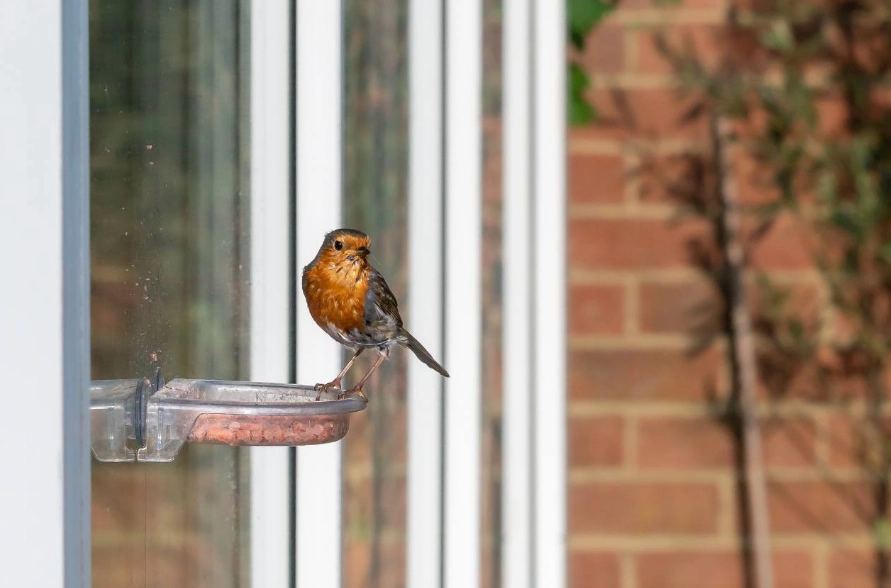
The Biggest Mistake Everyone Makes (And How to Fix It)
Impatience.
You set everything up perfectly and... nothing happens for days. So you move the feeder, change the food, add more decorations. This resets the clock. Birds are neophobic—wary of new things. It can take 3 to 4 weeks for local birds to accept a new feeder as part of their routine.
My advice? Set it up, make it safe, keep it clean and full, and then leave it alone. Watch from a distance. The first visitor is often a brave chickadee or titmouse. They are the scouts. Once they deem it safe, others will follow.
Keeping Them Coming Back: Beyond the Initial Attraction
Consistency is key. Birds will incorporate your window into their daily foraging rounds.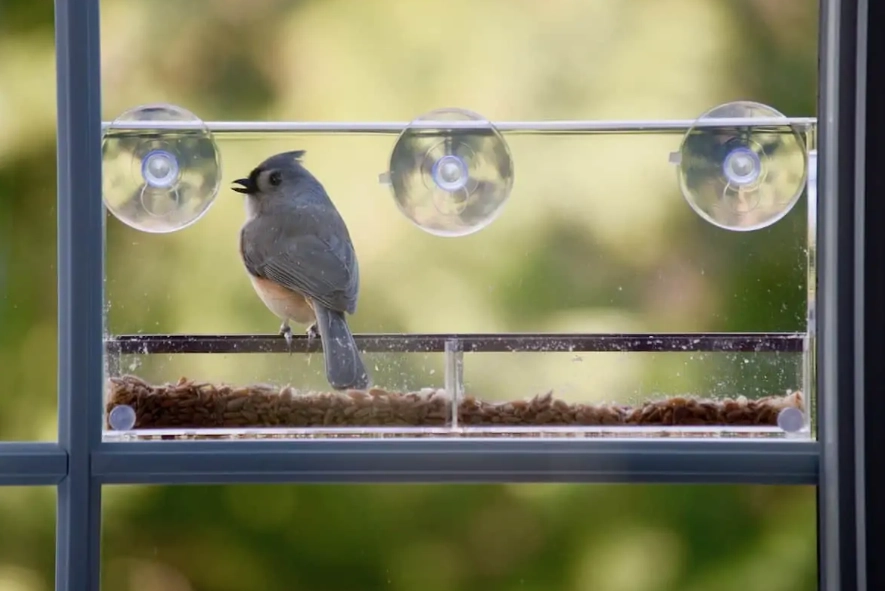
Cleanliness is Non-optional: A dirty feeder can spread disease like finch eye disease or salmonella. Clean your feeders with a dilute bleach solution (1 part bleach to 9 parts water) every two weeks, or weekly in warm, wet weather. Rinse thoroughly. This is more important than the type of seed you buy.
Seasonal Shifts: In summer, offer a water source more than food. In fall and winter, high-fat foods like suet cakes or peanut pieces are magnetic for energy-hungry birds. I've found a small suet cage attached near my seed feeder brings in woodpeckers and nuthatches that would otherwise ignore the seeds.
Keep a pair of binoculars and a notebook by the window. Noting who visits and when turns feeding from a hobby into a fascinating study. You'll start to recognize individual birds.
Your Bird Window Questions, Answered
 How close can I be to the window without scaring the birds away?
 Creating a window that attracts birds is about building trust with your local wildlife. It’s not an instant spectacle, but a slowly unfolding relationship. Start with safety, add reliable resources, and be patient. One morning, you'll be sipping your coffee as a bright goldfinch or a curious nuthatch does the same just inches away, separated only by glass. That connection is worth every bit of the setup.
Reader Comments