You see it all the time in nature documentaries and photos—vast marshes teeming with herons, ducks wading in shallow water, and flocks of shorebirds skittering along the mud. It's not a coincidence. Wetlands are, without exaggeration, the single most productive and critical habitat for birdlife on the planet. If you're asking "why do birds like wetlands?", the short answer is simple: it's a one-stop shop for everything they need to survive and thrive. Think of it as a bustling city with endless food courts, secure apartment complexes, and a reliable water supply, all wrapped into one. Let's break down exactly what makes these soggy landscapes so irresistible.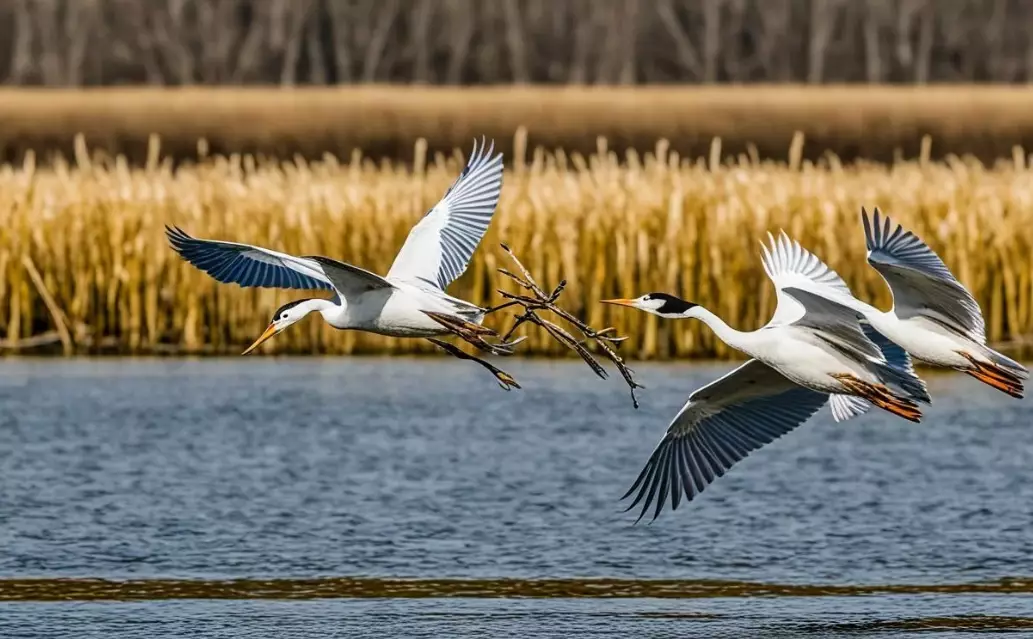
What's Inside This Guide?
- The Wetland Buffet: How Food Abundance Attracts Birds
- Safe Havens: Shelter and Nesting Sites in Wetlands
- The Water Itself: More Than Just a Drink
- A Critical Rest Stop: Wetlands on Migration Routes
- How to Start Birdwatching in Wetlands: A Practical Guide
- The Threats to Wetlands and Why It Matters to Birds
- Beyond the Basics: Wetland Bird Behavior You Might Miss
- Your Wetland Bird Questions Answered
The Wetland Buffet: How Food Abundance Attracts Birds
This is the biggest draw. Wetlands are biological supermarkets. The constant cycle of wet and dry, the rich nutrients, and the shallow water create an explosion of life that birds have evolved to exploit. Different birds have different menus, and wetlands cater to them all.
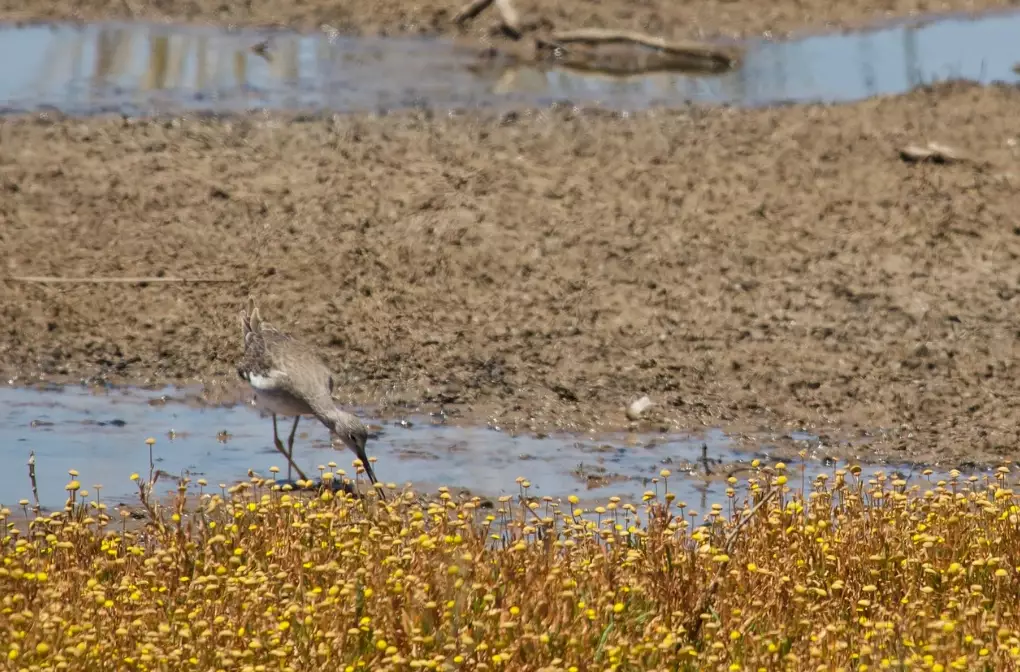
Insect and Invertebrate Feast: The mud and standing water are crawling with insects, larvae, worms, and crustaceans. This is prime real estate for shorebirds like sandpipers and plovers, which use their specialized bills to probe the soft substrate. Warblers and swallows hawk insects from the air above the reeds.
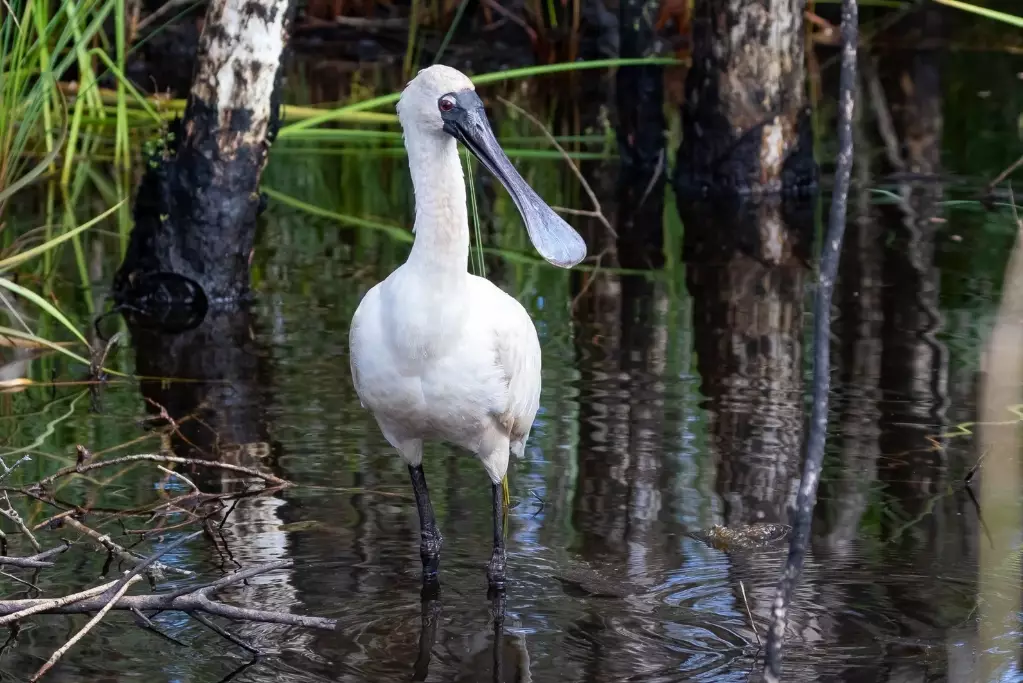
Fish and Amphibian Central: Ponds and slow-moving channels are full of small fish, tadpoles, and frogs. This is what brings in the iconic waders—herons, egrets, bitterns, and storks. I've watched a Great Blue Heron stand motionless for what felt like an hour, then strike with lightning speed. Their patience is a direct result of the reliable payoff wetlands offer.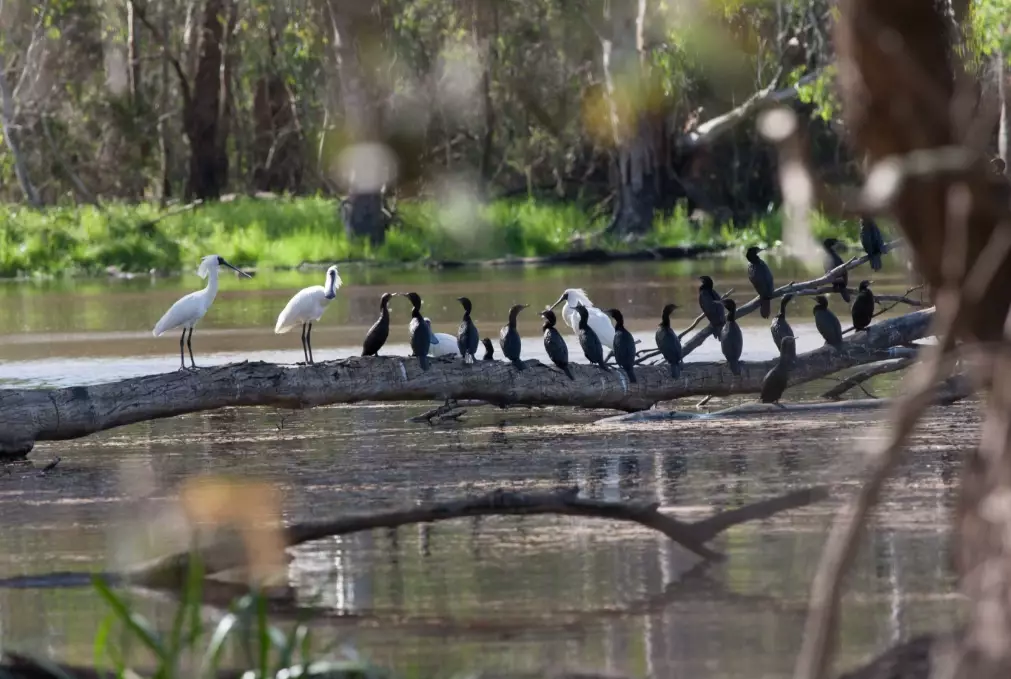
Plant-Based Options: It's not all about meat. Ducks like Mallards and Teal dabble for aquatic plants, seeds, and roots. Geese graze on the grasses along the edges. The variety is staggering.
One mistake beginners make is thinking all wetlands offer the same food. A saltwater estuary attracts different species (think oystercatchers, avocets) than a freshwater inland marsh (rails, gallinules) because the invertebrate life in the mud is completely different. Knowing the wetland type helps you predict the birds.
Safe Havens: Shelter and Nesting Sites in Wetlands
Food means nothing if you get eaten. Wetlands provide security in a way open fields or forests often can't.
The dense vegetation—cattails, reeds, rushes, and sedges—forms an almost impenetrable fortress. Birds like the secretive Virginia Rail and Sora live their entire lives hidden within these tangles, safe from land-based predators like foxes and cats. For nesting, this is ideal. Red-winged Blackbirds famously tie their nests to cattail stalks, over the water, where few predators dare to go.
Water itself is a barrier. An island in a marsh or a nest built over water is automatically safer. Terns and gulls often nest on bare, isolated mudflats for this reason.
It's not just about hiding. The structure provides materials. Many birds use dead cattail fluff for lining their nests, and the sturdy stems are perfect building frameworks.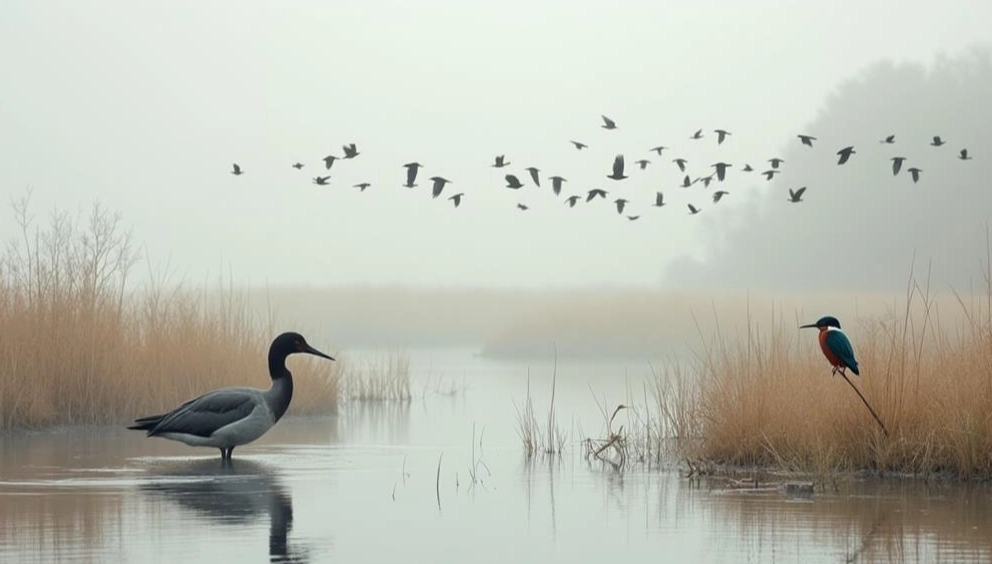
The Water Itself: More Than Just a Drink
Obvious, but worth stating. A constant, clean water source is non-negotiable for life. Birds drink it, of course. But they also use it for bathing, which is critical for maintaining feather health for flight and insulation. Watch a group of ducks sometime—they'll feed, then spend a good amount of time splashing and preening.
Water also helps with thermoregulation. On a hot day, wading in cool water helps birds manage their body temperature.
A Critical Rest Stop: Wetlands on Migration Routes
This is where wetlands become globally significant. For birds traveling thousands of miles between breeding and wintering grounds, wetlands are the essential gas stations and motels. A shorebird like a Semipalmated Sandpiper, flying from the Arctic to South America, has a metabolism running at a furious pace. It needs to find rich feeding grounds to refuel quickly.
Coastal wetlands and inland prairie potholes serve as these critical staging areas. A bird might double its body weight in a matter of days at a key wetland stop. Lose that stop due to drainage or development, and the entire migration chain can collapse. Organizations like the National Audubon Society highlight these migratory corridors as conservation priorities for this exact reason.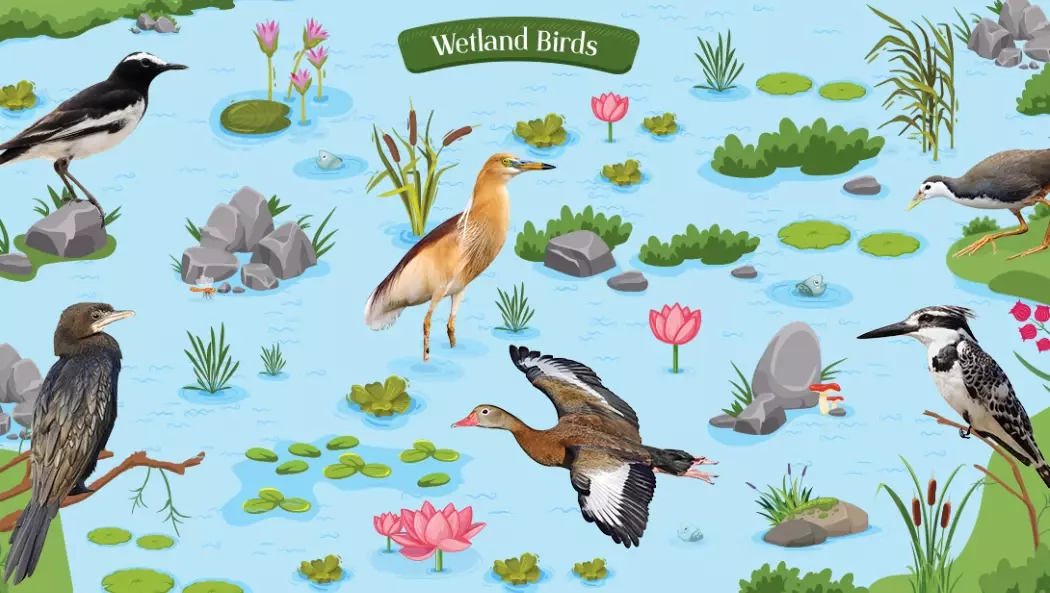
How to Start Birdwatching in Wetlands: A Practical Guide
Knowing why birds are there is one thing. Seeing them is another. Here’s how to get started, drawn from years of soggy boots and early mornings.
Essential Gear You Actually Need
Binoculars: Don't overthink it. A pair in the 8x42 or 10x42 range is perfect. More important than magnification is a close focus distance—you'll often be looking at birds in nearby reeds. Waterproof is a huge plus.
Footwear: This is critical. Waterproof boots are mandatory. Not water-resistant, waterproof. I learned this the hard way with cold, wet feet in a marsh in November. Trust me.
App/Field Guide: The Merlin Bird ID app by the Cornell Lab of Ornithology is a game-changer for beginners. A physical field guide for your region is also invaluable.
Clothing: Dress in layers. Wetlands can be chilly in the morning and hot by noon. Neutral, muted colors (browns, greens) help you blend in.
Finding and Choosing a Wetland
You don't need to find a wilderness. Start local. Check:
- Local or state park websites for "wildlife viewing" or "wetland boardwalk" areas.
- The U.S. Fish & Wildlife Service website for National Wildlife Refuges near you. These are often wetland-centric and managed for observation.
- eBird.org's "Explore Hotspots" feature. It shows you exactly where other birders are going and what they're seeing.
When to Go and What to Do
Time of Day: Go early. Bird activity peaks around dawn. Late afternoon is also good. Midday, especially in summer, can be quiet as birds rest.
Season: All seasons are good, but different. Spring and fall are peak for migrants. Summer has breeding residents in bright plumage. Winter hosts ducks, geese, and raptors.
Technique: Move slowly and quietly. Stop frequently and just listen. So much of birding is auditory—learning the calls of a Marsh Wren or the "conk-la-ree!" of a Red-winged Blackbird will tell you what's there before you see it. Scan the edges where water meets vegetation.
The Threats to Wetlands and Why It Matters to Birds
Understanding why birds rely on wetlands makes their loss terrifying. Historically, wetlands were seen as wastelands to be drained for agriculture or development. Over half of the wetlands in the lower 48 states have been lost.
Drainage and Filling: The direct conversion to farmland or real estate destroys the habitat entirely.
Pollution: Runoff from farms (fertilizers, pesticides) and cities can poison the water, killing the invertebrates and fish that birds eat.
Water Diversion: Upstream dams or water extraction for cities can starve a wetland of its water source, turning it into a dry field.
Climate Change: Rising sea levels can drown coastal salt marshes, while droughts can dry up inland wetlands.
When a wetland disappears, it's not just a local loss. It's a missing link in a continental migration chain. Supporting organizations that work on wetland conservation and advocating for local wetland protection are direct actions you can take.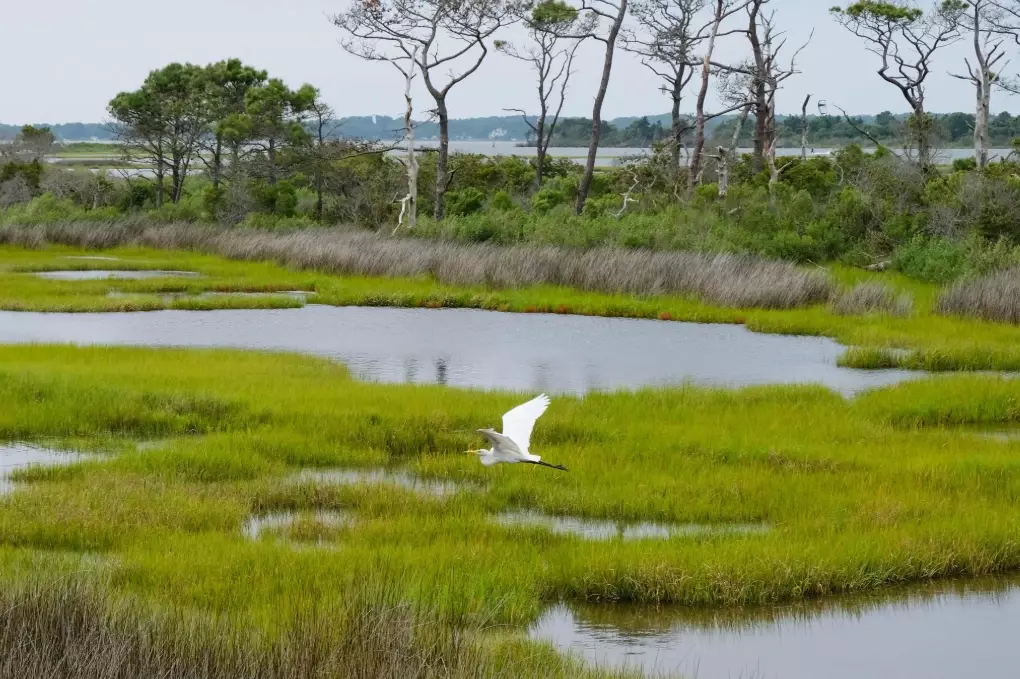
Beyond the Basics: Wetland Bird Behavior You Might Miss
Once you know the basics, you start seeing the nuances. Wetlands are stages for incredible dramas.
Watch for territorial displays. Male Red-winged Blackbirds puff up, flash their red epaulets, and scream their signature call. It's all about defending a prime patch of reeds.
Look for specialized feeding techniques. An American Avocet swings its upturned bill side-to-side in the water like a scythe to catch small prey. A Black-necked Stilt uses its impossibly long legs to wade into deeper water than other shorebirds.
Listen for the hidden chorus. On a still morning, a marsh sounds like it's clicking, grunting, and whinnying with the sounds of rails and bitterns you may never see.
Here’s a non-consensus point many guides miss: the importance of tidal cycles in coastal wetlands. Your birding success is dictated more by the tide table than the weather. Go as the tide is rising or falling, not when it's static at high or low tide. Moving water concentrates and exposes food, triggering a frenzy of bird activity.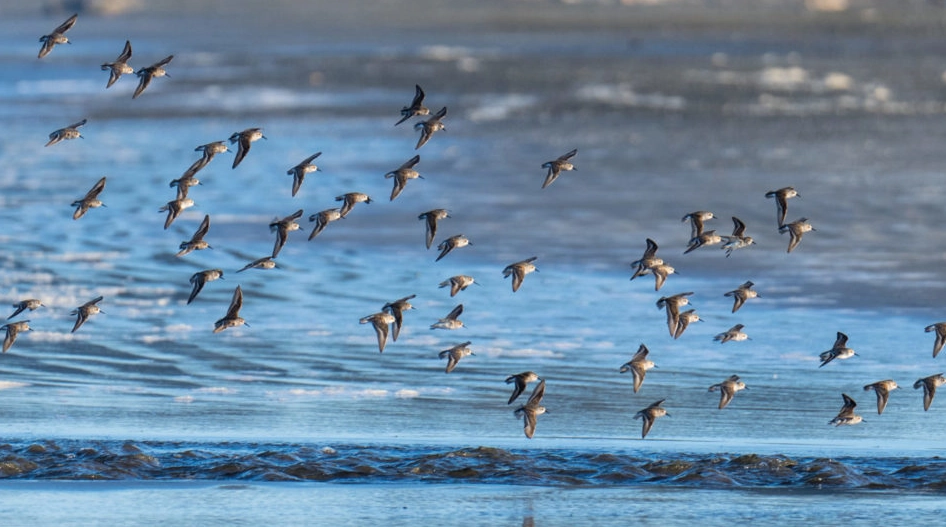
Your Wetland Bird Questions Answered
 Are man-made wetlands or stormwater ponds good for birds?
Reader Comments